





Cisco, LISP and workload mobility

Cisco, LISP and workload mobility
Published: Jul 28, 2011
Updated: Feb 2, 2021
2 minute read
eWeek content and product recommendations are editorially independent. We may make money when you click on links to our partners. Learn More

[WP_IMAGE]

I spent another day getting tutored on LISP at the Cisco campus yesterday. See below for a bit more on the details of my day trip. But first, as promised, here’s my Thursday update for what I’m working on this week.

Pretty much everything on my list from last week got carried forward with the following additions: An in depth story on the Open Data Center Alliance that follows up on my 9-part blog series on the association of cloud using companies. And now on to a brief report on my Cisco trip.

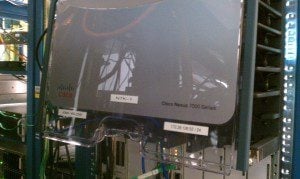
Yesterday was spent visiting the folks at Cisco, seeing again the Nexus 7000 (7010 and 7018) and watching the routing behemoths take the next step in data center networking. I’m writing up my observations for a review in eWEEK print and online at eWEEK.com. This is my second trip to San Jose to experiment with the Nexus giants.

The theme of my review is “how virtualization is changing networking.” Cisco is implementing LISP (Location ID Separation Protocol) to enable workload mobility while eliminating the need to re-number IP devices. I’ll do my best to explain LISP in the review, possibly taking a sidebar and a number of screens to illuminate what network managers should pay attention to in the technology. In a nutshell, the IP address is permanently assigned to the device (virtual or physical) and a location ID is used to locate the device in the network. This has positive implications for disaster recovery and workload migration to the public cloud.

LISP is still in early days and of course, you’ll need equipment that understands LISP. There’s more to come in my upcoming review and tech explainer.

And now it’s back to the salt mine!

Cameron Sturdevant

Cameron Sturdevant is the executive editor of Enterprise Networking Planet. Prior to ENP, Cameron was technical analyst at PCWeek Labs, starting in 1997. Cameron finished up as the eWEEK Labs Technical Director in 2012. Before his extensive labs tenure Cameron paid his IT dues working in technical support and sales engineering at a software publishing firm . Cameron also spent two years with a database development firm, integrating applications with mainframe legacy programs. Cameron's areas of expertise include virtual and physical IT infrastructure, cloud computing, enterprise networking and mobility. In addition to reviews, Cameron has covered monolithic enterprise management systems throughout their lifecycles, providing the eWEEK reader with all-important history and context. Cameron takes special care in cultivating his IT manager contacts, to ensure that his analysis is grounded in real-world concern. Follow Cameron on Twitter at csturdevant, or reach him by email at cameron.sturdevant@quinstreet.com.

eWeek Logo

eWeek has the latest technology news and analysis, buying guides, and product reviews for IT professionals and technology buyers. The site's focus is on innovative solutions and covering in-depth technical content. eWeek stays on the cutting edge of technology news and IT trends through interviews and expert analysis. Gain insight from top innovators and thought leaders in the fields of IT, business, enterprise software, startups, and more.

Property of TechnologyAdvice. © 2026 TechnologyAdvice. All Rights Reserved

Advertiser Disclosure: Some of the products that appear on this site are from companies from which TechnologyAdvice receives compensation. This compensation may impact how and where products appear on this site including, for example, the order in which they appear. TechnologyAdvice does not include all companies or all types of products available in the marketplace.