






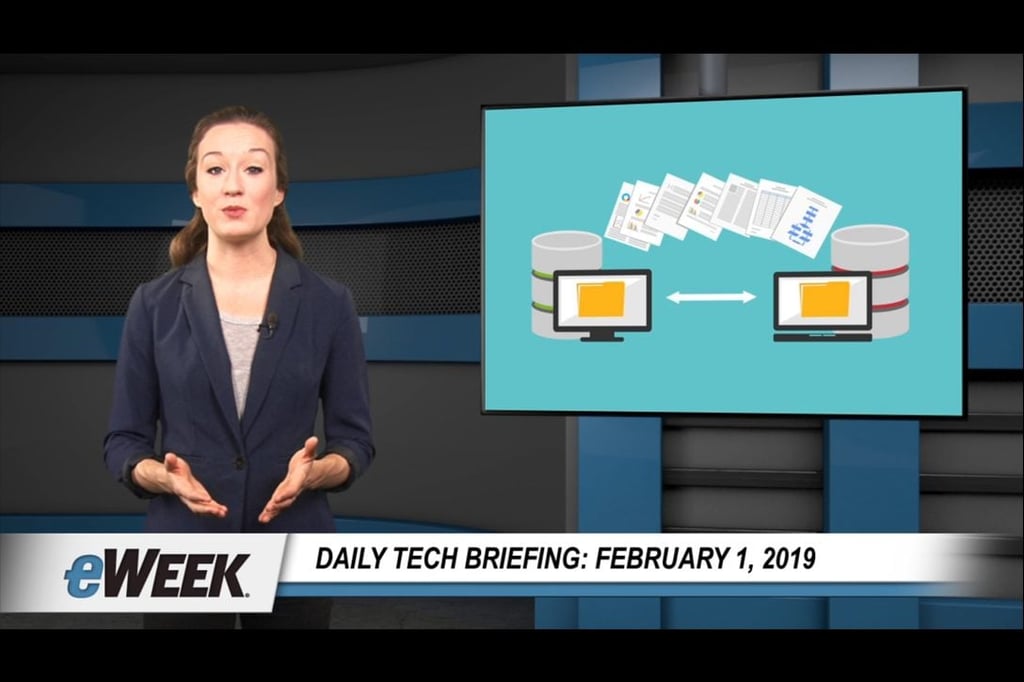


Today’s topics include Amazon Web Services launching AWS Backup, and Debian and PHP PEAR projects getting updated for application vulnerabilities.
As surprising as it sounds, Amazon Web Services, which has offered cloud storage since 2006, hasn’t provided a fully managed backup service—until now. AWS has launched AWS Backup, an automated, centralized backup service that enables businesses to back up their data across the AWS network and on-premises more efficiently.
AWS Backup gives enterprises a single point of control for configuring and auditing data stored in AWS resources and allows storage administrators to automate backup scheduling, set retention policies and monitor recent backup activity in one place. It features support for block storage volumes, databases and most file systems.
The app eliminates the need for users to create custom scripts or perform manual backup activities. With the AWS Management Console, users can create policies around backup frequency and data retention.
On Jan. 22, the Debian Linux distribution reported a vulnerability in its APT package manager that is used by end users and organizations to get application updates. That disclosure was followed a day later, on Jan. 23, with the PHP Extension and Application Repository shutting down its primary website, warning that it was the victim of a data breach.
PHP PEAR is a package manager included with many Linux distributions as part of the open-source PHP programming language binaries.
Debian is a popular Linux distribution and also serves as the base for multiple other Linux distributions, including Ubuntu. The Debian APT vulnerability is a remote code execution risk, in which attackers could inject malicious content in the HTTP connection, which would be recognized as valid content by end users and could enable code execution with root privileges.
The good news, however, is that no known compromises have been publicly reported and a patch for the issue is already available.