








- Google Gmail Has a Lot of Company on China’s Great Firewall Blacklist
- Google Won’t Play Ball
- Now Gmail Access Is MIA
- Twitter Is Banned Over Worries About Politically Sensitive Chatter
- China Sees Facebook as a Den of Rumormongers
- Blogspot Goes on the Blacklist in 2009
- China Blocks Instagram Photo Sharing
- Baidu Search Competitors Get Short Shrift
- WordPress Doesn’t Play Well in China Either
- Web Users in China Can’t Access YouTube Videos
- China Selectively Blocks Wikipedia and Other Wikimedia Content
Google Gmail Has a Lot of Company on China’s Great Firewall Blacklist
By Don Reisinger
Google Won’t Play Ball
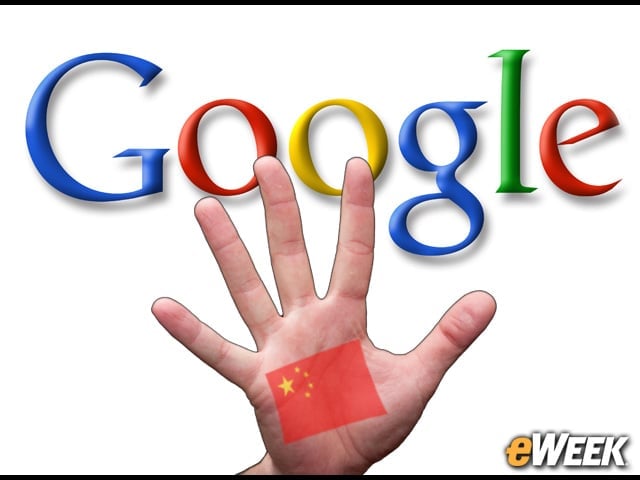
There was a time when Google was available in China. However, after the company was asked one too many times to censor results and abandon some of the core values it stood for, Google decided in 2010 to remove its service in the country before it could be banned outright. Access to all Google.com searches has since been scrubbed from China’s network.
Now Gmail Access Is MIA
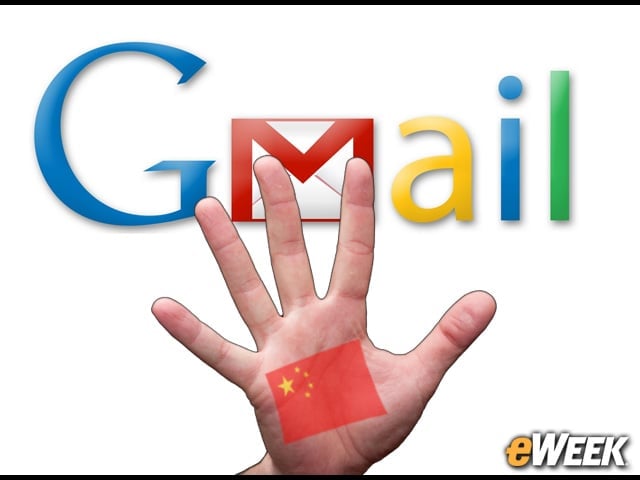
The actual blockade against Gmail occurred earlier this year, when the country decided that the email service should not be allowed, along with other platforms the company offers. For a while, access to Gmail was still available via third-party applications. However, in late-December, China banned those services, and now Gmail has gone dark within its borders.
Twitter Is Banned Over Worries About Politically Sensitive Chatter
Access to Twitter has been the subject of an ongoing debate in China. Dating back to 2009, China would ban the service whenever it anticipated a lot of chatter about sensitive political topics or events, such as the anniversary of the Tiananmen Square Massacre. However, China has officially banned Twitter now. Despite that, Twitter announced that it will open an office in Hong Kong in early 2015 in hopes of improving its relationship with the country next year.
China Sees Facebook as a Den of Rumormongers
Facebook has long been a target for access restrictions in China, despite the efforts of the world’s largest social network’s efforts to ease tensions with the Chinese government. Chinese officials have said in the past that Facebook is a place where its citizens are simply given the “ability to spread rumors,” which is a big no-no in the country. Unless Facebook can overcome that issue, it’s hard to see how the company will dramatically improve relations with the government.
Blogspot Goes on the Blacklist in 2009
Blogspot site has been banned in the country for years. Blogspot was banned starting in 2009 and has been on the blacklist after the government deemed it a potential breeding ground for rumor-mongering and the sharing of falsehoods. Uncontrolled blogging is a major issue for the Chinese government.
China Blocks Instagram Photo Sharing
Instagram might be one of the most popular image-sharing services in the world, but earlier this year, China decided to block the service after students started to protest in Hong Kong. Rather than allow for images of the protests to be shared publicly, the Chinese government reportedly banned Instagram to prevent the viral spread of such photos.
Baidu Search Competitors Get Short Shrift
Any Western company operating a service that could compete with China-based search giant Baidu is in deep trouble. An examination of a list of censored sites showed that everything that could compete with Baidu services, including search, mapping apps and cloud storage, has been blocked. China can always find convenient reasons to block the sites, but the truth is that the government wants to protect its favored domestic companies.
WordPress Doesn’t Play Well in China Either
If Google’s Blogger is blocked in China because it can provide a platform for people to share rumors and “falsehoods,” it’s perhaps no surprise that WordPress.com has also been censored. WordPress.com was blocked in 2011 for fear of rumor-mongering and hasn’t been seen since in China.
Web Users in China Can’t Access YouTube Videos
Given that China isn’t so fond of Google, it’s perhaps no surprise the company’s video-sharing site, YouTube, isn’t available to Chinese users. However, China has argued that the ban goes beyond ownership. China is strictly against the sharing of videos that, in some way, could criticize the government or support any protest movement. YouTube is, of course, rife with such content and much more, making it a big target for censorship by the Chinese government.
China Selectively Blocks Wikipedia and Other Wikimedia Content
It’s hard to pinpoint exactly how China feels about Wikipedia. Depending on the year (or perhaps even the day), the country could block the entire site, particular articles or nothing at all. As of this writing, all Wikipedia pages are accessible, but that can change at any time. China does not allow users to access images on Wikimedia sites.