








- 10 Milestones in Internet Explorer’s Storied History
- How It All Began
- Winning the Browser War With Netscape
- Web Standards? What Web Standards?
- Finally, IE Passes the Acid2 Test
- Security Issues Were Everywhere
- But the World Seemed Content
- The Competition Intensifies
- The Milestone Browser Ballot Ruling
- An Accelerating End to Support
- The Ultimate Death of Internet Explorer
10 Milestones in Internet Explorer’s Storied History
For years, Internet Explorer dominated the browser market. Now Microsoft is phasing it out in favor of Edge. Here’s a look at IE’s past.
How It All Began
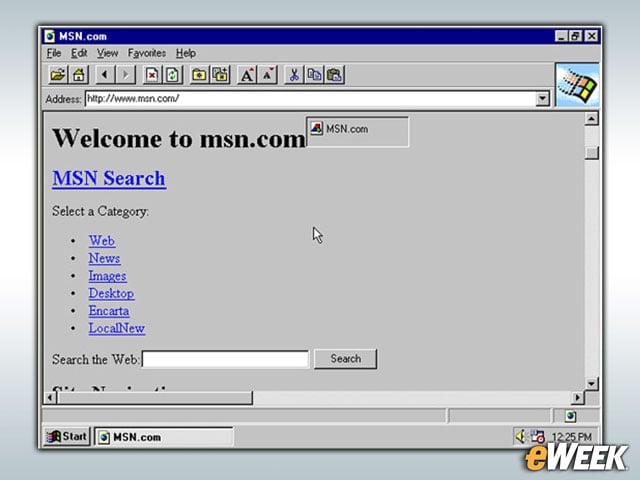
The Web browser was originally part of the add-on package called Plus! For Windows 95 in 1995. Later, of course, Internet Explorer would come standard with Windows versions, but if not for that initial booster pack, who knows what would’ve become of Internet Explorer?
Winning the Browser War With Netscape
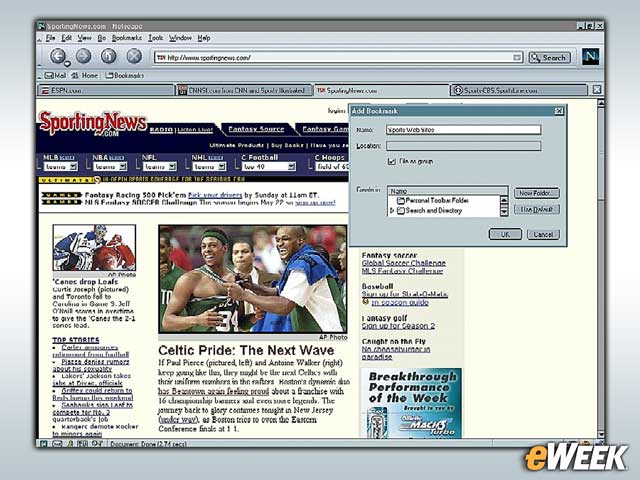
One of the hallmarks of Internet Explorer’s reign as the top Web browser was its victory over competing platform Netscape. While Netscape was the go-to browser in the 1990s, due in part to its bundling with Windows, as well as the enterprise’s heavy reliance on it, IE eventually won the race and eliminated Netscape as a competitor.
Web Standards? What Web Standards?
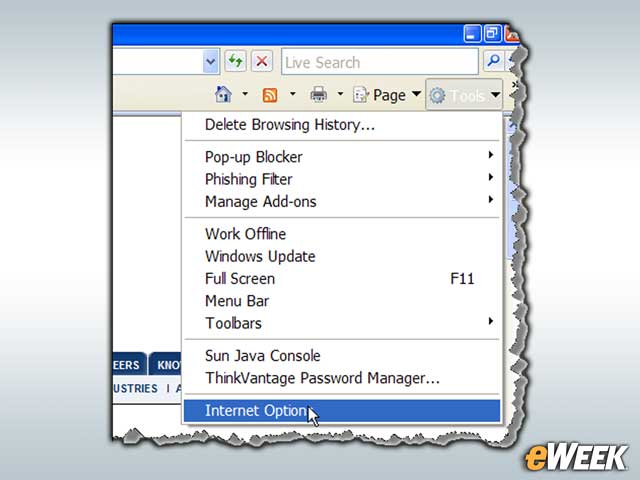
One of the most criticized aspects of Internet Explorer was that its earlier versions often lacked support for some of the Internet’s most important standards. Indeed, it wasn’t uncommon for some users to experience issues with IE’s Webpage rendering. Still, the lack of standards support did little to slow down its rapid adoption.
Finally, IE Passes the Acid2 Test
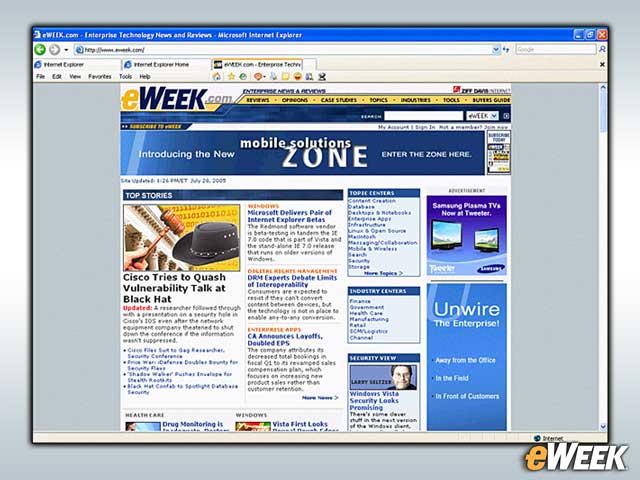
It wasn’t until version 8 that Internet Explorer, released in 2009, finally passed Acid2, at the time one of the foremost tests for Web standards. It was an important victory for Microsoft, which had been increasingly criticized for its lack of critical standards support. However, it’s worth noting that when put up to the Acid3 test, IE 8 fell short.
Security Issues Were Everywhere
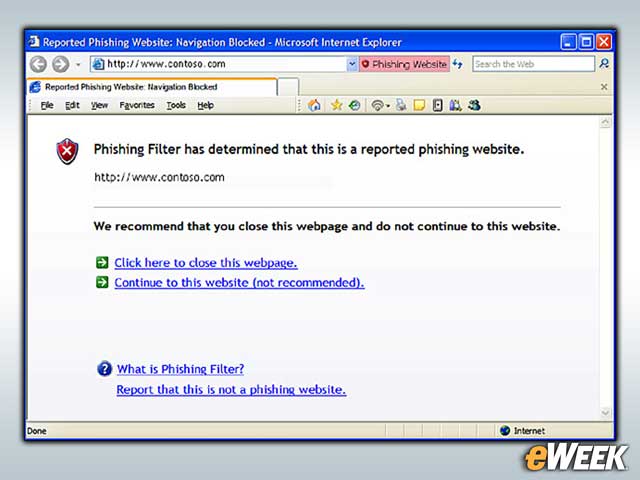
Although Microsoft has done a much better job in recent years of addressing security issues in Internet Explorer, that wasn’t the case with earlier versions of the browser. It wasn’t uncommon in the 2000s to see several major security updates patching problems that lived in the wild for far too long. The issue became such a problem that many industry experts suggested moving to another platform rather than run the risk of falling victim to IE’s security flaws.
But the World Seemed Content
Despite those calls to switch browsers, Internet Explorer was a favorite among both enterprise users and consumers. In fact, at one point in 2003, the browser nabbed an approximate 95 percent of the worldwide browser market. While that would be IE’s pinnacle, no other browser has since been able to garner that kind of support from consumers and business customers. And IE should be acknowledged for that accomplishment.
The Competition Intensifies
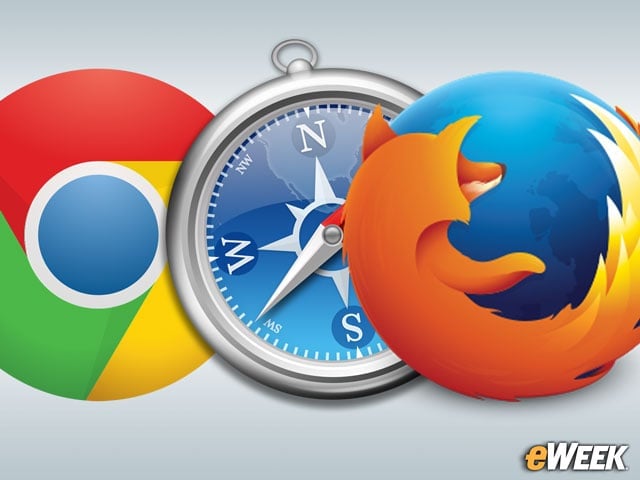
As the 2000s started to drag on, Microsoft once again faced serious competition in the browser space. Alternative browsers, such as Mozilla’s Firefox and Opera, were gaining momentum. Meanwhile, as Mac sales started to soar, Safari usage went up with it. Once Google joined the mix with its Chrome browser, it was clear that IE’s best days were behind it. And soon, the browser would lose its dominant share in the marketplace.
The Milestone Browser Ballot Ruling

Internet Explorer was the subject of an antitrust investigation in the European Union over whether Microsoft was acting fairly in competition with Firefox and Chrome. After an investigation, the EU in 2009 forced Microsoft to offer customers the opportunity to easily download an alternative browser rather than go with the built-in Internet Explorer. The feature, called the browser ballot, was controversial and was also an inflection point in Microsoft’s browser battles.
An Accelerating End to Support

Although it took Microsoft until 2014 to stop supporting some of its legacy Internet Explorer versions, such as IE 6, the company has since ended support of older versions in more rapid fashion. And on Jan. 12, Microsoft ended support for any Internet Explorer version before 11, all but forcing customers to either go to its latest software or face the possibility of malware attacks. Of course, Microsoft would like to see everyone move to Windows 10 and use its Edge browser, but that may not be possible in the near term.
The Ultimate Death of Internet Explorer
Finally, we are coming to the end. With the launch of Windows 10 last year, Microsoft signaled the death of Internet Explorer. The company has moved on to its Edge browser, leaving IE in the past. While IE will likely live on through legacy devices for the foreseeable future, for Microsoft, its own future is based in Edge. At least in Redmond, Wash., IE is quickly becoming a thing of the past.