







- 10 Ways Health IT Startups Are Evolving
- Infrastructure Market Leads in Total Funding
- Treatment and Engagement Also Big Draws
- Apple Watch Is an Engaging Wearable
- Successful Startups Combine All Market Segments
- Health Care Organizations Must Move With the Times
- Prep for Digital Disruption With Partnerships, Alliances
- Social Motivation, New Investment Models Driving Growth
- Funding for Health IT Expected to Rise
- There Is Still Much Work to Be Done
- The Key: Sophisticated Analytics
10 Ways Health IT Startups Are Evolving
By Nathan Eddy
Infrastructure Market Leads in Total Funding
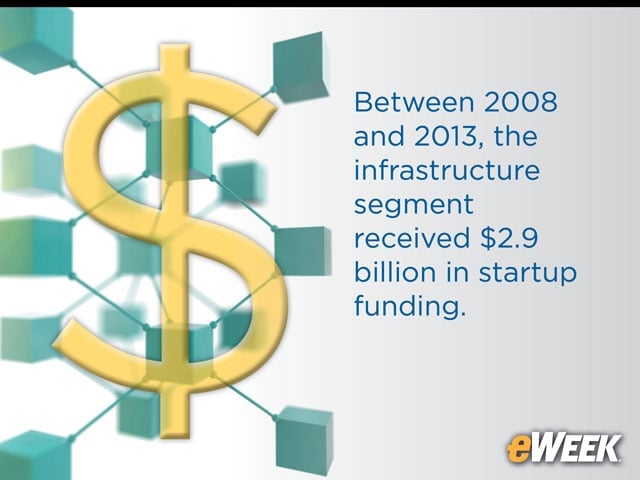
Accenture research identified four distinct market segments that have received startup funding between 2008 and 2013, with infrastructure, largely the bearer of regulatory mandates and incentives and including health analytics and interoperability solutions, as the leader with $2.9 billion in funding.
Treatment and Engagement Also Big Draws
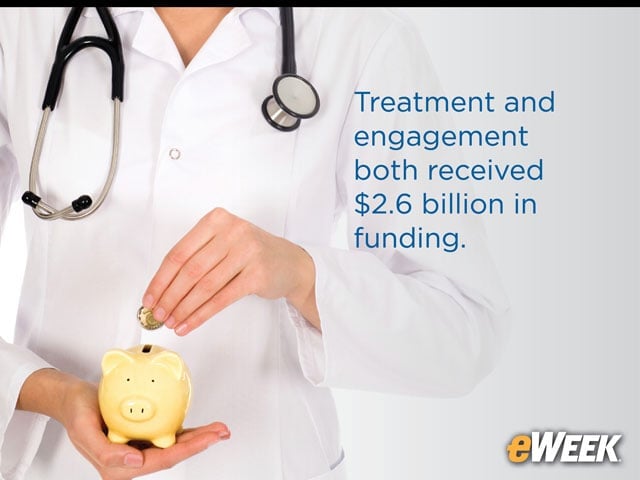
Treatment, which includes personalized medicine, virtual care, telehealth and care coordination, garnered $2.6 billion in funding as new alternative care channels are pursued. Engagement, which also received $2.6 billion in funding, includes wearables, incentive programs and other patient engagement solutions that target behavioral change.
Apple Watch Is an Engaging Wearable
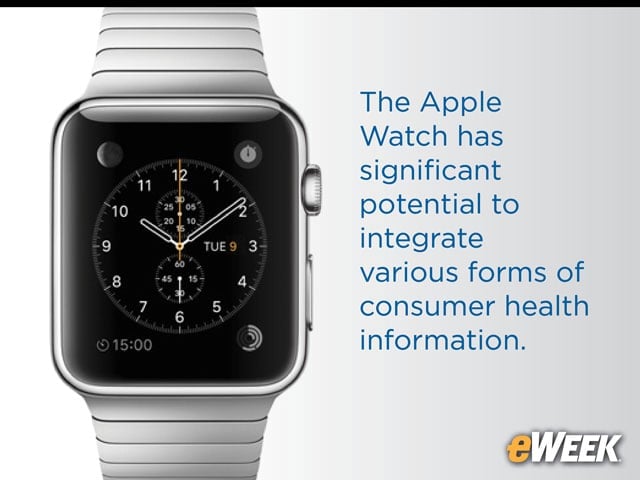
When it comes to wearables, the Apple Watch is unique because of its broad consumer base, Accenture’s Dipak Patel said. While the device is not a game-changer by itself, the platform and infrastructure behind it offer significant potential to integrate various forms of consumer health information, he added.
Successful Startups Combine All Market Segments
The fourth market segment, diagnosis, captured $2.1 billion in funding. This rapidly growing segment includes clinical and consumer tools—such as remote monitoring—that provide insight. The study noted that through 2017, standout organizations—and their applications—will succeed by linking capabilities across all four segments.
Health Care Organizations Must Move With the Times
The report warned that traditional health care organizations must develop ways to be relevant to the new health consumer. They can do this by encouraging and embracing, rather than resisting, digital health care startups, by, for example, establishing external research and development arms through ventures and accelerators and by acquiring startups for talent.
Prep for Digital Disruption With Partnerships, Alliances

Payers, providers, IT vendors, life sciences, pharmaceuticals and industry newcomers will need new strategies to respond to inevitable digital disruption, the report cautioned, and health care leaders will also need to modify business objectives while establishing structures to efficiently and effectively identify, test and prove clinical applications. In addition, all stakeholders will face increased pressure to cultivate a diverse ecosystem of partnerships and alliances.
Social Motivation, New Investment Models Driving Growth
Five key drivers are sparking business opportunities and digital health startup funding: health care system waste, the blending of physical objects with digital technology, industry newcomers, new investment models and social motivation. To varying degrees, these drivers will continue to fuel the acceleration of digital health funding, ultimately disrupting the industry, the report noted.
Funding for Health IT Expected to Rise
According to Patel, funding for health IT startups will to continue to increase. He said evolving consumer expectations coupled with Meaningful Use guidelines have triggered substantial demand for digital health capabilities, and these market drivers will continue to accelerate as digital health solutions gain widespread adoption and grow in sophistication.
There Is Still Much Work to Be Done
Patel cautioned that there are several important challenges to be addressed before these technologies become mainstream and are widely leveraged by the health care system. One of the biggest challenges that the industry must overcome is integrating the data these technologies collect into the health care model and making it usable and interpretable for physicians and providers.
The Key: Sophisticated Analytics
Because these devices collect so much information, sophisticated analytics will be needed to make the information understandable in a clinical setting, according to Patel. Even if providers can get a patient’s heartbeat 24/7, they still need analytic insights to determine if something isn’t right and be able to monitor and analyze trends that are occurring over a period of time—and in real time.