








- Bringing Home That First Mobile Phone: Smart Tools for Parents, Kids
- At What Age Should a Child Have a First Phone?
- Mobile Tools for Parents
- Communicate Offline, Too
- The Safely Family of Apps
- AT&T Mobile Safety
- Prepaid or Family Plan?
- Family Plans on the Top Carriers
- Three Lines, $90 a Month
- Family Data Shares
- Sprint’s Unlimited Offer
- Texting, Data, Games, Videos
- Contracts—the Other Kind
Bringing Home That First Mobile Phone: Smart Tools for Parents, Kids

By Michelle Maisto
At What Age Should a Child Have a First Phone?
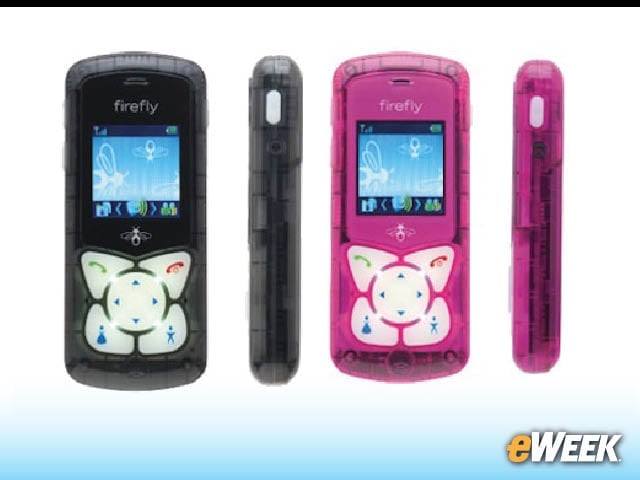
According to a study AT&T commissioned from GfK, the average age that kids receive their first mobile phone is 12. Among kids who have a phone, 34 percent have a smartphone. (The Firefly glowPhone, shown here, is a simple phone for very young kids that works with any GSM SIM card.)
Mobile Tools for Parents
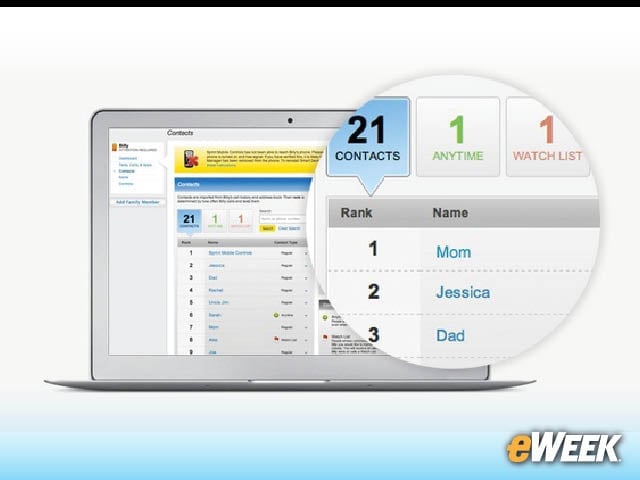
A majority of parents in the survey (62 percent) expressed concern about not being able to fully monitor all that their children can see and do on their phones. All the major carriers, however, offer online tools for parents. Analysts suggest it’s best to be up front about these. (Credit: Safely)
Communicate Offline, Too
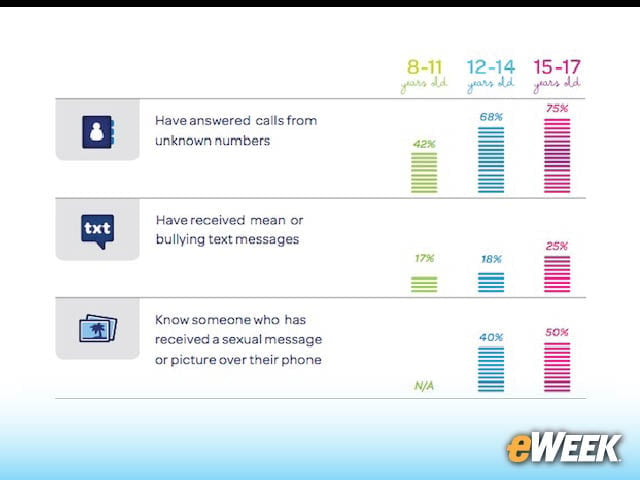
Keeping an open dialogue can also help keep your kids safe. GfK said 90 percent of kids believe it’s OK for parents to set rules regarding the phone. More than half (53 percent) said they’d ridden with someone who was texting and driving, and 22 percent said they’ve been bullied via text message.
The Safely Family of Apps

Safely partners with most of the major carriers to offer four key apps: Phone Controls, which lets parents set parameters for calling and texting; Family Locator, which finds phones on a map; and Drive Safe and Safely Go, which help to keep young drivers from being distracted.
AT&T Mobile Safety
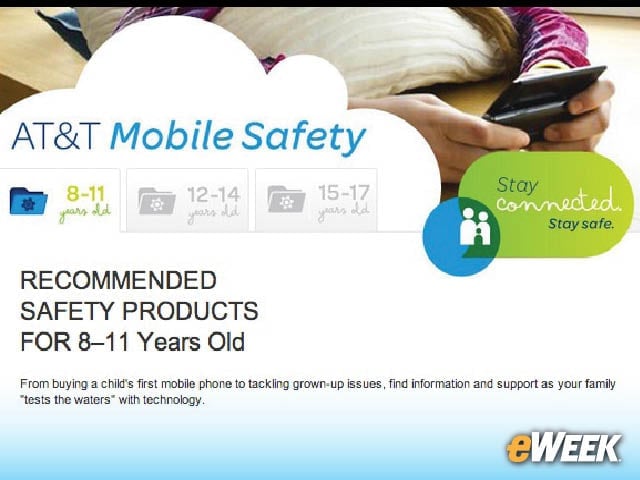
AT&T offers perhaps the most extensive set of tools for parents and young users, even breaking the offerings down by age category. For 12 to 14 year olds, options include insurance on loss, theft or damage and a free Purchase Blocker app to prevent game and app purchases.
Prepaid or Family Plan?
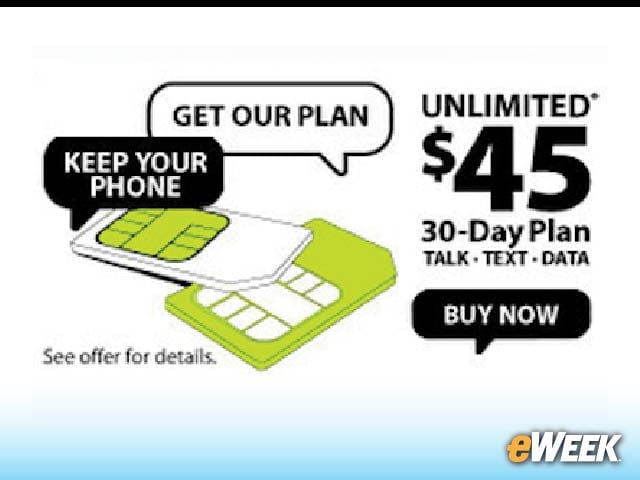
For some young users, parents may prefer a month-to-month prepaid plan. These often allow users to sign up and bring their own phones (often hand-me-downs from parents). Consumer Reports has given high ratings to Walmart’s Straight Talk Wireless brand, which offers an unlimited talk, text and data plan for $45 a month. Talk-and-text-only plans can be had for a fraction of that.
Family Plans on the Top Carriers
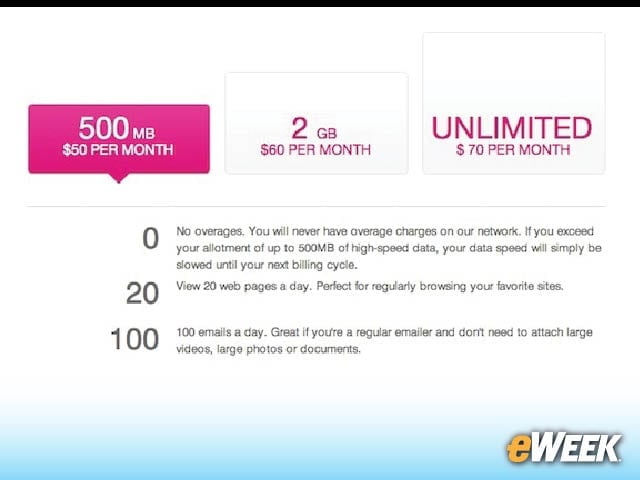
T-Mobile offers the most modest portfolio of tools for parents, but it’s by far the least expensive of the top-four carriers. Subscribers can choose from data allotments of 500MB, 2GB or unlimited data each month.
Three Lines, $90 a Month
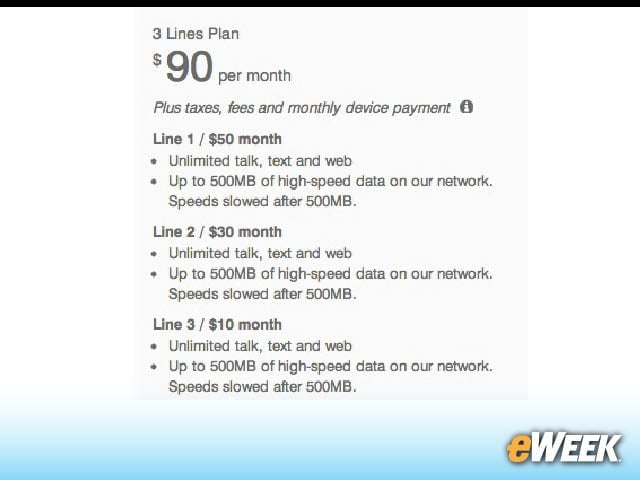
In the most conservative scenario, T-Mobile’s Family Plan will support three smartphones, each with 500MB of data and unlimited talking and texting, for a total of $90 per month.
Family Data Shares
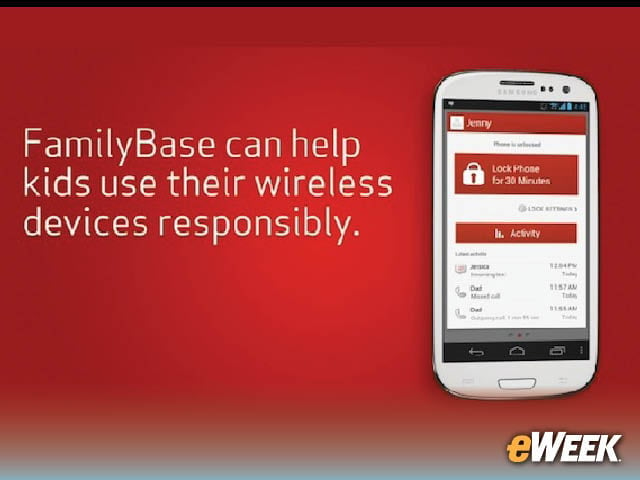
AT&T and Verizon both charge for a data allotment shared between devices, plus the cost of the type of the device connected to the network. Data aside, Verizon charges $30 for a feature phone and $40 for a smartphone. AT&T adjusts its per-device pricing based on the amount of data purchased. Family Base is a Verizon tool similar to AT&T’s Smart Limits.
Sprint’s Unlimited Offer
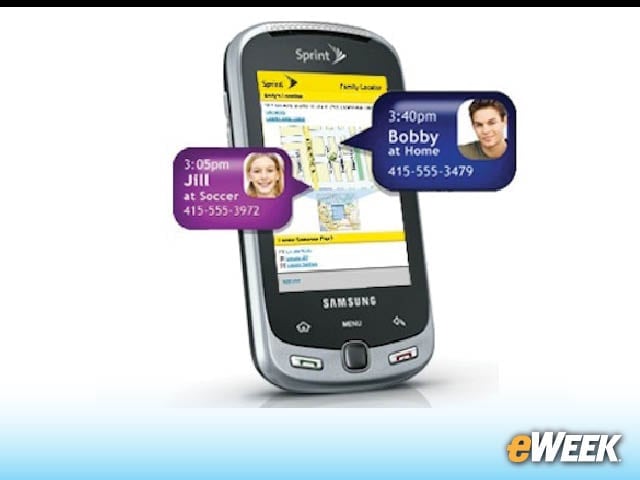
For those who don’t want to worry about data limits, Sprint offers unlimited data for $30 a month, not including the cost of the device. Three smartphones, each with unlimited high-speed data, calling and texts, is $180 a month—about the same amount that three users with smartphones would pay to share 2GB of data per month on AT&T or Verizon.
Texting, Data, Games, Videos
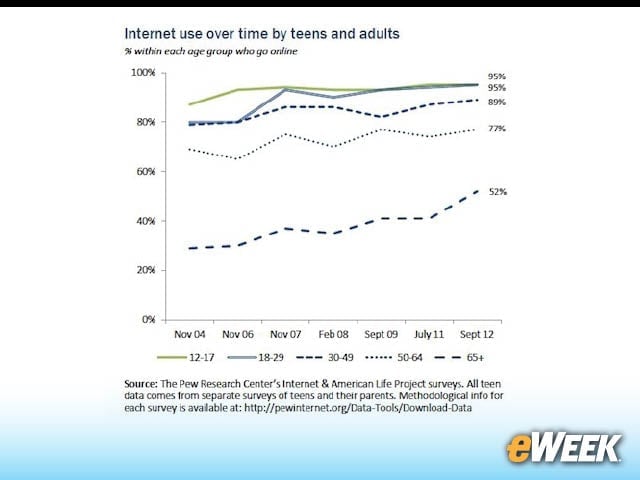
While it used to be calls that drove up phone bills, today it’s texting and data usage. A 2012 Pew Internet study found teenage girls send and receive a median of 100 texts per day. A 2013 Pew study, “Teens and Technology,” said 25 percent of teens said they mostly access the Internet via their phones; among older teen girls with smartphones, that figure jumped to 55 percent.
Contracts—the Other Kind
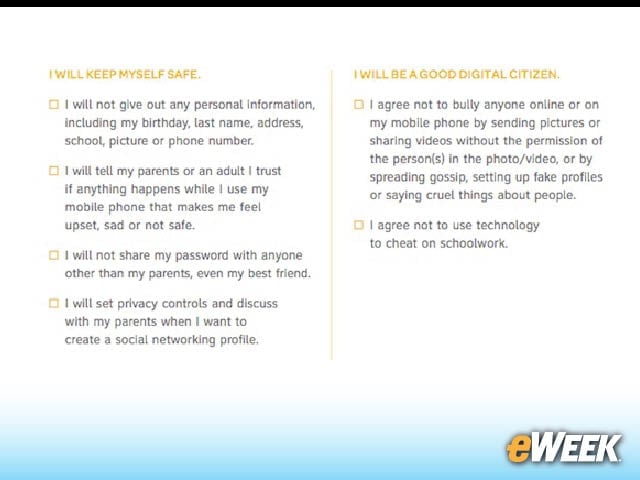
Safely.com offers a “Family Phone Agreement” that lays out some good-sense rules. AT&T does, as well. It includes things like promising not to give out personal information or share passwords and to tell parents about “creepy messages from people I don’t know.”