







- Design Matters
- The Mainstream Cares
- Price Is Only So Important
- There’s Nothing Wrong With Pushing the Envelope
- Brand Loyalty Is Vastly Important
- Consumers Don’t Necessarily Know What They Want
- Markets Can Be Created
- Even the Biggest Firms Can Be Toppled
- No Company Can Be Counted Out
- Technology Is a Necessity
Design Matters
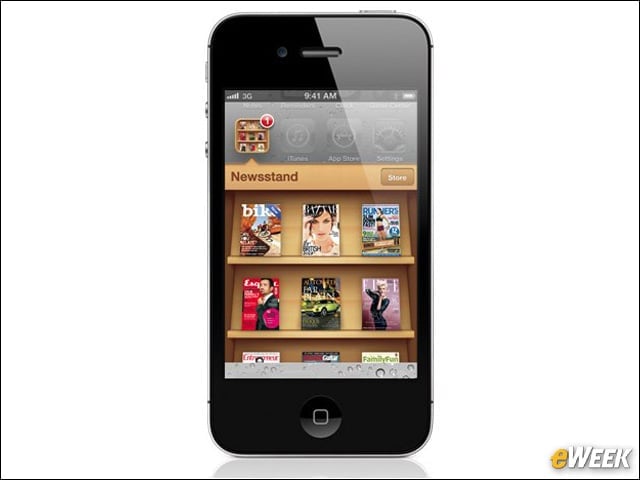
Before Jobs brought his brand of design to the technology world, so many other companies were offering drab devices to consumers. And customers were forced to accept that. But over the years, Jobs made design a top priority in his strategy and in the process delivered some of the best-looking devices the technology industry has ever seen.
The Mainstream Cares

For years, the technology space was viewed as a niche industry filled with geeks. But Jobs changed all that. He brought gadgetry to the mainstream by putting in their hands devices like the iPod, iPhone, and the iPad. Now, consumers have discerning eyes in the kind of quality they want to see in neat products, and much of that is due to Jobs contributions.
Price Is Only So Important
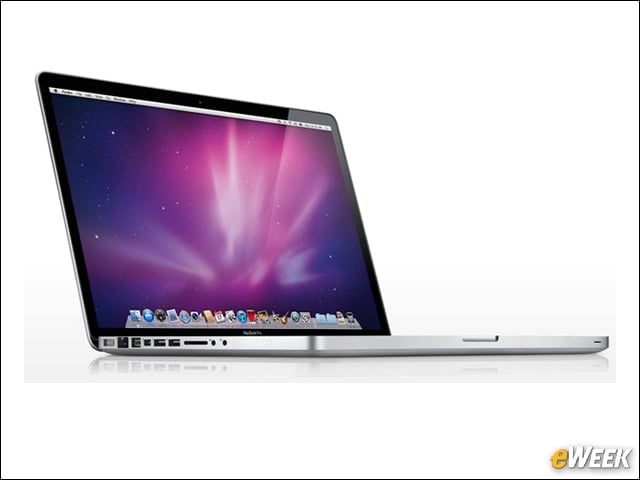
Its often said that the lower the price, the more demand a product will have. In some cases, thats absolutely true. But for Apple, pricing was only so important under Jobs. Sure, he didnt want to overprice his devices, but he did want them to come with a premium price tag. After all, he reasoned, people were buying premium products, so they should pay a premium price. They did. Now Apple is one of the worlds largest companies because of it.
There’s Nothing Wrong With Pushing the Envelope
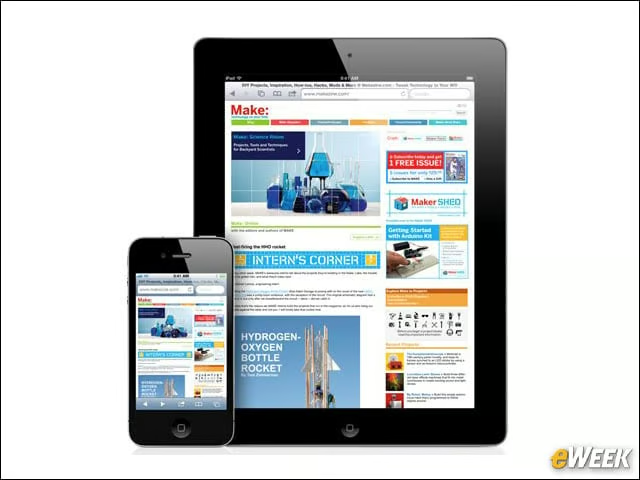
Too often, companies in the technology industry like to play it safe. Microsoft is perhaps the best example of that. Instead of trying to innovate beyond what has already been done, companies like Microsoft simply improve existing products every so often, but fail to really impress their customer base. Jobs, on the other hand, wanted no part of that. He wanted each of his companys products to push the envelope in some way and give people what they really wanted. Luckily for all of us, he succeeded.
Brand Loyalty Is Vastly Important

One of the key reasons Jobs was so successful over the years was that he cultivated a loyal brand following. He knew how important it was to have a cult-like following for his company, and he did everything he could to keep it as strong as possible. Those followers viewed Jobs as their infallible leader. Now, every other company in the industry is trying to find a way to build a level of brand loyalty that Apple currently enjoys because of Jobs.
Consumers Don’t Necessarily Know What They Want
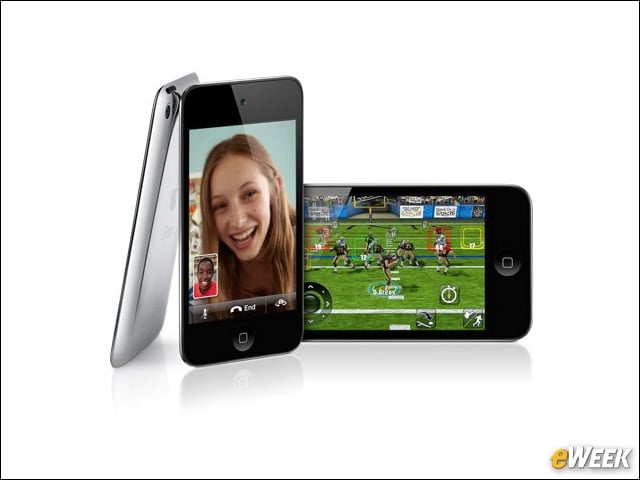
Jobs made decisions based around the idea that consumers didnt know what they wanted until can actually see it and hold it in their hands. Jobs say that it was his job (and Apples) to give them those things that they really needed. So, when most folks were using the Walkman, he gave them the iPod. When they were using outdated, boring feature phones he offered up the iPhone. When consumers got bored with standard laptops, he delivered the iPad. Its a lesson too many other companies forget.
Markets Can Be Created
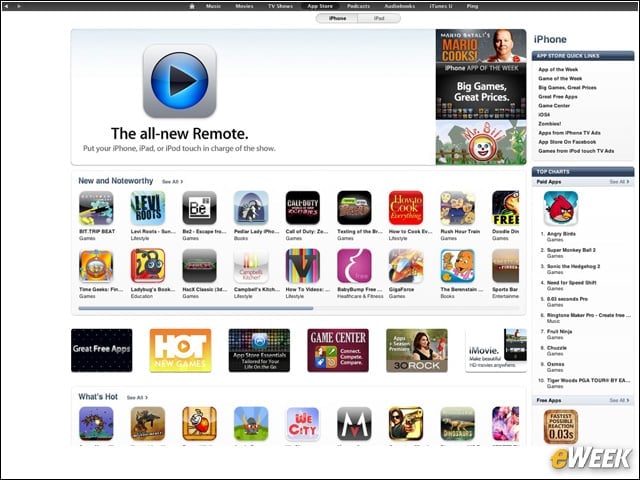
Its often believed that within a long-established industry, its very difficult to carve out an entirely new market. But Jobs did it several times in the technology industry. He made the purchase of digital music commonplace around the world and made both consumers and software developers want to see digitally delivered applications become the norm. He also made the tablet space what it is today. The goal of all other chief executives should be to follow Jobs lead and find a way to create new markets.
Even the Biggest Firms Can Be Toppled
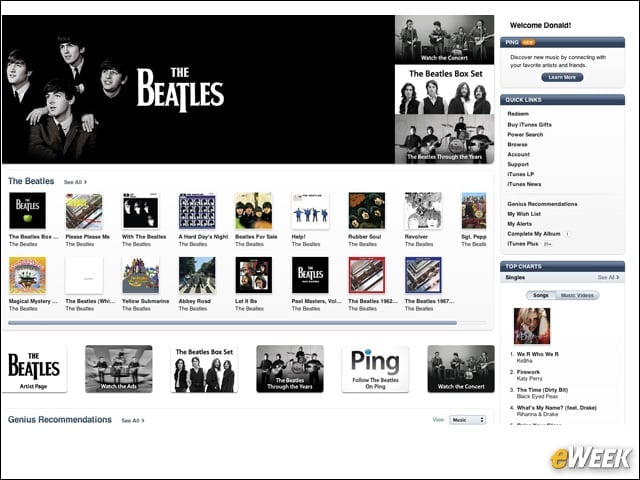
When Jobs delivered iTunes to the world, there was some speculation that he wouldnt be able to go up against the music industry, which was concerned about the onslaught of digital media. But in just a few short years, he proved all those detractors wrong and in the process crushed the power of the music companies. He did the same in the smartphone space. That market was once dominated by carriers, but thanks to Jobs, handset makers have the upper-hand now. Jobs showed that the right marketing strategy can topple the most entrenched competitor that he went up against.
No Company Can Be Counted Out
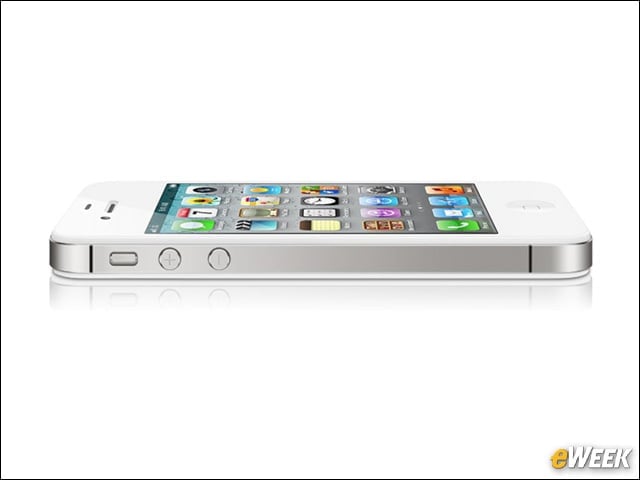
When Jobs came back to Apple, the company was on its last leg. Shareholders had already left the firm and just about everyone thought it had no future. But with each passing years, things improved at Apple as Jobs implemented a strategy that has become one of the most celebrated in the industry. Jobs single-handedly proved that no matter what challenge the company faced designing and selling elegant products that consumer had to have would return a troubled company back to healthy growth.
Technology Is a Necessity

There are several companies that have proven integral to the widespread adoption of technology products today. But its Jobs that has made those devices a necessity in the lives of many people. The iPod is the go-to music player, the iPhone the highly-prized smartphone. Apples iPad is the most appealing tablet. All of those devices, in addition to Macs, have become necessities for people to stay in touch with friends, get work done, and perform so many other activities.