








- PuzzlePhone Aims to Entice Smartphone Buyers With Modular Design
- Let’s First Understand What Modularity Is
- PuzzlePhone Has Three Basic Modules
- The Handset Runs on Android
- Externally PuzzlePhone’s Design Looks Dated
- The Brain Is an ARM Octa-Core Processor
- This Won’t Be the Thinnest Device Available
- The Connectivity Options Are Solid
- PuzzlePhone Claims Its Design Is ‘Future-Proofed’
- PuzzlePhone Gets the Indiegogo Funding No Matter What
- What Does It Cost and When Will It Ship?
PuzzlePhone Aims to Entice Smartphone Buyers With Modular Design
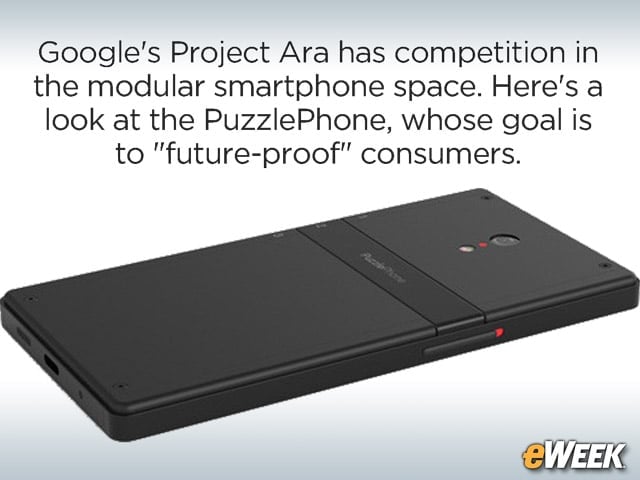
Google’s Project Ara has competition in the modular smartphone space. Here’s a look at the PuzzlePhone, whose goal is to “future-proof” consumers.
Let’s First Understand What Modularity Is
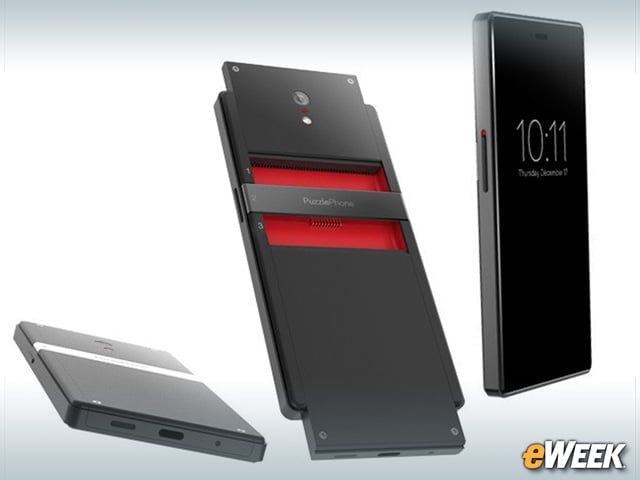
The modular smartphone is a concept that hasn’t caught on yet in the mobile market. A modular design would allow smartphone owners to update their handsets simply by plugging in new components rather than replacing the entire device. The proponents of modularity, such as PuzzlePhone, believe modularity is the future. Others, such as Apple, do not.
PuzzlePhone Has Three Basic Modules
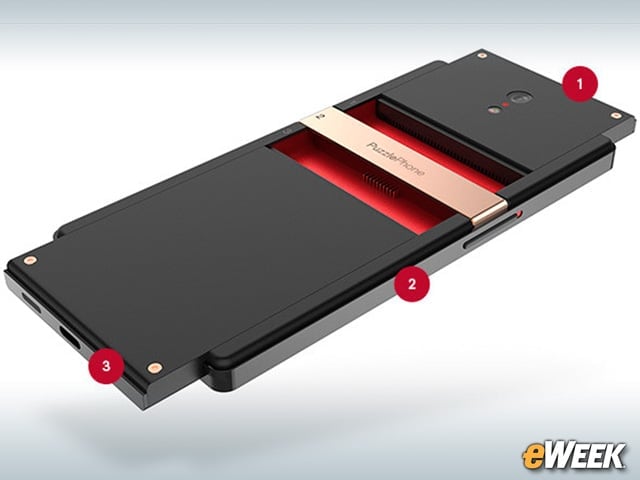
The PuzzlePhone has three basic components that the company calls the “brain, heart and spine.” The brain module contains the “main electronics,” including the CPU, GPU, RAM and camera. The spine keeps the device’s screen in place, which means a cracked display can be easily swapped out. The heart comprises the battery and other components such as sensors and other options that consumers may desire.
The Handset Runs on Android

While the hardware built into the PuzzlePhone can be upgraded without much trouble, it comes with the standard build of Android Marshmallow. It’s unclear how well PuzzlePhone will perform operating system upgrades as patches and updates are made available, but considering the company’s endorsement of modularity, it would seem that it would be diligent about providing timely software updates.
Externally PuzzlePhone’s Design Looks Dated
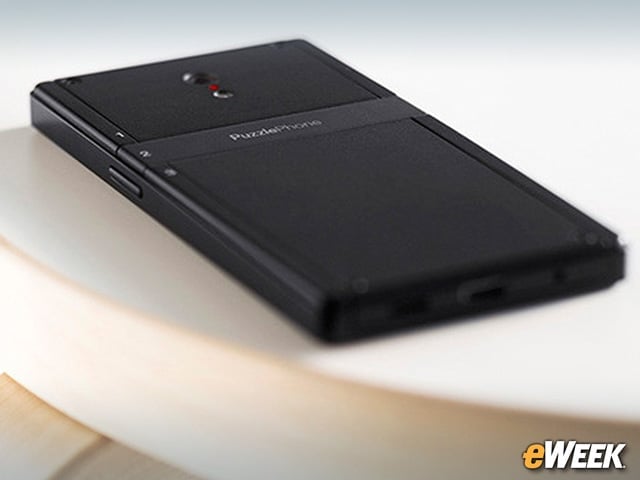
The PuzzlePhone’s design is arguably its weakest point. The device comes with a rather stale design that makes it feel like an older device than it really is. Part of the problem is its size, but the basic issue is that the handset is a typical flat rectangle with no embellishments to catch the eye.
The Brain Is an ARM Octa-Core Processor
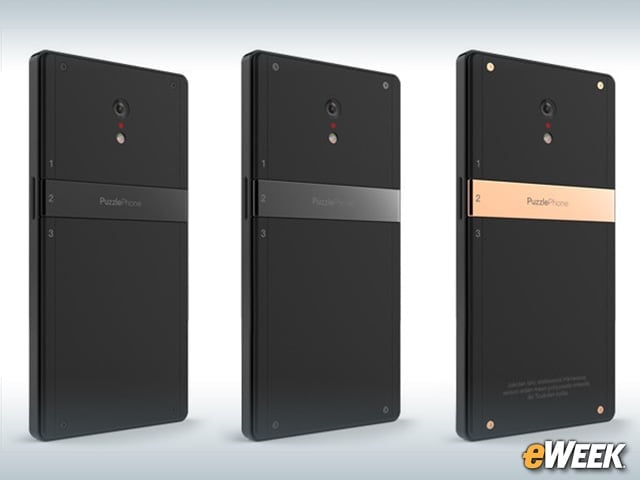
Since the CPU can be upgraded with future plug-in components, it’s important to note that the processor the PuzzlePhone will ship with won’t necessarily be its last. The device comes with an octa-core, 64-bit processor built with ARM architecture. PuzzlePhone hasn’t provided much insight into its power or clock speed, but it sounds like a suitable option for most customers.
This Won’t Be the Thinnest Device Available
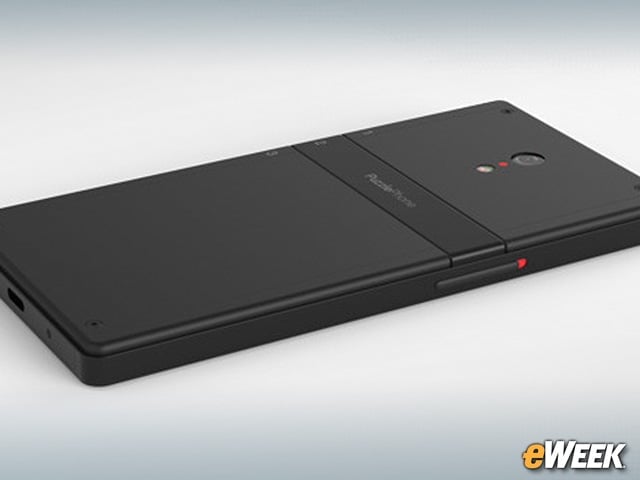
One of the drawbacks of modular devices is that they tend to be thicker than the latest smartphones. Users need to be able to plug in components, and those components tend to be a bit thicker. The PuzzlePhone is 8.9mm thick, which is notably thicker than current smartphones on the market. The iPhone 6s, for example, is 7.1mm thick and the larger iPhone 6s Plus is 7.3mm thick.
The Connectivity Options Are Solid
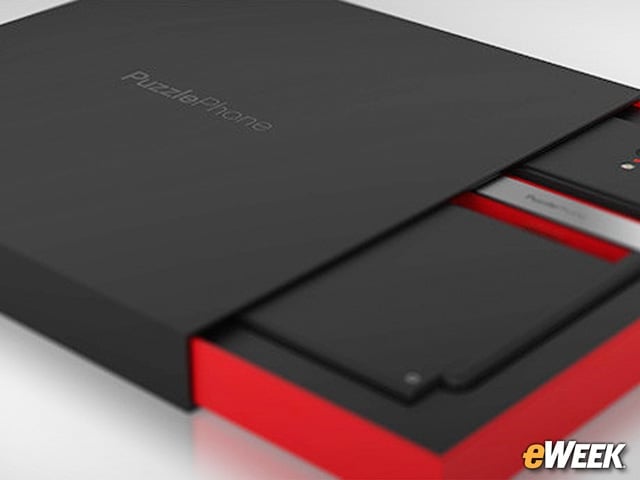
PuzzlePhone says that the smartphone will “future-proof” consumers who decide to buy it. Whether that’s true will ultimately depend on the components that the company will deliver after the initial sale. If PuzzlePhone does well, it’ll start to sell upgraded components to plug in. If the company fails to grow steadily, however, it’s unlikely that the company will develop many (if any) components, leaving the PuzzlePhone in its original state.
PuzzlePhone Claims Its Design Is ‘Future-Proofed’
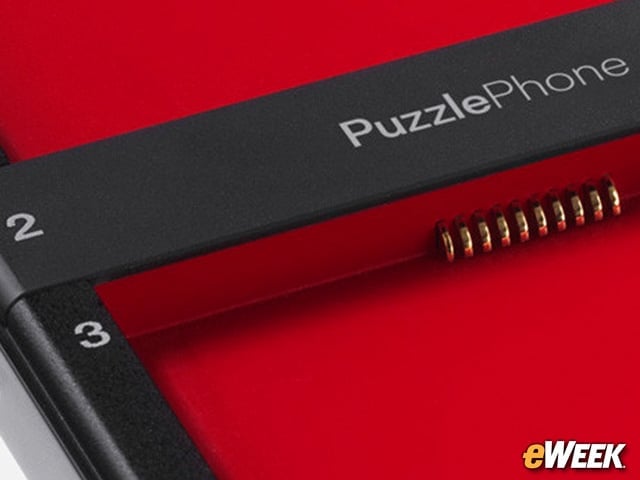
PuzzlePhone says that the smartphone will “future-proof” consumers who decide to buy it. Whether that’s true will ultimately depend on the components that the company will deliver after the initial sale. If PuzzlePhone does well, it’ll start to sell upgraded components to plug in. If the company fails to grow steadily, however, it’s unlikely that the company will develop many (if any) components, leaving the PuzzlePhone in its original state.
PuzzlePhone Gets the Indiegogo Funding No Matter What
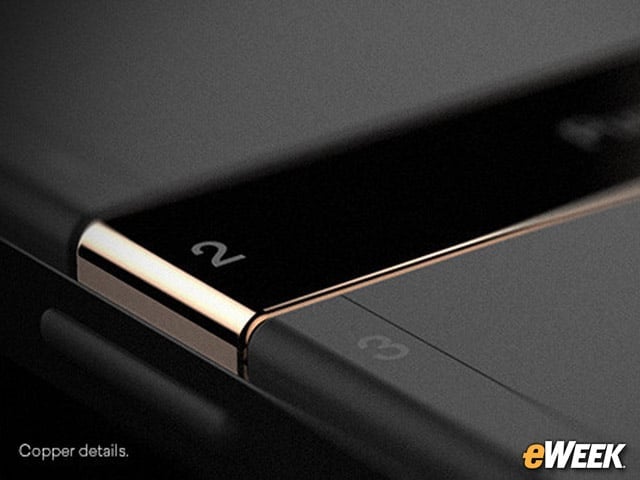
In many crowd-funding campaigns, the only way for the company to actually get the cash donated by fans is to collect the desired amount in donations. PuzzlePhone, however, is using what’s called a “flexible funding” campaign. That means the company will collect every dime that is donated, regardless of whether it hits its $250,000 goal. That would also mean that all donors who contribute to the campaign should get a device, as long as PuzzlePhone is initially successful in producing enough devices.
What Does It Cost and When Will It Ship?
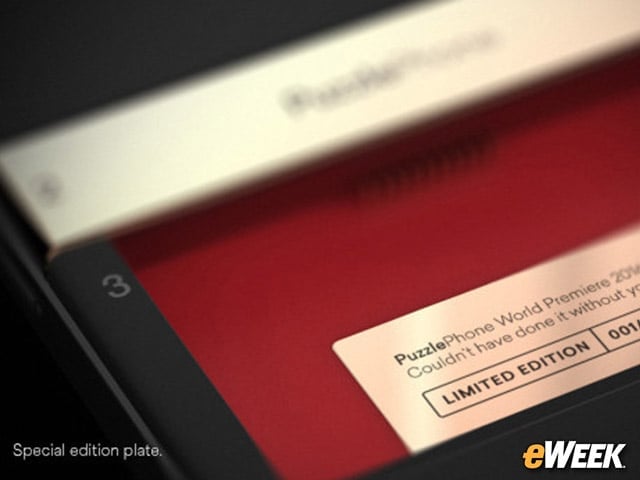
The PuzzlePhone’s pricing will vary, depending on the storage size customers choose. The 32GB option, for instance, will sell for $667, while the 64GB version will be available for $779. Those who back the device, however, will get a discount, depending on the version they choose. The smallest version goes for $333. PuzzlePhone hopes to launch the device in September 2016, but that assumes it raises the funds to start production.