








- The Pros and Cons of the Proposed AT&T-DirecTV Merger
- AT&T Wants to Become Bigger and Bigger
- DirecTV Shareholders Will Get Some Cash and Some Stock
- It’s a Preservation Move
- AT&T Can Provide an All-in-One Experience
- NFL Sunday Ticket Plays a Crucial Role
- It’s a Play Against Time Warner Cable and Comcast
- It Will Help AT&T Make Program Licensing Deals
- AT&T Says the Deal Will Allow It to Offer Internet Service
- AT&T Says It Will Uphold Network Neutrality—for Three Years
- It’ll Take Time to Get Regulatory Approval
The Pros and Cons of the Proposed AT&T-DirecTV Merger
By Don Reisinger
AT&T Wants to Become Bigger and Bigger
It’s been AT&T’s goal for years to be a bigger, more prominent player in the telecommunications field. The company at one time had hoped to acquire T-Mobile USA, but that deal was blocked during the regulatory review process. Now it’s making a big play for DirecTV to expand its offerings in the television business. It appears that size really matters to AT&T, especially as it considers the competitive landscape in the broader communications market.
DirecTV Shareholders Will Get Some Cash and Some Stock

So, how will the deal be structured? According to AT&T, DirecTV shareholders will receive $95 per share, which consists of $28.50 in cash and the remaining $66.50 in AT&T stock. The deal itself has a full equity value of $48.5 billion and a total transaction value of $67.1 billion. However, the latter figure includes DirecTV’s debt, which would be paid off as part of the deal.
It’s a Preservation Move

This is a move on AT&T’s and DirecTV’s parts to preserve and expand their businesses. As recent studies have shown, a small but rapidly growing contingent of people have dropped television service altogether to just use streaming services. By combining forces, AT&T believes that it can use economies of scale to help preserve DirecTV’s satellite television business. Bundled services that include phone service might also come into play.
AT&T Can Provide an All-in-One Experience
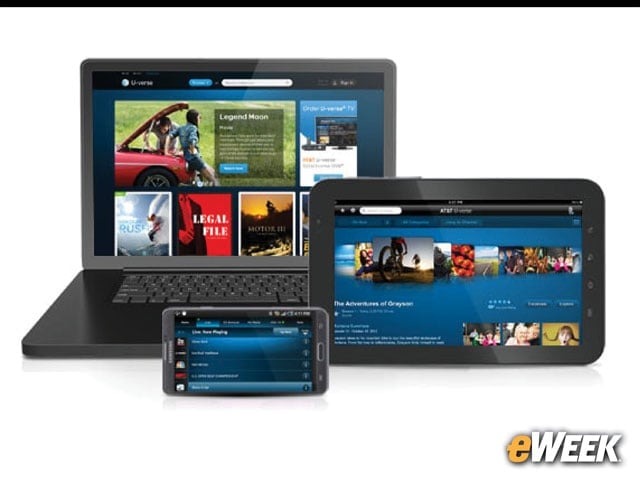
If the deal goes through, it’s likely that customers will soon have an AT&T all-in-one bundle to try out. AT&T will offer packages that include wireless phone service, satellite television and Internet. The sheer number of bundle possibilities might be hard to sort through, but they are undoubtedly something some customers would like to see.
NFL Sunday Ticket Plays a Crucial Role
The importance of NFL Sunday Ticket to this deal is massive. According to the fine details in the deal, DirecTV’s exclusive contract with the National Football League to air all games ends in 2014. If DirecTV cannot extend that deal, AT&T would have the right to back out. One can bet DirecTV will be taking its NFL negotiations very seriously in the coming months.
It’s a Play Against Time Warner Cable and Comcast
The home television and Internet market is consolidating to survive. As noted, consumer preferences are changing, and the proposed merger of Comcast and Time Warner Cable presents a serious challenge to DirecTV. By merging with DirecTV, AT&T can field a strong competitor to the combined Time Warner Cable and Comcast and potentially give customers an attractive option if they don’t want to work with the massive Comcast in a post-merger world.
It Will Help AT&T Make Program Licensing Deals
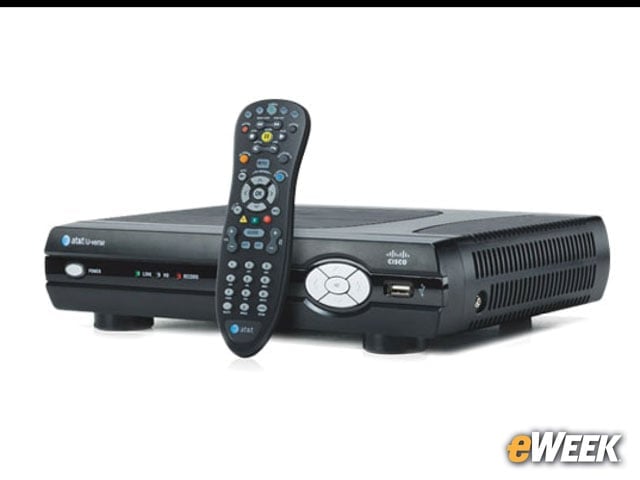
Let’s not forget that AT&T has TV service already. The company’s U-Verse offering has about 5 million subscribers, which has proved to be both a virtue and a curse. Having that many subscribers makes AT&T relevant, but it also makes it hard to sign program licensing deals. By adding DirecTV’s 38 million customers around the world, AT&T now has a much stronger position from which it can take on licensing deals.
AT&T Says the Deal Will Allow It to Offer Internet Service
Part of AT&T’s commitment to get the deal done and allay regulator fears rests in its ability to provide more and better service around the U.S. AT&T has said that it will bring its fiber Internet service to two million more customers and expand its wireless local loop technology to rural areas to give those customers access to the Web.
AT&T Says It Will Uphold Network Neutrality—for Three Years
For Internet customers worried about preserving network neutrality, AT&T has tried to resolve some of the questions it will likely receive by saying that it will guarantee a free and open Internet for three years after the deal closes. That’s good news for users, but it begs the question: What happens after those three years are up?
It’ll Take Time to Get Regulatory Approval

It’ll be awhile before AT&T and DirecTV can claim victory. First off, DirecTV needs to get its deal done with the NFL. Meanwhile, the companies will need to work with each other to get through congressional hearings and obtain the “OK” from regulators in countries in which they operate. AT&T says it’ll take about a year to get the deal done, but don’t be surprised if it takes longer.