








- Wearable Devices: 8 Myths Debunked
- Myth 1: Wearables Are Just Another Smartphone Form Factor
- Myth 2: Consumers Will Quickly Embrace Wearables
- A Matter of Aesthetics
- Myth 3: Wearable Devices Are Stand-alone Products
- Myth 4: This Is Something New
- Myth 5: Wearables Will Remain a Niche Market
- Myth 6: Being First to Market Is a Can’t-Miss Formula
- Myth 7: Power Consumption, Battery Life Won’t Be Big Deals
- Early Nudges for the Wireless Charging Market
- Myth 8: Wearable Devices Are Secure
Wearable Devices: 8 Myths Debunked
by Michelle Maisto
Myth 1: Wearables Are Just Another Smartphone Form Factor
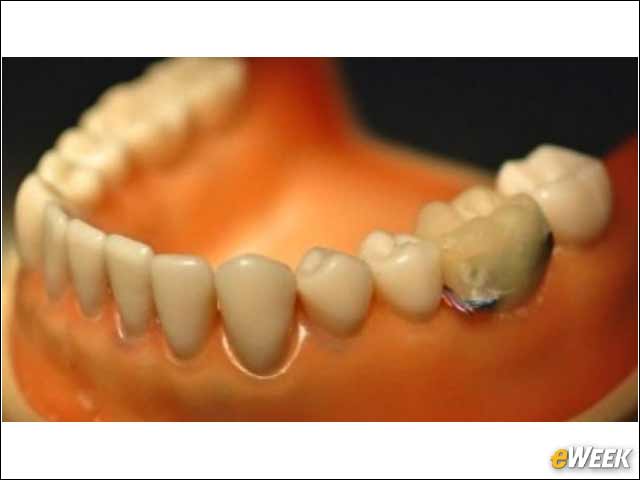
The wearables market extends well beyond smartphones and even smartwatches. There are health trackers embedded in running shoes and smart clothing. One vendor has even exhibited a device, to be embedded in a user’s tooth, that could monitor what a person has eaten. “The market spans multiple industries, applications and devices,” says Stuermer.
Myth 2: Consumers Will Quickly Embrace Wearables
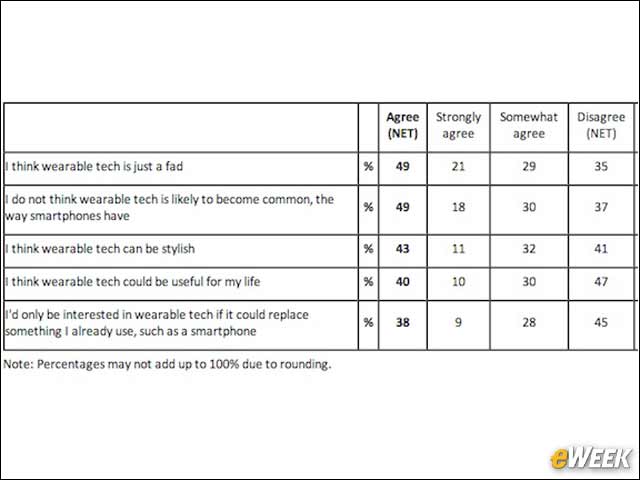
“We think this will be a warming trend, happening gradually, not quickly,” says Stuermer. The public will need to be educated about wearables and understand what specific, unique benefits they can offer that no other device can. (Image: Harris Interactive)
A Matter of Aesthetics
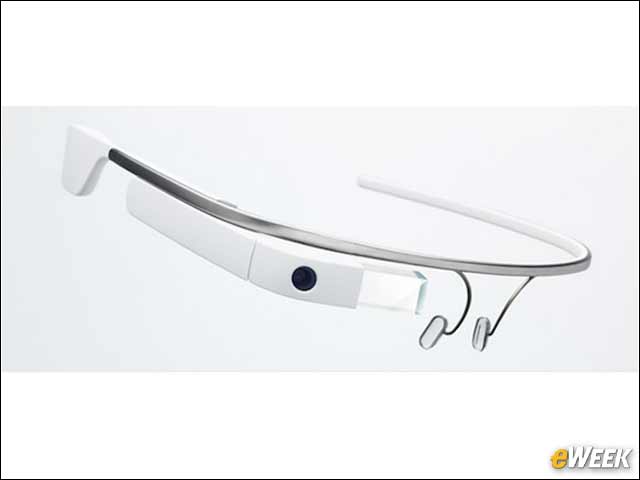
“The industry is still seeking its first big consumer use case and contending with aesthetic issues about whether consumers find the looks of the devices appealing,” Accenture said in its report on the myths. Apple CEO Tim Cook has said he thinks smart glasses are a harder sell than watches. “I don’t know a lot of people that wear [glasses] that don’t have to,” he said at the AllThingsD conference in May
Myth 3: Wearable Devices Are Stand-alone Products
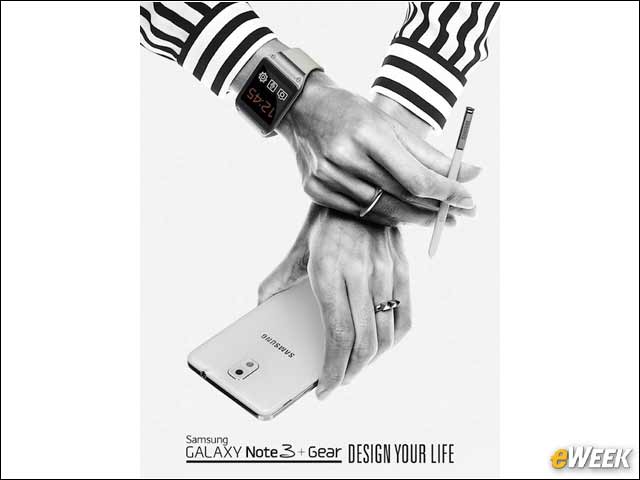
Accenture believes vendors need to build ecosystems of services and applications around wearables. “These services in themselves will be disruptive forces, enabling users to achieve new things in new ways,” Stuermer told eWEEK. “It’s all coming together in different packaging. … It’ll be the value proposition [of the whole] that’ll make it happen.”
Myth 4: This Is Something New
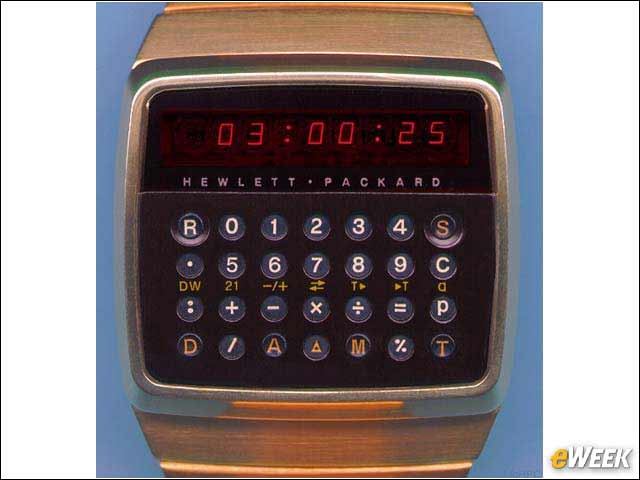
The first wearables arguably became commercially available “in 1974, when the first wristwatch with a digital display was unveiled,” says the Accenture report. The term first began to be used, though, in the 1990s.
Myth 5: Wearables Will Remain a Niche Market

Quite the opposite will be true. Accenture expects broad sets of products to be offered across various industries. While consumer devices will need to be beautifully designed and unobtrusive, “Enterprises will be less concerned about aesthetics,” says Stuermer, “and able to offer things like safety glasses and other tools that can help workers collect data and share it quickly. There’s also a need for rapid response” that wearables could answer. (Image: From Google Enterprise)
Myth 6: Being First to Market Is a Can’t-Miss Formula
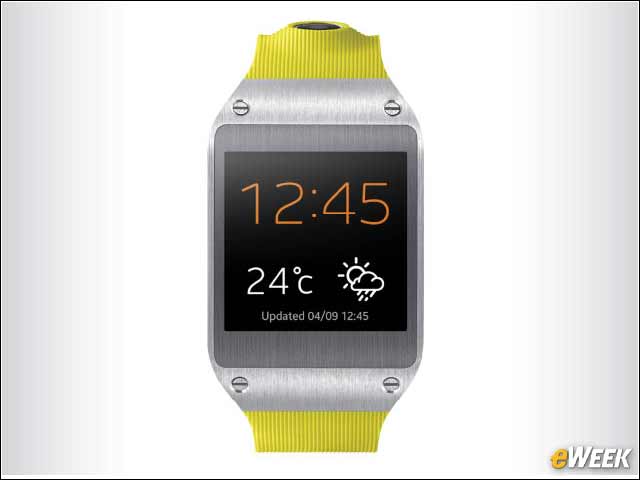
Fashion is going to be a major consideration in the success of the consumer-driven wearables market. “The key is to get the design aesthetic right, rather than just try to be first to market,” says Stuermer.
Myth 7: Power Consumption, Battery Life Won’t Be Big Deals
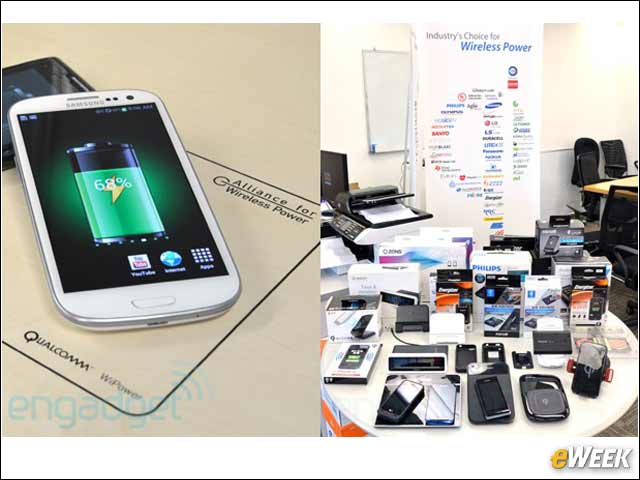
Chip makers are going to have to rise to the occasion, delivering “the right balance of lower power and value-added functions,” says Accenture. Wireless charging could also help, with users becoming more accustomed to setting devices on a charging pad on their desk or coffee table, letting them charge during downtown. (Image: Qi Wireless)
Early Nudges for the Wireless Charging Market
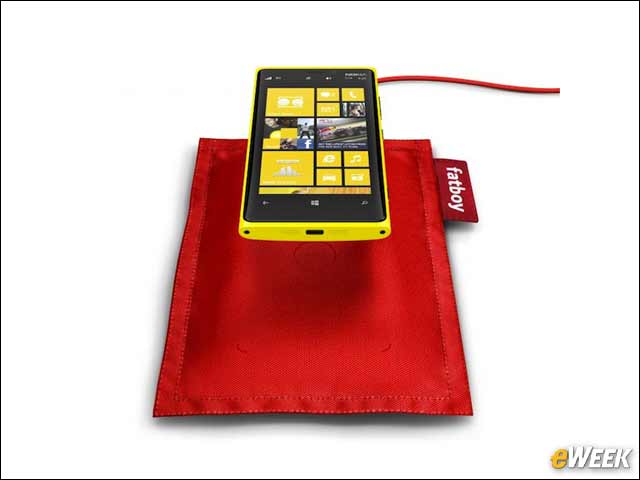
Nokia has helped to get users accustomed to the idea of setting devices on a charging pad, even partnering with cafes and airport lounges that now set out the pads. BlackBerry included in its new Z30 the same Qi wireless charging technology that’s in Nokia phones, and Samsung is also on board.
Myth 8: Wearable Devices Are Secure
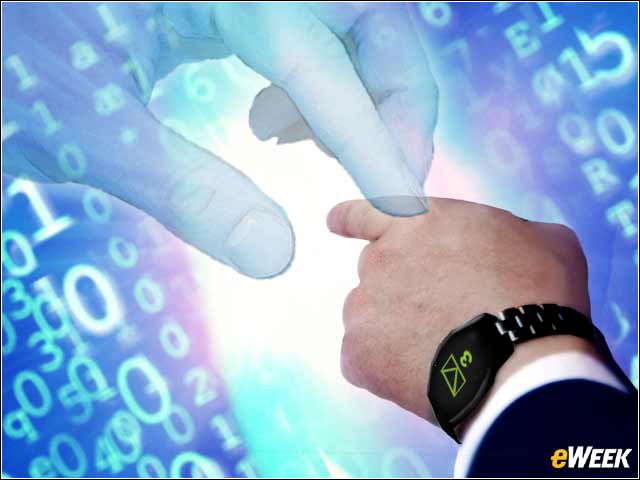
“This is the furthest thing from the truth. Security is going to continue to be a challenge,” says Stuermer, adding that software updates will be a way to keep devices appropriately secured. Additionally, from users recording video to driving to advertisers pushing highly targeted ads, “Feature regulation is going to be very complex and likely vary by country.”