







- Why Phablet-Sized Smartphones Will Dominate the Handset Market
- Smartphone Market Is Huge
- Hand Set Sales Will Keep Growing
- Phablet Sales Will Grow the Most
- Android Dominance Is Apparent
- Android’s Dominance Will Persist
- Apple’s iPhone Holds Down Second Place
- Apple Handset Shipments Will Grow Steadily
- All Other Mobile OS Platforms Are Dying Out
- Minor Mobile Operating Systems Will Keep Fading Away
- Smartphones Will Get Pricier
Why Phablet-Sized Smartphones Will Dominate the Handset Market
A new study from IDC reveals the formula for success in the smartphone market produce big-screen handsets. An IDC research report was released on Nov. 29 shows that Android handset makers that build smartphones with large screens popularly known as “phablets” are most likely to be successful. However, companies that have turned their backs on phablets, which IDC defines and devices with screen measuring 5.5 inches or larger or are trying to sell handsets that run mobile operating systems other than Android or iOS will have a hard time surviving in the market. This slide show will dissect IDC’s data to highlight the current state of the smartphone market and how it will change over the next several years.
Smartphone Market Is Huge
The IDC data shows that by the end of the year, handset makers will ship 1.5 billion smartphones worldwide, a 1.2 percent increase 2016. Smartphone makers are able to achieve that growth despite rising prices and a changing marketplace focused on larger devices.
Hand Set Sales Will Keep Growing
The market will continue to grow for at least the next four year as IDC predicts smartphone makers will ship 1.7 billion handsets worldwide by 2021. This represents a 3 percent compound annual growth rate in smartphone shipments between 2016 and 2021.
Phablet Sales Will Grow the Most
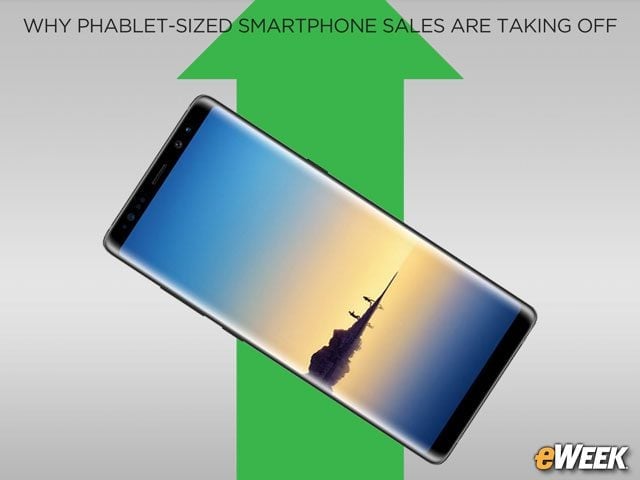
Phablets, or big-screen smartphones, will be the driving force in handset sales growth over the next several years. IDC found that big-screen smartphone shipments will grow from 611 million units in 2017 to more than 1 billion in 2021. Meanwhile, shipments of smaller smartphones with screen sizes less than 5.5 inches will decline by 7.4 by 2021.
Android Dominance Is Apparent
Google’s Android platform is the dominant mobile operating system handset market. By the end of the year, according to IDC, handset makers will have shipped 1.3 billion Android smartphones worldwide, a 1.7 percent growth rate compared to 2016.
Android’s Dominance Will Persist
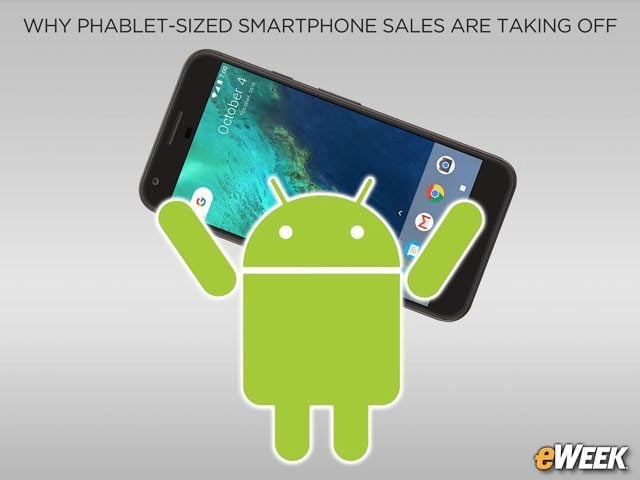
There appears to be no stopping Android. By 2021, Android device makers will ship 1.5 billion handsets, representing a 3.6 percent increase over 2020. Between 2016 and 2021, Android’s compound annual growth rate will total 3.2 percent.
Apple’s iPhone Holds Down Second Place
Apple’s iOS mobile operating system will land in second place by the end of the year, with 14.8 percent market share on 220.5 million units shipped. That’s up 2.4 percent compared to 2016.
Apple Handset Shipments Will Grow Steadily
In 2021, Apple will ship 250.4 million smartphones, earning the company 14.6 percent market share. That would represent 3.1 percent compound annual growth between 2016 and 2021. The unit shipments would also be up 0.7 percent compared to 2020.
All Other Mobile OS Platforms Are Dying Out
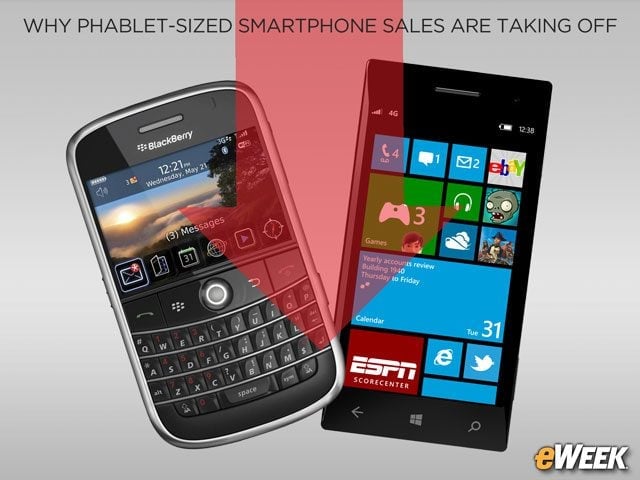
Based on the IDC data, smartphones that run operating systems besides Android or iOS, such as BlackBerry or Windows Mobile are endangered species. By the end of the year handset makers will ship only 2.2 million smartphones that run a mobile OS other than Android or iOS. This will represent a nearly invisible 0.1 percent market share. Shipments will be down 78.8 percent compared to 2016.
Minor Mobile Operating Systems Will Keep Fading Away
By 2021, it’ll be even worse for companies not offering Android or iOS devices. By that year device makers will ship just 700,000 handsets that run operating systems besides Android and iOS.
Smartphones Will Get Pricier
Phablet-sized handsets will not only get more popular, IDC expects them to become more expensive. The company found that the average smartphone selling price in 2016 was $282. By 2021, that figure will jump to $317, representing a compound annual growth rate of 2.3 percent.