







AI is creating a buzz — literally this time — but in agriculture, where robotic beehives are helping fight colony collapse and protect the food supply.
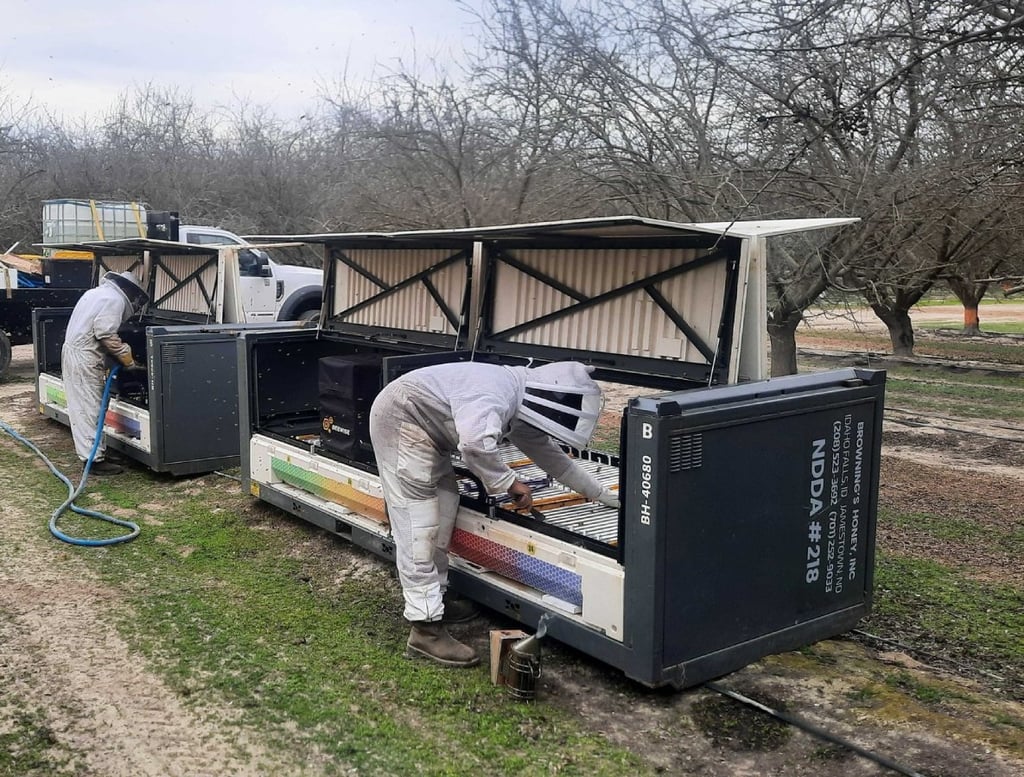
The startup Beewise is reengineering the beehive using robotics, machine learning, and solar panels. Its BeeHome units, which resemble white shipping containers more than traditional hives, house up to 40,000 pollinators. The BeeHome units function as part smart home, part science lab, and are fully autonomous.
Inside are robotic arms, internal cameras providing real-time image capture, and an AI system that continuously monitors colony health, frame by frame. If there are signs of a mite infestation or lack of larvae, beekeepers receive alerts via an app.
AI and robotics are able to replace “90% of what a beekeeper would do in the field,” Beewise CEO and co-founder Saar Safra told Bloomberg.
The high stakes of pollination
This isn’t just about saving bees — it’s also about food security, crop yields, and empowering beekeepers to respond to threats in real time rather than after the damage occurs. With more than $15 billion worth of crops dependent on pollination, early intervention is everything.
Colony collapse disorder has escalated over the past 20 years, driven by everything from pesticide exposure, climate stress, and disease-carrying mites. It’s not a single-issue crisis, and that’s exactly why AI is proving so effective. Pattern recognition across millions of data points is no longer a luxury — it’s a necessity.
The stats are promising
Early data from Beewise is promising. While traditional wooden hives experience average loss rates of 40% or higher, the company says its BeeHomes are bringing that number down to around 8%. Bloomberg reports there are approximately 300,000 BeeHomes across the US. Beewise’s goal: One million robotic hives in operation within the next three years.
To achieve sustainability, the right technologies where they can actually move the needle are necessary. And sometimes, that means building a “five-star resort” for bees.
Read eWeek’s coverage of how AI robots are set to play a bigger role in various industries, including logistics and farming.