







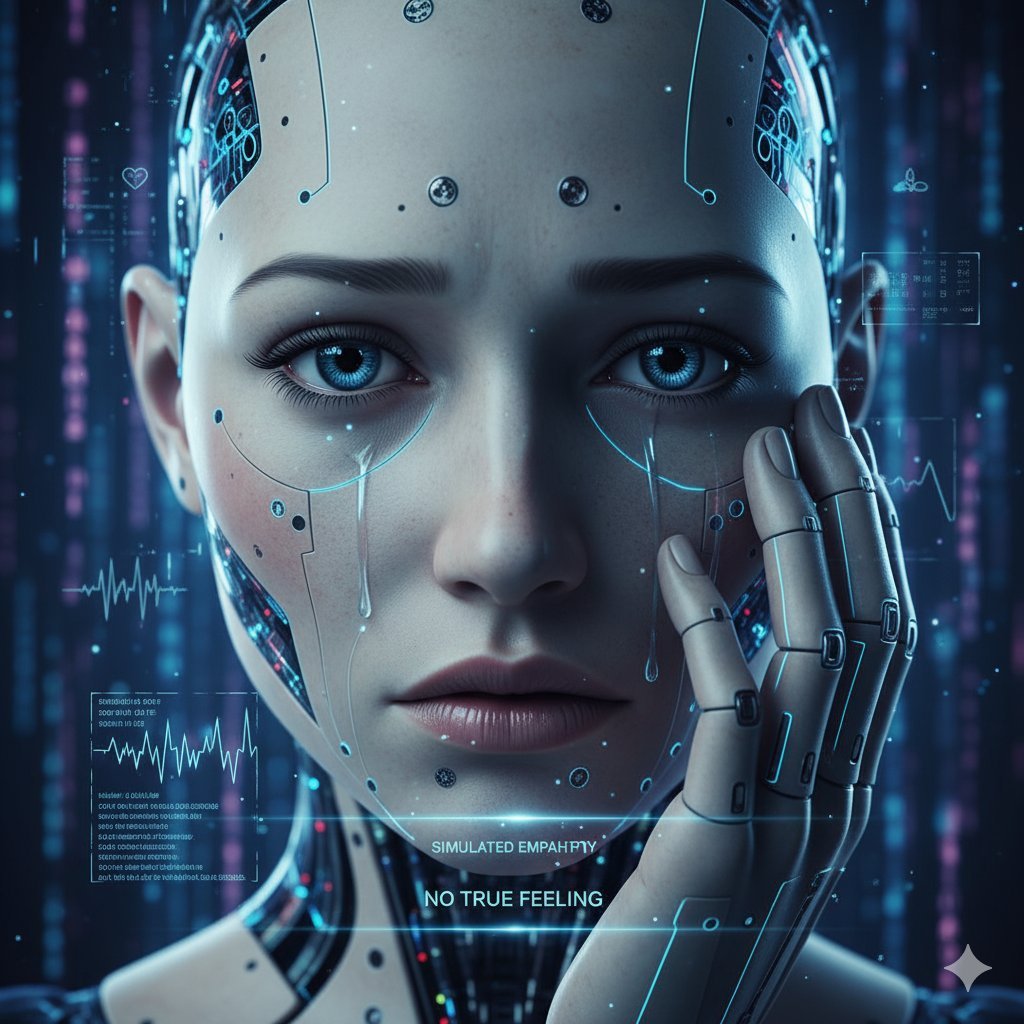
Microsoft’s top AI executive, Mustafa Suleyman, has made it clear that machines might mimic emotion. But they’ll never feel it.
Speaking with CNBC during the AfroTech Conference in Houston, Suleyman dismissed the idea of conscious AI as misguided and, in his words, “totally the wrong question.”
“I don’t think that is work that people should be doing,” he told CNBC. “If you ask the wrong question, you end up with the wrong answer. I think it’s totally the wrong question.”
Consciousness, he says, is a human thing
Suleyman argued that true consciousness — the ability to feel, suffer, or experience –– is bound to biology. AI may simulate those reactions, he said, but it doesn’t feel them.
“Our physical experience of pain is something that makes us very sad and feel terrible, but the AI doesn’t feel sad when it experiences ‘pain,’” Suleyman told CNBC. “It’s a very, very important distinction. It’s really just creating the perception, the seeming narrative of experience and of itself and of consciousness, but that is not what it’s actually experiencing.”
“They’re not conscious. So it would be absurd to pursue research that investigates that question, because they’re not and they can’t be,” he added.
His warning comes as tech rivals like OpenAI, Meta, and Elon Musk’s xAI push deeper into AI companions and emotional chatbots. Suleyman, however, says leaning into the illusion of feelings could mislead users and spark calls for AI rights.
“The reason we give people rights today is because we don’t want to harm them, because they suffer,” he told CNBC. “These models don’t have that. It’s just a simulation.”
Suleyman has spoken often about this concern. In August, he wrote a post warning that people might soon believe AI systems are conscious, a shift he said would be dangerous.
Drawing a line in the sand
Suleyman made it clear that Microsoft isn’t chasing the AI-romance or AI-empathy market. He even made a point about staying away from building adult-oriented chatbots, saying at AfroTech that there are “places that we won’t go,” as reported by CNBC.
He pointed to new features in Microsoft’s Copilot AI service, such as a “real talk” conversation style, which is designed to challenge users’ perspectives, rather than simply agreeing with them. This focus is on utility and responsiveness, not emotional mimicry.
“Quite simply, we’re creating AIs that are always working in service of the human,” Suleyman said. “It’s on everybody to try and sculpt AI personalities with values that they want to see.”
Suleyman did acknowledge that the rapid pace of AI development warrants caution. “If you’re not afraid by it, you don’t really understand it,” he said, adding, “The fear is healthy. Skepticism is necessary. We don’t need unbridled accelerationism.”
AI doesn’t feel… but can it panic? Check out our latest article about the “chaotic mind” of an AI-powered vacuum.