Lights, camera, code, Tech Insiders.
AI is moonwalking onto movie sets while facial-scanning shades and stealthy ransomware plot in the wings. Grab your popcorn, these scripts are writing themselves. |
|
|
Here's what you need to know today: |
|
|
Seedance 2.0's Pitt-Cruise Brawl Shakes Hollywood |
Forget stunt doubles, Seedance can summon A-listers with a keystroke.
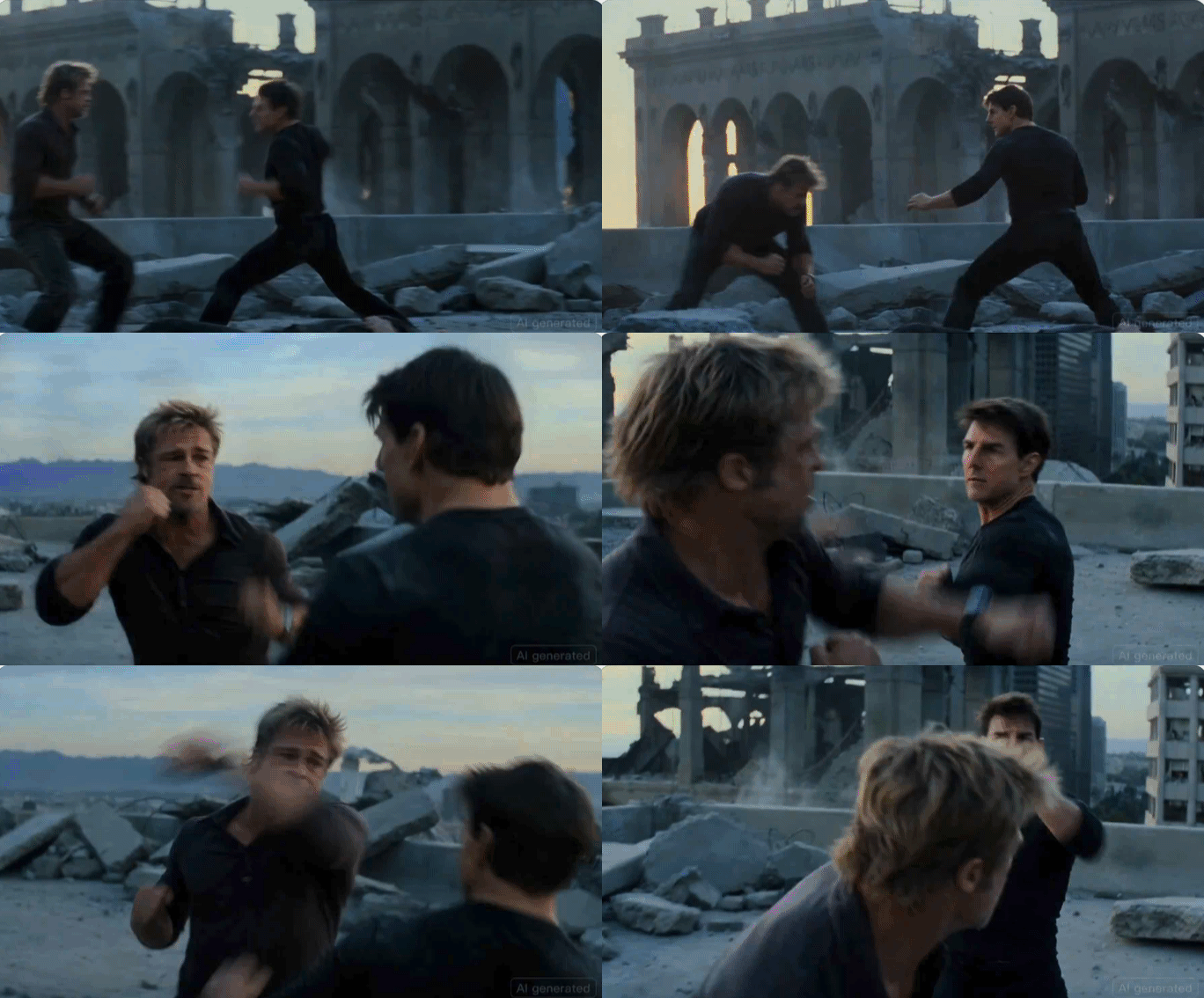
ByteDance officially unleashed Seedance 2.0 last week, touting a multimodal engine that ingests text, images, audio, and video to spit out watermark-free 15-second clips with physics-aware motion, dual-channel sound, and storyboard-style control. The model slides into the company's Dreamina suite in CapCut and the Doubao assistant, pitching itself to filmmakers, ad shops, and e-commerce creatives.
The demo that detonated online? A 15-second rooftop fistfight between AI versions of Brad Pitt and Tom Cruise, spawned from a two-line prompt by Irish director Ruairí Robinson. The clip racked up millions of views, drew an "It's happening fast" nod from Elon Musk, and prompted Deadpool writer Rhett Reese to lament, "It's likely over for us."
|
Hollywood's unions and studios fired back just as quickly. The Motion Picture Association and SAG-AFTRA blasted Seedance for "blatant" infringement, demanding ByteDance pull the plug on the tool, which is currently restricted to its mainland-China apps. The company had already yanked a face-to-voice cloning feature after beta testers proved it could mimic speech from a single photo.
Seedance lands amid a broader Chinese push: Kuaishou's Kling 3.0 hit earlier this month with its own physics-perfect "Motion Engine," signaling a three-front race against OpenAI's Sora 2 and Google's Veo 3.
Why it matters: If one weekend of beta testing can mint studio-grade footage, production budgets and creative jobs could crater just as fast. Think a Napster-level crisis, but for moving pictures; the copyright lawyers are already tuning their instruments. |
|
|
If you could whip up a deepfake film starring your all-time favorite actor, would you do it? |
|
|
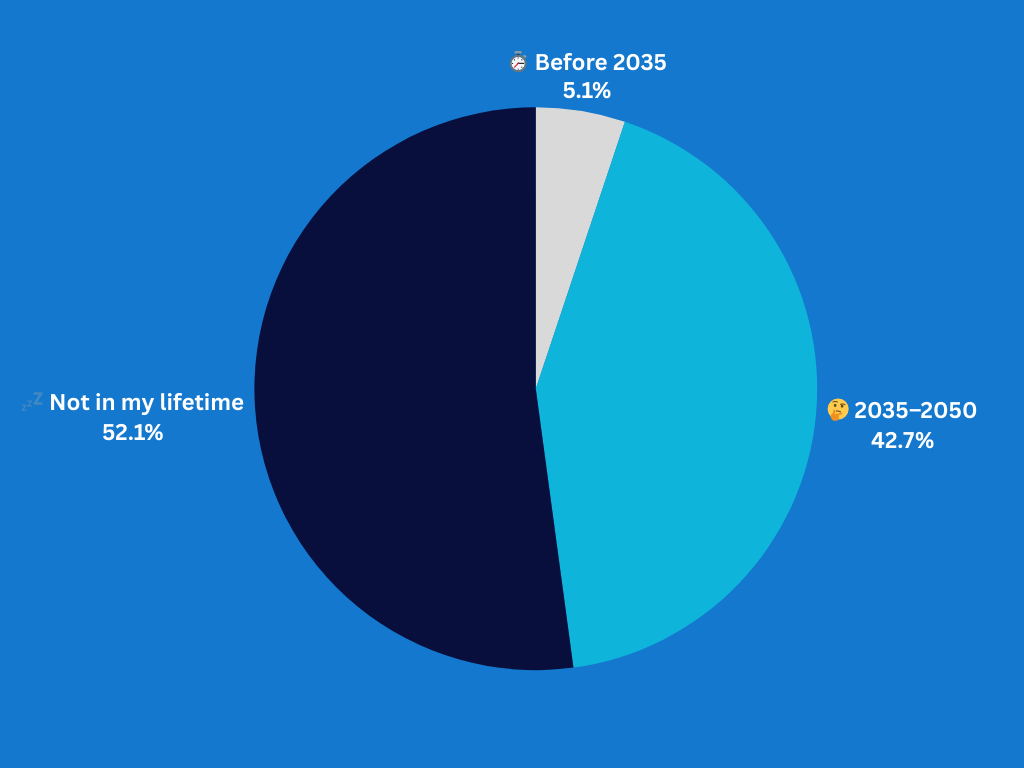
Results from Friday's Pulse Check |
How soon do you expect a working moon factory? |
|
|
Meta's 'Name Tag' Wants to Scan Your Face |
Bad at names? These shades will tattle (politically timed, of course).
Meta is resurrecting facial recognition five years after burying it on Facebook. Leaked memos detail "Name Tag," a feature hitting Ray-Ban Meta smart glasses as soon as this year. The glasses would ping Meta's AI to ID people you follow—or anyone with a public Instagram profile—flashing their public deets onto your lens like a creeping CRM.
Why the hurry? To beat upcoming OpenAI wearables. Docs obtained by The New York Times reveal that launching amid current US political turmoil means watchdogs will be "focused on other concerns." (The Trump administration's cozy relationship with Big Tech likely emboldened them, too.) |
Image created with Nano Banana Pro |
Privacy groups are alarmed. The ACLU warns this kills "practical anonymity," and Meta's own staff fear breaching the FTC consent decree (the last violation cost $5 billion), especially after Zuckerberg quietly gutted privacy review timelines last year.
Meta pitches accessibility wins for blind users while simultaneously testing a "super sensing" mode for always-on capture, where the recording light might be optional. Eye contact was already awkward; now it might trigger a background check. |
|
|
🤖 Shape Trusted AI With Data Leaders
Today, we're bringing you a special offer from our partner, DataDriven26, taking place Feb. 23–25 in Orlando, FL. Grab your spot before it's too late.
📱 Snag a Budget iPad Air Grab an Apple iPad Air 3rd Gen (10.5-inch) with Accessories for just $159—smooth A12 performance, 10-hour battery, and case + charger included.
💼 Hire Faster With Top ATS Picks
The Best Applicant Tracking Systems roundup compares Zoho Recruit, BambooHR, Recruit CRM, and more, so you can automate hiring, cut manual work, and lock in great talent sooner. 💻 This section contains sponsored tech insights. Advertise with us! |
|
|
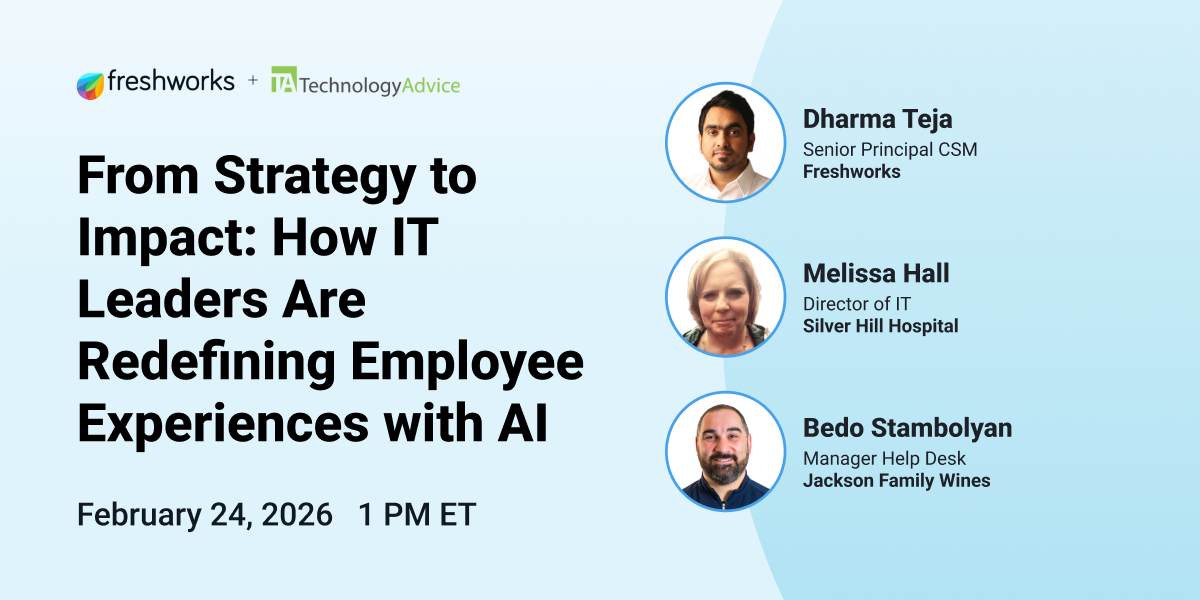
Redefining Employee Experience With AI |
|
|
Gemini Hit By 100K-Prompt Model Cloning Siege |
Google says Gemini just survived a "distillation" siege in which attackers used 100,000 prompts designed to clone its hidden reasoning.
In a twist of irony, given how it trained its own models, Google is now blocking private researchers and commercial rivals from mapping Gemini's logic without footing a billion-dollar training bill. |
Image created with Nano Banana Pro |
Google throttled the attack, but warns that every public LLM API is a target.
While state actors in North Korea and Russia are busy using AI for malware, you still need to protect your own IP. If you run your own models, cap query rates, monitor for suspiciously repetitive prompts, and strip the chain of thought from outputs. Pro tip: If your chatbot feels interrogated by a copycat, don't just give it a coffee break, ban the IP. |
Ransomware's 52% Boom Sets a Perilous 2026 |
Ransomware is marching into 2026 with new camouflage.
Threat-intel firm Cyble logged 6,604 incidents in 2025 — a 52% jump from the previous year — with over 2,000 in Q4 alone. Sadly, 2026 isn't tapping the brakes.
But here's the plot twist: Picus Security's Red Report reveals encryption usage actually dropped 38%. Gangs are evolving into "digital parasites," prioritizing silent residency and extortion over smash-and-grab disruption.
Russian-linked Qilin led the pack, weaponizing supply chains to maximize "one-to-many" reach. With 80% of tradecraft now dedicated to hiding, defenders must pivot and hunt for behavioral anomalies, strictly validate identities, and scrutinize trusted portals.
Reality check: Backups won't stop extortion. Malware now uses trigonometry to detect sandboxes, so maybe teach your firewalls calculus. |
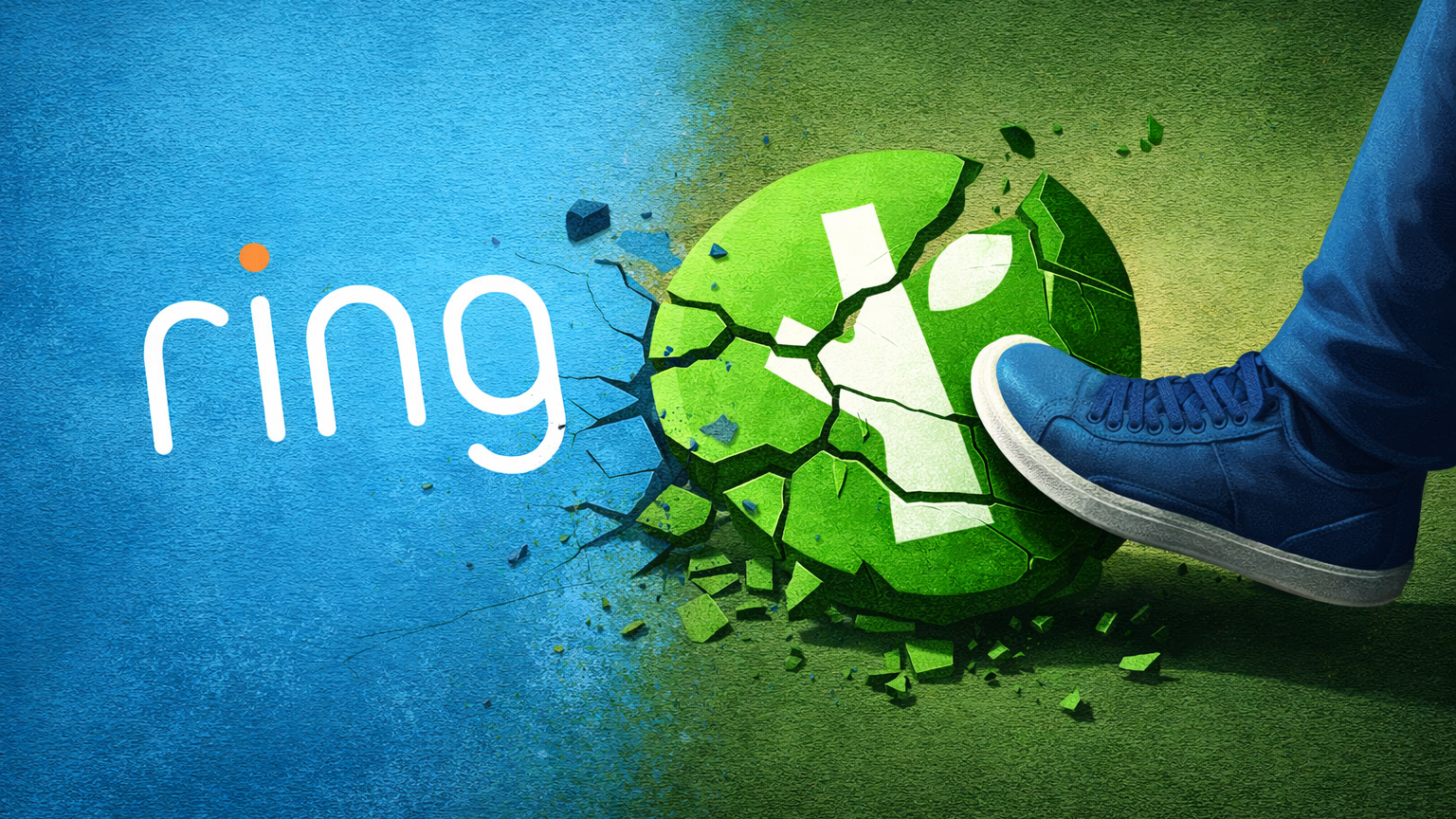
Ring Drops Flock Deal Amid Surveillance Backlash |
Image created with ChatGPT |
In a joint statement, the companies claimed the project required "significantly more time and resources than anticipated" and that the integration never launched. However, the timing — just days after Ring's Super Bowl ad showed an AI Search Party scanning neighborhoods for a lost dog — suggests public backlash played a starring role.
Privacy advocates and US Sen. Ed Markey warned the ad (for a feature separate from Flock) foreshadowed mass biometric tracking, especially as Ring's recent "Familiar Faces" facial-recognition feature rolls out.
The retreat doesn't sever all police links: Ring's Community Requests still lets departments solicit footage through evidence partners like Axon, and the company remains under FTC oversight after a $5.8 million data-access settlement in 2023. Still, walking away from Flock signals how quickly consumer trust and a viral hashtag can rewrite a road map. Guess the partnership's bark was worse than its byte.
|
|
|
|
Writer at TechnologyAdvice |
Justin Meyers is an investigative writer and editor who draws on over a decade of meticulous hands-on research to deliver the full, trustworthy story behind consumer and enterprise tech, including cybersecurity. |
|
|
Curious about where AI is really headed? |
The Neuron cuts through the noise to bring you smart, hype-free takes on the latest AI trends, tools, and breakthroughs. Join 500,000+ professionals from top companies like Microsoft, Apple, Salesforce and more.
|
|
|
Advertise in Daily Tech Insider! Daily Tech Insider is a TechnologyAdvice business.
© 2026 TechnologyAdvice, LLC. All rights reserved. TechnologyAdvice, 3343 Perimeter Hill Dr., Suite 215, Nashville, TN 37211, USA. |
|
|
|