Automate away, Tech Insiders.
Bots want to polish your Photoshop layers, ring two SIMs with two tunes, and — in n8n's case — smuggle malware past the bouncer. Grab your coffee before the algorithms drink your credits first. |
|
|
Here's what you need to know today: |
|
|
Adobe's Firefly AI Assistant Unifies Creative Workflows |
Photoshop finally gets a butler, and yes, it knows color theory.
Last week, Adobe unveiled Firefly AI Assistant, a conversational "creative agent" that can move a single prompt through multistep tasks. Think trimming audio in Premiere Pro, expanding a scene in Photoshop, and pushing proofs to Frame.io for review, all while remembering your brand presets.
The new agent will enter public beta in the Firefly web app within weeks; anyone can join the waitlist now, and usage will draw from existing generative credit pools.
Firefly's new controls add studio-grade audio cleanup, granular color sliders, and Precision Flow image variations (available now for Firefly subscribers). Partner models like Kling 3.0 join Google's Nano Banana 2, expanding Firefly's roster to 30-plus creative AI engines.
|
Crucially, Adobe is also letting this assistant moonlight in third-party apps like Anthropic's Claude, breaking it out of the Creative Cloud walled garden.
Meanwhile, the creative agent parade marched on last week: Anthropic launched Claude Design for rapid prototyping, Canva dropped AI 2.0 with conversational layouts, and Avid teamed with Google to bake Gemini models into Media Composer. The workflow war is officially on.
Why it matters: If Firefly delivers seamless app-hopping, freelancers and in-house teams alike could slash hours of click-heavy grunt work. But pay-per-generation pricing means your "free" assistant may start eating credits faster than a rookie designer burns layers. |
|
|
Will you trust an AI agent to edit your next project? |
|
|
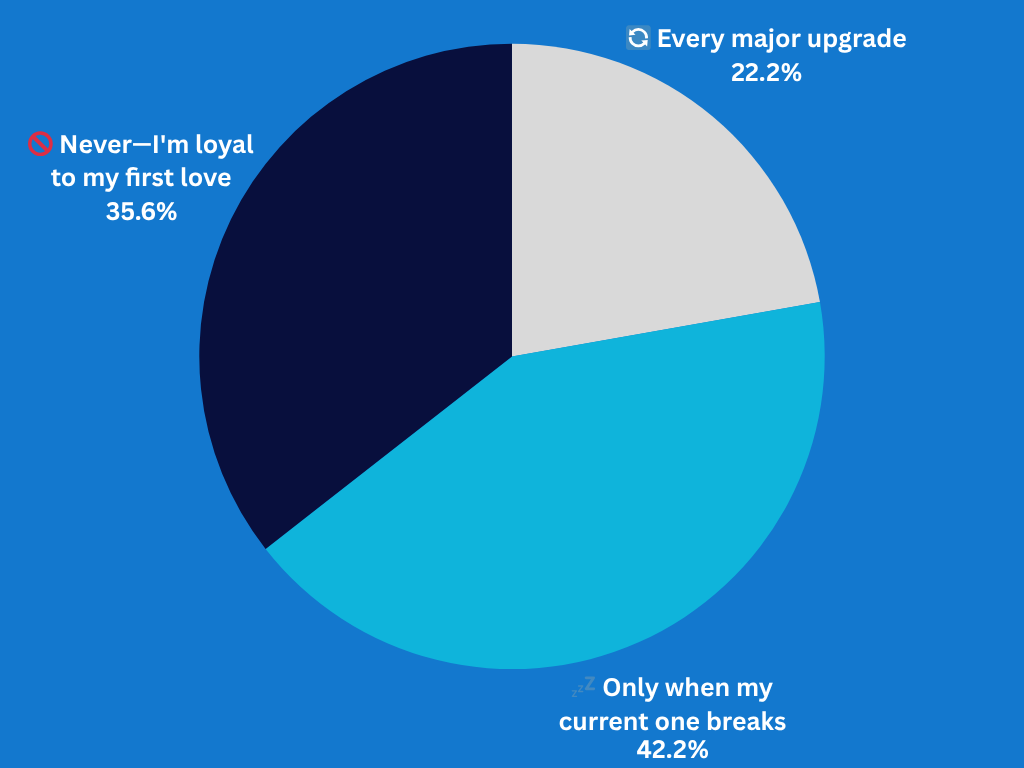
Results from Friday's Pulse Check |
How often do you actually switch to a new AI model? |
|
|
Android 17 Leak Gives Dual-SIM Users a Voice |
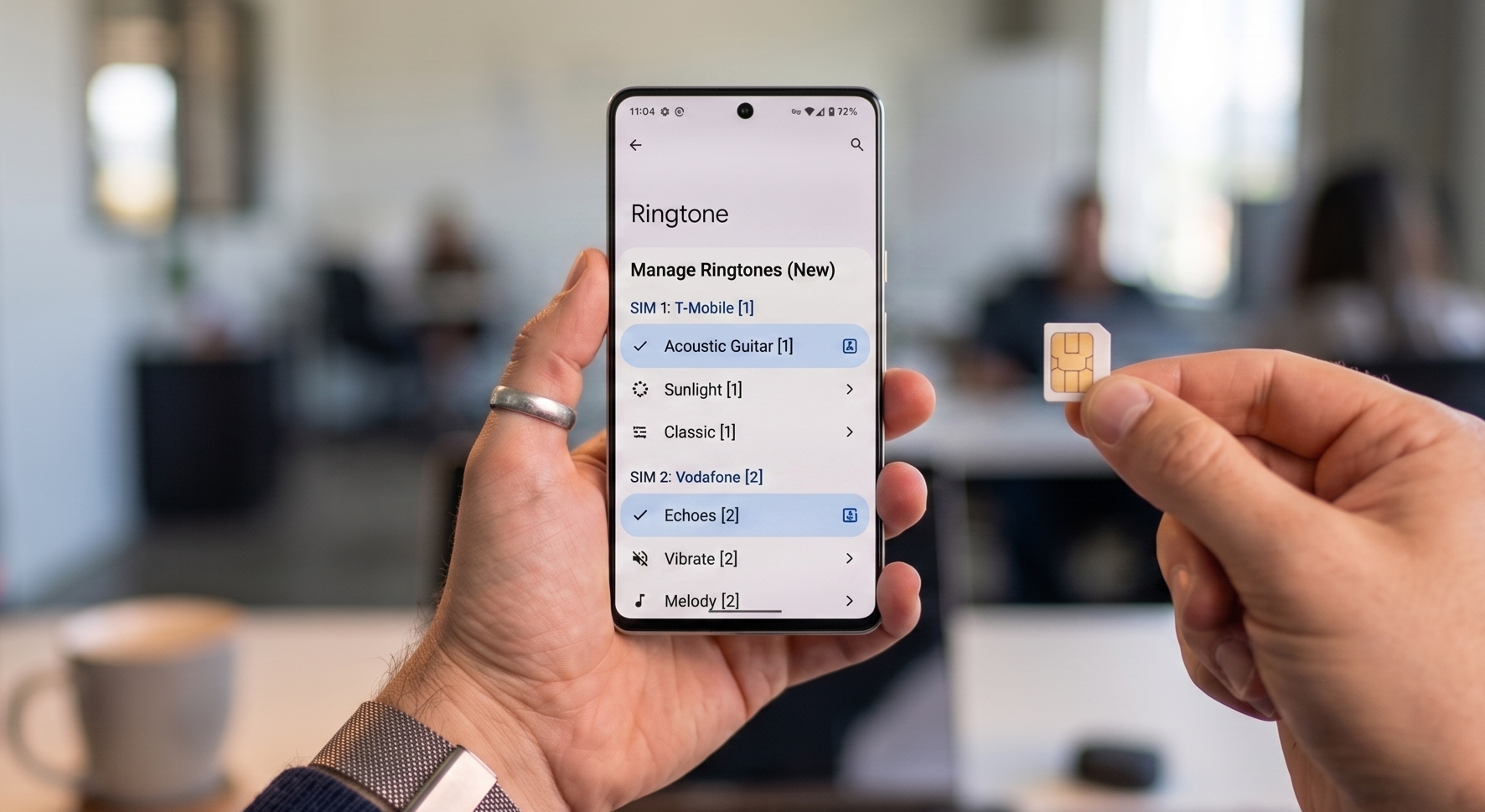
Beep-beep, your work line is tired of masquerading as Mom. Android 17's latest Canary build hints at a long-requested fix for dual-SIM chaos: per-SIM custom ringtones.
Buried strings found by Android Authority describe a system-level picker that lets you tag a distinct tone to each physical or eSIM line. No UI is live yet, but the code suggests the feature could debut when Android 17 ships, likely in Q4 2026. Why does this matter? Millions juggle personal and business numbers. A separate jingle for each line means fewer glances at the screen and fewer "Sorry, wrong SIM" callbacks. While Samsung, OnePlus, Motorola, and Oppo already bake similar tricks into their skins, stock-Android and Pixel die-hards have had to rely on hacks. |
Image created with Google's Gemini |
Google appears to be tightening every bolt in the dual-SIM experience. The move comes as smartphone tribalism peaks: a recent SellCell survey shows iPhone loyalty hitting a record 96.4%, while overall Android brand loyalty sits at 86.4%. Android users are 3.7 times more likely to switch brands than Apple users (13.6% vs. 3.6%), and 26.8% of those Android defectors are eyeing an iPhone. Better everyday usability could slow that drip before iOS 27's own leak season begins. If your phone suddenly plays "Mission: Impossible," at least you'll know the boss is calling, self-destruct sequence not included. |
|
|
📊 Turn Data Into Decisions Fast
Domo's AI-driven BI platform turns raw data into real-time decisions. Connect 1,000+ sources without coding and empower your entire team with intuitive, self-serve analytics today—watch the demo.
🛠️ Tame Your IT Assets Fast
This IT Asset Management Software comparison shows the best platforms to slash license waste and stay audit-proof in one handy read.
🛡️ Secure Staff With Cyber Coverage Blueprint
Download the Cyber Insurance Policy to set clear coverage terms for employee cyber incidents and shield your organization from costly attacks.
💻 This section contains sponsored tech insights. Advertise with us! |
|
|
Your current access strategy may be missing critical signals.
Don't miss TechnologyAdvice and Specops Software on April 21, 2026, at 1:00 p.m. ET. The Real Story Behind Zero Trust, Identity, and Device Security will show how to unify identity and device trust to close security gaps. Time is running out to gain practical insight into modern access protection. |
|
|
Chrome's Fingerprinting Hole Exposes Users to Silent Tracking |
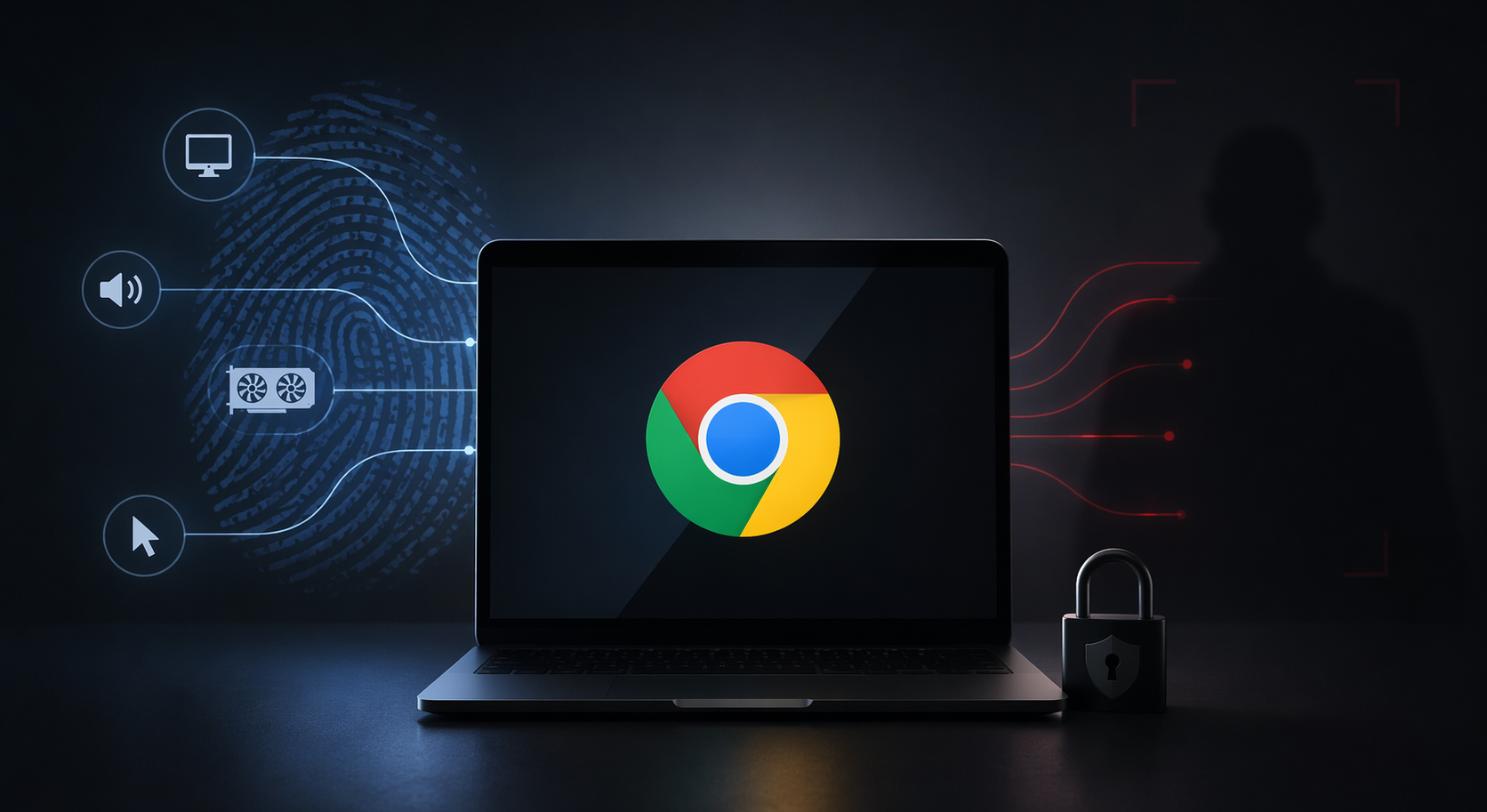
Image created with ChatGPT |
While Brave and Firefox inject noise, and Edge offers basic tracking prevention, recent research shows commercial "server-side" tracking easily bypasses these default defenses.
Protect yourself by switching to Tor, using a VPN, or enabling Firefox's strict privacy.resistFingerprinting flag. Standard anti-tracking extensions won't save you here. Fingerprints belong on glass, not browsers. |
Hackers Turn n8n Automation Into a Malware Factory |
A Cisco Talos study warns that hackers are hijacking n8n, a popular low-code AI workflow platform, weaponizing its trusted cloud subdomains—driving a 686% spike in malicious webhooks.
Phishing emails disguise n8n links as OneDrive shares. After solving a CAPTCHA, the page drops payloads, like Datto or ITarian backdoors, while invisible pixels fingerprint users who merely open the message.
To blunt the threat without breaking legitimate workflows via blanket domain blocking, security teams must deploy behavioral detection for unexpected automation traffic and lock down endpoints. Real OneDrive docs rarely demand a mini-quiz first. |
Trump T1 Phone: More Hype, Still No Launch Date |
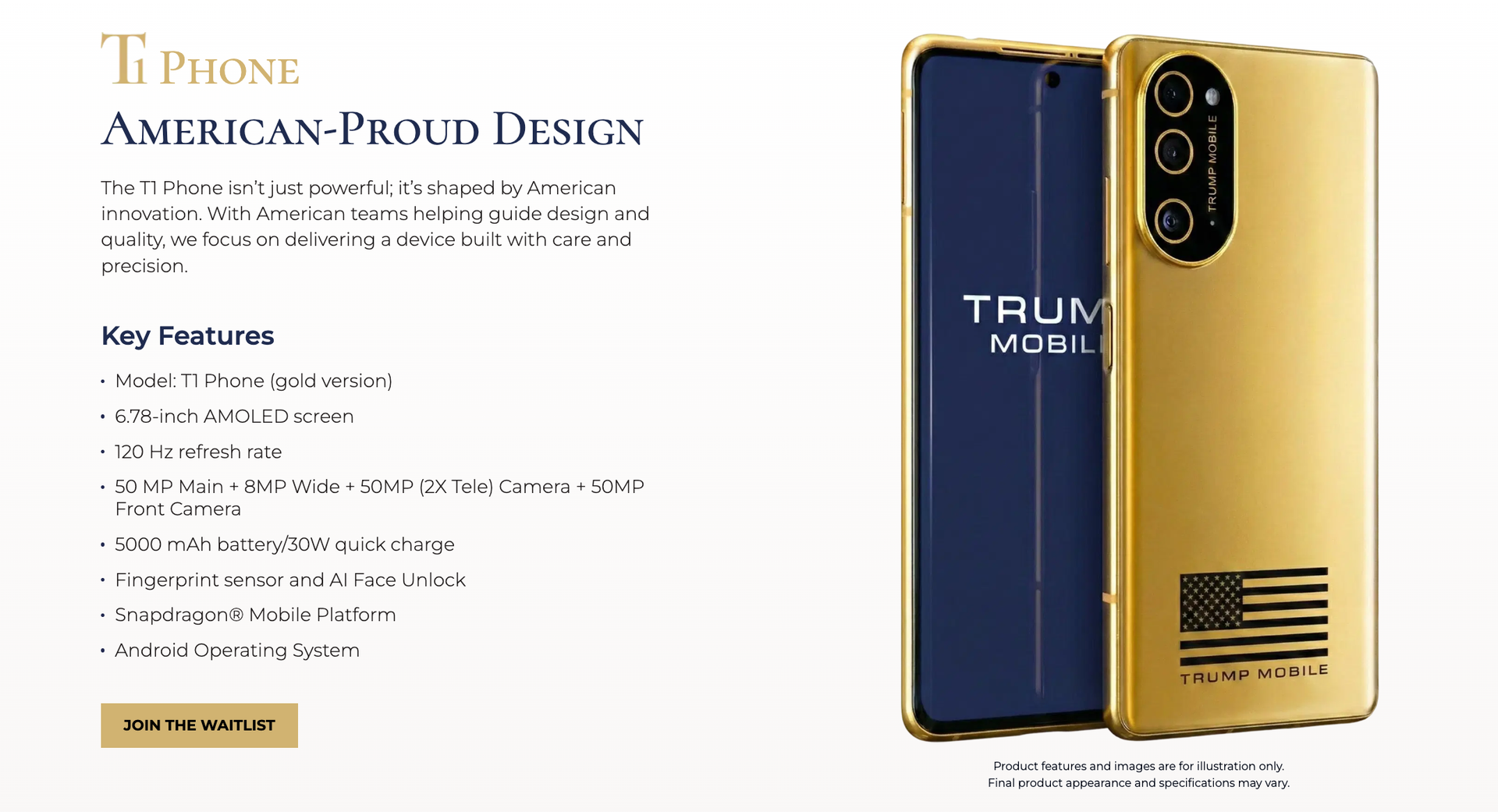
The gold-plated Trump T1 Phone just resurfaced with a sleeker, HTC-ish design and a vertical triple-camera stack, but the big missing spec is still a ship date.
Trump Mobile's site downgrades its bold "Made in the USA" promise to vaguer claims like "shaped by American innovation," while executives say final assembly will take place in Miami.
Meanwhile, pricing is in flux: the original $499 tag is suddenly a "promotional" figure (expected to rise to "under $1,000"), and deposits remain $100. The catch? The fine print stresses that a deposit is not a purchase, and it locks in no inventory or price commitment. It even admits images and features are "for illustration only" and subject to change, while guaranteeing nothing about FCC or carrier approvals.
|
Digging deeper, the new warranty identifies Smart Gadgets Global as the actual manufacturer—the same Utah-based firm listed on an FCC filing for a "T1" handset. That certification at least proves some hardware exists, but it does not promise a commercial launch.
The updated Terms also warn the phone may change specs or disappear altogether, and customers waive class-action rights by enrolling—one reason 11 lawmakers have formally asked the FTC to review Trump Mobile's deposit practices. With a year-long slip, watered-down patriotism, and ever-shifting specs, it looks less like a bold smartphone play and more like premium-priced vaporware. Phone still missing, but the marketing copy is fully updated. Priorities, right? |
|
|
|
Writer at TechnologyAdvice |
Justin Meyers is an investigative writer and editor who draws on over a decade of meticulous hands-on research to deliver the full, trustworthy story behind consumer and enterprise tech, including cybersecurity. |
|
|
Curious about where AI is really headed? |
The Neuron cuts through the noise to bring you smart, hype-free takes on the latest AI trends, tools, and breakthroughs. Join 500,000+ professionals from top companies like Microsoft, Apple, Salesforce and more.
|
|
|
Advertise in Daily Tech Insider! Daily Tech Insider is a TechnologyAdvice business.
© 2026 TechnologyAdvice, LLC. All rights reserved. TechnologyAdvice, 3343 Perimeter Hill Dr., Suite 215, Nashville, TN 37211, USA. |
|
|
|