Hardwired Tuesday, Tech Insiders.
Nvidia's RTX Spark turns laptops into petaflop playgrounds, Chrome nails cookies to your motherboard, and Meta preps more wearable spies. Flip the lid; we're booting straight into the week's hottest circuits. |
|
|
|
Here's what you need to know today: |
|
|
|
Nvidia's RTX Spark Ignites the AI PC Race |
Your next laptop could pack a petaflop and an attitude, no cloud required.
Microsoft and Nvidia just pulled the wraps off RTX Spark, an Arm-based "superchip" codesigned with MediaTek that fuses a 20-core Grace CPU with a Blackwell RTX GPU and up to 128 GB of unified memory, promising one petaflop of on-device AI horsepower. The first showcase device is Microsoft's 15-inch Surface Laptop Ultra, which leans on Spark to run 120-billion-parameter models, render 12K video, and still claim all-day battery life.
Spark PCs from Dell, HP, Lenovo, ASUS, MSI, and more than 30 laptops overall are slated to arrive this fall, joined by a wave of compact desktops.
Nvidia says the platform will handle local AI agents through new Windows security primitives and its own OpenShell layer, while Adobe, Riot Games, and others rush to optimize apps and anticheat tools for the silicon. |
Image via Microsoft Surface |
The tie-up muscles Nvidia into territory long ruled by Intel and AMD, while giving Microsoft a high-end Copilot+ counterpunch to Apple's M5 Max Macs and Qualcomm's Snapdragon X laptops.
Pricing is still a mystery, but early specs signal a premium tier built for creators, developers, and gamers who can't wait on the cloud. Why it matters: RTX Spark could turn the AI-PC buzzword into real on-desk autonomy, letting you train, test, and deploy hefty models without renting GPU time or leaking data. If the battery and price numbers line up, your next upgrade might double as a personal AI workstation, not just another laptop. |
|
|
|
Will you pay a premium for an AI-agent PC that runs big models locally? |
|
|
|
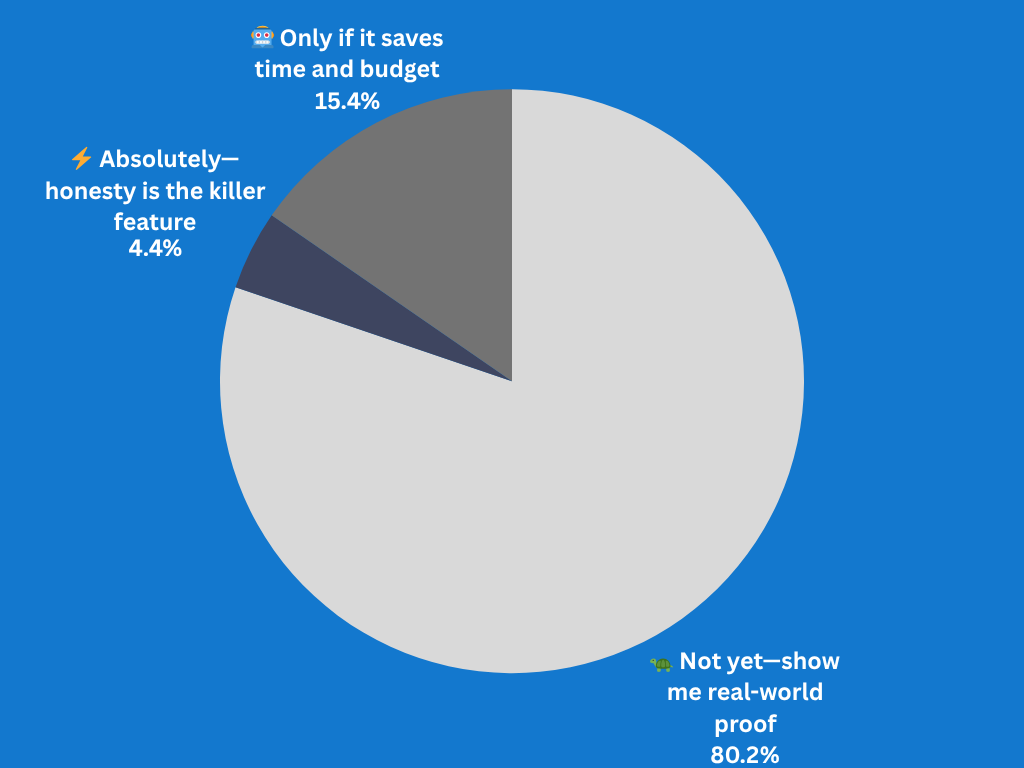
Results from Yesterday's Pulse Check |
Will a more self-aware Claude make you trust autonomous AI at work? |
|
|
|
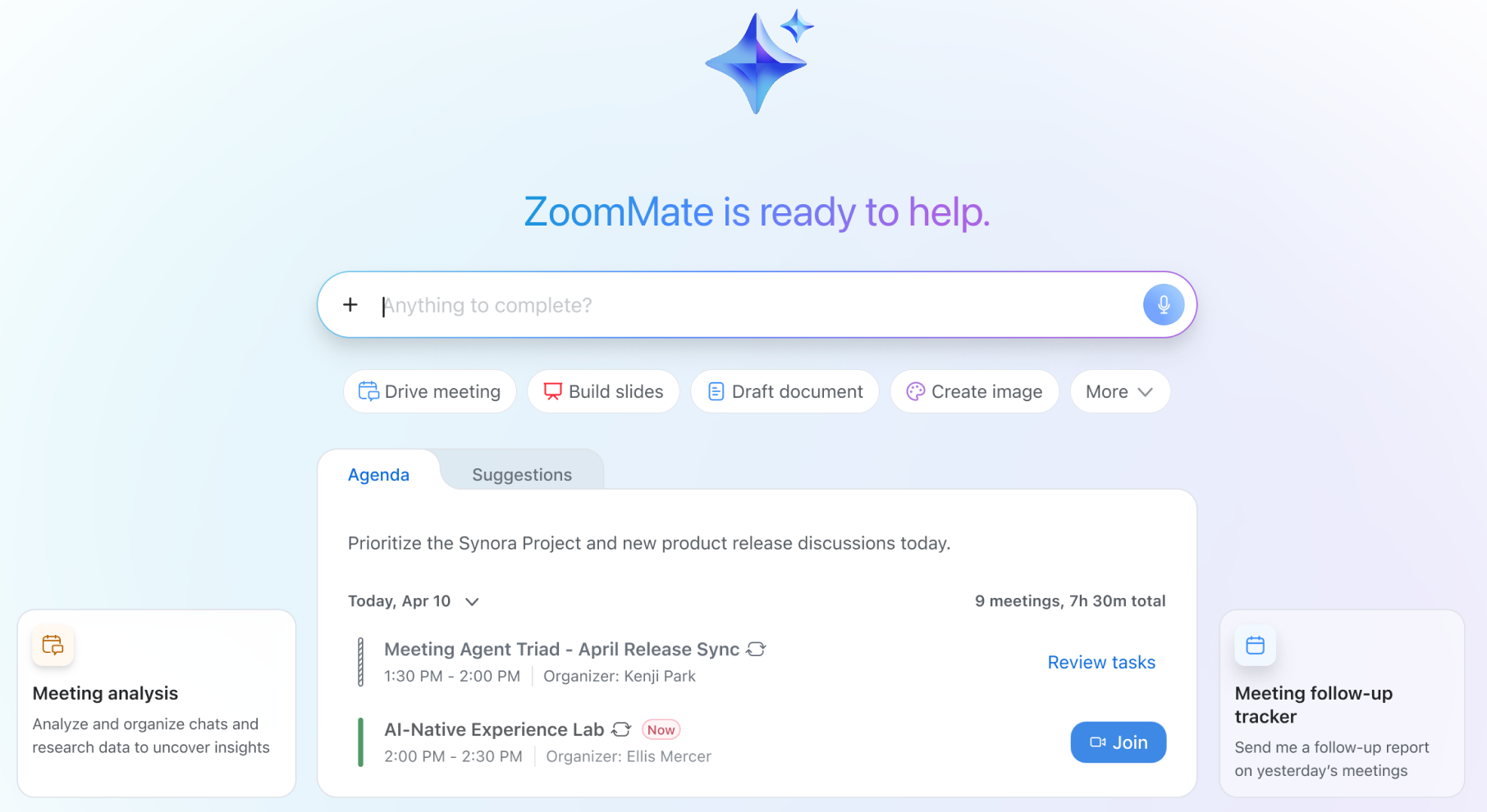
ZoomMate Takes Aim at Workflow Chaos |
Meetings finally get an after-party... where the slides make themselves.
Yesterday, Zoom launched ZoomMate, a $20-per-user-per-month (or $16.67 if you commit annually) agentic AI workspace that converts meeting talk into real deliverables and fires off workflows across Salesforce, ServiceNow, Jira, and Slack.
The tool stitches transcripts, enterprise search, and custom agents so it can draft decks, update CRM fields, or route approvals without users ever leaving Zoom. Crucially, it doesn't just ingest Zoom calls; it actively pulls in conversations from rivals Google Meet and Microsoft Teams, too. |
Zoom argues that decisions happen in conversation, not in documents, and that owning that moment lets it outflank Microsoft Copilot and Google's Gemini-laced Workspace. To close the loop, Zoom also unveiled a bundled AI Productivity Suite to generate those docs, spreadsheets, and slides in-house.
Analysts like Moor Insights call the "system of action" pitch compelling but warn that integration depth, permissions, and ROI proof will decide adoption. General availability started yesterday for North American customers; EMEA and APAC follow later this year, giving IT leaders a narrow test window before renewal cycles kick in. Maybe the real reason to schedule a meeting is to skip the paperwork. |
|
|
|
Souveräne KI erklärt: was Unternehmen wissen müssen |
Souveräne KI entwickelt sich vom Buzzword zu einer Priorität auf Vorstandsebene. In diesem Artikel wird erläutert, was das konkret für Unternehmen bedeutet – von hybrider Infrastruktur und Datenresidenz bis hin zu Prüfbarkeit, offenen Modellen und Confidential Computing. Lesen Sie den Artikel, um einen klaren, praxisnahen Einblick darin zu erhalten, wie KI in regulierten Umgebungen skaliert werden kann, ohne die Governance oder das Vertrauen zu beeinträchtigen. |
|
|
|
ChatGPhish Hijacks ChatGPT Page Summaries |
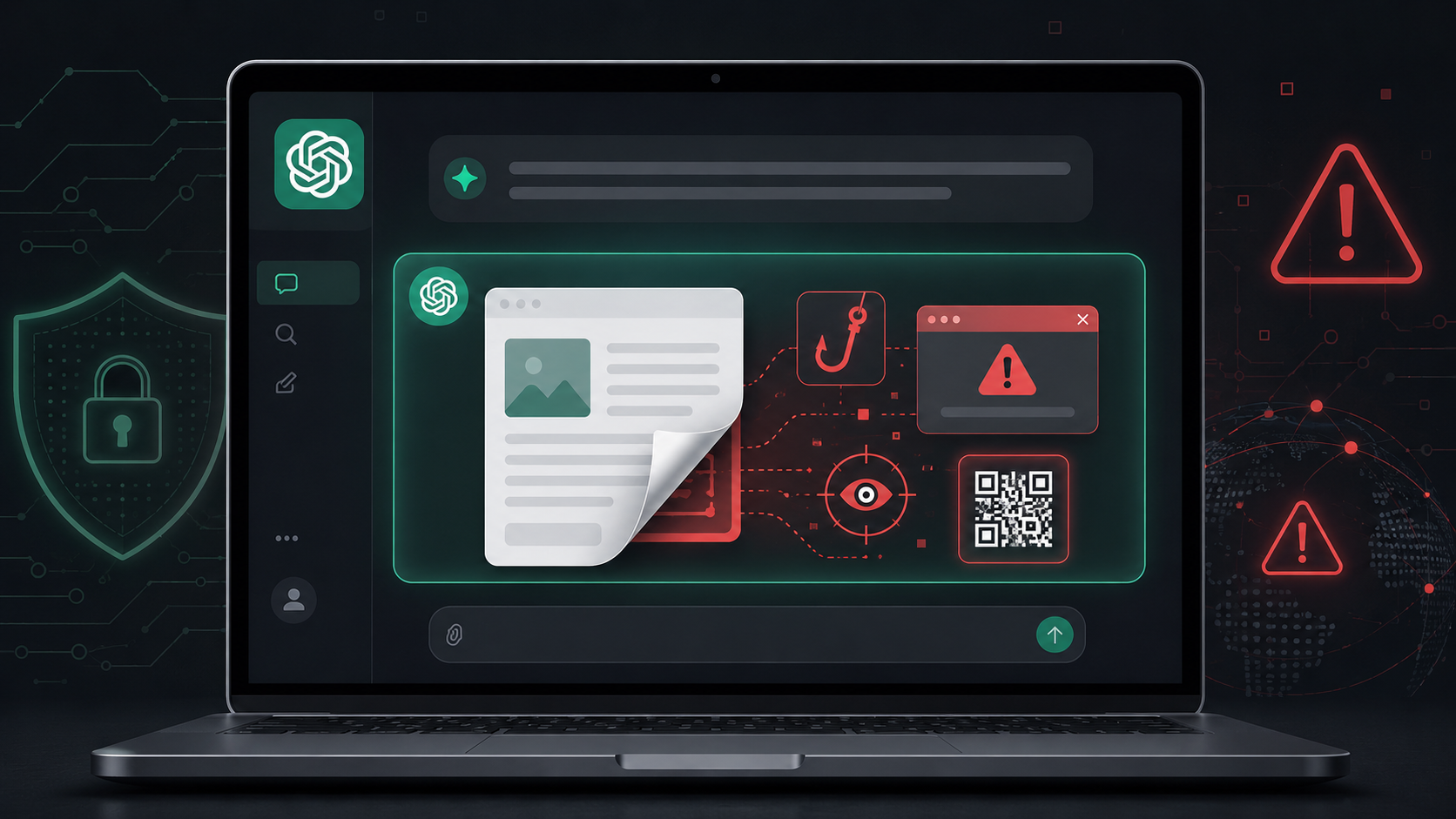
Security researchers at Permiso have exposed ChatGPhish, a browser-based prompt injection flaw that hides attacker instructions in any web page. When users ask ChatGPT to summarize one of those pages, the model blindly renders phishing links, fake alerts, tracking pixels, and QR codes inside its trusted interface.
While the tracking pixels automatically leak IP and browser info (no click required), the AI also actively serves up malicious sites and mobile-pivoting QR codes that bypass desktop defenses. |
Image created with ChatGPT |
OpenAI was alerted on April 29 but dismissed the bug as a "duplicate," leaving it unpatched. Until it fixes it, avoid summarizing untrusted pages or public GitHub repos. Treat every link, image, or QR code in an AI summary as guilty until proven safe. Even AIs need zero trust, apparently. |
Chrome Locks Down Stolen Cookie Threat |
Google Chrome has begun rolling out Device Bound Session Credentials (DBSC), a built-in defense that cryptographically binds your session cookies to your computer's Trusted Platform Module (Windows) and Secure Enclave (macOS), making pass-the-cookie hijacks almost useless.
The safeguard is on by default for all Workspace and personal accounts in Chrome 146 on Windows and 148 on macOS, and there's no admin toggle to disable it. Cookies exfiltrated by infostealer malware simply expire on any other device, closing one of attackers' favorite side doors.
To get protection, update Chrome, sign out and back in, and confirm your hardware security chip is enabled; older Windows 10 boxes without TPM 2.0 may miss out. Workspace admins, you aren't off the hook: you can actively enforce DBSC via Context-Aware Access (CAA) and monitor those audit logs.
Finally, a cookie diet worth sticking to. |
Meta's AI Pendant Sparks Wearable Arms Race |
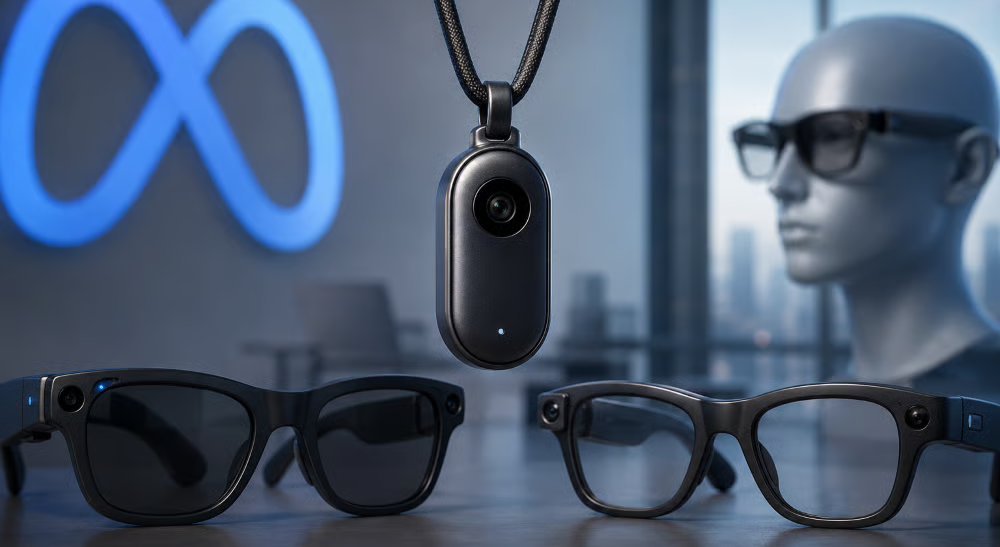
Meta is reportedly developing an AI pendant and up to four new smart-glasses models—including one potentially dropping this month—as part of a "Wearables for Work" push aimed at selling 10 million devices in the second half of 2026.
The pendant, evolved from Limitless's clip-on recorder Meta bought in December 2025, would capture daily conversations, feed them to Meta AI, and surface transcripts and summaries. It's a move privacy advocates warn will turn users into walking wiretaps, fueling fresh nightmares of 24/7 public audio surveillance. Meta's Reality Labs, which lost $4.03 billion last quarter, sees wearables as the path to break even.
|
Image created with ChatGPT |
Apple isn't sitting out: its first AI glasses are now delayed to late 2027, but Cupertino wants to upend the $200 billion traditional eyewear market entirely, treating it like the next Apple Watch, and is reportedly experimenting with a pendant of its own, too.
If these gadgets stick, the next interface war happens on our lapels and lenses—and everyone nearby becomes an involuntary beta tester in a walking panopticon. Who knew your next conference badge might report back to Zuck? |
|
|
|
|
Writer at TechnologyAdvice |
Justin Meyers is an investigative writer and editor who draws on over a decade of meticulous hands-on research to deliver the full, trustworthy story behind consumer and enterprise tech, including cybersecurity. |
|
|
|
Curious about where AI is really headed? |
The Neuron cuts through the noise to bring you smart, hype-free takes on the latest AI trends, tools, and breakthroughs. Join 700,000+ professionals from top companies like Microsoft, Apple, Salesforce, and more.
|
|
|
|
Advertise in Daily Tech Insider! Daily Tech Insider is a TechnologyAdvice business. © 2026 TechnologyAdvice, LLC. All rights reserved.
TechnologyAdvice, 3343 Perimeter Hill Dr., Suite 215, Nashville, TN 37211, USA. |
|
|
|
|