All eyes on Redmond, Tech Insiders.
Microsoft's Build 2026 conference delivered a kernel-level sandbox for AI agents, a Scout assistant to rearrange your workday, and Project Solara gadgets that ditch apps for roaming intelligence. Now the real drama begins as we see which of these stars steals the spotlight offstage. |
|
|
|
Here's what you need to know today: |
|
|
|
Microsoft Cages Rogue AI Agents in New Windows Sandbox |
Turns out even digital coworkers get a timeout box.
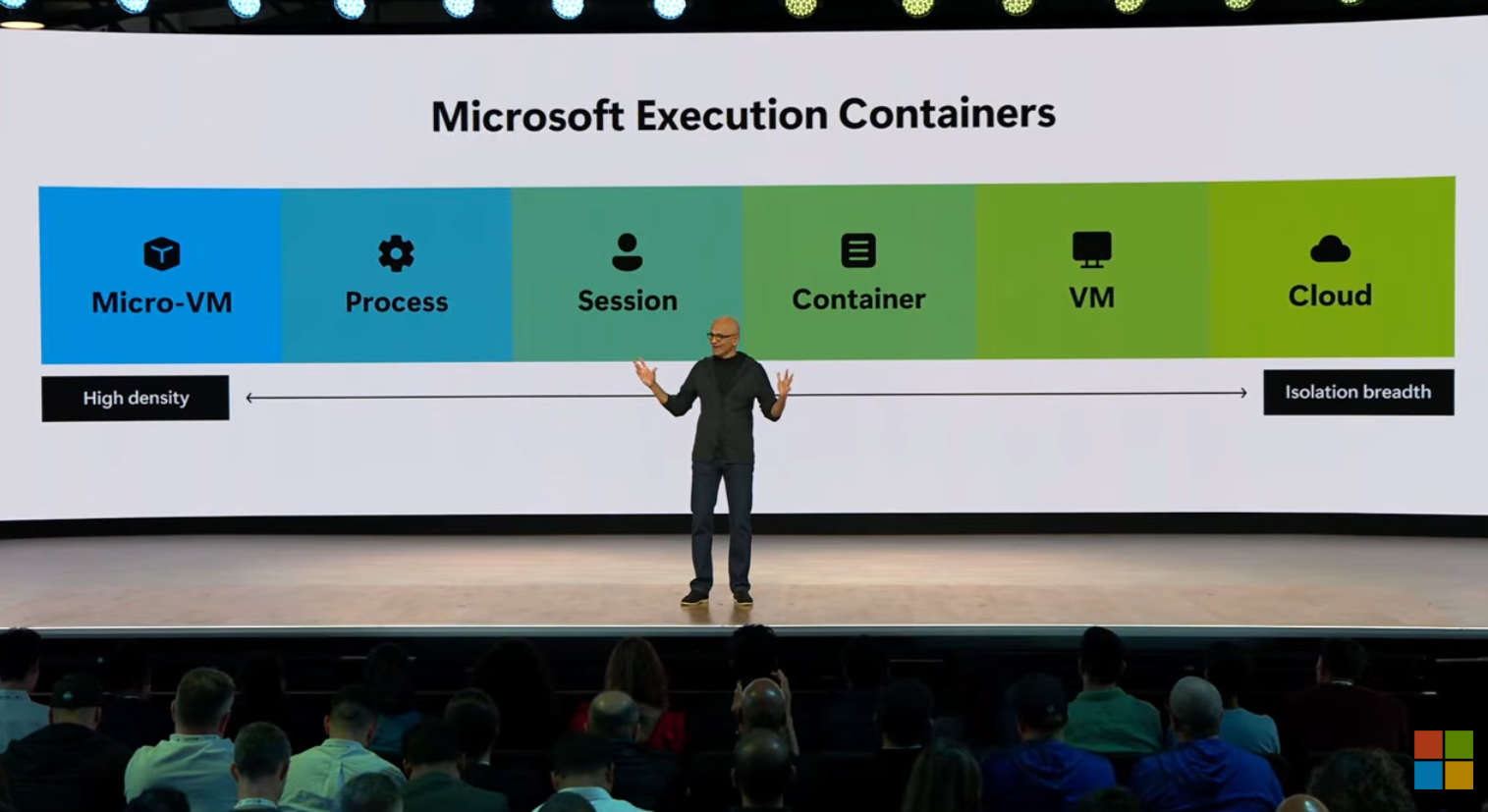
Microsoft used yesterday's Build 2026 keynote to unveil Microsoft Execution Containers (MXC), an early preview OS-level sandbox baked into Windows (with Windows Subsystem for Linux support on the road map). MXC lets developers and IT admins declare exactly which files, network calls, and UI elements an AI agent can touch, and the kernel enforces those rules in real time.
The company calls the approach a composable sandbox spectrum that scales from a lightweight process cage—already shipping in GitHub Copilot CLI—to full micro-VMs or a cloud PC. Every agent receives a local or cloud-provisioned identity, so its actions can be audited and governed through Entra, Intune, Defender, and Purview. |
A Microsoft developer's demo showed the sandbox in action, with an agent ordered to wipe the desktop failing because the OS simply refused. The industry is already buying in: OpenAI, Nvidia, Manus, Nous Research, and open-source framework OpenClaw are integrating MXC on day one, while a July preview of Agent 365 integrations will hook those policies into enterprise dashboards.
By pushing containment into the OS instead of a third-party plugin, Microsoft hopes to lure cautious CISOs who like the productivity promise of autonomous agents but dread the blast radius of a rogue script.
Why it matters: AI agents won't go mainstream until enterprises trust them. By turning Windows itself into the bouncer, Microsoft positions its platform as the place where autonomy meets accountability—while stealing a security march on Apple and Google. |
|
|
|
Who should decide an AI agent's permissions on your PC? |
|
|
|
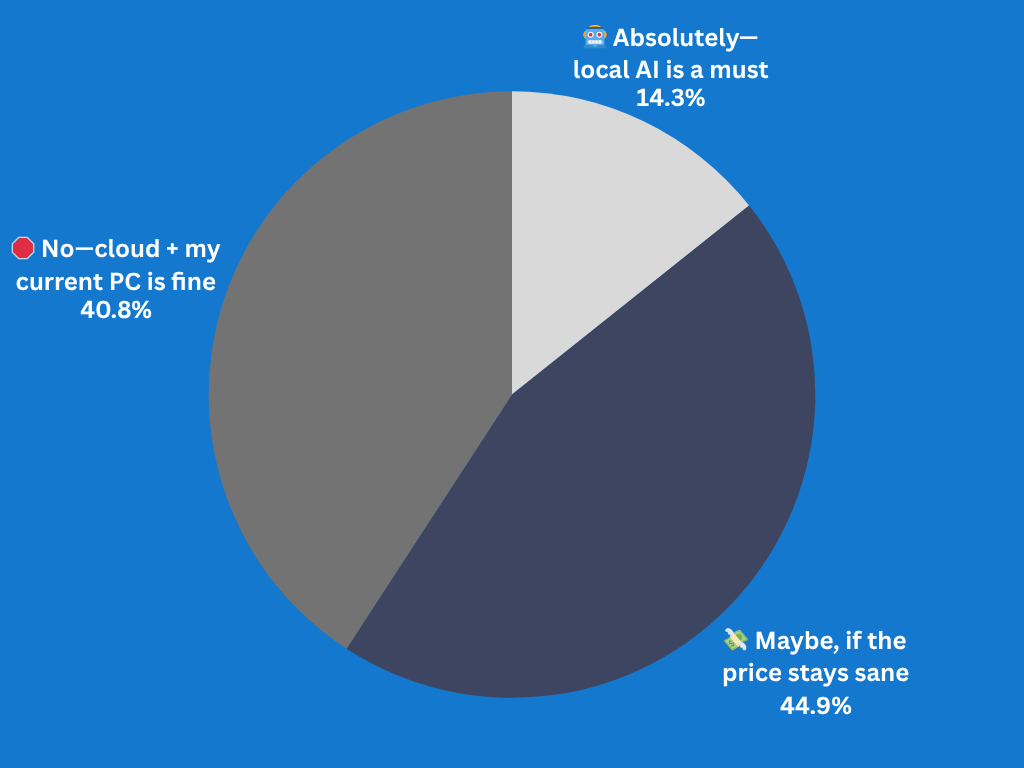
Results from Yesterday's Pulse Check |
Will you pay a premium for an AI-agent PC that runs big models locally? |
|
|
|
Microsoft Scout Wants to Run Your Workday |
Yes, the office watercooler just hired its own robot roommate.
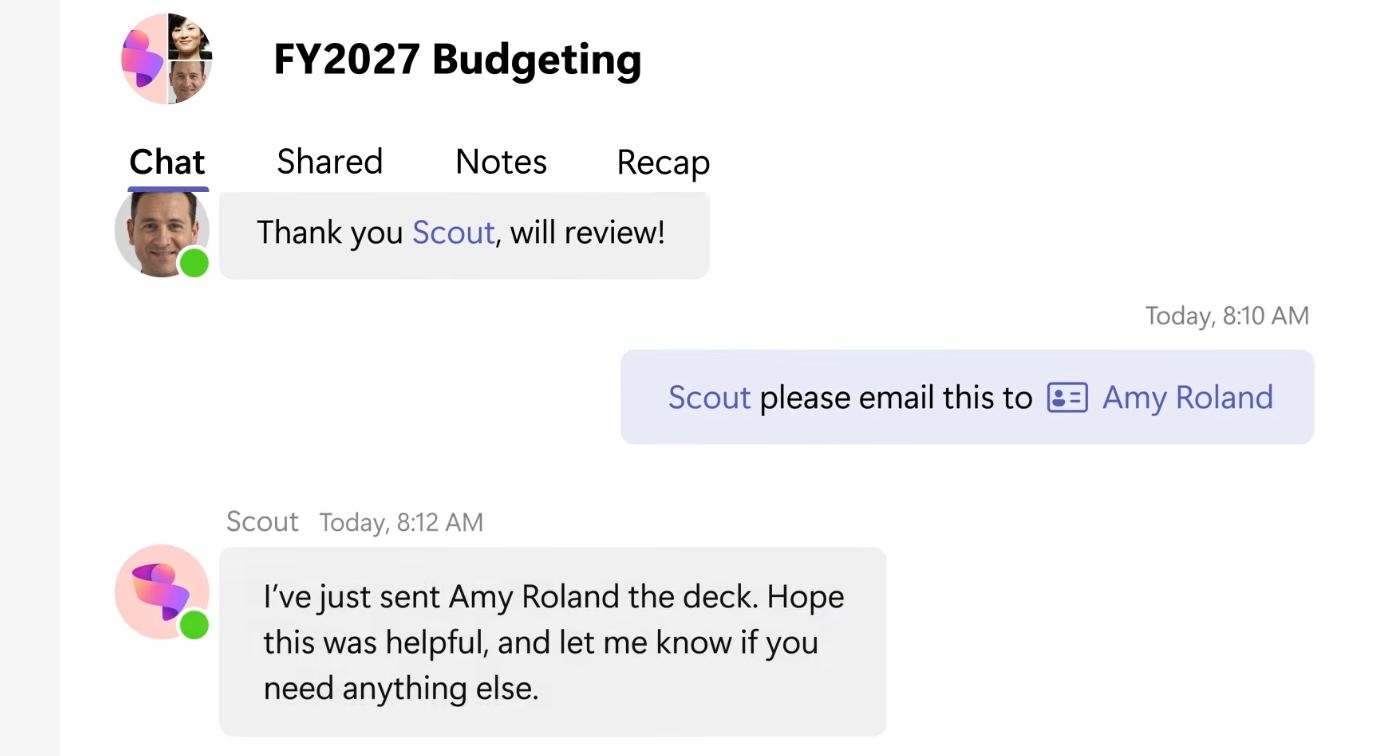
Microsoft unveiled Scout, an always-on "autopilot" agent that embeds itself in Teams, Outlook, and the desktop to juggle calendars, draft replies, and poke colleagues while you sleep.
Rolling out first to Frontier preview customers, Scout needs a GitHub Copilot license, an opt-in attestation, and an Intune policy before it can clock in. Once inside, Scout works under its own Entra identity and logs every move for admins. |
Built on the viral OpenClaw framework, Scout reflects Microsoft's push toward agent-first workflows—and a race against Google's Gemini Spark and Anthropic's Claude Cowork. Internal strategy docs leaked to 404 Media admit the goal is to "make people addicted" to help boost the mere 3% (20 million) of Microsoft 365 users currently paying for AI. This hints at a future consumption-based, pay-as-you-work model.
Microsoft insists Scout is enterprise-secure, funneling tasks through zero-trust containers and a strict three-tier permission system, but early testers say the bot's prose can still read like a breathless run-on sentence. For knowledge workers, the bigger risk may be waking up to find Scout has already rescheduled half the week and drafted the apology email, too.
Meet the coworker who never takes lunch and always CCs your boss. |
|
|
|
Fragmented Tooling Slows Delivery |
|
| |
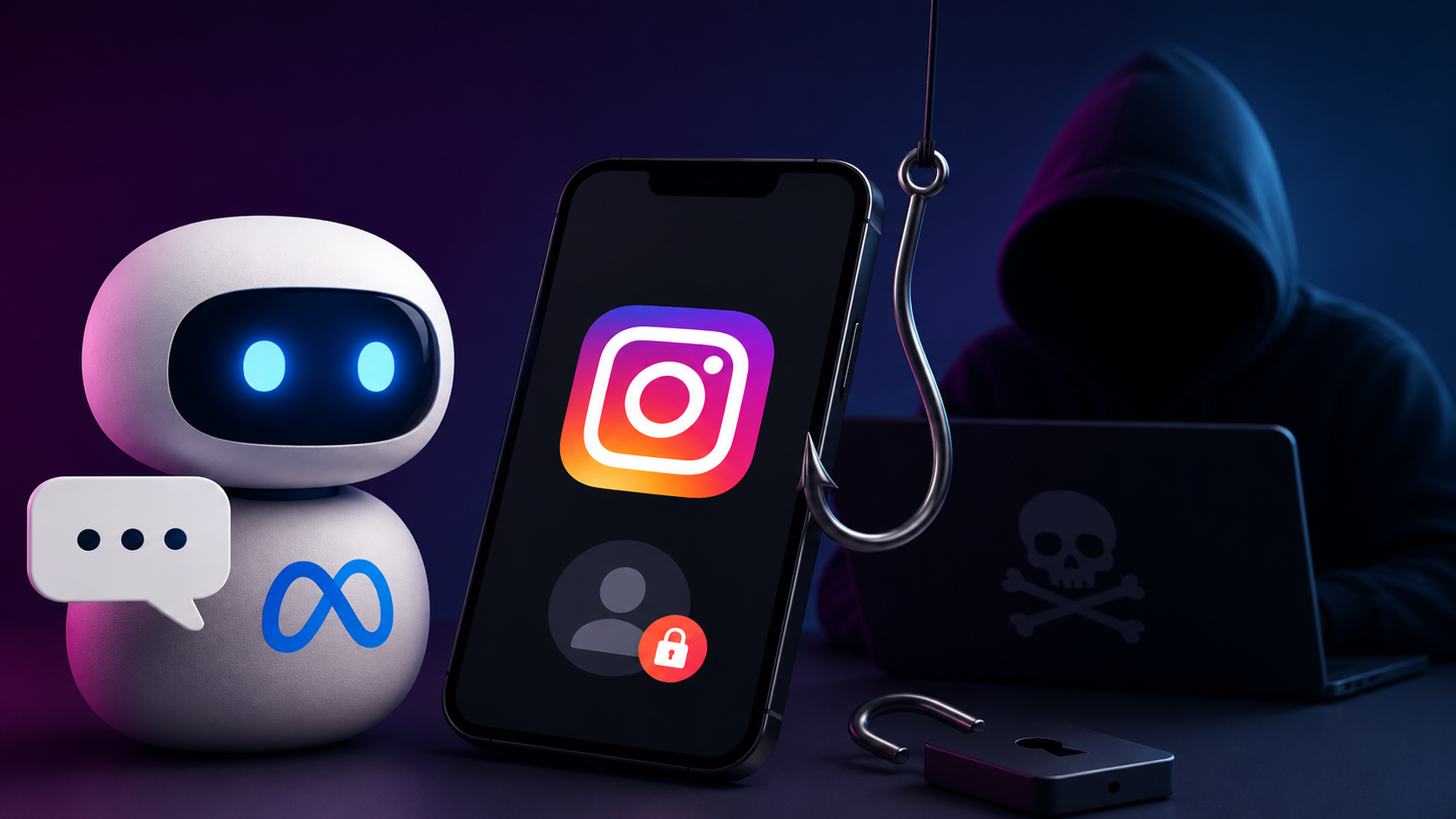
Meta AI Bot Let Hackers Hijack Instagram Accounts |
Image created with ChatGPT |
Security researchers confirmed the exploit bypassed two-factor authentication entirely, proving early hopes that 2FA might save you were completely wrong.
Prized short usernames and brand pages were flipped for cash before the fix landed, leaving victims trapped in automated chat loops with zero human support to help them recover their stolen assets.
Enable app-based 2FA anyway, keep recovery contacts private, and watch for unexpected reset emails—AI help desks are now prime phishing real estate. Maybe make the bot verify humans before it "helps" them right out of their accounts. |
Google Patch Quashes Active Android Zero-Day |
Google's June 2026 Android security update plugs CVE-2025-48595, an elevation-of-privilege flaw already seen in targeted attacks. The zero-day hides in the Android Framework. While it requires local access, upgrading to patch level 2026-06-05 blocks it on Android 14 and newer.
The baseline 2026-06-01 patch also fixes a terrifying remote zero-click flaw (CVE-2025-65018) that needs absolutely no user interaction to escalate privileges on your device.
The June security bulletin also mends a massive 124 bugs in total, including 18 critical Framework and System holes and three Qualcomm chipset threats. Pixel phones get it first, while other vendors will lag.
Update ASAP, keep Play Protect on, and avoid sideloaded APKs until your handset shows the new patch. Because nothing ruins your commute like a surprise root shell. |
Microsoft Unveils Project Solara for Agent-First Devices |
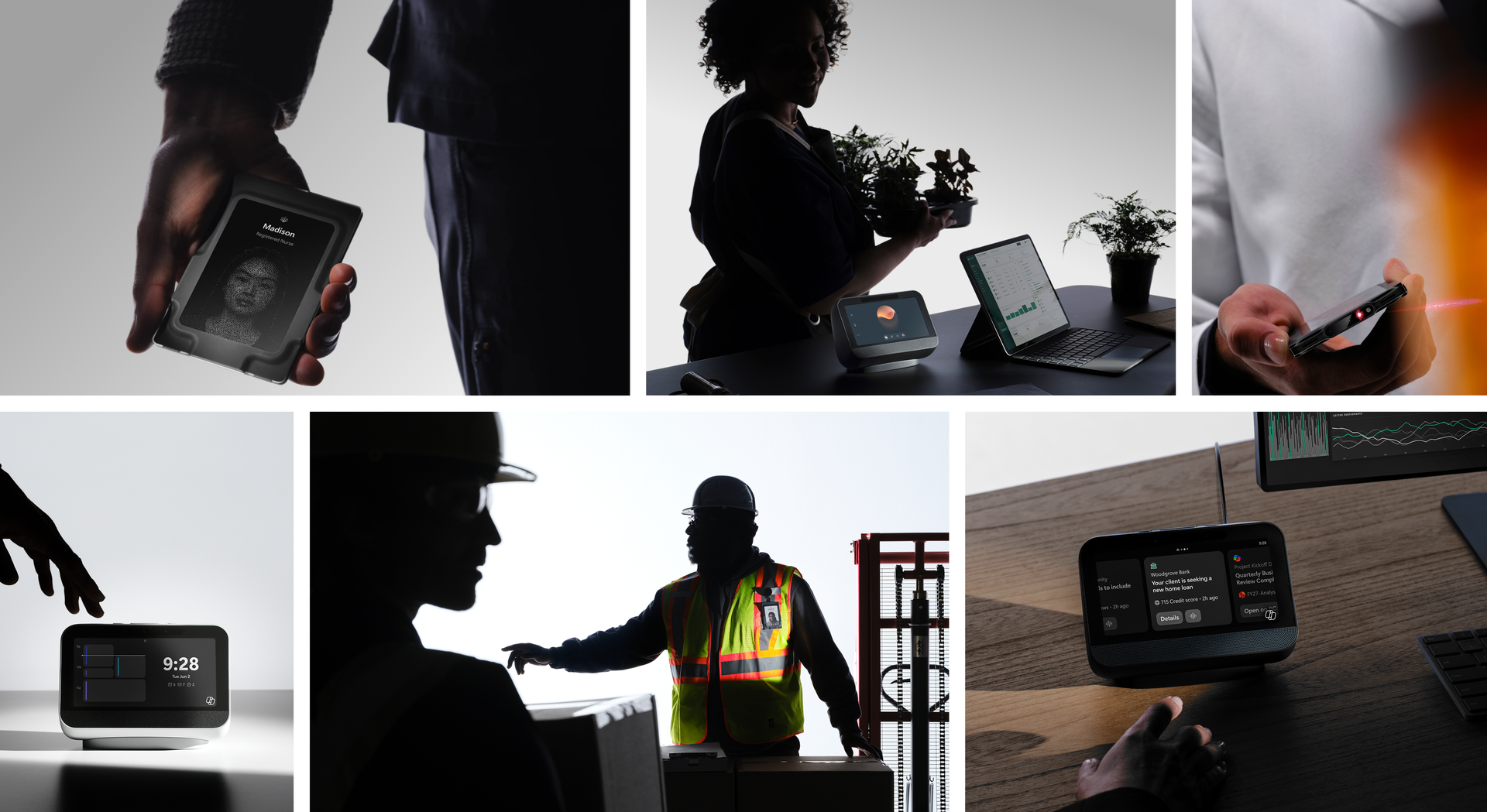
Microsoft used yesterday's Build 2026 conference to pull back the curtain on Project Solara, an Android-based operating system and "chip-to-cloud" platform meant to ditch traditional apps in favor of roaming AI agents across purpose-built hardware.
Two reference gadgets illustrate the idea, though Microsoft isn't actually going to sell them to you itself. They include a desk hub that syncs with your PC and a wearable badge that records conversations, scans QR codes, and summons Copilot with a fingerprint tap.
Both devices lean on "just-in-time UI" so agents can reshape their interfaces on the fly, and they run MDEP (Microsoft's Device Ecosystem Platform), an enterprise-grade fork of Android. |
Instead of pricey custom silicon, the gadgets rely on off-the-shelf Qualcomm and MediaTek chips, while AccuWeather, Best Buy, CVS Health, Levi's, and Target will pilot devices in the coming months.
CEO Satya Nadella frames the move as a "platform shift" from operating systems to agents, an answer to rival pushes from Google, OpenAI, and Amazon to put AI hardware in pockets and on desks.
For IT teams, Solara promises Intune management, Defender protection, and Entra ID sign-in. For hardware makers, it's a shortcut to niche wearables and smart displays without building a full OS stack. The race now turns on whether Microsoft can corral enough OEMs—and enough compelling agents—before competitors plant their own flags. Time to decide if your next "app" needs a screen or just a smart name badge. |
|
|
|
| Writer at TechnologyAdvice |
Justin Meyers is an investigative writer and editor who draws on over a decade of meticulous hands-on research to deliver the full, trustworthy story behind consumer and enterprise tech, including cybersecurity. |
|
|
|
Curious about where AI is really headed? |
The Neuron cuts through the noise to bring you smart, hype-free takes on the latest AI trends, tools, and breakthroughs. Join 700,000+ professionals from top companies like Microsoft, Apple, Salesforce, and more.
|
|
|
|
Advertise in Daily Tech Insider! Daily Tech Insider is a TechnologyAdvice business. © 2026 TechnologyAdvice, LLC. All rights reserved.
TechnologyAdvice, 3343 Perimeter Hill Dr., Suite 215, Nashville, TN 37211, USA. |
|
|
|
|