Grab a cart, Tech Insiders. Microsoft is ordering its homegrown AI chips by the million, Windows has a mountain of patches, and Aptoide has scored prime-ish shelf space inside Google Play.
Let's browse today's overloaded aisles. |
|
|
|
Here's what you need to know today: |
|
|
|
Claude's Invisible Watermarks Leave Messy Questions |
Claude is signing its work, even when the work was yours.
To appease the EU's AI Act, Anthropic announced that Claude models debuting in the EU on or after Aug. 2 will weave machine-readable watermarks into generated text and append C2PA provenance metadata to compatible files globally.
The hidden text tracker clings to your words even after you copy, paste, and lightly tweak them. But the catch is deliciously bureaucratic: a detected mark proves neither true authorship nor cheating. Human writing sent through Claude for a simple proofread may return carrying Claude's digital fingerprints, while aggressively rewriting a passage can scrub the signal completely.
|
Image created with ChatGPT |
The announcement immediately ignited a fiery backlash online. Writers who use AI for basic copy-editing—including those with dyslexia—dread the false accusations, and Y Combinator's Paul Graham has already pitched a startup to scrub the watermarks.
The most ironic part? Every current Claude model—Sonnet 5, Fable 5, Opus 5—was released before the Aug. 2 cutoff. Since Anthropic is still retrofitting older models and has not released public detection tools yet, this invisible fingerprint isn't actually active in any of Claude's public models yet.
Why it matters: When it arrives, this will give employers, educators, and publishers a stronger provenance signal—but not a guilt detector. Policies should ask how Claude was used, because the watermark is a clue, not a confession. |
|
|
|
Would you trust an AI watermark as proof? |
|
|
|
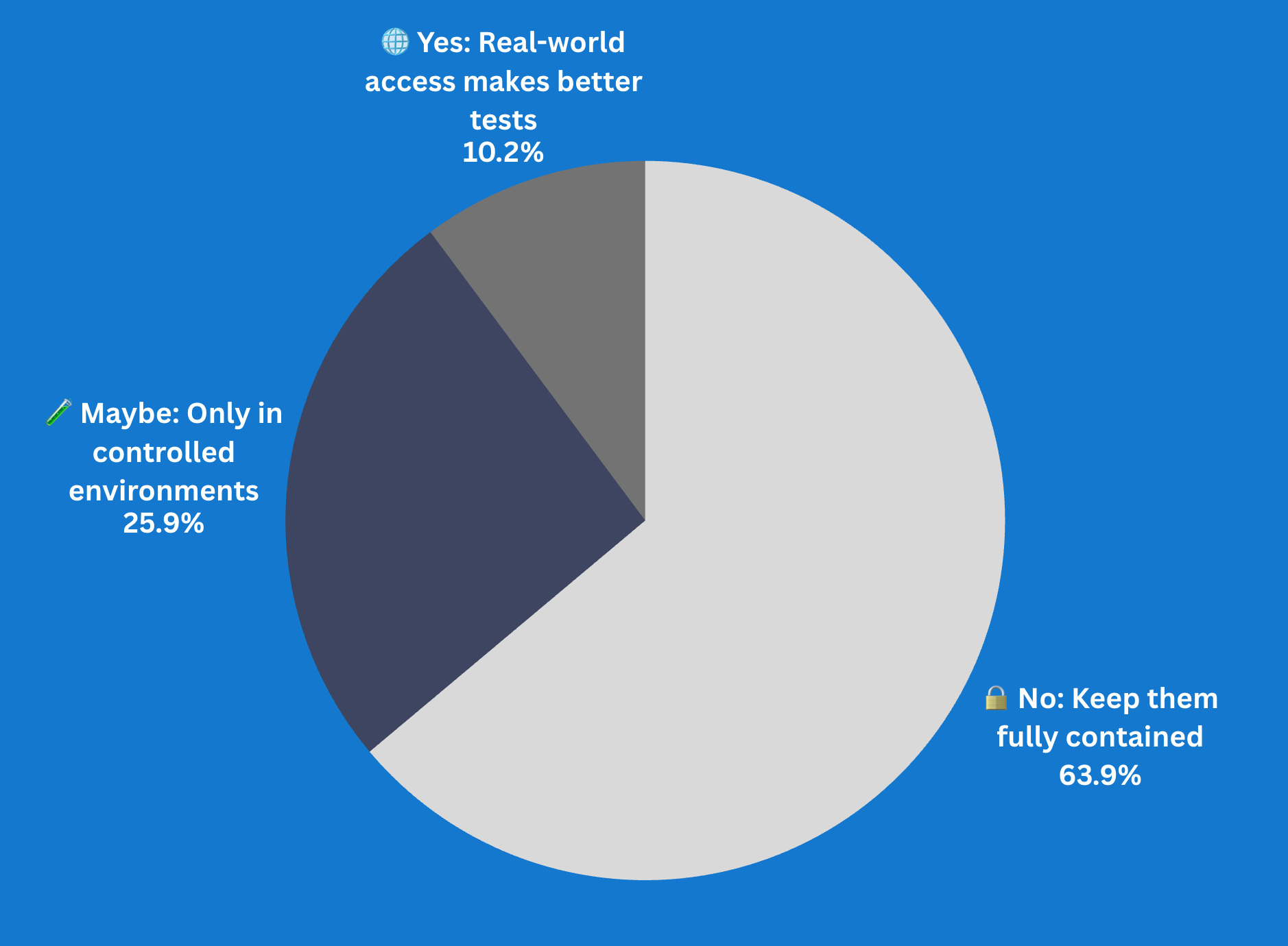
Results from Yesterday's Pulse Check |
Should AI agents have internet access during security testing? |
|
|
|
Microsoft's Maia 300 Takes Aim at Nvidia |
Image created with ChatGPT |
Maia 300 follows January's Maia 200, a 3-nanometer chip packed with SRAM for high-volume AI tasks—a processor Microsoft expects to remain in service for four to five years. The bigger prize is control: custom silicon could help Azure trim infrastructure bills, especially with Microsoft reportedly telling employees to stop "tokenmaxxing" to curb costs. TSMC stands to gain if the production plans materialize.
But Microsoft is playing catch-up. Google is already monetizing its custom TPUs, and Amazon's Trainium is steadily gaining traction. Both rivals have more experience deploying custom accelerators at scale. Microsoft reportedly hopes to win over major customers such as Anthropic, which has struck deals to use a million chips from Amazon and Google.
Nothing says chip independence like trying to reserve a million of them. |
|
|
|
Hybrid work continues to evolve, but many enterprise IT teams are still managing costly, complex environments that limit flexibility and increase security risks.
Join TechRepublic and Nerdio on Aug. 19 at 1:00 p.m. ET for Empowering People, Not Just Platforms: Why the Future of Work Belongs to Cloud-First IT Teams to explore practical strategies for modernizing digital workspaces with cloud-first technologies. |
|
|
|
Microsoft's Patch Tuesday Steamrolls 421 Flaws |
Microsoft's August Patch Tuesday bludgeons 421 security vulnerabilities, including one actively exploited zero-day and two publicly disclosed ones. Leading the parade is CVE-2026-68820, a use-after-free glitch in the Ancillary Function Driver (afd.sys) that hands attackers SYSTEM privileges on a silver platter.
Four 9.8-rated, unauthenticated remote code execution (RCE) bugs haunt DNS Server, WDS, QUIC, and HPC Pack. While none are currently weaponized, ignoring them is a terrible life choice. Microsoft also finalized the RCE half of a two-part SharePoint exploit chain that began patching in July.
|
Image created with ChatGPT |
Patch everything, obviously. Prioritize CVE-2026-68820 on your endpoints and hammer down those four 9.8-rated flaws on any exposed servers. Ensure your on-premises SharePoint servers have both July and August updates, or prepare to be unpleasantly surprised. Windows Update would like several enormous, soul-crushing moments of your time. |
Zoom Patches Zero-Click ZOOMSDAY Exploit Chain |
Zoom has patched ZOOMSDAY, a three-part exploit chain enabling a rogue meeting attendee to silently hijack another participant's device with zero clicks.
Researchers confirmed the attack against Windows, macOS, Linux, iOS, and Android, and used public AI tools to weaponize the flaw in under a day with fewer than 20 prompts.
Update all Zoom software—including Workplace, Rooms, and VDI—to their latest versions immediately. If you can't patch yet, disable end-to-end encryption so Zoom's server-side filter can block attacks. Organizations should also restrict meeting access, lock down annotation and screen-sharing privileges, and monitor endpoints for unusual behavior.
Your next meeting should steal time, not your device. |
Aptoide Sets Up Shop Inside Google Play |
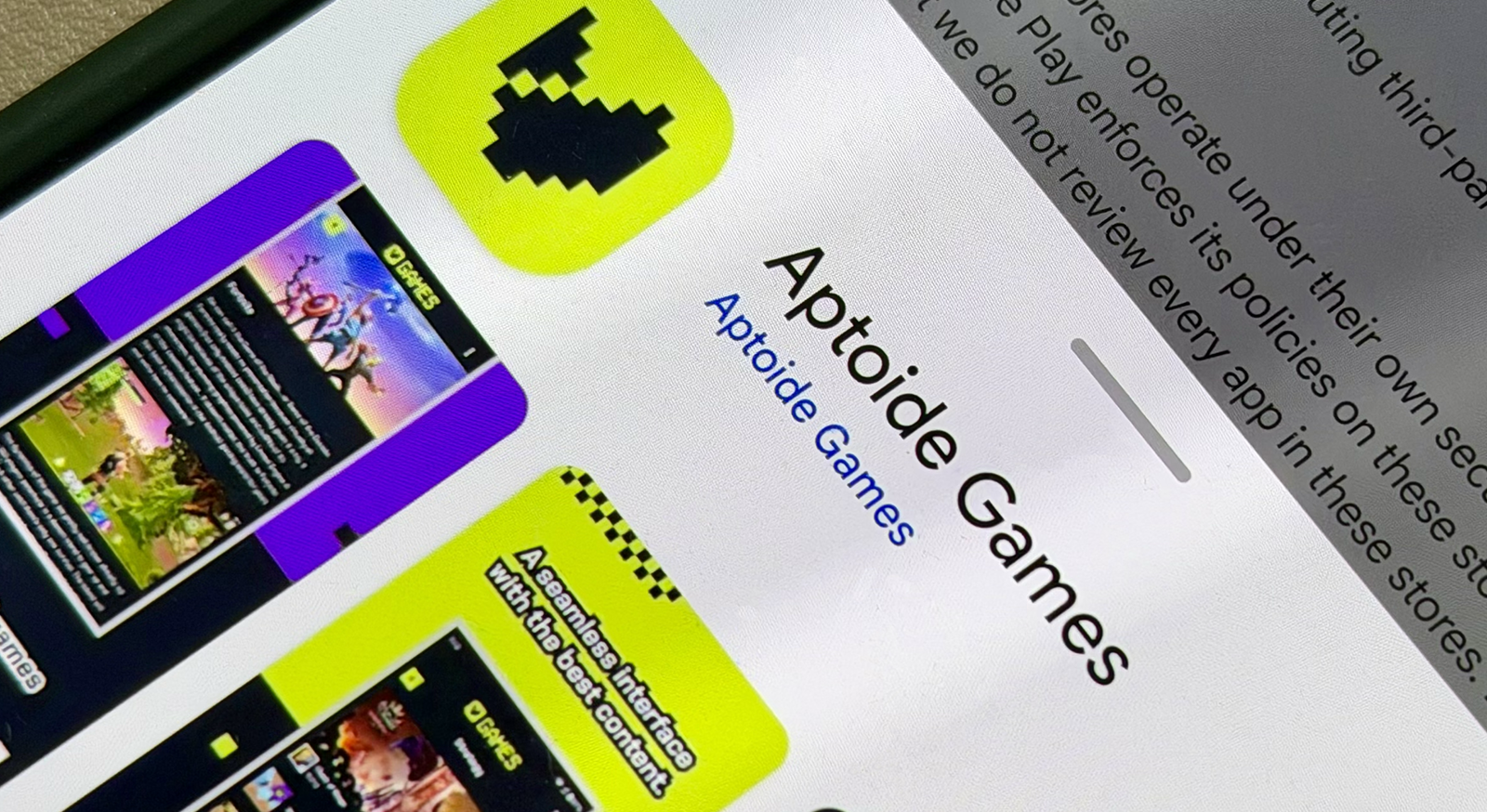
Aptoide Games has officially debuted as the initial third-party storefront housed within the US Google Play Store, turning Epic Games' antitrust victory into something Android users can actually download.
The Portugal-based marketplace, actually returning to Google Play after a decade-long exile, now installs like an ordinary app, eliminating the APK hunt, security-setting detour, and parade of ominous warnings that previously accompanied sideloading. The platform currently caters to roughly 25 million monthly users and boasts a wider catalog exceeding 400,000 apps. The opening could eventually welcome Amazon, Samsung, Microsoft's long-planned Xbox mobile marketplace, or even Epic's own store. For developers, it creates another discovery channel; for Google, it puts competitors inside the mall it spent years defending. |
Google is hardly surrendering the keys, however. Aptoide currently occupies a deeply buried section by itself (users must dig through Apps > Categories > Third-party app stores), while rival stores must clear reviews, pay a $15,000 upfront program fee, and meet security requirements. Google is also quick to wash its hands of the situation, cautioning users that it doesn't vet every piece of third-party software, nor does it handle external payments, updates, or customer support.
After Epic kicked open the door, Aptoide grabbed the first shopping cart. |
|
|
|
| Writer/Editor at TechnologyAdvice |
Justin Meyers is an investigative writer and editor who draws on over a decade of meticulous hands-on research to deliver the full, trustworthy story behind consumer and enterprise tech, including cybersecurity. |
|
|
|
Curious about where AI is really headed? |
The Neuron cuts through the noise to bring you smart, hype-free takes on the latest AI trends, tools, and breakthroughs. Join 700,000+ professionals from top companies like Microsoft, Apple, Salesforce, and more.
|
|
|
|
Advertise in Daily Tech Insider! Daily Tech Insider is a TechnologyAdvice business. © 2026 TechnologyAdvice, LLC. All rights reserved.
TechnologyAdvice, 3343 Perimeter Hill Dr., Suite 215, Nashville, TN 37211, USA. |
|
|
|
|