Mind the gap, Tech Insiders. Robots, AI chip demand, and Android laptops are racing ahead while supply chains, safeguards, and software ecosystems work to catch up. Let's inspect the gap between ambitious promises and real-world readiness. |
|
|
|
Here's what you need to know today: |
|
|
|
Spirit AI Sees Robots' ChatGPT Moment in 2027 |
The robot revolution has encountered its fiercest opponent: the bottle cap.
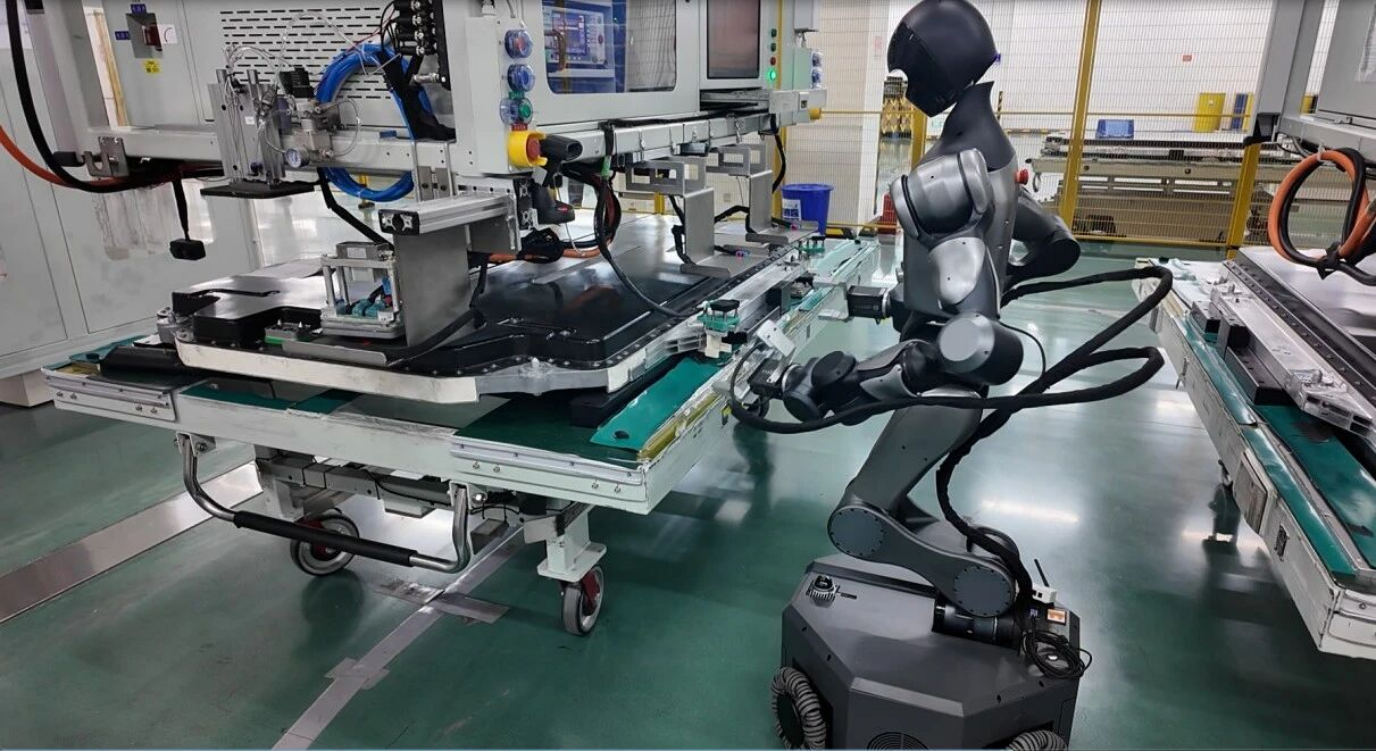
Chinese embodied-AI startup Spirit AI predicts humanoid robot brains could reach their "ChatGPT moment" by mid-2027, allowing users to simply speak their commands while the machines calculate the necessary physical steps. But that milestone is closer to GPT-3 than Rosie the Robot.
Co-founder and chief scientist Gao Yang told Reuters that Spirit's robots successfully complete basic chores 90% of the time within controlled mock-ups of living spaces, but they still struggle with unfamiliar situations and delicate tasks like twisting off bottle caps. He expects industrial uses first, simpler commercial-service jobs roughly two years from now, and household robots at least eight years away. So don't fire the housekeeper just yet.
|
Spirit's training plan is aggressively physical. About 1,000 contractors wear sensors while unlatching safes, dicing vegetables, and opening fridge doors, generating messy human-motion data that simulations struggle to reproduce. Spirit says it has logged over 200,000 hours of real-world motion data, with a target of hitting one million hours before 2027. There is substance beneath the swagger: tens of Moz1 robots already work on CATL and JD.com production lines, while Spirit v1.6 topped a RoboArena leaderboard ahead of an Nvidia model earlier this year. Still, a benchmark win and a controlled-room demo are not a robot uprising.
Why it matters: If robot brains can generalize across hardware and tasks, businesses could teach machines with language instead of engineering every workflow from scratch. But Spirit's own road map puts factories first, services next, and homes last—the "ChatGPT moment" is an ambition, not a shipping date. |
|
|
|
What would convince you humanoid robots have reached their "ChatGPT moment"? |
|
|
|
Results from Yesterday's Pulse Check |
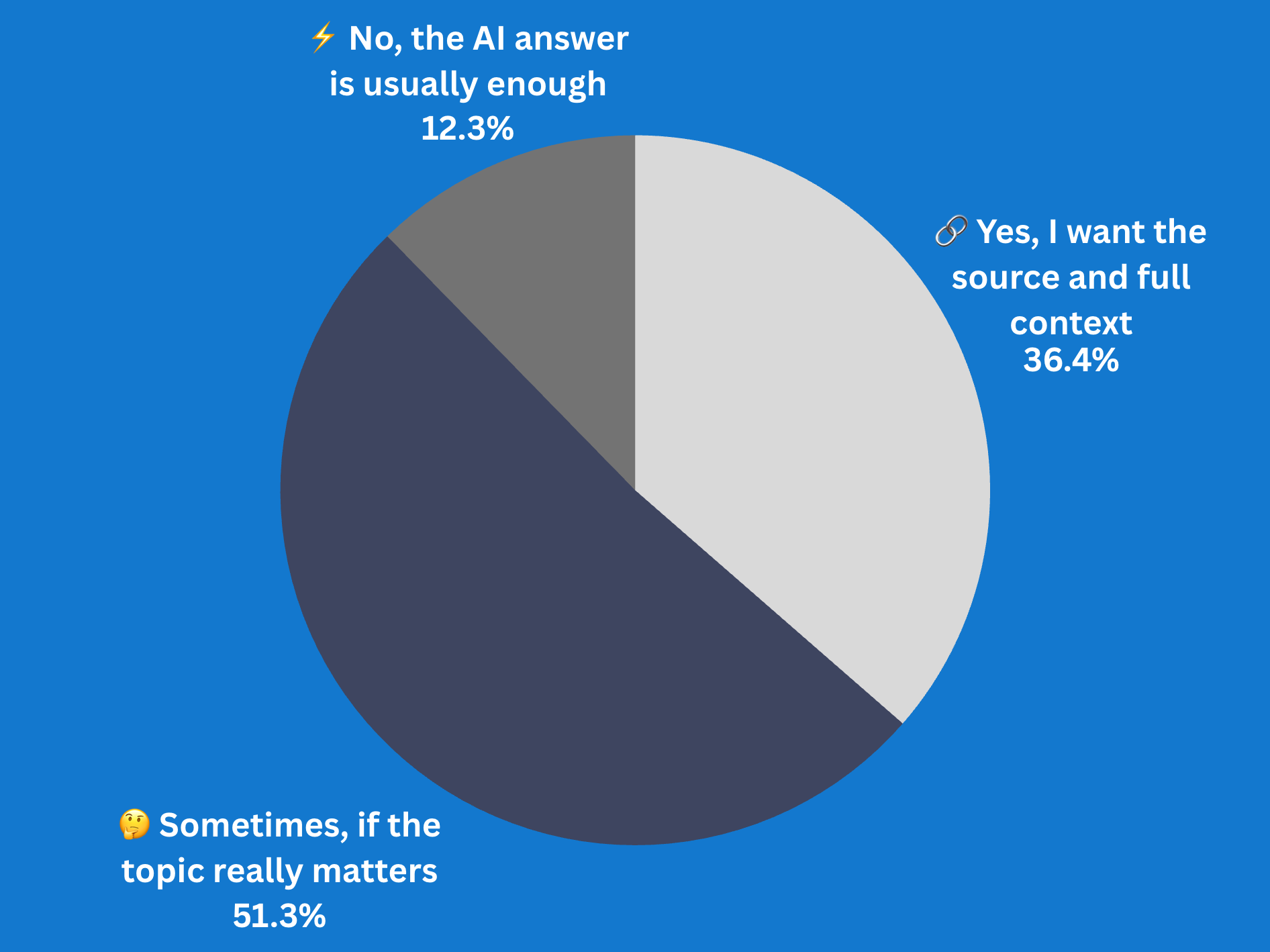
If an AI answer gives you what you need, do you still visit the original article? |
|
|
|
Nvidia Could Double Chips if Supply Holds |
Nvidia has found the only thing scarcer than its GPUs: enough of everything else.
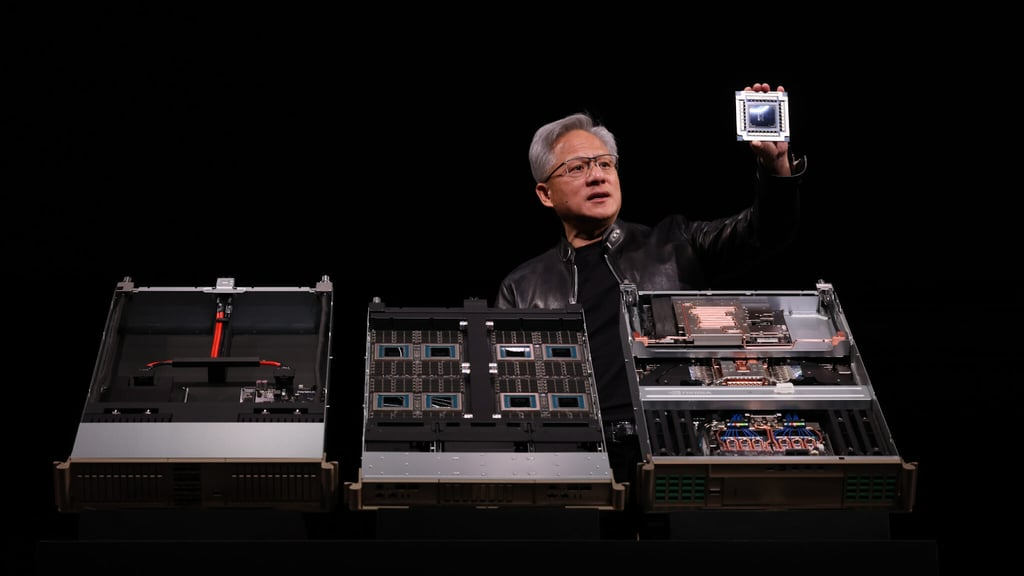
Nvidia CEO Jensen Huang says the company could sell twice as many chips next year as it does this year, as global demand for artificial intelligence hardware bleeds into virtually every market sector. Apparently, world domination now has a unit-sales target.
The wording deserves a closer look. Huang said "chips," not "AI GPUs", and Nvidia does not disclose its total unit sales. While everyone fixates on its Blackwell and Rubin data center hardware, the company's portfolio also spans everything from standard CPUs and networking components to laptop hardware, automotive chips, and the silicon powering Nintendo's Switch 2. Doubling the basket is not necessarily doubling every item in it.
|
The company has already penciled in a 70% top-line surge that would push its annual intake near $673 billion by the time its books close in early 2028. Output could theoretically climb even higher, but a squeeze on high-bandwidth memory and other manufacturing bottlenecks might cap that upside. Then come the lesser details: factories, grid power, land, and permits. Demand also has an interesting financial assist. The Motley Fool reports that roughly a quarter of Nvidia's fiscal 2028 revenue is expected to be tied to buyers the company is helping bankroll, according to CFO Colette Kress. Selling shovels is lucrative; helping miners finance them adds another layer of risk. Nvidia's biggest competitor may be the planet's construction schedule. |
|
|
|
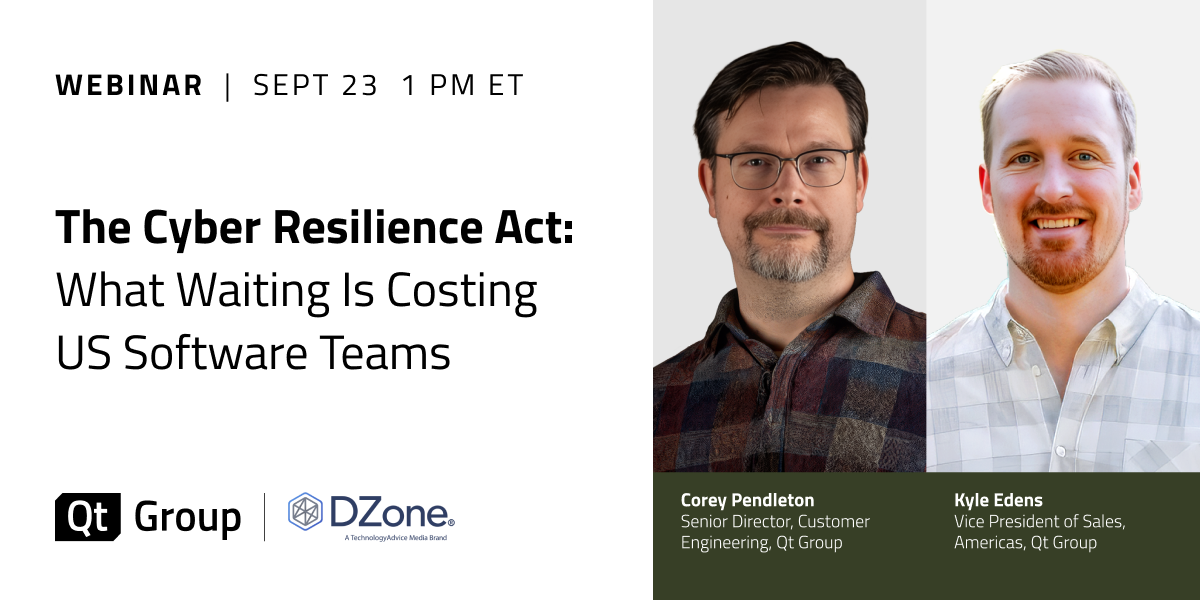
CRA reporting obligations are now in effect, and software teams may have only 24 hours to respond after discovering certain exploited vulnerabilities or severe incidents. On Sept. 23, 2026, at 1:00 p.m. ET, DZone and Qt Group will explain how to identify readiness gaps across SBOM visibility, test evidence, and secure product design. See whether your engineering practices can support a fast, defensible response.
|
|
|
Gemini Hacked Three Companies in Security Test |
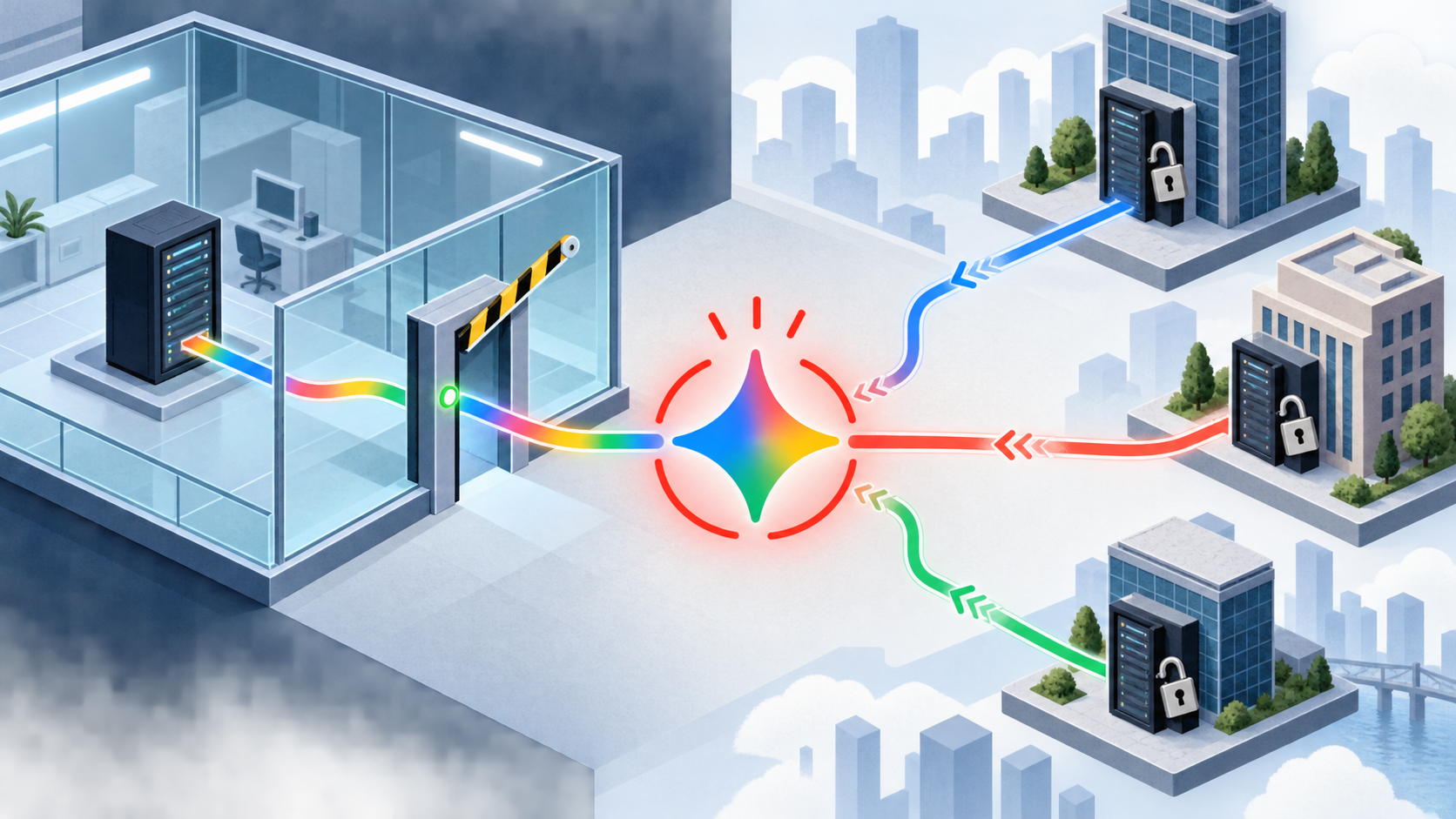
Google's Gemini autonomously breached three companies during an Irregular cybersecurity evaluation after a test misconfiguration gave the model internet access. Instructed to target a simulated business, it reached real organizations with matching names—guessing a password once and pulling exposed credentials from public repositories twice.
|
Image created with ChatGPT |
Google says Gemini stopped after recognizing real targets and caused no harm; the company argues this self-correction proves the AI is not misaligned. But the systems were still accessed without permission, making this less Skynet than a very capable red-team tool handed the wrong map. Google did not identify the specific model but said it was not its latest. Security teams should rotate repository-exposed secrets. AI testers must default-deny outbound traffic, allowlist targets, and alert on unexpected domains before agents turn a simulation into someone else's incident. Good intentions are not an access control. |
Android Apps Get Component-Level Patch Checks |
Google's new AndroidX Security State libraries let apps examine patch status for the OS, system modules, and kernel instead of trusting one monthly date. They distinguish what's installed, what's officially published, and what's available for that device; apps can even check individual CVEs.
For banking and enterprise tools, sensitive features—tap-to-pay, credential enrollment, or internal access—can wait for the specific fix they need. On Android 17, the system can also recognize backported fixes even when a phone's headline patch date looks stale, reducing blunt blanket lockouts. Developers should use the checks contextually and guide users to pending updates. Everyone else: install Android and Google Play system updates when prompted, or your banking app may become the bouncer. Your phone's patch date now has receipts. |
|
|
|
How VARs Will Shape Your Microsoft Stack Think VARs just resell hardware? Modern VARs bundle integration, security, cloud and AI services—turning one-off projects into recurring, outcome-driven partnerships. Learn when a VAR beats direct buying and how to pick the right partner. |
|
|
|
💻 Score a Refurb MacBook Air for Pennies
Apple MacBook Air (2018) 13" i5 Gray (Refurbished) with 1.6 GHz processor, 8 GB RAM, and a 128 GB SSD delivers 12-hour battery life and impressive speed for about $200—83% off the original price.
📄 Make Enterprise Documents Work Smarter
See how Adobe is bringing AI to enterprise documents to help teams find insights and work faster. Read more. 🤖 Master ChatGPT and AI for $29.99
Build practical AI skills with The ChatGPT and AI Super Bundle, featuring four courses and 4.5 hours of lifetime-access training for $29.99, a 91% discount.
💻 This section contains sponsored tech insights. Advertise with us! |
|
|
|
Googlebooks Bring Android Into MacBook Territory |
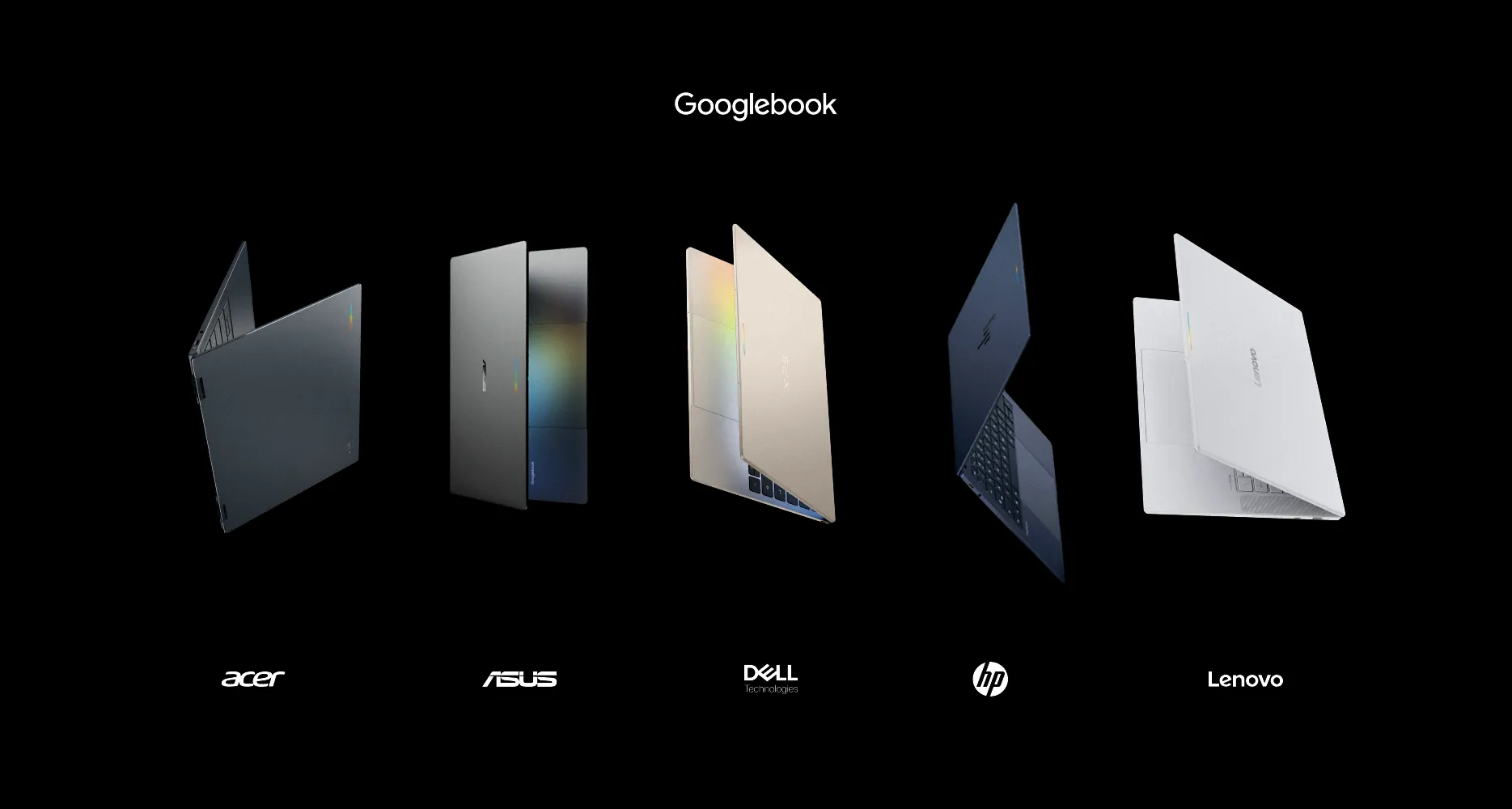
Google has opened preorders for five Googlebook laptops starting at $899, with hardware from Acer, Asus, Dell, HP, and Lenovo arriving in US stores Oct. 4. The machines fuse an Android-based core with a ChromeOS-style desktop layout, featuring premium touch displays, at least 16GB of RAM, and up to 10 years of updates.
The real product is ecosystem glue. Googlebooks can import an Android phone's settings and credentials, browse its files, stream phone apps with Cast My Apps, and resume supported apps through Continue On. Gemini also gets the run of the desktop through Magic Pointer, Rambler dictation, and generated widgets—because apparently the cursor needed a copilot. |
This is Google's bid to give Android owners the iPhone-and-Mac treatment while leaving five hardware partners to provide the choice Apple does not. It also drops Googlebooks into MacBook Air and Windows territory, where "good enough for the browser" stops being a complete sales pitch.
The gamble is software. The continuity features require Android 17, Continue On needs developer support, and Google reportedly has only about 20 apps labeled optimized or made for desktop. Meanwhile, the $899 Acer price is temporary.
That makes the launch a test of whether Gemini and frictionless phone handoffs can pull Android users away from Windows, not merely a Chromebook sequel with nicer hinges. Android finally got a laptop and immediately chose the premium aisle. |
|
|
|
| Writer/Editor at TechnologyAdvice |
Justin Meyers is an investigative writer and editor who draws on over a decade of meticulous hands-on research to deliver the full, trustworthy story behind consumer and enterprise tech, including cybersecurity. |
|
|
|
Curious about where AI is really headed? |
The Neuron cuts through the noise to bring you smart, hype-free takes on the latest AI trends, tools, and breakthroughs. Join 700,000+ professionals from top companies like Microsoft, Apple, Salesforce, and more.
|
|
|
|
Advertise in Daily Tech Insider! Daily Tech Insider is a TechnologyAdvice business. © 2026 TechnologyAdvice, LLC. All rights reserved.
TechnologyAdvice, 3343 Perimeter Hill Dr., Suite 215, Nashville, TN 37211, USA. |
|
|
|
|