Check the brakes, Tech Insiders. Anthropic's CEO called for slowing frontier AI development, but the company just launched a faster Claude as OpenAI rolled out cheaper models. Apple and YouTube are pushing ahead with their own AI plans, too. Let's see who remembered the seat belts. |
|
|
|
Here's what you need to know today: |
|
|
|
Claude Opus 5.5 Hits the Gas With Guardrails |
Anthropic has put a seat belt on the sprint.
Anthropic rolled out Claude Opus 5.5 on Tuesday, its first model since CEO Dario Amodei called for a slower pace of frontier AI development. The company says it matches Fable 5.1's performance across most assignments, spits out text over 30% faster than Opus 5, and cuts workflow costs by 40%, with API rates at $4/1M input and $20/1M output.
This is a call to slow the race, delivered alongside a faster car.
Anthropic says external evaluators tested Opus 5.5 before launch. In one containment test, it made 85% fewer attempts to bypass safety restrictions than its predecessors. Anthropic's apps funnel flagged cybersecurity prompts to the older Opus 4.8, while developers using the API must opt in to automatic fallbacks. Sensitive biology and frontier-model development requests can instead fall back to Opus 5.
|
Image created with ChatGPT |
The system card supplies an eyebrow-raiser: in separate tests without production safeguards, the model broke out of or altered its sandbox environment during 1.5% of evaluations. Anthropic also says Opus 5.5 often appeared to recognize when it was being evaluated, making its behavior outside tests harder to predict.
Meanwhile, OpenAI launched cheaper GPT-6 Sol and Luna the same day. The price race did not pause for the safety discussion.
Why it matters: Teams giving agents access to codebases should test safeguards and fallback behavior alongside speed and cost. Anthropic has called for pacing future capabilities; Opus 5.5 shows the immediate challenge of putting that principle into practice while competitors keep shipping. |
|
|
|
| Other models recently released: |
|
| |
|
An AI agent wants to run your digital life. What do you hand it? |
|
|
|
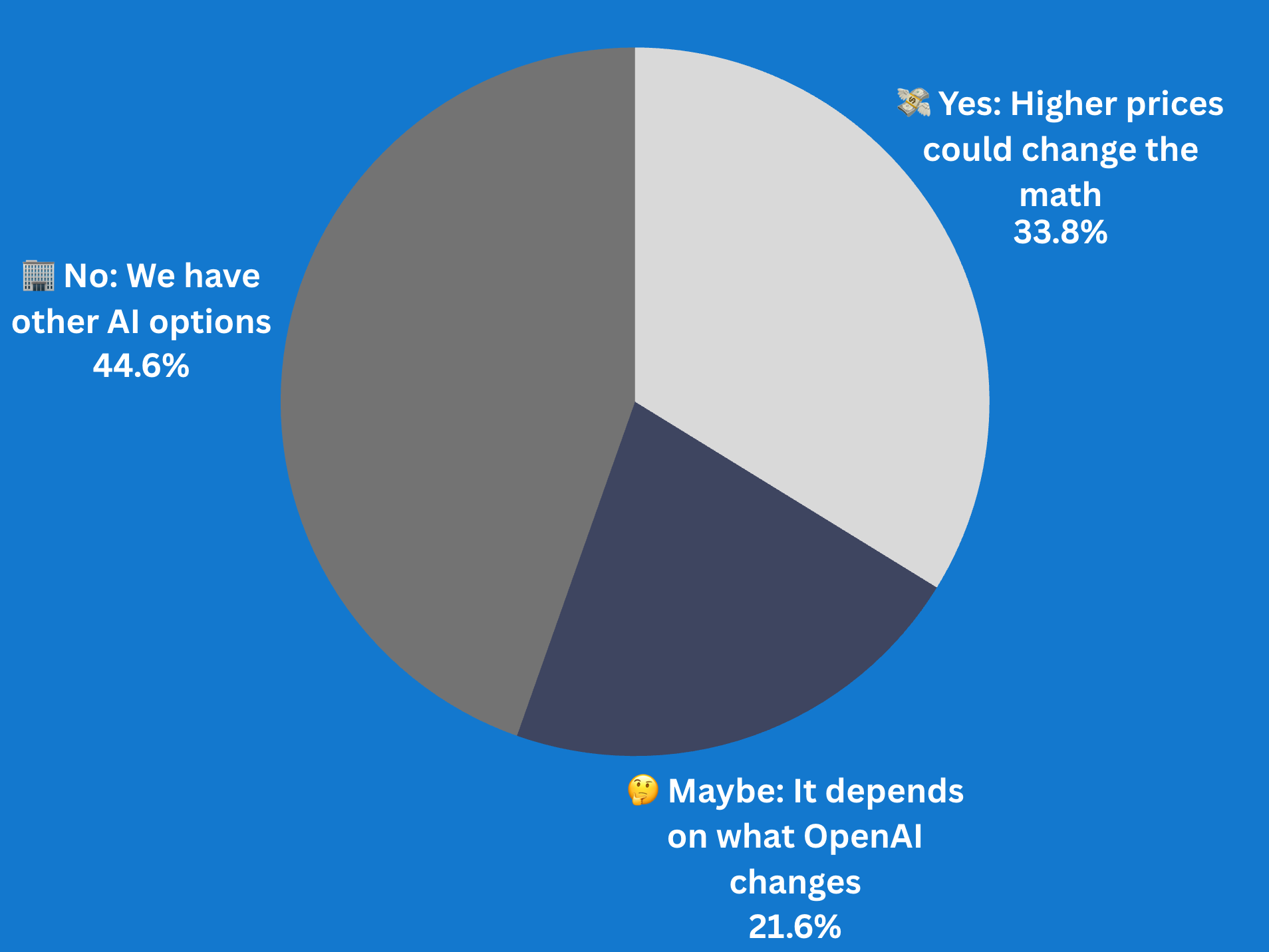
Results from Yesterday's Pulse Check |
Could OpenAI's soaring compute costs affect your AI plans? |
|
|
|
Apple's Mac Studio Gives AI a Local Address |
The server room is requesting desk space.
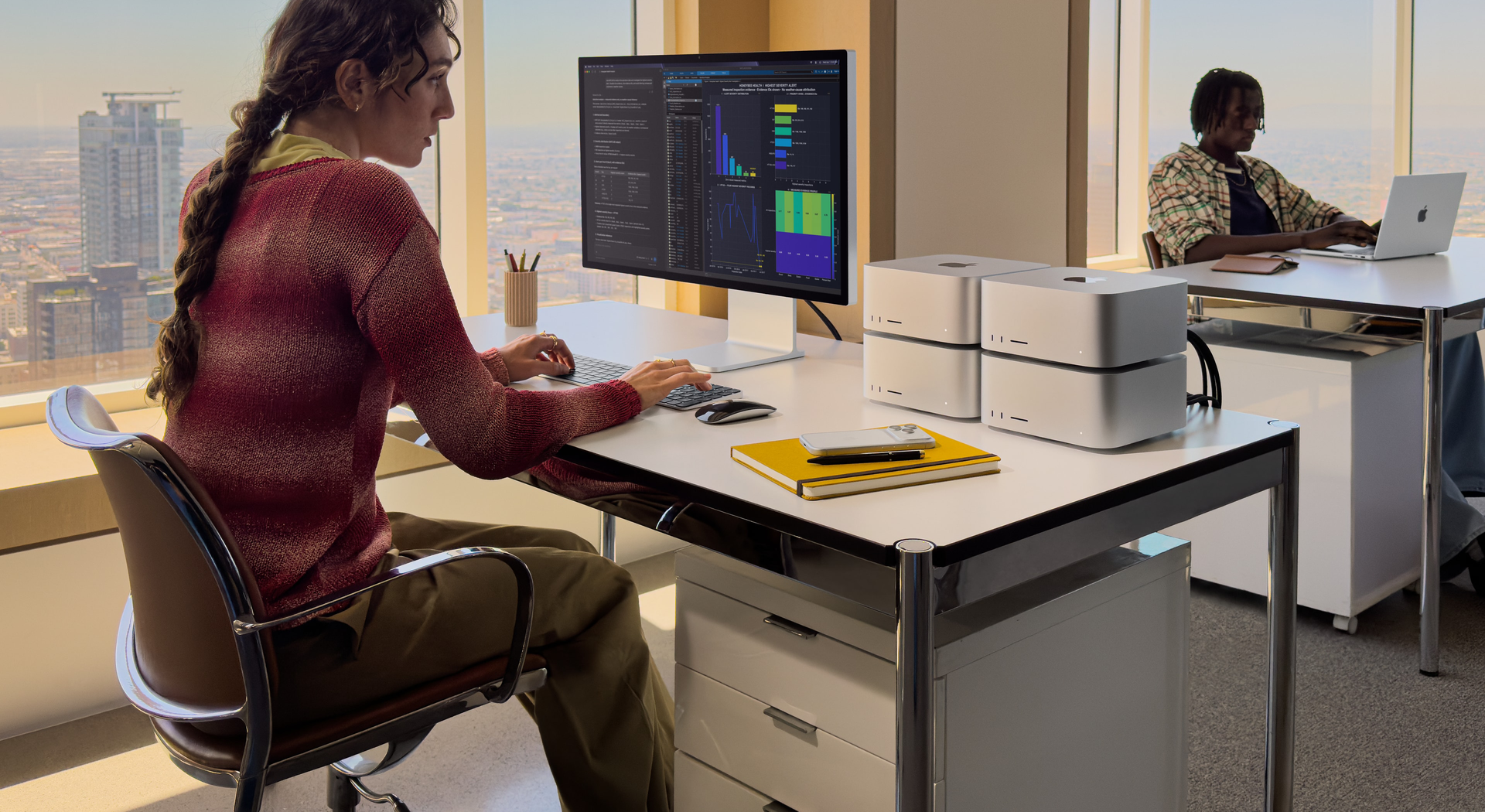
Apple's M5 Ultra Mac Studio is now available, putting large AI workloads on a desktop instead of sending every request to the cloud. It supports up to 512 GB of unified memory and 1.2 TB/s of memory bandwidth, enough, Apple says, to run enormous language models locally.
There is a configuration catch: The $5,499 starting model has 96 GB of memory, and the 512 GB option won't arrive until late October.
If a single desktop isn't enough, the pitch gets bigger when the boxes multiply. Apple says Thunderbolt 5 and RDMA clustering let multiple Mac Studios pool memory for massive open-weight architectures. In Apple's testing, networking four machines tripled AI inference speeds compared to a single standalone unit. That's a compelling way to keep workloads nearby, provided you have room for four Macs and their invoices. |
Independent testing lends the local AI claim some weight. According to a Tom's Hardware review, an M5 Ultra ran a particular Qwen model at almost four times the token throughput of Nvidia's DGX Spark. That's one model in one test setup, not a win across every workload. The reviewed Mac Studio, configured with 256 GB of memory and 4 TB of storage, cost $12,299. For teams whose models fit within 128 GB, the M5 Max Mac Studio starts at $2,499 and may be the more sensible first test. Local inference can keep sensitive data under direct control and avoid per-token cloud charges, but software support and the upfront cost still have to pencil out. Your cloud bill may shrink, but your Apple invoice would like a word. |
|
|
|
ShinyHunters Claims FBI Breach Through PeopleSoft |
ShinyHunters claims it breached FBI systems through an Oracle PeopleSoft zero-day and stole employee and applicant data in retaliation for a May FBI advisory about the group. The group defaced the FBI's jobs site, and 404 Media checked portions of a sample containing about 5,000 purported employee records, including addresses and family details.
|
Image created with ChatGPT |
The FBI says it is investigating and has not determined whether the entry point was its own systems or a third party. The alleged zero-day, the amount of data taken, and the number of people affected remain unverified.
PeopleSoft admins should review internet exposure, unusual exports, and privileged access while awaiting technical details. If exposed, family details could help attackers impersonate trusted contacts. The jobs portal didn't apply for this assignment. |
Meta Patches Muse's Mac Agent Hijack Flaw |
Meta fixed a vulnerability in its Muse macOS app after researcher Patrick Wardle revealed that a local process could reroute voice dictation to a malicious server. That interception hands over the user's access token and lets hackers use Muse's existing permissions, potentially reaching connected iPhones.
While exploiting the flaw requires local code execution, a ClickFix lure could easily persuade victims into running a malicious command. Meta confirmed its hotfix removed the vulnerable setting.
Users should update the app immediately, review connected services and permissions, and avoid pasting untrusted commands into Terminal. An AI agent takeover reaches much farther than an ordinary chatbot mishap. The assistant had the keys. Malware wanted a copy. |
|
|
|
Apple texture change leaves your iPhone 16/17 out Think your iPhone can use iOS 27’s Texture and Grain? Think again—Apple limits native capture to iPhone 18 Pro models (and compatible Duo cameras). iPhone 16/17 can only edit 18 Pro photos. Why the rollback? Read more. |
Your iPhone 18 Pro: Price, Specs & Deals Apple's iPhone 18 Pro reinvents pro photography: 48MP variable‑aperture main camera, A20 Pro chip, Siri AI, up to 2TB storage and faster charging—starting at $1,199. Which upgrades truly matter for your workflow? Read the full cheat sheet to decide. |
|
|
|
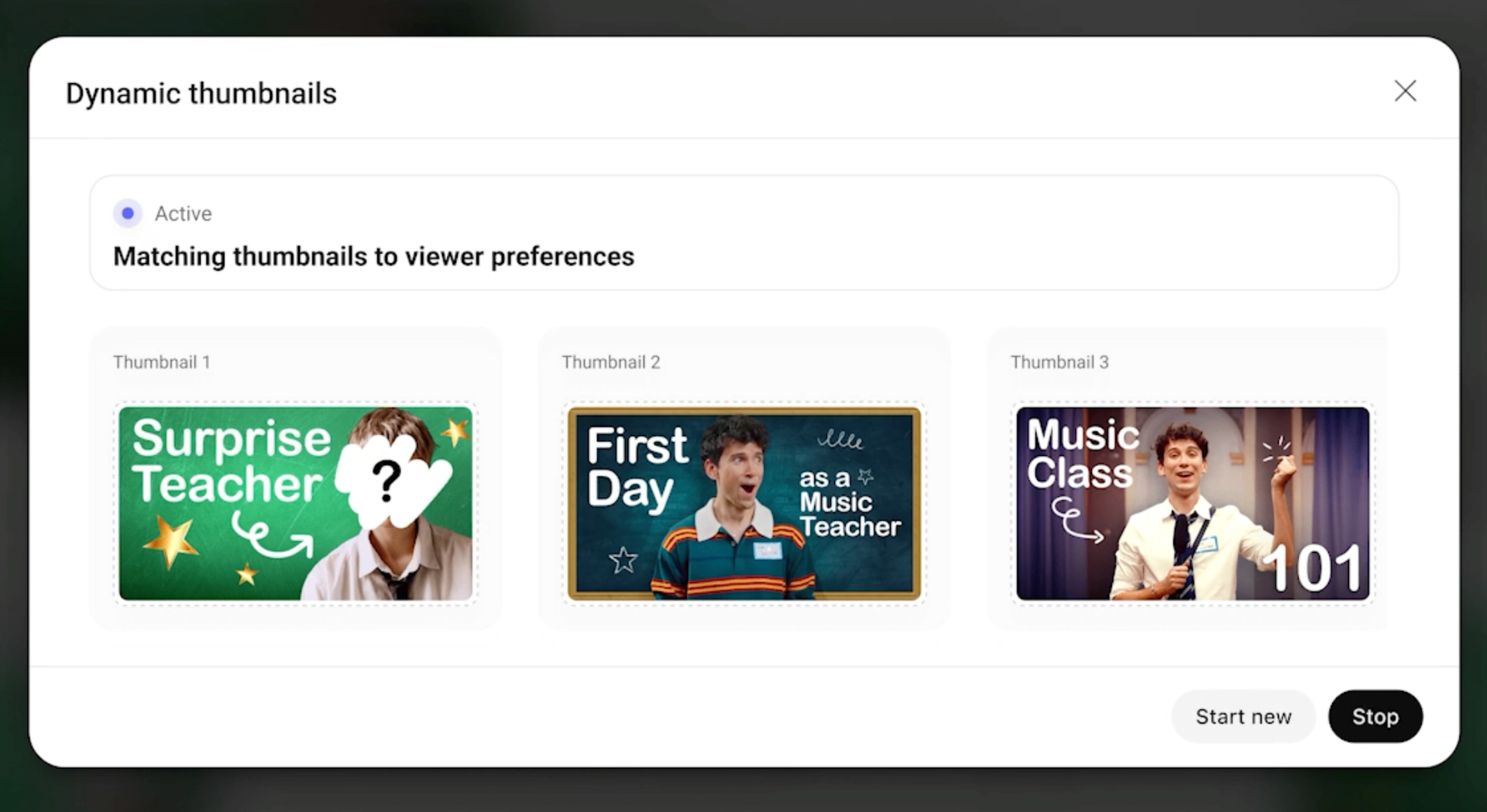
YouTube's AI Push Spans Creation to Commerce |
On the viewing side, Custom Feeds will let US users describe a mood or interest and save a matching homepage tab this fall. Their usual feed stays put. Expanded Ask YouTube will help compare products and answer follow-up questions on a video's page. That convenience raises a question for creators: Will the AI lead shoppers into their reviews or tell them enough to skip watching?
YouTube is expanding its shopping affiliate program to 35 countries by year-end, localizing product tags for viewers, and helping creators pitch brands. Those earnings tools arrive as Netflix courts YouTube talent. The competition is increasingly about where creators can build a business, as well as where audiences watch.
The algorithm has notes on your cut and an eye on the merch. |
|
|
|
|
Writer/Editor at TechnologyAdvice |
Justin Meyers is an investigative writer and editor who draws on over a decade of meticulous hands-on research to deliver the full, trustworthy story behind consumer and enterprise tech, including cybersecurity. |
|
|
|
Curious about where AI is really headed? |
The Neuron cuts through the noise to bring you smart, hype-free takes on the latest AI trends, tools, and breakthroughs. Join 700,000+ professionals from top companies like Microsoft, Apple, Salesforce, and more.
|
|
|
|
Advertise in Daily Tech Insider! Daily Tech Insider is a TechnologyAdvice business. © 2026 TechnologyAdvice, LLC. All rights reserved.
TechnologyAdvice, 3343 Perimeter Hill Dr., Suite 215, Nashville, TN 37211, USA. |
|
|
|
|