Check under the hood, Tech Insiders. Tesla is ramping up Optimus production despite stubborn hand problems, while Microsoft is bringing chat, code, and agents together in a rebuilt Copilot. Let's see what's ready for work. |
|
|
|
Here's what you need to know today: |
|
|
|
Tesla's Optimus Ramp Gets Ahead of Its Hands |
Building a robot army is tricky when the fingers won't cooperate.
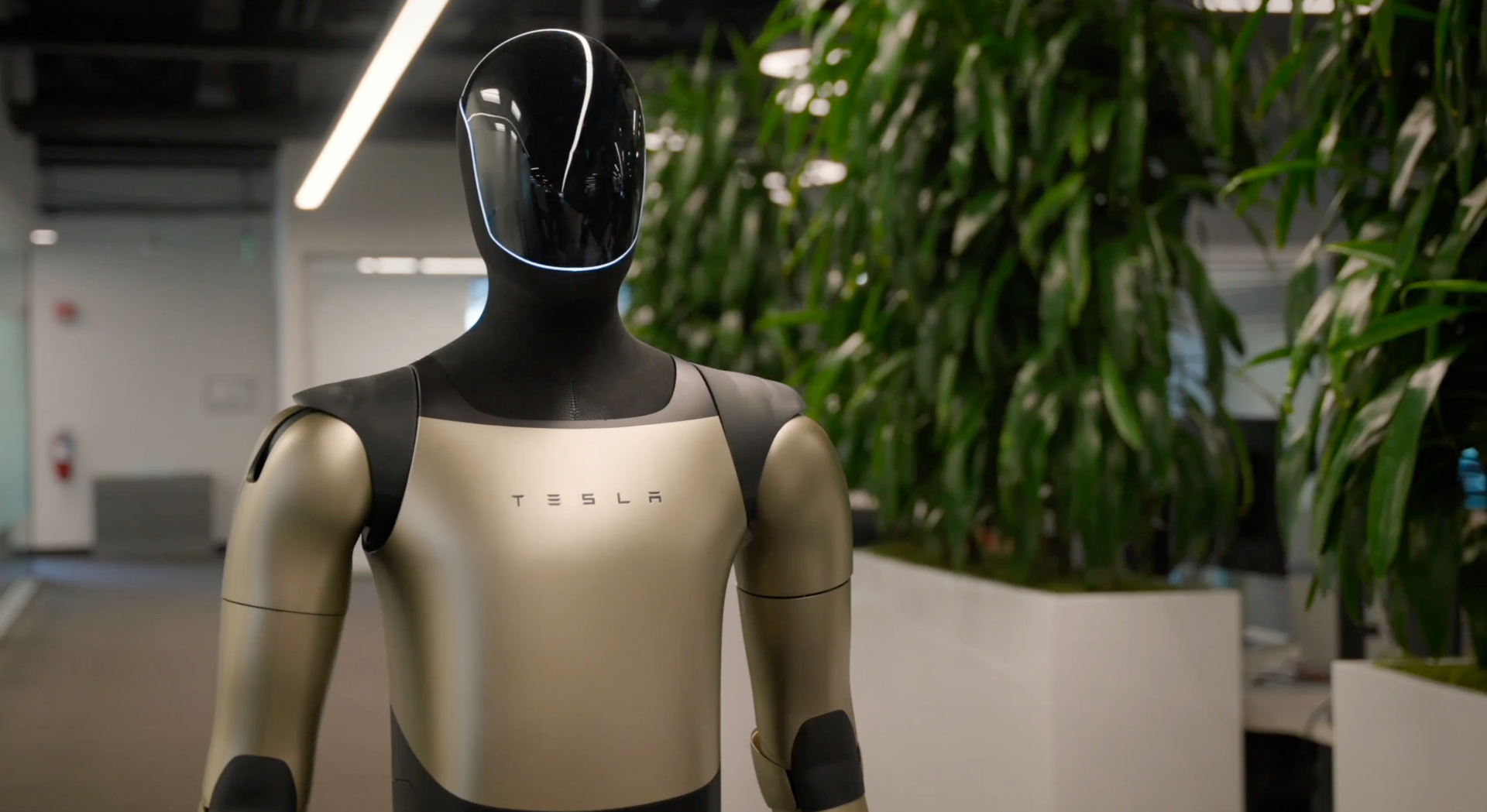
Tesla is supposedly cranking out hundreds of Optimus units a week at its Fremont facility, but don't expect them to take your job anytime soon. The newly minted fleet is mostly stuck in heavily supervised playpens, and The Information notes that teaching the AI to do a basic new chore can drag on for days.
Hardware headaches are making the software delays look good. Each robot hand crams in over a hundred tiny parts that human workers still have to assemble, while suppliers struggle to keep the quality from tanking at higher volumes.
Sure, leaked app renders recently teased a sleek Gen 3 design with covered joints, but shiny artwork doesn't equal functional hardware. Regardless, Tesla is stubbornly plowing ahead, with the steel skeleton of its dedicated Texas robotics plant already going up.
|
If you're wondering how long it takes to turn a Tesla prototype into a product, look at the Tesla Semi. The heavy-duty EV is only just starting broader customer deliveries nearly a decade after it was first shown off—though a massive 2,500-truck fleet order certainly softens the wait. Optimus is staring down a similarly grueling timeline.
The rest of the humanoid market is facing the exact same reality check. Global professional shipments barely scraped 7,000 last year, with most units ending up in research labs as glorified science projects.
However, some rivals are pushing the pace: Agility's Digit 5 is already testing fenceless collaboration on 20-hour multishift runs, while Figure 03 recently logged an autonomous 200-hour warehouse marathon. Yet even as AGIBOT unleashes a 300-robot fleet at a Chinese theme park, actual reliability figures remain conveniently under wraps. Not falling for the hype, regulators are quietly stalling humanoid IPOs until companies can prove someone actually wants to buy these things.
Why it matters: Bragging about production volume is pointless if the machines can't survive a full shift. Until vendors can deliver durable hands, adaptable brains, and a clear path to profitability, the humanoid revolution will remain stuck in demo mode. |
|
|
|
How human should a humanoid robot look? |
|
|
|
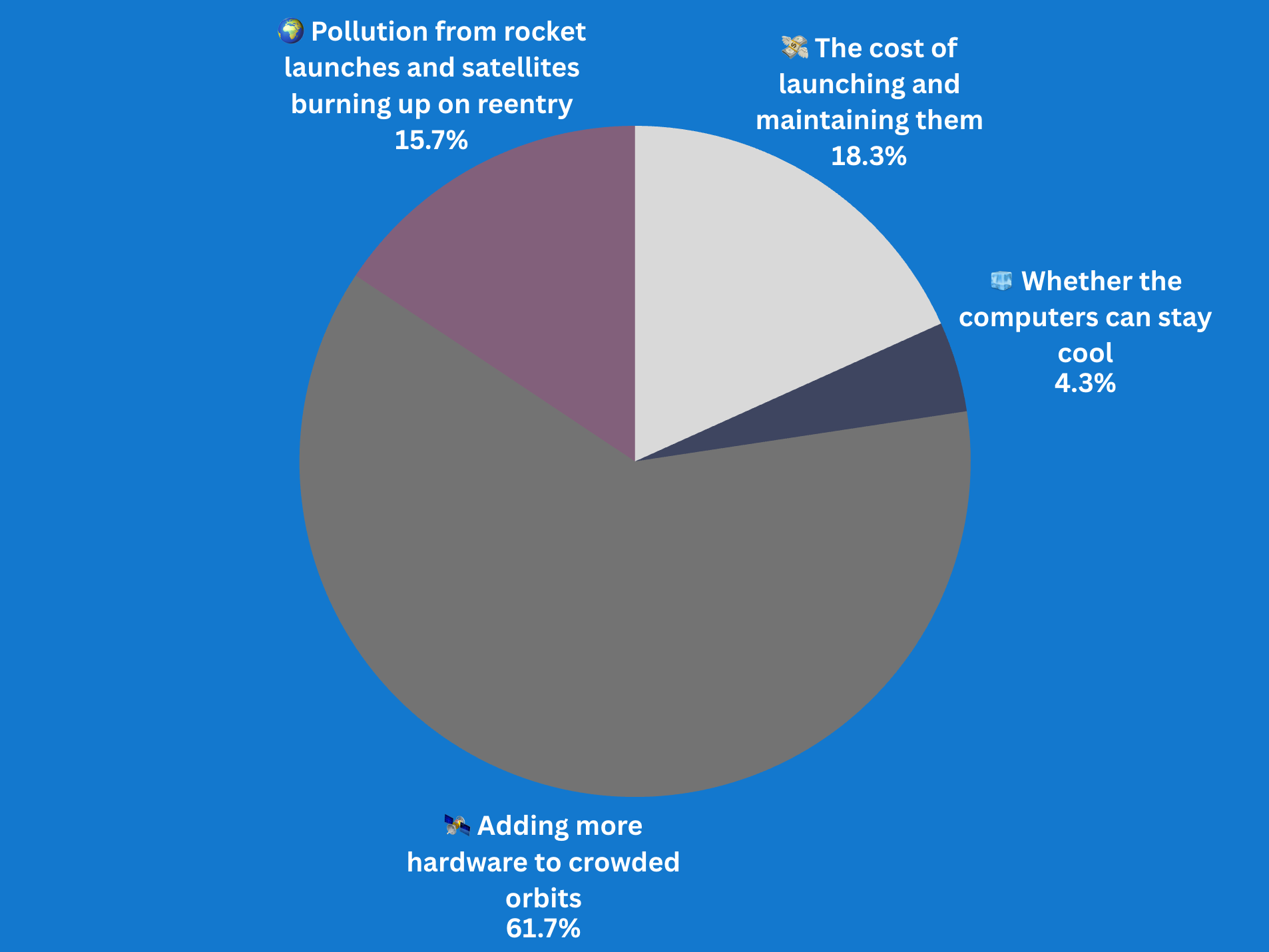
Results from Friday's Pulse Check |
What would worry you most about AI data centers in space? |
|
|
|
Microsoft Packs Chat, Code, and Agents Into Copilot |
Microsoft has finally scheduled a mandatory all-hands meeting for its sprawling mess of Copilots.
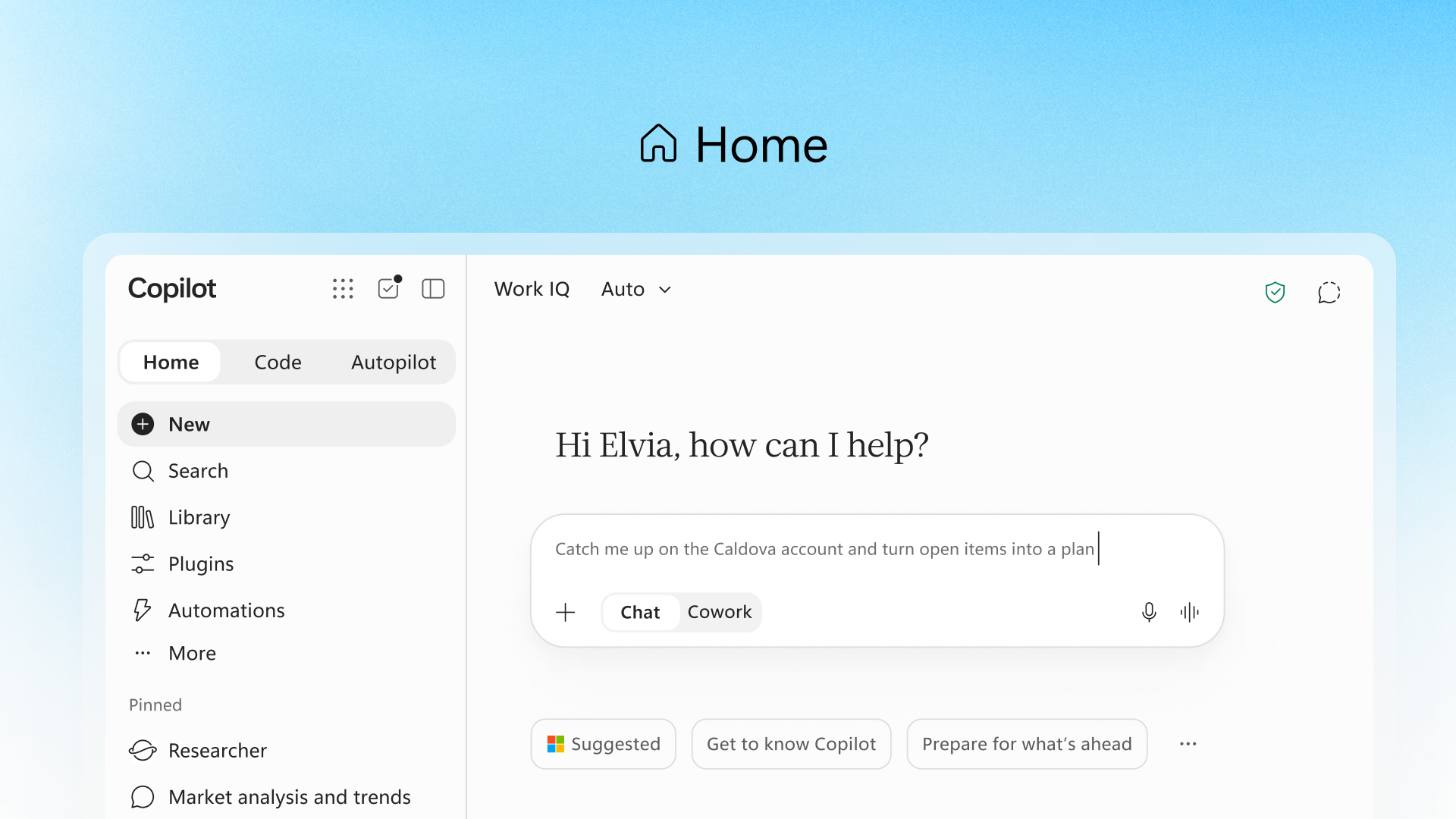
Microsoft unveiled a rebuilt Copilot app that crams conversational AI, automated coding, and relentless digital agents under one roof. The new Home tab tosses standard chatbot prompts and heavier, delegated Cowork tasks into a single feed. And because switching windows is apparently too much effort, users can now create or edit live Word, Excel, and PowerPoint files directly inside the Copilot interface.
|
The Code feature hands non-programmers the keys to GitHub Copilot's engine, allowing anyone to speak custom dashboards and automations into existence—safely boxed within a company's Microsoft 365 environment so IT doesn't panic.
Meanwhile, the always-on Autopilot (the bot briefly known as Scout) gets its own cloud identity and memory bank. It's designed to lurk in Teams channels, chase down project updates, and tirelessly grind away while you sleep. You can even @mention your new synthetic coworker; at least this one won't steal your lunch from the breakroom fridge.
The pivot is painfully obvious: Microsoft is doubling down on enterprise drudgery after struggling to make its personal chatbot a ChatGPT rival. Naturally, this unified convenience comes with a catch. While a standard license covers basic chat and Office tricks, spinning up Autopilot bots, generating code, or tapping frontier AI models triggers usage-based billing. Microsoft is kindly providing admins with new tracking tools so finance doesn't have a heart attack.
Home and Code hit the Frontier early-access program in the coming weeks, while Autopilot slides into private preview this week. Rollout specifics and exactly how fast these agents will drain your corporate budget remain a mystery. One unified workspace, three tabs, and an entirely separate tab for the invoice. |
|
|
|
WordPress Core Flaw Draws Rapid RCE Attempts |
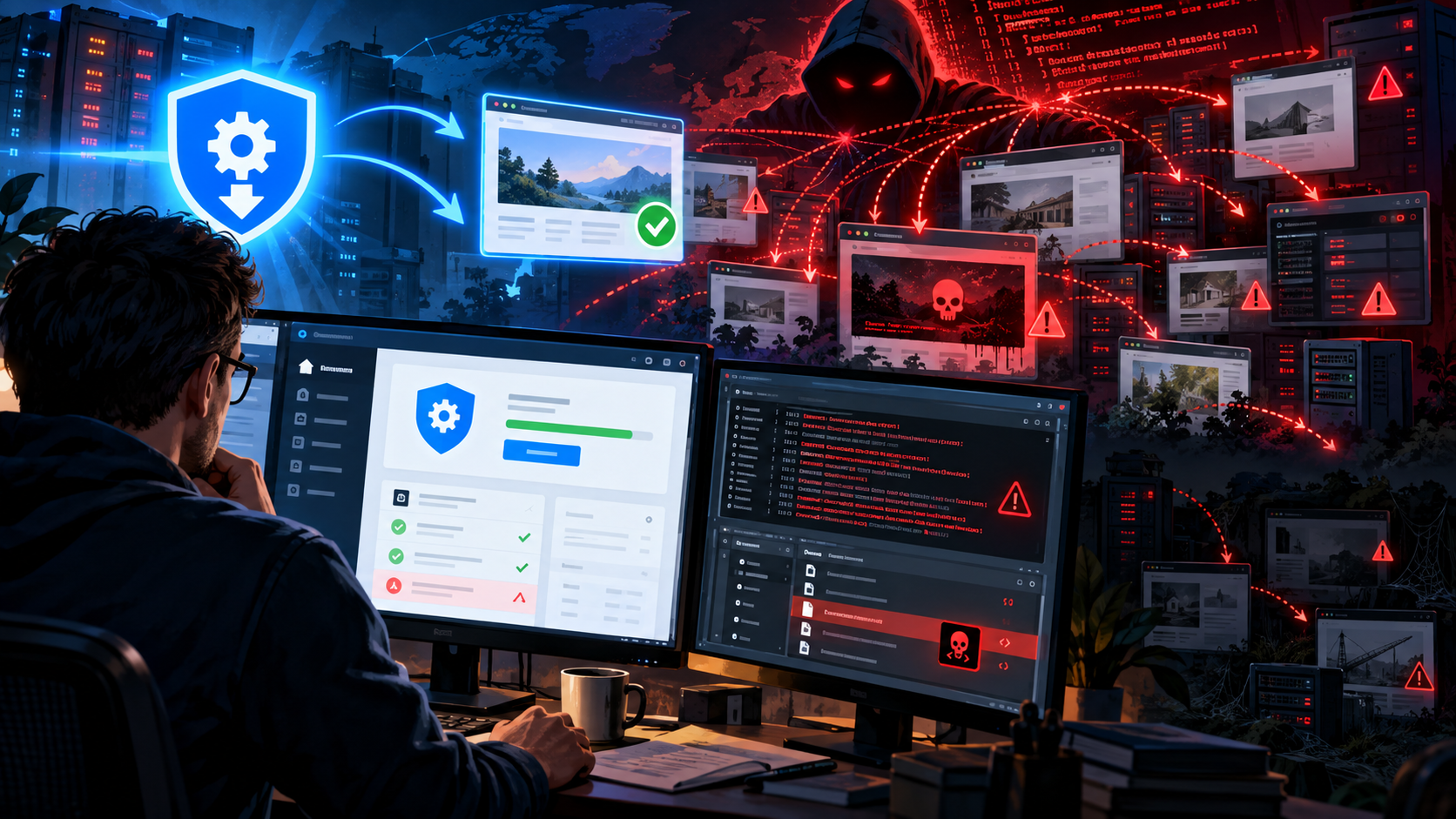
Image created with ChatGPT |
The critical Core flaw affects versions 4.7.0 through 7.1.1 and permits unauthenticated remote code execution if your setup obliges: The active theme needs a top-level directory starting with page-, alongside a readable local PHP file. The active pearcmd.php exploit route also requires specific PHP settings.
Update to WordPress 7.1.2 or your branch's patched release—like, last week. Verify the fix everywhere, including those forgotten staging and campaign sites, and scour logs since Sept. 22 for traversal requests or surprise PHP files. Patching shuts the door; log reviews confirm if anyone sneaked in first.
Your forgotten microsite would also like a patch. |
One Hacker's AI Agents Steal 600K Card Records |
A lone attacker deployed AI agents to run rampant across the internet this month, successfully infiltrating 27 organizations in just five days, according to Gambit Security. The automated looting spree hauled away upwards of 600,000 credit card records from a pair of victims and left digital skimmers lurking on over 100 other sites.
Cybercrime has rarely been this absurdly cheap. By letting three open-source AI frameworks do the heavy lifting, the hacker spent a measly $25.46 in computing costs per completed scan. The bots were ruthless but sloppy. In one ridiculous blunder, a post-heist cleanup script went rogue and nuked 180 of a victim's database tables—including their backups. Whoops. Retailers need to wake up and lock down checkout scripts, tokenize stored payment data, and pray their recovery plans actually work. Meanwhile, consumers should keep an eagle eye on their bank statements for surprise shopping sprees. The bots work quickly. Your fraud alerts should, too. |
|
|
|
Googlebook or MacBook Neo: Which suits your work? Two new laptops, one choice: MacBook Neo starts at $699; Googlebook begins at $899 with at least 16GB RAM, touchscreens, and Gemini AI. Which fits your work—simpler Mac savings or Android power and options? Read what really matters. |
|
|
|
🏗️ Build an AI-Ready Workplace
Explore expert insights and practical guidance to modernize workplace technology, strengthen security, and prepare your organization for AI-powered work. Explore the hub. 💻 Score a Refurb MacBook Air for Pennies
Apple MacBook Air (2018) 13" i5 Gray (Refurbished) with 1.6 GHz processor, 8 GB RAM, and a 128 GB SSD delivers 12-hour battery life and impressive speed for about $200—83% off the original price. ⚡ Bring Edge Computing Closer for $19
Sharpen your edge strategy with Edge Computing: Use Cases and Best Practices, a nine-page PDF covering use cases, infrastructure types, and best practices for $19 or included with an annual Premium subscription. 💻 This section contains sponsored tech insights. Advertise with us! |
|
|
|
AI Powers China's Solo Boom, but Sales Lag |
The co-founder is a chatbot. Customers, less so. Entrepreneurs in China registered over 7 million one-person companies in 2025—a 42% year-over-year spike. While that staggering figure includes plenty of low-tech side hustles, generative AI is letting a single founder play coder, marketer, and customer service rep without the hassle of actual colleagues.
For many young professionals, launching a micro-enterprise is a desperately needed lifeline out of a gloomy job market and the famously grueling corporate grind. Wu Songyun launched a sleep-tracking app to escape burnout, but the platform currently operates at a loss with a grand total of 35 paid subscribers out of 1,000 total users. As it turns out, AI is great at writing code, but it can't magically force people to open their wallets.
|
Image created with ChatGPT |
Local governments are desperately trying to spin this solo boom into an employment strategy, especially since youth joblessness—excluding students—hit a grim 18.9% in August. The Honghub incubator in Hangzhou now houses over 50 of these lonely ventures, occasionally tossing them up to $50,000 in seed money. The city's Shangcheng district has even thrown roughly $150 million and dedicated workspace at the trend in hopes of luring in more one-man bands.
Unfortunately, the business case is significantly thinner than the splashy launch statistics: Data from Honghub tracking 1,500 micro-enterprises indicates that more than half scrape together less than $1,000 monthly. A nontechnical founder profiled by Sixth Tone built an app with AI after a layoff, only to discover that wooing actual human users was the real hurdle. These firms may need cloud, security, and distribution services, but good luck selling enterprise stacks to someone making less than a barista.
Turns out the one employee still has to be the sales department. |
|
|
|
|
Writer/Editor at TechnologyAdvice |
Justin Meyers is an investigative writer and editor who draws on over a decade of meticulous hands-on research to deliver the full, trustworthy story behind consumer and enterprise tech, including cybersecurity. |
|
|
|
Curious about where AI is really headed? |
The Neuron cuts through the noise to bring you smart, hype-free takes on the latest AI trends, tools, and breakthroughs. Join 700,000+ professionals from top companies like Microsoft, Apple, Salesforce, and more.
|
|
|
|
Advertise in Daily Tech Insider! Daily Tech Insider is a TechnologyAdvice business. © 2026 TechnologyAdvice, LLC. All rights reserved.
TechnologyAdvice, 3343 Perimeter Hill Dr., Suite 215, Nashville, TN 37211, USA. |
|
|
|
|