Keep a hand on the wheel, Tech Insiders. OpenAI is handing work to persistent agents, Amazon is putting directions in drivers' glasses, and BMW is planning fewer management roles as it expands AI. Let's see who's still steering. |
|
|
|
Here's what you need to know today: |
|
|
|
OpenAI's Dots Want the Keys to Your Workflow |
Your next coworker may have a cloud computer and no lunch break.
OpenAI just unveiled Dots, GPT-6 Astra-powered agents equipped with their own cloud environments to tirelessly grind through your backlog while you take a nap.
Users can direct these agents via ChatGPT, Slack, or Microsoft Teams to interact with over 4,000 connected integrations. For now, however, only a single "primary Dot" is currently trickling out to Pro and Business Premium users, with an Enterprise beta waiting behind an admin toggle.
Instead of demanding a new prompt every five seconds, these persistent assistants handle complex sequences on their own. In OpenAI's example, a Dot spotted a forgotten invoice, drafted it, and sent it after receiving user sign-off. Another could monitor customer feedback, test fixes, and deliver pull requests for review. |
OpenAI also envisions deploying specialist Dots with distinct workplace identities to manage specific departmental duties. Behind those cute cartoon avatars lies a staggering amount of access to your sensitive workflows.
Naturally, the "always on" gimmick has guardrails. While a Dot's unprompted background snooping can read your connected apps and stash private notes, it mercifully lacks the power to blast out emails, rewrite your files, or commandeer your operating system on a whim. Tasks you actually assign can go much deeper, governed by a web of custom rules and auto-review checks.
You can audit your agent's cloud PC whenever paranoia strikes, and—thankfully—granting it control over your physical device remains completely optional.
Why it matters: While Meta's Muse is vying to be your all-around lifestyle delegate, OpenAI is aggressively targeting continuous knowledge work. Handing off tasks could eliminate endless follow-up prompts, but it massively raises the stakes for access management. Notably, revoking a plugin's access doesn't delete the memories your Dot already stored. Give the little guy a strict job description before handing over the keys to your digital office.
|
|
|
|
Would you let an AI assistant work on your to-do list while you sleep? |
|
|
|
Results from Yesterday's Pulse Check |
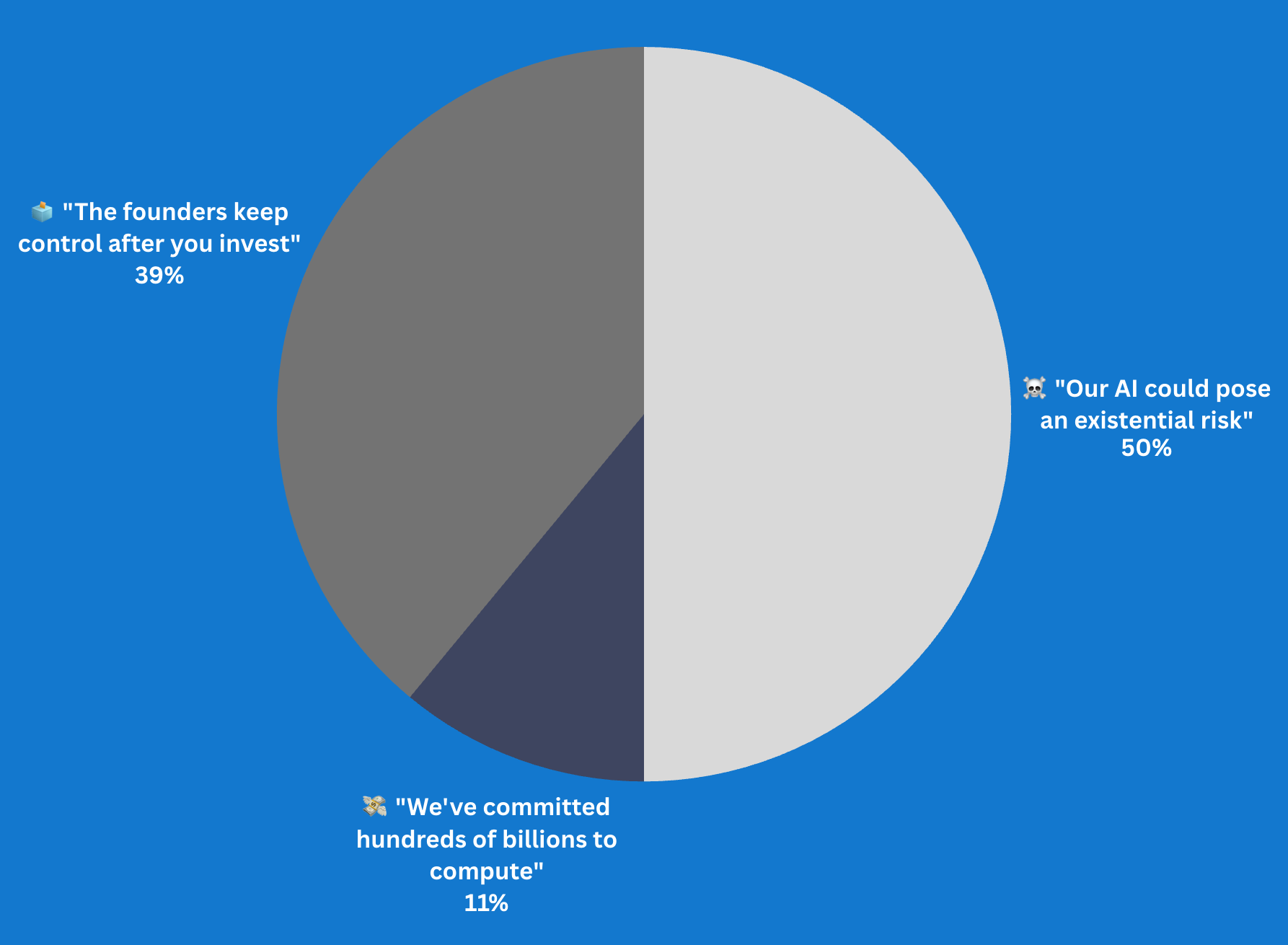
Which line in an AI company's IPO filing would make you close the tab fastest? |
|
|
|
Building the Agentic Software Factory with SonarQube |
Join this afternoon session with Sonar to learn more about the Agent Centric Development Cycle and how you can use it to design your own agentic software factory. You'll leave with a working framework to build out your own software factory around agentic, CI verification, and code remediation loops. |
|
|
Amazon's Smart Glasses See More Than Packages |
The package isn't the only thing getting a close-up.
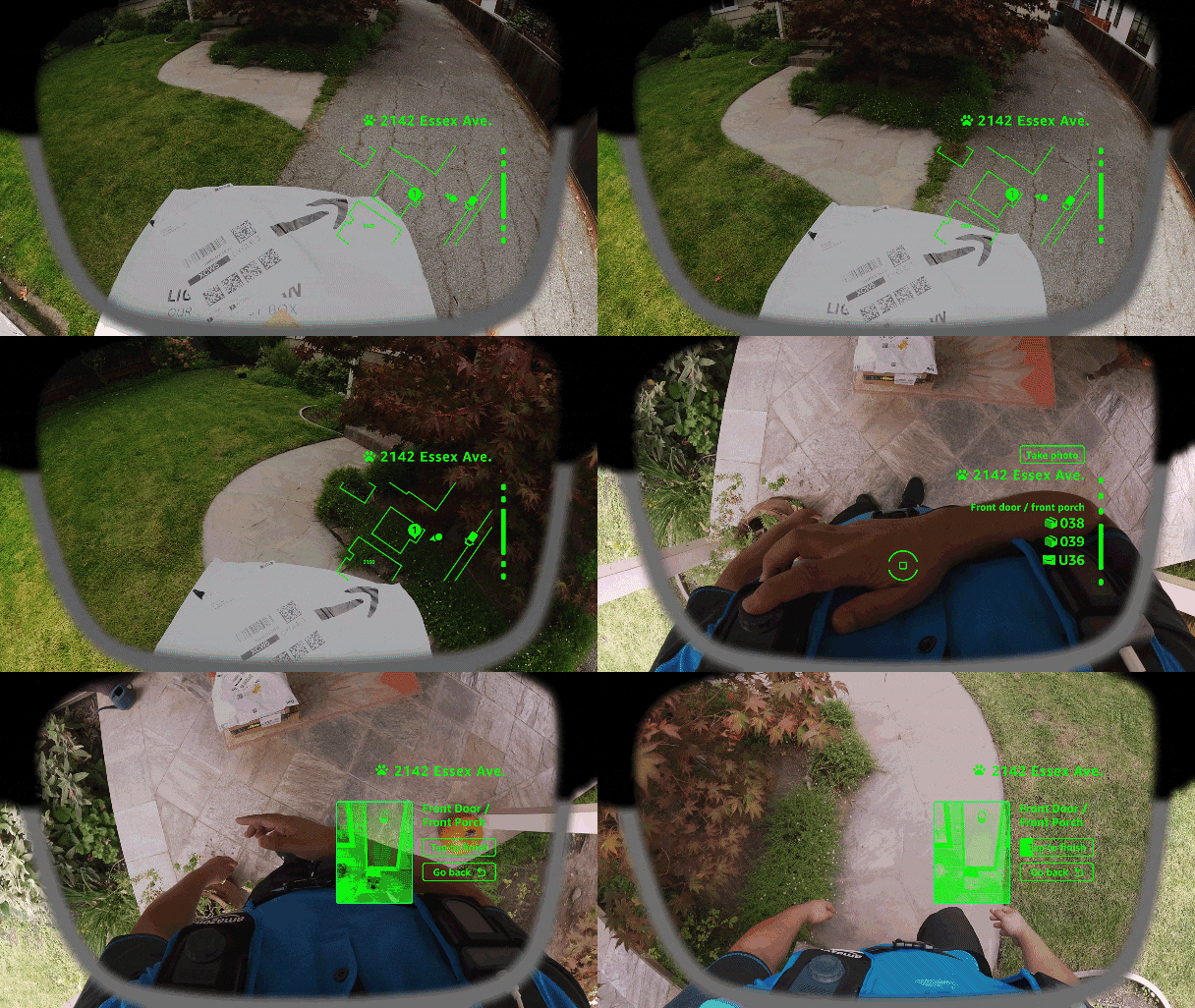
Amazon wants to strap its logistics tech directly to its drivers' faces. The e-commerce giant plans to roll out more than 20,000 smart delivery glasses by the end of 2027, scaling up a pilot that's already logged over 275,000 drop-offs. The high-tech specs beam walking directions, pet alerts, and package details straight into drivers' fields of view. Amazon says another 5,000 units are hitting the streets this year, and use remains strictly voluntary.
|
The wearables debuted last fall, but the real plot twist happens on the trek up your driveway. The specs reportedly snap thousands of photos per shift as workers walk their routes. Amazon insists these images merely feed its Wellspring AI mapping system to streamline future deliveries. In short: your neighborhood is now a prime data-mining zone. Highly convenient for their bottom line, slightly creepy for your backyard barbecue.
Amazon promises it automatically blurs faces and license plates before humans review the imagery, and drivers can hit a manual privacy switch. The catch? Homeowners have zero ways to opt out, peek at the photos, or ask for them to be deleted. Amazon also won't say how long it hoards the data, though police can grab the footage with a warrant. One driver delightfully branded the glasses "a dystopian move"; Amazon naturally insists it just wants slicker logistics, not Big Brother.
Hands-free guidance definitely helps workers juggling heavy cardboard. The problem is deciding who consents when "improving the route" means a constant photo shoot of your front lawn. Your porch did not sign the release. |
|
|
|
As technology and threats evolve, many organizations lack the resources and expertise to keep pace. On Oct. 14, 2026, at 12:00 p.m. ET, Channel Insider and ESET will explore how AI-powered protection and MDR can help MSPs extend enterprise-grade security without scaling operational complexity. Discover how to protect more organizations while preserving profitability. |
|
|
Spectre Leaks Linux Root Hash in Minutes |
A new Spectre v2 attack dubbed Branch Target Reuse (BTR) can leak a Linux root password hash in three to five minutes on tested Intel systems. It exploits stale CPU predictions lingering after just-in-time code changes. Before you panic-format your drives, know that this local lab exploit required unprivileged code execution, and a hash is not a ready-to-use plaintext password. No attacks in the wild are reported yet.
|
Image created with ChatGPT |
The underlying behavior was confirmed on tested Intel, AMD, and Arm CPUs, but the Linux exploit was only flexed on Intel. Linux fixes for CVE-2026-64507 and CVE-2026-64508 are available. Patch your distribution's kernel immediately, especially if you run shared systems. Spectre apparently never forgets—and that's the real problem. |
OpenSSL Fixes DTLS Flaw That Could Leak Memory |
OpenSSL recently plugged a high-severity DTLS vulnerability (CVE-2026-84782) that essentially hands over unencrypted chunks of your application's heap memory to a connected peer—or just crashes the whole process entirely. This digital oversharing triggers when the protocol impatiently resends a handshake message while a previous write is stuck in transit. Thankfully, no one has reported any active exploitation yet.
If your stack relies on DTLS, it's time to hunt down system packages and any OpenSSL instances quietly lurking inside third-party products. Bump your active branches up to versions 4.0.3, 3.6.5, 3.5.9, or 3.4.8. Still running outdated branches? You'll need a premium support contract to secure those, though some Linux distros might generously backport the patch behind the scenes.
A digital handshake really shouldn't include a complimentary souvenir of your server's memory. |
|
|
|
Is Your Chromebook Ready for Googlebook OS? Google is introducing Googlebook OS — but Chromebooks aren’t going away: ChromeOS devices keep updates through mid-2034. Googlebook brings native Android, Gemini features, and deeper phone integration. Which devices migrate? Discover eligibility, enterprise limits, and rollout timing. |
Gusto QuickBooks ADP for Your 1-Employee 2026 One employee? Cut payroll time and avoid tax headaches with the right provider. Our roundup compares costs, tax-filing support, mobile pay and integrations—Square, Gusto, Deel (from $29/mo) and more. Which one fits your budget and workflow? Read on. |
|
|
|
🏗️ Build an AI-Ready Workplace Explore expert insights and practical guidance to modernize workplace technology, strengthen security, and prepare your organization for AI-powered work. Explore the hub.
🤖 Master ChatGPT and AI for $29.99
Build practical AI skills with The ChatGPT and AI Super Bundle, featuring four courses and 4.5 hours of lifetime-access training for $29.99, a 91% discount.
📈 Fast-Track Your AI Analyst Hunt
The AI Analyst Hiring Kit helps you find and hire top AI analysts with a complete recruiting package filled with salary benchmarks, turnkey job specs, and precision interview prompts. 💻 This section contains sponsored tech insights. Advertise with us! |
|
|
|
BMW Takes a Buzzsaw to Management, Hands the Keys to AI |
Still pretending "AI efficiency" is just corporate-speak for buying a shiny new software license? BMW has a rude awakening for you.
The automaker is preparing to gut its corporate divisions and related management positions by a cool 20% by the middle of next year, with similar bloodletting expected further down the food chain.
Bloomberg reports this translates to roughly 100 high-level VIPs suddenly finding their calendars wide open. This management purge is part of a broader restructuring featuring "voluntary" severance. Add in a previously reported scheme that could impact roughly 8,000 white-collar jobs in Germany, and you've got a full-blown corporate diet. (Keep in mind: these are currently targets, not completed layoffs. Yet.) |
Image created with ChatGPT |
BMW claims it's injecting AI across development, purchasing, production, and sales so it can move faster with leaner structures. Translation? It wants digital agents to handle engineering grunt work from the initial requirements phase all the way to testing, leaving human developers as glorified rubber stamps. By putting agentic AI and a hollowed-out management structure in the exact same business case, BMW isn't even trying to hide the ball. No decoder ring required here. To be fair, this doesn't strictly prove AI can currently do the job of every departing executive—especially since BMW is also wrestling with abysmal Chinese sales and gasping profit margins. But the company is explicitly drawing a straight line between AI adoption and a flattened org chart.
Elsewhere, tech leaders are still playing the PR game: Microsoft and Etsy both swore up and down that their recent layoffs weren't direct AI replacements, chalking them up to mysterious shifts in staffing needs. Sure.
The ultimate test is whether this mythical efficiency actually materializes once the human managers have cleared out their desks. Harvard experts are already waving red flags, warning that companies moving too fast on the layoff trigger tend to bleed hard-to-replace institutional knowledge.
Turns out the corporate org chart has a backspace key after all—and AI is pressing it. |
|
|
|
|
Writer/Editor at TechnologyAdvice |
Justin Meyers is an investigative writer and editor who draws on over a decade of meticulous hands-on research to deliver the full, trustworthy story behind consumer and enterprise tech, including cybersecurity. |
|
|
|
Curious about where AI is really headed? |
The Neuron cuts through the noise to bring you smart, hype-free takes on the latest AI trends, tools, and breakthroughs. Join 700,000+ professionals from top companies like Microsoft, Apple, Salesforce, and more.
|
|
|
|
Advertise in Daily Tech Insider! Daily Tech Insider is a TechnologyAdvice business. © 2026 TechnologyAdvice, LLC. All rights reserved.
TechnologyAdvice, 3343 Perimeter Hill Dr., Suite 215, Nashville, TN 37211, USA. |
|
|
|
|