Mind the scaffolding, Tech Insiders. Apple's robot has hardware waiting on software, while SpaceX's wireless ambitions need ground infrastructure that a spectrum shopping spree can't assemble.
For your own AI foundations, The Neuron Academy offers practical, self-paced courses on prompting, workflows, agents, and apps. Think turning "we should automate that" into something you can actually use—because a promising blueprint doesn't finish the project. Now, let's inspect what Big Tech still has under construction. |
|
|
|
Here's what you need to know today: |
|
|
|
Apple's Rumored $1,000 Robot Needs a Job |
Even Apple's robot is waiting for someone to finish the software.
Apple's long-rumored tabletop robot could cost around $1,000 and arrive in 2027 or 2028, according to original reporting from The Information. If you've been reading DTI for a while, you know we’ve been waiting for this motorized "Pixar lamp" to actually do something for years. The device, potentially called HomeView Ultra, would slap a 9-inch screen onto a robotic arm to keep FaceTime callers in view as you pace around the kitchen.
Its physical design has reportedly sat ready for about two years, quietly gathering dust. The software team, meanwhile, is desperately trying to pare back ambitions to basic FaceTime and home automation. By expanding the initial concept from simple video calls into a proactive AI companion, Apple executives apparently engineered a massive, thousand-dollar software bottleneck. Scope creep is a hell of a drug. |
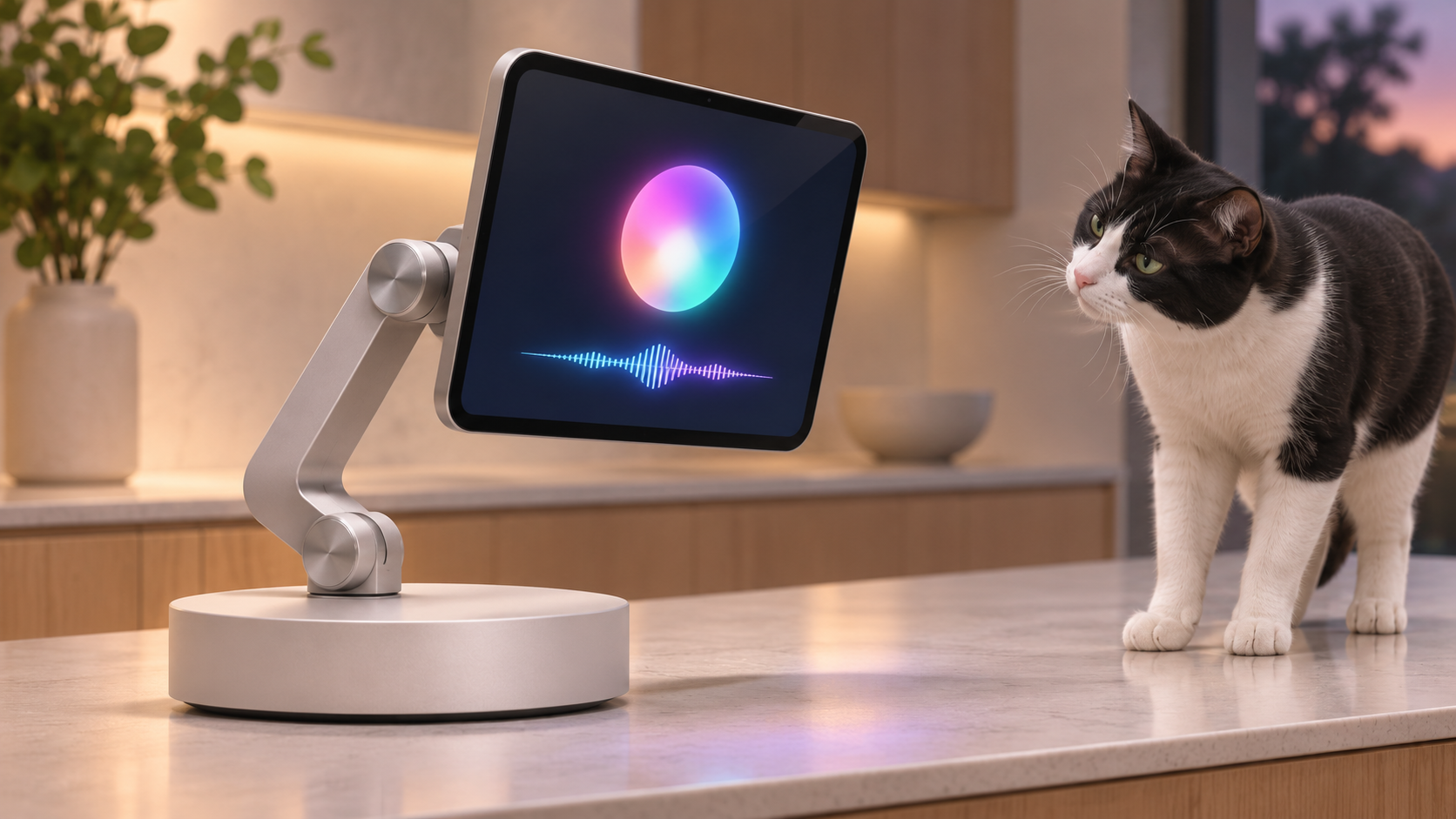
Image created with ChatGPT |
The grander vision—glimpsed in a massive hardware leak last December—involves cameras and sensors that could autonomously flip on lights when you enter a room or scold a pet to get off the furniture. Those are lofty design ambitions, not confirmed launch features. The cat, of course, answers to no machine and will likely just treat the high-tech screen as an expensive scratching post—right before casually shoving it off the counter.
There's a genuinely useful idea underneath the theatrics: a shared display that faces whoever needs it. But Apple's standard $299 HomeView already offers FaceTime, Siri AI, and smart home controls, with deliveries starting Nov. 13. At the rumored price, a swiveling screen demands a massive premium just to save you the trouble of turning your own neck. (If you want a robot that actually does the chores for you, you'll likely be waiting for Apple's rumored future humanoid business to materialize).
Why it matters: For buyers, the test is whether automatic positioning and smarter assistance save enough daily friction to justify the premium. A screen that turns toward you is convenient; one that costs a grand should probably have something life-changing to say. |
|
|
|
Would you pay $1,000 for an AI smart display that turns toward you? |
|
|
|
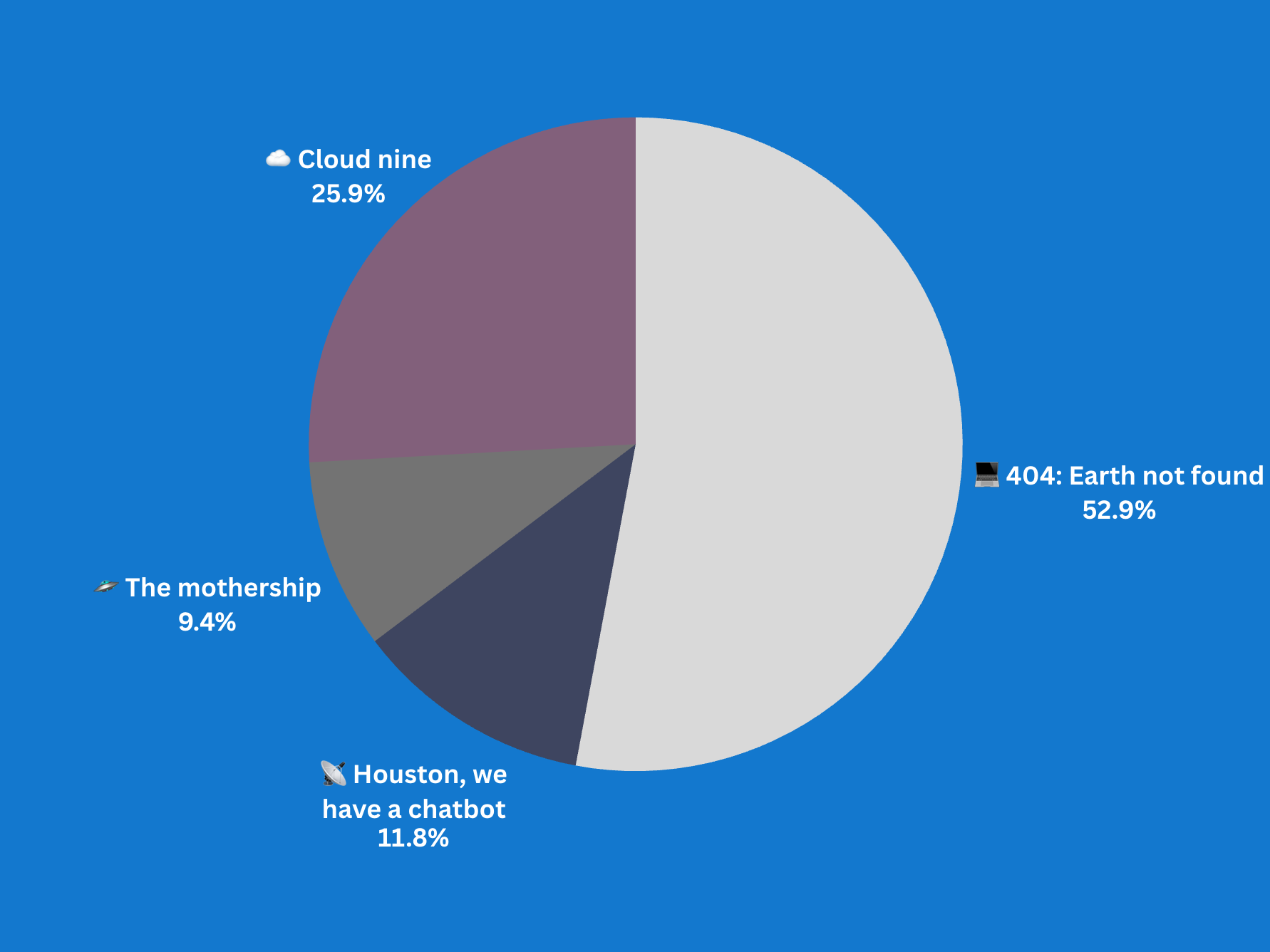
Results from Yesterday's Pulse Check |
What would you name an AI data center in space? |
|
|
|
Build an App. Skip the Coding Meltdown. |
Got an app idea but zero coding skills? The Neuron Academy can help turn your AI ambitions into something that actually works. With 80+ hands-on lessons covering prompting, automation, AI agents, and more, you'll learn practical skills instead of collecting another pile of tutorials. You can even learn to vibe-code a working app with AI, using Codex to build, test, and refine it. Because "the chatbot said it works" isn't exactly quality assurance.
Try it free for 7 days with full access to courses, guided learning paths, and fresh lessons every week. No coding degree required, just a little curiosity and a willingness to let AI handle some of the heavy lifting. |
|
|
Chrome Gives Gemini Your Form-Filling Homework |
Your browser would like to take "per my last email" literally.
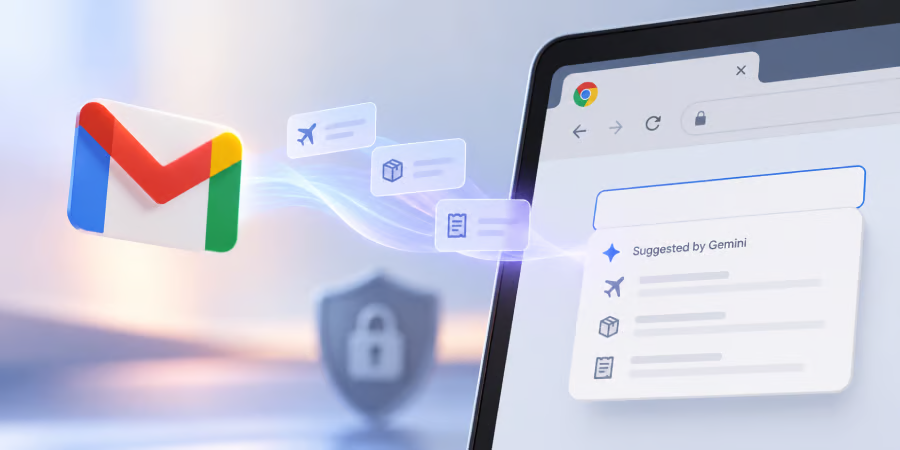
Google is rolling out Gmail-powered autofill in Chrome, letting Gemini retrieve flight booking references, tracking numbers, and order IDs for online forms. Instead of hunting through digital receipts, you simply choose a "Suggested by Gemini" entry from the dropdown. Congratulations: your chaotic inbox just got an unpaid internship as your data-entry assistant.
Google's announcement says the rollout covers desktop, Android, and iOS in the US. You'll need Gemini in Chrome and Personal Intelligence enabled, and you have to be at least 18 years old. Availability is gradual, so an empty dropdown isn't a personal rejection—Google just hasn't gotten around to you yet. |
Image created with ChatGPT |
Thankfully, there's a paper trail. Google's instructions explain how to open the original email behind a suggestion or banish an unwanted entry. (Removing the suggestion leaves the actual email intact.) Google says sensitive data is encrypted, and enhanced autofill can be entirely disabled in Chrome's settings. Still, you might want to verify the details before blindly handing an inbox discovery over to a random website.
Last week also brought Google's Genie 4 interactive worlds, Gemini 4 Carbon for selected cybersecurity defenders, and a cloud public preview of Gemini Robotics ER 2. Impressive ambitions, sure, but this smaller update tackles a much more familiar chore: finding information you already possess. Whether shaving five seconds off a checkout page justifies letting Chrome rummage through your emails is entirely your call.
The future is here, and it has finally located your receipt. |
|
|
|
AI agents are only as effective as the data powering them. In this episode of ZoomInfo's Revenue Architects podcast, discover why clean data, connected systems, and smarter workflows are essential for AI success, and what it takes to build a truly AI-ready GTM stack. |
|
|
Android's 'SMS of Death' Can Silence Calls |
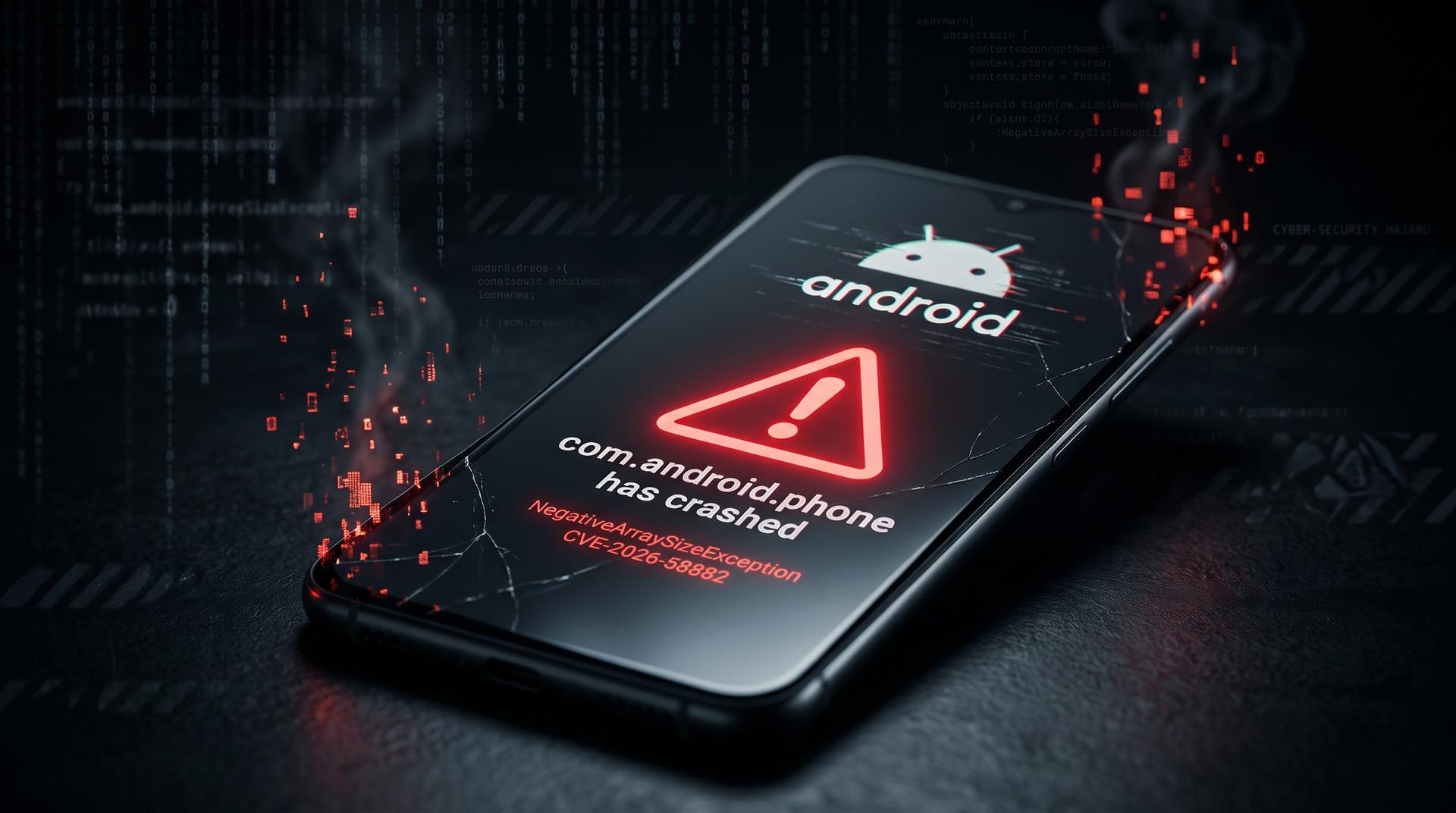
Android's "SMS of Death" flaw (CVE-2026-58882) can silently drop active cellular connections—including emergency calls—without a single tap. A researcher's public proof of concept demonstrates how these invisible texts crash calling services; repeated processing can trigger reboot loops. The malicious payload never even hits your inbox, denying you the simple satisfaction of deleting it.
|
Image created with Gemini |
Install the latest security update on your smartphone and restart if prompted. While October's fix covers Android 14–17—even though Google quietly kept it off the security bulletin until November—manufacturer rollouts vary wildly. Still on Android 12 or 13? Check with your manufacturer about patch support; unsupported devices may remain exposed and ready to hang up on 911 for you.
Apparently, "don't click suspicious texts" now needs a software update. |
319 Chrome Extensions Took Searches on a Detour |
Socket discovered that 319 Chrome extensions—boasting 13.4 million reported installs over the last decade—have been quietly chauffeuring your search queries through sketchy third-party servers to skim referral revenue. The kicker? They barely needed any code to pull it off, simply abusing Chrome's built-in search settings to do the heavy lifting.
Masquerading as helpful PDF converters and safe-search utilities, these add-ons largely stayed unlisted in Google's web store to dodge scrutiny. While this gave operators a front-row seat to your private queries, the shady setup thankfully hasn't resulted in observed malware redirects just yet. Still, getting standard Bing or Yahoo results doesn't mean your data wasn't intercepted along the way.
Pop open chrome://extensions, cross-reference your add-ons against Socket's list, trash any matches, restore your default search engine, and run a thorough antivirus scan. Turns out your "free PDF converter" had a side hustle. |
|
|
|
Apple's $1,000 Robot Could Reach Your Home in 2027 Imagine Siri on a $1,000 tabletop robot: a 9-inch swiveling display that turns toward you. Apple’s hardware is ready, but software delays and privacy questions mean its real usefulness—and whether it's worth the price—remains a mystery. |
|
|
|
🎯 Move Less, Achieve More: A Workload-Based Data Strategy for Enterprise AI
Explore how a workload-based data strategy can reduce data movement and help IT teams maintain control as AI projects move into production. Read the article. 🎙️ Give Your Keyboard a Break With AI Dictation
Ditch the typing with a VoiceType AI Voice-to-Text: Lifetime Subscription and dictate up to 5,000 words per month across desktop apps, with smart punctuation, grammar corrections, and lifetime access without recurring subscription fees.
🪟 Nab Windows Pro Power for Less Than $13
Microsoft Windows 11 Pro licenses cost just $12.97—upgrade your PC with lifetime support, enhanced security, and pro productivity features at 93% off. 💻 This section contains sponsored tech insights. Advertise with us! |
|
|
|
SpaceX's Boost Shortcut Comes With Fine Print |
SpaceX is reportedly eyeing a backdoor entry into the telecom industry by buying or leasing Boost Mobile, following swift rejections from major carriers. No formal agreement has been announced, but the scramble for terrestrial real estate is palpable.
Boost would instantly hand SpaceX the ground network it desperately needs, since satellites are notoriously terrible at penetrating walls and crowded city blocks. The hilariously awkward catch? Boost leases its capacity from AT&T and T-Mobile—the exact gatekeepers who just slammed the door in Musk's face. Transferring those agreements usually requires their blessing, meaning this "shortcut" leads right back to the original bouncers. |
Rumblings of SpaceX's broader consumer-carrier ambitions surfaced in June. While October's 800 MHz spectrum deal lays the theoretical groundwork for coverage, writing a massive check for airwaves doesn't magically construct physical antennas.
Meanwhile, Jeff Bezos isn't sitting this space race out. The FCC just rubber-stamped Amazon Leo's staggering $11.5 billion acquisition of Globalstar on Oct. 27. As we previously noted, Amazon expects to deploy its direct-to-phone constellation in 2028. But getting clearance to buy a company and actually securing permission to deploy satellites are two very different bureaucratic nightmares.
A fourth major hybrid carrier could eventually force better coverage and sweeter enterprise bargaining power. But until SpaceX alchemizes these messy negotiations and expensive spectrum buys into a functional service, it's all just expensive noise. Turns out, even the company selling unfettered access to the cosmos still has to ask the telecom cartel for permission to get indoors. |
|
|
|
| Writer/Editor at TechnologyAdvice |
Justin Meyers is an investigative writer and editor who draws on over a decade of meticulous hands-on research to deliver the full, trustworthy story behind consumer and enterprise tech, including cybersecurity. |
|
|
|
Curious about where AI is really headed? |
The Neuron cuts through the noise to bring you smart, hype-free takes on the latest AI trends, tools, and breakthroughs. Join 700,000+ professionals from top companies like Microsoft, Apple, Salesforce, and more.
|
|
|
|
Advertise in Daily Tech Insider! Daily Tech Insider is a TechnologyAdvice business. © 2026 TechnologyAdvice, LLC. All rights reserved.
TechnologyAdvice, 3343 Perimeter Hill Dr., Suite 215, Nashville, TN 37211, USA. |
|
|
|
|