Follow the money, Tech Insiders. ChatGPT wants to shop, JPMorgan sees a robot boom, and Roku is ending its smart home sales pitch. But AI still needs a chaperone at checkout, robot savings need real-world proof, and "smart" doesn't guarantee a permanent place in the budget. Let's see what's worth the investment. |
|
|
|
Here's what you need to know today: |
|
|
|
ChatGPT Gets a Wallet, but Not a Blank Check |
Your AI assistant would like to discuss its shopping allowance.
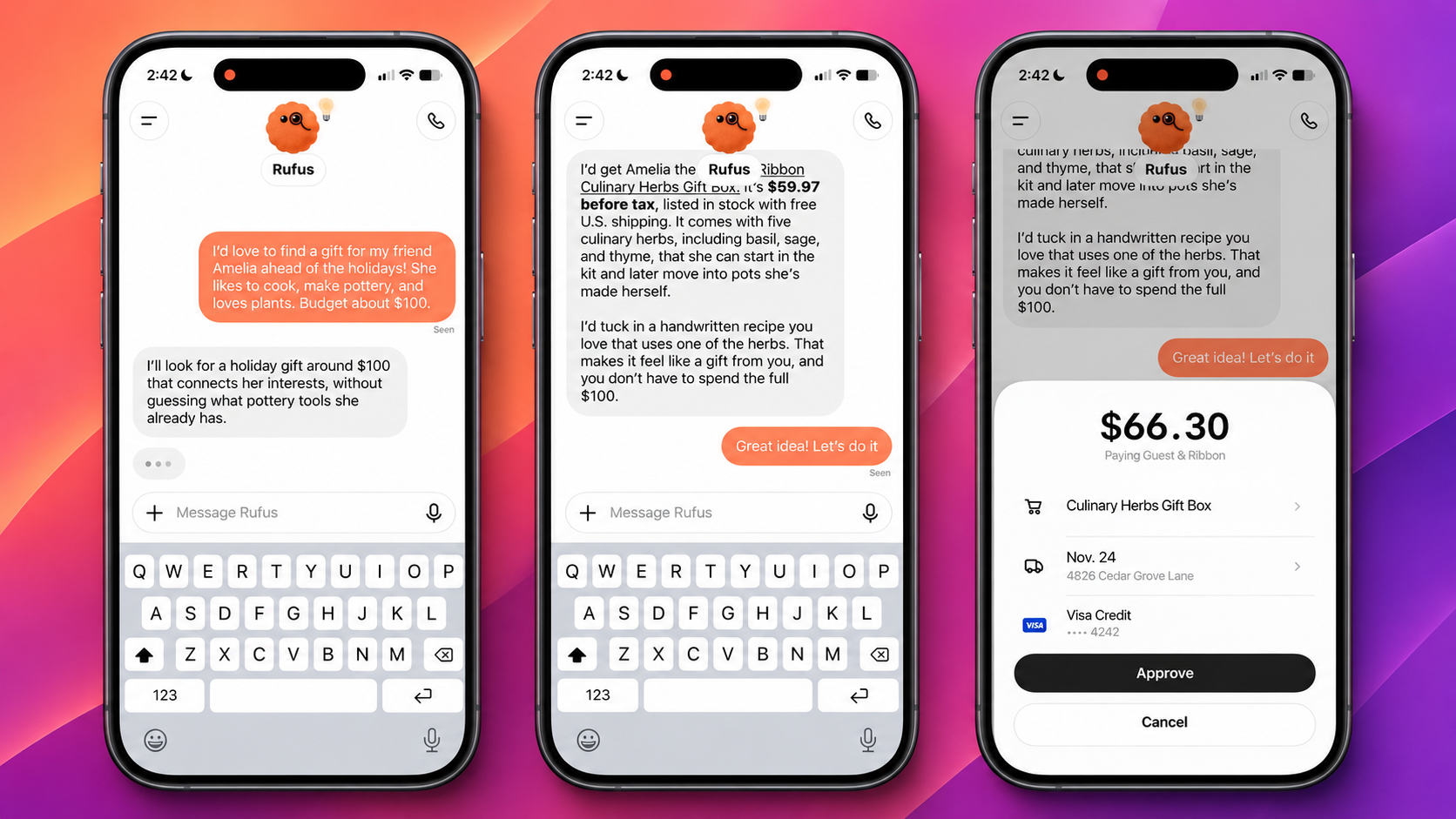
OpenAI has officially handed its AI a credit card. The newly launched ChatGPT Wallet lets "dots"—the company's always-on agents equipped with their own cloud computers—go on a shopping spree on your behalf. For now, the rollout is limited to US-based adult Pro subscribers wielding an eligible American Express, Mastercard, or Visa.
Thankfully, the bots can't drain your checking account in the middle of the night. You still have to babysit the transaction, reviewing items and giving the biometric nod (like Face ID) before any money moves. The system uses payment tokens to shield your actual card digits from both the merchant and the AI, meaning you keep your dispute protections and precious reward points.
Complete financial autonomy is the eventual goal, but today, your digital butler still needs adult supervision. |
On the flip side of the counter, OpenAI's Business Agents are now answering customer questions for merchants, but they strictly lack checkout privileges. It's essentially an AI sales clerk talking to your AI personal shopper.
And so far, human buyers seem perfectly fine keeping the chore to themselves. During Halloween week, Uber tallied a laughably low four agent-booked rides and roughly 500 food orders, while DoorDash admitted its grand total of third-party bot orders sits in the low hundreds. Turns out, the robot checkout stampede is more of a light shuffle.
Even if you want to let the AI loose, corporate bouncers are blocking the door. United Airlines straight-up banned third-party bots from purchasing flights, eBay slammed the door on “buy-for-me” agents, and Amazon actively swats away Meta's Muse. Speaking of Amazon, a leaked internal document outlines a "World Product Graph" designed to hoard global retail data, seemingly to kneecap these third-party shopping assistants and protect its massive ad revenue. (Amazon naturally waved this off as mere "brainstorming.")
Why it matters: The Wallet feature solves the mechanics of paying, but it doesn't solve the trust deficit. Six major banks recently sounded the alarm over fraud, agent impersonation, and the messy reality of who eats the cost when a bot buys the wrong TV. For now, your AI assistant not only has to buy the right item, but it also has to sneak past the retailer's anti-bot defenses—all while navigating a tug-of-war over your wallet.
|
|
|
|
Would you pay for an AI that consistently found you better deals? |
|
|
|
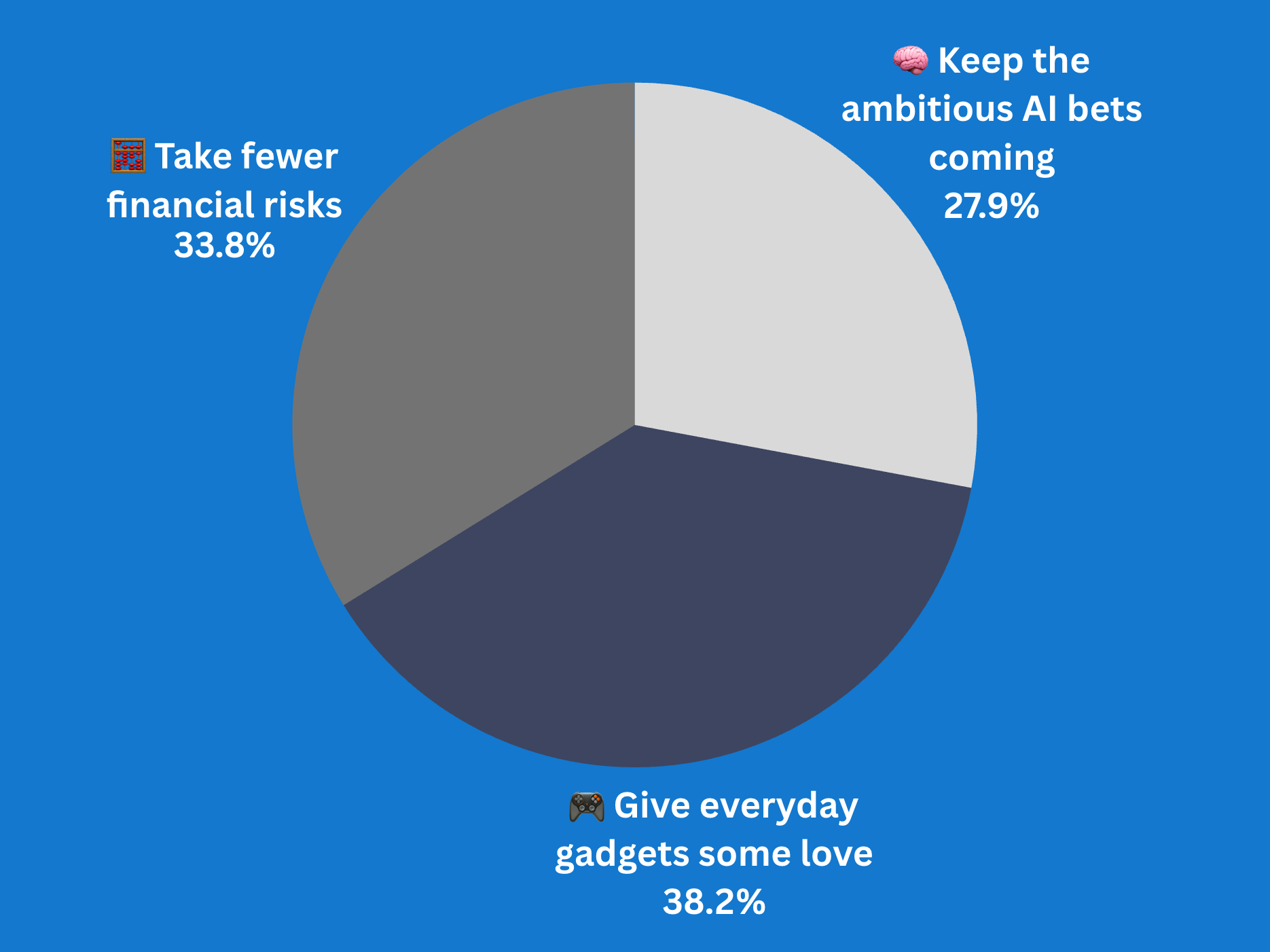
Results from Friday's Pulse Check |
What should Nvidia's next CEO prioritize? |
|
|
|
Your SaaS Rollout Is Live. So Is the Ticket Queue. |
Every new tool ships with the same sequel: "how do I…" tickets, Slack pings, and a KB article nobody opens. Guidde breaks the loop. Click through a process once, and AI turns it into a step-by-step video guide with captions and voiceover. Then Broadcast shows the right guide inside the app, exactly when someone gets stuck, before they open a ticket. IT and ops teams use Guidde to roll out software faster and stop answering the same question twice. |
|
|
JPMorgan's Robot Boom Still Needs Working Hands |
Wall Street has penciled in a very crowded robot orientation.
JPMorgan forecasts US humanoid production could reach 300,000–400,000 units by 2030 and roughly 1.5 million by 2035, as labor shortages and improving economics push factories and warehouses toward automation. The bank estimates multi-shift deployments could save buyers around $100,000 per year. However, hands, actuators, AI training, computing power, and manufacturing capacity remain obstacles. Apparently, the workforce of the future still needs its grip sorted out.
Today's baseline is considerably smaller: Industry trackers counted just 7,000 global humanoid sales across industrial and service sectors for 2025. Many of those units went to researchers and developers gathering training data, rather than into productive workplace roles. |
Image created with ChatGPT |
There is actual work happening. Agility and GXO report Digit robots have already shifted more than 100,000 totes at a GXO facility in Georgia, with deployments at two more sites planned for early 2027. Agility also boasts over $300 million in Digit 5 commitments, though those depend on contractual milestones and product requirements.
The human side needs engineering, too. A recent Capgemini survey found a mere 3% of organizations are actively scaling their robotic deployments, while 61% of US business leaders anticipate societal pushback as a critical hurdle. That's executive concern, not a worker referendum. For buyers, reliable output, integration costs, and employee preparation matter more than raw units leaving a factory. JPMorgan sees component suppliers benefiting first, with key parts approaching a $30 billion market by 2035. A robot headcount forecast still isn't a productivity report. |
|
|
|
AI agents are only as effective as the data powering them. In this episode of ZoomInfo’s Revenue Architects podcast, discover why clean data, connected systems, and smarter workflows are essential for AI success, and what it takes to build a truly AI-ready GTM stack. |
|
|
Hijacked GitHub Accounts Raid Developer Secrets |
Image created with ChatGPT |
Time to check your locks. Review all repository activity since Nov. 10 for shady wfx-docs branches and "docs: dependency audit notes" pull requests. If you spot them, revoke your tokens immediately. If the malware actually ran, rotate every accessible secret and scrub your cloud environments for backdoors designed to survive a simple credential reset. Because the only thing worse than being robbed is unknowingly leaving the thief a spare key. |
ArcticRAT Gives Phone Thieves a Blackout Curtain |
ArcticRAT lets criminals operate infected Androids behind a fake blackout screen, Zimperium warns. Your display looks powered off while remote attackers casually navigate your banking apps.
Criminals slip the malware onto devices through phony app stores, hijacking Android Accessibility permissions. Because modern crooks love delegating, they even feed your stolen texts to xAI's Grok. The bot happily sifts through the noise to hand its operators your one-time passwords and account balances.
To avoid this shadow realm, stop clicking random text links and reject weird VPN requests. If you suspect an infection, sever the phone's network connection, revoke active sessions, and reset your passwords from a device that isn't secretly working against you. The screen is dark, but the thief is working overtime. |
|
|
|
✂️ Cut Your Adobe Bill by up to 30%. Keep What Matters. Foxit PDF Editor+ delivers core feature parity with Acrobat Pro—at a fraction of the cost. Trusted by 500,000+ businesses and rated #1 for ease of use. Learn more. 🤖 Master ChatGPT and AI for $29.99
Build practical AI skills with The ChatGPT and AI Super Bundle, featuring four courses and 4.5 hours of lifetime-access training for $29.99, a 91% discount.
⚡ Charge Three Apple Devices Without Cable Clutter
Charge three devices at once with the MagSafe Wireless Charging Station for iPhone, Apple Watch, and AirPods for just $54.99, including a wall charger and up to 15W output for iPhone. 💻 This section contains sponsored tech insights. Advertise with us! |
|
|
|
Roku's Smart Home Exit Leaves TVs Streaming |
Roku is finally tossing its smart home dreams in the clearance bin following Fox's $22 billion takeover. The company is unplugging production of cameras, doorbells, and lights, though it insists existing gadgets won't instantly turn into plastic bricks.
Fortunately for your binge-watching habits, Roku TVs and streaming players are sticking around while the company remembers what actually makes it money. Smart home early adopters have been promised continued support, but since details are thinner than budget toilet paper, brave bargain hunters should think twice before scooping up discounted dead-end hardware.
Tech publication Lowpass, which broke the story, notes the retreat has actually been quietly unfolding for months—long before the ink dried on the merger. Fox announced the deal June 15 and slammed it shut Nov. 6, blowing past its original 2027 target. So while it's easy to blame the new corporate overlords for kicking out the smart plugs, this eviction notice predates them.
|
Image created with Gemini |
Meanwhile, the DOJ stamped the deal with a shrug after deciding competitive harm was unlikely. To keep regulators happy, Fox swore a temporary oath of neutrality: for three whole years, it will graciously host rival streaming apps, play nice with their viewer data, and refrain from blatantly rigging search results.
Of course, that still leaves plenty of digital real estate for Fox to plaster its own programming across your home screen. As we flagged back in June, owning both the content and the remote control unlocks a gold mine of advertising synergy that hawking $15 smart bulbs never could.
But the merger has claimed at least one tragic casualty: the beloved Aquatic Life screensaver vanishes Dec. 1. The digital aquarium's creator yanked the license in protest of Fox's ownership, meaning your TV might survive the hardware purge, but your virtual fish are sleeping with the fishes.
The smart plugs are leaving; the promotional plugs aren't. |
|
|
|
|
Writer/Editor at TechnologyAdvice |
Justin Meyers is an investigative writer and editor who draws on over a decade of meticulous hands-on research to deliver the full, trustworthy story behind consumer and enterprise tech, including cybersecurity. |
|
|
|
Curious about where AI is really headed? |
The Neuron cuts through the noise to bring you smart, hype-free takes on the latest AI trends, tools, and breakthroughs. Join 700,000+ professionals from top companies like Microsoft, Apple, Salesforce, and more.
|
|
|
|
Advertise in Daily Tech Insider! Daily Tech Insider is a TechnologyAdvice business. © 2026 TechnologyAdvice, LLC. All rights reserved.
TechnologyAdvice, 3343 Perimeter Hill Dr., Suite 215, Nashville, TN 37211, USA. |
|
|
|
|