







Five Things Hackers Are Doing With Victims’ Data in 2015
by Darryl K. Taft
Blackmailing
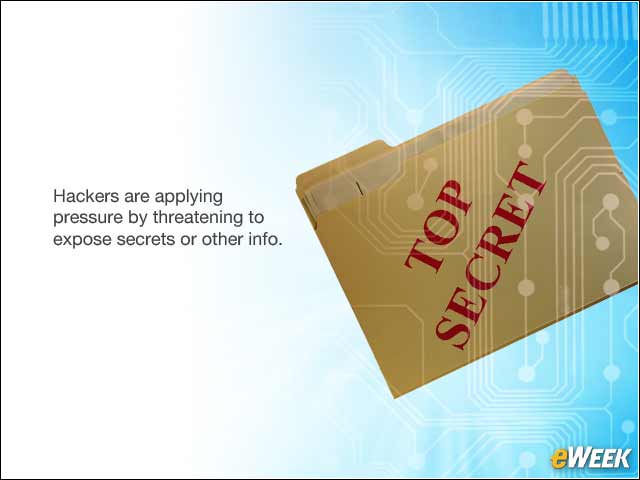
Blackmailing a corporation or individual for access to data or private information is becoming more common among hackers. Well-known companies or public figures fear slander and defamation for themselves or their customers. Because of this, hackers are beginning to apply pressure by threatening to expose secrets or other obtained information. Many times, hackers’ demands are met with the use of malware or what is known as “ransomware,” which infects users’ personal computers and restricts them from gaining access to their data until a ransom is met.
Home Automation Systems
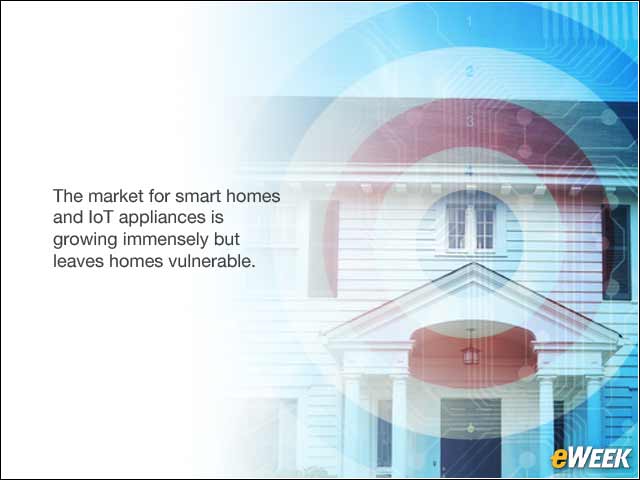
“Smart homes” are on the rise, giving homeowners (and hackers) remote access to control lights, alarm systems, door locks and other home appliances. Hackers can use these IoT home appliances and devices as “thingbots,” hacking into them and inserting malware that spams out email and phishing attempts. Homeowners do not suspect this, as unlike most computers, these devices don’t come equipped with virus-scanning software. The market for smart homes and IoT appliances is growing immensely but also leaves homes vulnerable. Hackers can get more sophisticated and access data on home networks through phones or connected gaming devices that are constantly connected to the home network, as they are more robust in terms of power, speed and memory.
Hacking and BYOD
Hackers only need access to one individual’s device to gain access to an entire company’s files and data. Companies are seeing more and more of this as individuals are not firmly educated on company bring-your-own-device (BYOD) security policies, and companies are not developing strict ground rules for using personal devices at work.
Complex Data
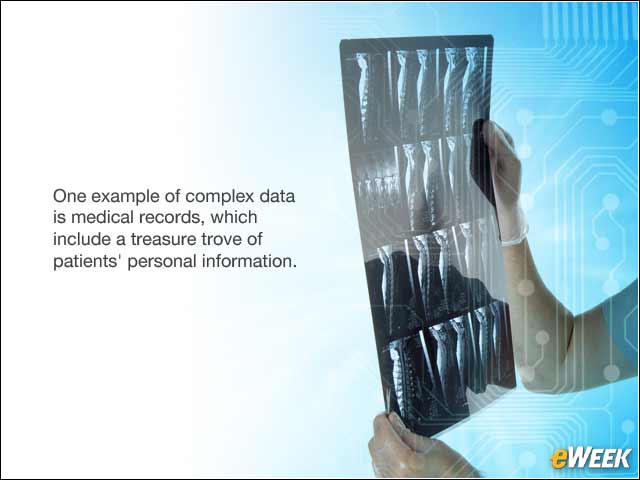
Complex data—including medical records, which contain information used for greater identity theft—is worth much more than credit card information, which can be updated and changed. Gaining access to a person’s address, shopping habits, etc., gives hackers a greater opportunity for leveraging or selling a stolen identity.
“Hacktivists” and State-Sponsored Attackers
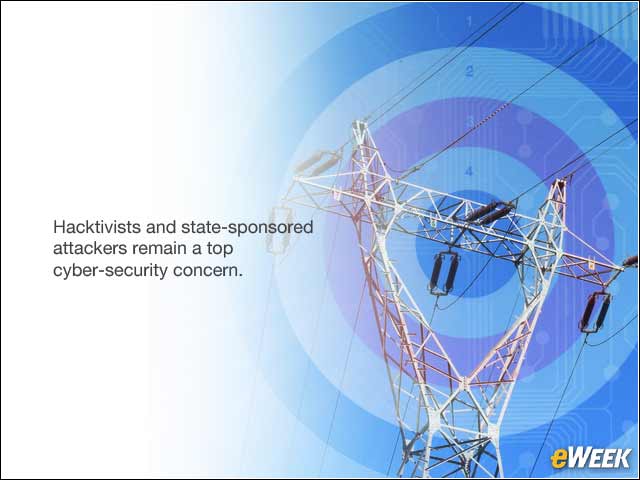
Hacktivists and state-sponsored hackers are taking advantage of connected devices that regulate systems on a large scale, such as water supply systems, traffic control systems and subway terminal switching systems, that are often vulnerable. Hacktivists’ making a big statement for a cause they are fighting for can causing chaos or damage to these systems. State-sponsored hackers also look to target these susceptible systems and, for instance, try to shut down an electric grid in the United States or abroad. This remains a top concern for cyber-security personnel within the U.S. government.