






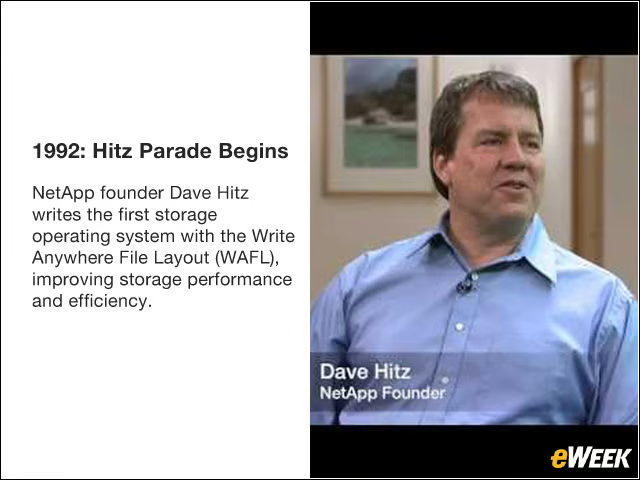


- 1992: Hitz Parade Begins
- 1993: First NAS Appliance Boots Up
- 1993: SnapShot Data Protection
- 1995: NetApp Goes Public
- 2002: First Unified Storage System
- 2003: Virtualization Crosses Vendor Barriers
- 2008: Less Storage-Capacity-Used Guarantee
- 2011: An Innovative Company
- 2009: Best Company to Work For in the World
- 2012: NetApp Steps Up Move to the Cloud
1992: Hitz Parade Begins
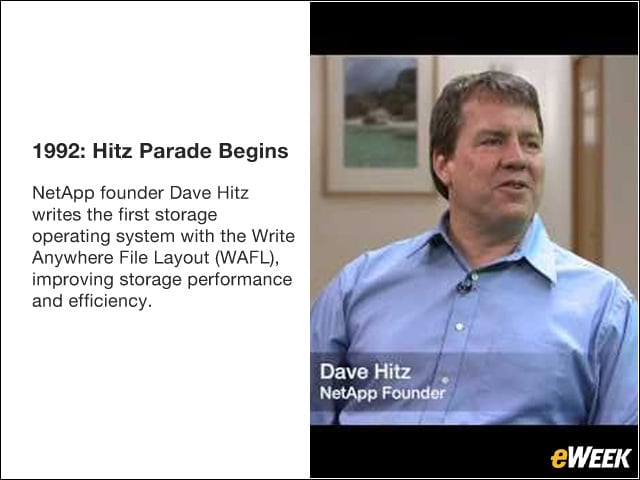
NetApp founder Dave Hitz writes the first storage operating system with the Write Anywhere File Layout (WAFL), improving storage performance and efficiency.
1993: First NAS Appliance Boots Up
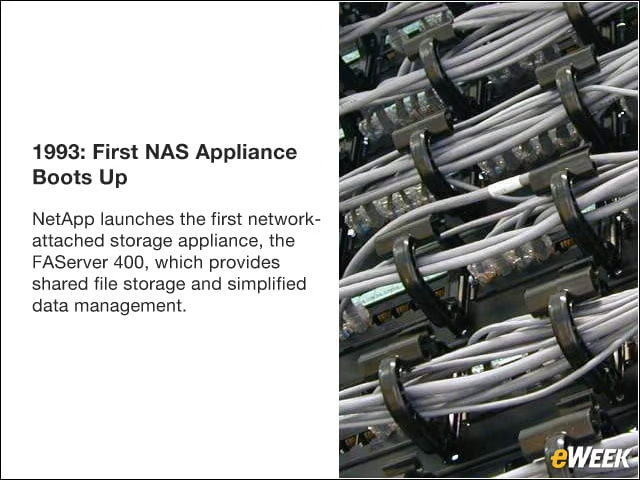
NetApp launches the first network-attached storage appliance, the FAServer 400, which provides shared file storage and simplified data management.
1993: SnapShot Data Protection
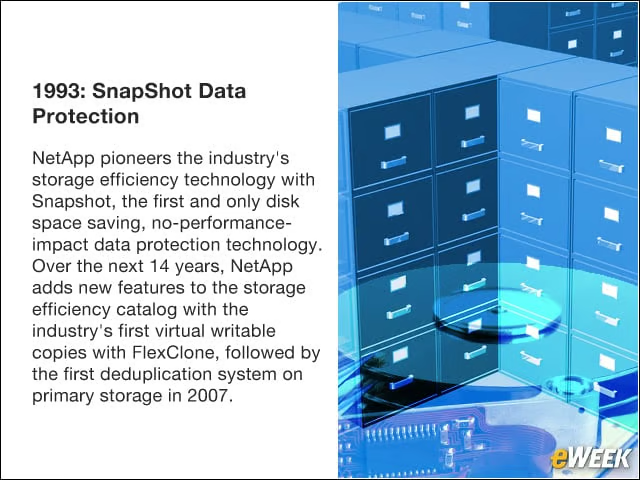
NetApp pioneers the industry’s storage efficiency technology with Snapshot, the first and only disk space saving, no-performance-impact data protection technology. Over the next 14 years, NetApp adds new features to the storage efficiency catalog with the industry’s first virtual writable copies with FlexClone, followed by the first deduplication system on primary storage in 2007.
1995: NetApp Goes Public
NetApp goes public in 1995, and four years later, the company was added to the Nasdaq 100 and S&P 500. In 2001, NetApp sales hit $1 billion in sales, and 11 years later, NetApp hit $6.2 billion in sales. In 2012, NetApp debuted on the Fortune 500 list at No. 474.
2002: First Unified Storage System
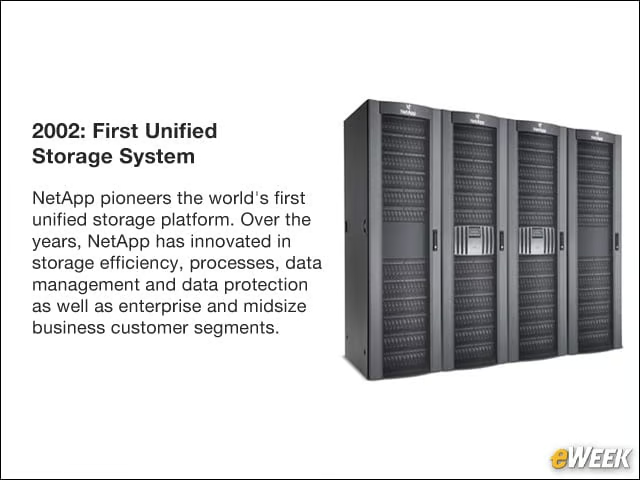
NetApp pioneers the world’s first unified storage platform. Over the years, NetApp has innovated in storage efficiency, processes, data management and data protection as well as enterprise and midsize business customer segments.
2003: Virtualization Crosses Vendor Barriers
NetApp virtualizes other vendors’ storage arrays, enabling the company’s Data ONTAP efficiencies and data protection in its V Series arrays. The offering provided the first data management features for other storage vendors. The V-Series product line is unique in its ability to unify storage array products from Hitachi, HP, IBM, Fujitsu and EMC.
2008: Less Storage-Capacity-Used Guarantee
NetApp is the first in the industry to offer customers a guarantee that they will use 50 percent less storage in their virtual server/desktop environments with NetApp, compared with traditional storage, or NetApp will provide additional capacity at no charge.
2011: An Innovative Company
NetApp is named one of the world’s most innovative companies by Forbes magazine as one of the few major storage vendors to make the list at No. 34.
2009: Best Company to Work For in the World
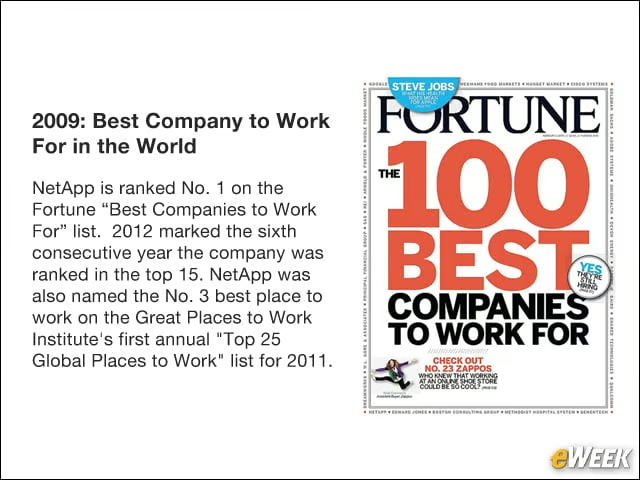
NetApp is ranked No. 1 on the Fortune “Best Companies to Work For” list. 2012 marked the sixth consecutive year the company was ranked in the top 15. NetApp was also named the No. 3 best place to work on the Great Places to Work Institute’s first annual “Top 25 Global Places to Work” list for 2011.
2012: NetApp Steps Up Move to the Cloud
NetApp’s FlexPod data center platform, which includes NetApp unified storage systems, Cisco Unified Computing System servers and Cisco Nexus switches, is accelerating the transition to the cloud for more than 850 customers in nearly 33 countries globally to date. FlexPod is designed from the ground up as a channel sale.