







- Google for Jobs Takes Aim at Job Seekers, Work Search Challenges
- Google for Jobs Will Be a New Search Site
- Google Is Working With Partners
- Machine Learning Is an Important Part of Google for Jobs
- An Automatic Location Feature Can Be Adjusted
- Several Handy Filters Further Improve Relevance
- Employers Won’t Need to Change Tack
- Google Has Hinted About Fast Applications
- Google for Jobs Stems From a Big Job-Seeking Problem
- GoogleWill it Kill Job Boards?ForJobs_9
- When to Expect Google for Jobs
Google for Jobs Takes Aim at Job Seekers, Work Search Challenges
Google is developing a new service called Google for Jobs that’s designed to help people across the U.S. find their next job. But the offering might take down some established job boards in the process. Google for Jobs is a search service that uses machine learning to deliver more relevant results. The service initially will take job postings from partner sites such as Monster.com, Facebook or CareerBuilder. It will automatically match a person’s location to help them quickly discover available positions. Google for Jobs also will have some handy filters to narrow search results. But there are still many question marks surrounding Google for Jobs and it’s unclear how traditional job boards might hold up to this big, new competitive challenge. This eWEEK slide show will examine Google for Jobs and the impact it might have when it launches.
Google for Jobs Will Be a New Search Site

Google for Jobs is not another app. Rather, Google for Jobs functions as a full-fledged search feature that helps users find available jobs in specific locations. It will be accessible in the browser on both the desktop and mobile devices.
Google Is Working With Partners

To get Google for Jobs off the ground, the search giant plans to partner with LinkedIn, Facebook, Monster.com, CareerBuilder and Glassdoor. Those sites will feed Google for Jobs its content, making Google for Jobs a repository for job listings across a wide array of services instead of just one.
Machine Learning Is an Important Part of Google for Jobs

Machine learning plays a critical role in Google for Jobs. The service’s artificial intelligence will categorize and cluster jobs around the user’s skills. Rather than searching for content and displaying several results that aren’t relevant, Google for Jobs ensures the most relevant results are delivered to job seekers.
An Automatic Location Feature Can Be Adjusted
Many job boards force users to search around a particular location, which means they might miss positions in nearby areas. Google for Jobs will automatically determine a person’s location and populate results with positions in the area. And if users want to search outside their location, they can do that, too.
Several Handy Filters Further Improve Relevance

Google for Jobs will launch with a host of filters that aim at improving search results to make them more relevant. The filters are especially useful in certain industries, such as retail, where the breadth of jobs is wide. For instance, users can filter their search criteria to look for retail management jobs rather than store clerk positions. The filters also can be used for salary requirements and other information.
Employers Won’t Need to Change Tack

At least at its onset, Google for Jobs won’t require employers to change how they post positions: They can simply go to the job board of their choice and post a job. The listing will find its way to Google for Jobs automatically.
Google Has Hinted About Fast Applications

While Google hasn’t confirmed its plans, the company noted during its announcement that job seekers might be able to apply for positions through Google for Jobs. The application would be quick and easy, Google indicated, and could allow job seekers to apply to several positions in less time.
Google for Jobs Stems From a Big Job-Seeking Problem

At its Google I/O developers conference, the search giant justified launching Google for Jobs by pointing to problems with the current hiring market. Google chief executive Sundar Pichai noted 46 percent of U.S. employers “face talent shortages and have issues filling open job positions.” Google for Jobs was designed specifically to alleviate that problem and quickly connect employers and applicants, he said.
GoogleWill it Kill Job Boards?ForJobs_9
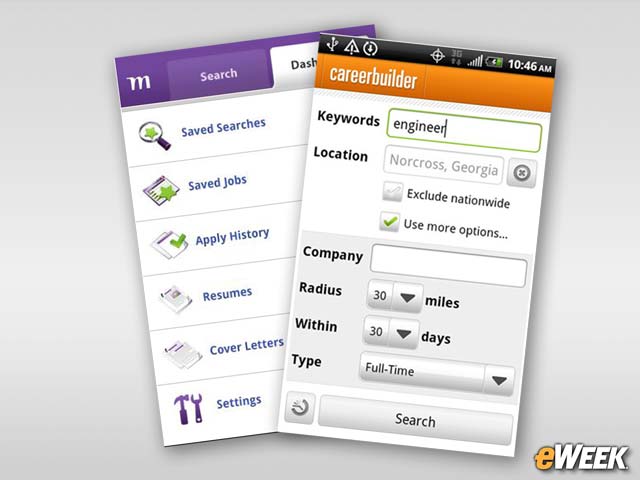
One of the big questions is whether Google for Jobs could derail current job boards. Google currently is partnering with big jobs sites, but it’s possible users ultimately will choose Google’s service to find positions, since it will have content from several sources. Google said it’s not in competition with job boards, but it could throttle some of its partners if it proves as popular as its other search services.
When to Expect Google for Jobs

Google has not specified a launch date for Google for Jobs. However, the company did say it would be available within the next several weeks. Google for Jobs is launching with a handful of partners and could add others in time.