








- Google’s Book-Scanning Victory: What’s at Stake for Authors, Readers
- This Lawsuit Started a Long Time Ago
- Google Estimated Serious Damages
- It Could Extend to Other Media
- Is There an Offline Component?
- Despite Author Claims, Sales Might Go Up, Judge Argues
- Is It Truly ‘Transformative’?
- A Settlement Was Once Floated
- Expect Other Major Companies to Join the Fun
- Publishers Are Already Out
- An Appeal Is Coming
Google’s Book-Scanning Victory: What’s at Stake for Authors, Readers

By Don Reisinger
This Lawsuit Started a Long Time Ago
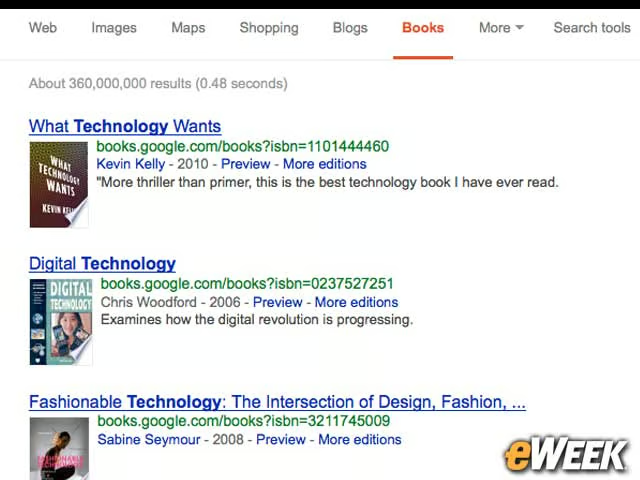
Google’s troubles over its practice of scanning books to put them on the Web didn’t start recently. Authors and publishers sued the search company in 2005, and litigation has continued over that span. Even now, there might not be a definitive end to the litigation for years to come.
Google Estimated Serious Damages
Since it’s a public company, Google must alert shareholders to anything that is or could be material to their position in the search company. As a result, Google revealed that the Authors Guild was seeking $750 in damages for every book scanned. All told, Google estimated the lawsuit could have potentially cost Google $3 billion in damages.
It Could Extend to Other Media
The legal system is rife with lawsuits surrounding the concept of fair use and what can be done with copyrighted content. Many of those cases relate to the publishing of photos or graphic art online. Since Google has won this ruling, it’s entirely possible that it could be used for defense against other claims by copyright holders.
Is There an Offline Component?
Some have said that Google’s victory might also be good for libraries and researchers. In fact, Google’s book-scanning efforts started at the request of libraries at major universities, which wanted to preserve ancient books and long out-of-print titles. With Google bearing most of the litigation burden, libraries can reap the benefits of Google’s massive digital book scanning campaign without too much fear of legal liability from authors.
Despite Author Claims, Sales Might Go Up, Judge Argues
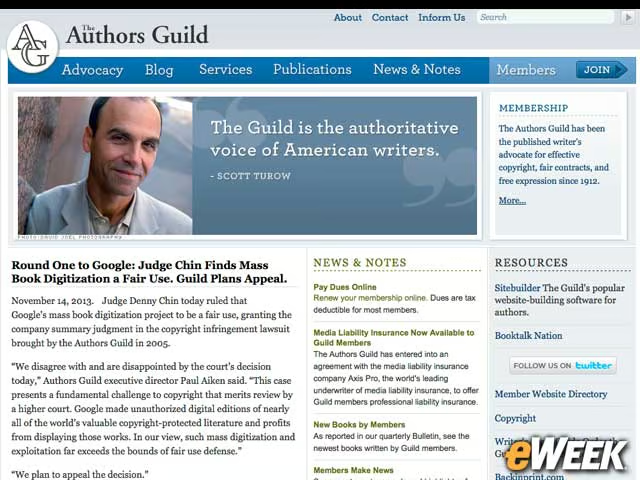
Judge Denny Chin of the U.S. Circuit Court in New York ruled in Google’s favor. In his order, Chin argued that the book scanning does not harm authors and could actually improve sales. After all, he argued, users could check out snippets of a title online, and if they like what they read, they can then buy the book at Amazon or any other bookseller.
Is It Truly ‘Transformative’?
Judge Chin believes that Google’s book-scanning technology is “transformative” and, therefore, good for society, he said in his order. The magistrate claims that Google’s Books service allows for out-of-print books and those that have been forgotten to claw their way back to public attention and thus increase sales. Without the book scanning, he says, there would be no way for that to happen. That should only bolster Google’s defense in subsequent defenses.
A Settlement Was Once Floated

All of this legal battling could have been avoided a long time ago. In 2011, Google and the authors and book publishers announced that they had come to a $125 million settlement. Google would have paid out the cash and would then have the right to scan books. However, it was Judge Chin at the time who nixed any settlement idea for fear of Google creating a “de facto monopoly” in the book-scanning business. Who knew that would turn out so well for Google?
Expect Other Major Companies to Join the Fun
Because no deal was signed in 2011 and Google has now won in a clear victory for online firms, it’s entirely possible that other Web content aggregators will start scanning books and other copyrighted content. After all, the ruling indicates that as long as a work isn’t copied wholesale and sold, it’s just fine for companies to share excerpts with the public.
Publishers Are Already Out
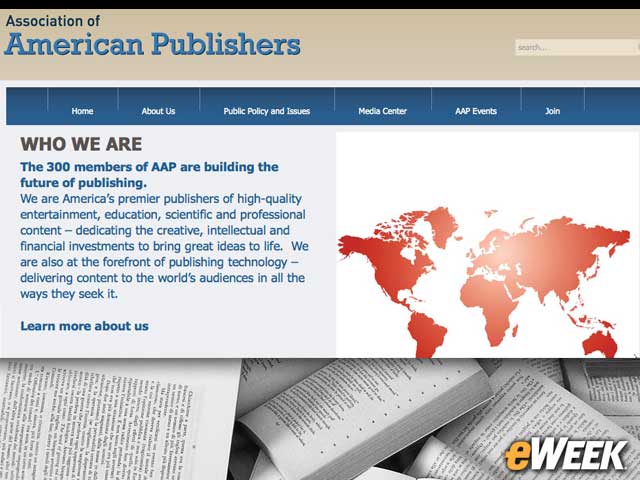
It’s important to point out that the lawsuit now only includes Google and authors. Although publishers joined with authors long ago, the search company last year inked a deal with the Association of American Publishers that saw the latter drop the lawsuit and Google acknowledge publisher rights to remove any book they don’t want shared on the service. Google will also provide to publishers a digital copy that they can use for their own purposes. It was a big win for both sides, and it left authors with far less protection.
An Appeal Is Coming
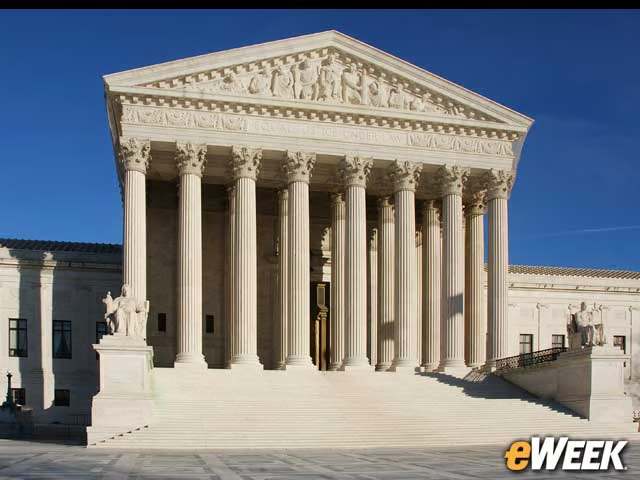
Although it may look like the authors lost and their case is closed, nothing could be further from the truth. In fact, the Authors Guild has already said it will appeal the ruling in hopes it can persuade a higher court to overturn the ruling. How long it will take to make its way through to a final definitive ruling is anybody’s guess.