









- Google Wants to Push Chromebox Into the Enterprise: 10 Reasons Why
- It’s All About Chrome OS
- Google Is Taking Advantage of Weakening Windows PC Sales
- It’s Easy on Corporate Budgets
- The Great Google-Microsoft Rivalry Is a Big Factor
- Chromebooks Are Gaining Steam
- Google Wants to Be Ready for the Cloud
- It’s a Long-Term, Education-Based Strategy
- Remember Google Services
- Doesn’t it All Come Back to Search and Ads?
- Chromebox Developer Lock-In
Google Wants to Push Chromebox Into the Enterprise: 10 Reasons Why
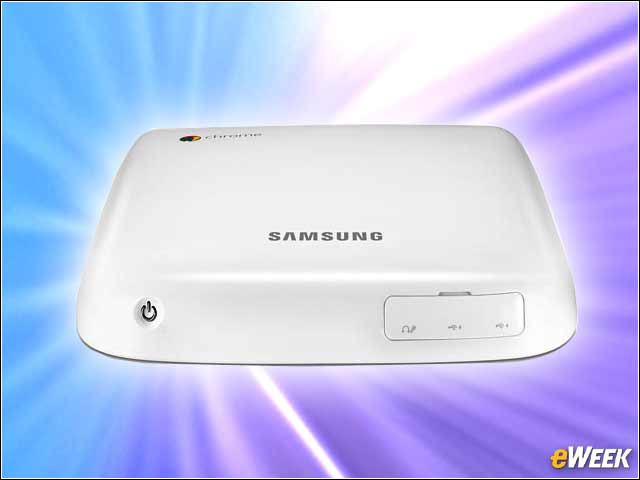
by Don Reisinger
It’s All About Chrome OS
Google has made it abundantly clear that it wants to make Chrome OS, the company’s cloud-based operating system, a must-have for educational and enterprise users. Although it’s estimated that Chrome OS has less than 1 percent share in those markets, Google believes that that figure will grow and help it bring Chrome OS to more people in the consumer space, as well. Simply put, targeting the enterprise with Chromebox could be a cross-market strategy.
Google Is Taking Advantage of Weakening Windows PC Sales
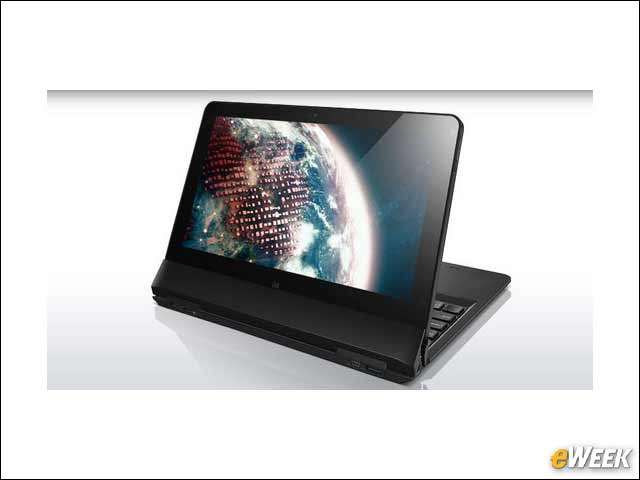
Over the last several quarters, PC sales have been declining as corporate users decide to extend their update cycle; stick with Windows 7, rather than deploy Windows 8; and invest in tablets. That, in Google’s estimation, might give it the opportunity it needs to steal some crumbs from Microsoft and start to make inroads into the enterprise.
It’s Easy on Corporate Budgets
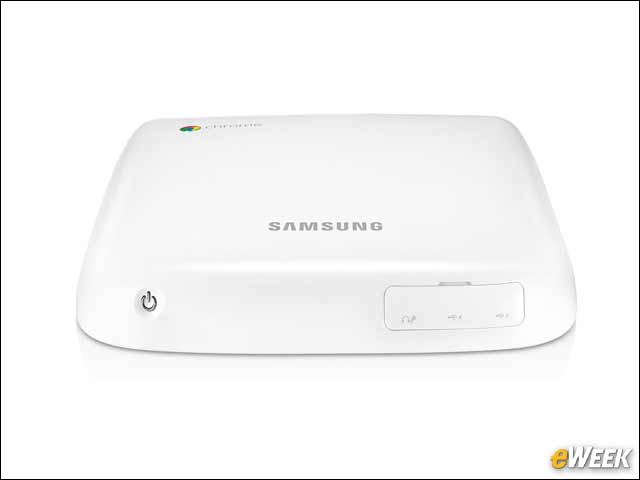
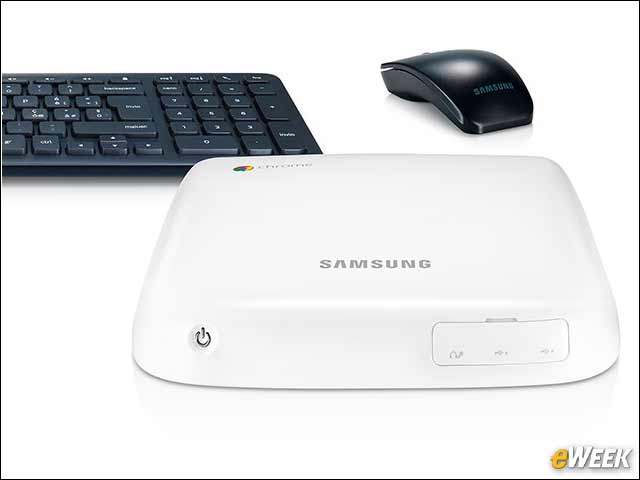
One of the nice things about Chromebox is that it comes cheap. A Samsung version, for example, starts at $329, while the full-featured Chromebox for Meetings goes for $999. Other vendors are coming along with Chromebox devices with similarly cheap price tags. All of that should help IT budgets.
The Great Google-Microsoft Rivalry Is a Big Factor
If Microsoft wasn’t such a huge presence in the enterprise, it’s hard to say what Google would do to target that market. But the software giant is heavily reliant upon the enterprise, and Google wants nothing more than to take Microsoft down. From operating systems, to productivity suites, to hardware, Google wants to take any opportunity to challenge Microsoft in the enterprise.
Chromebooks Are Gaining Steam
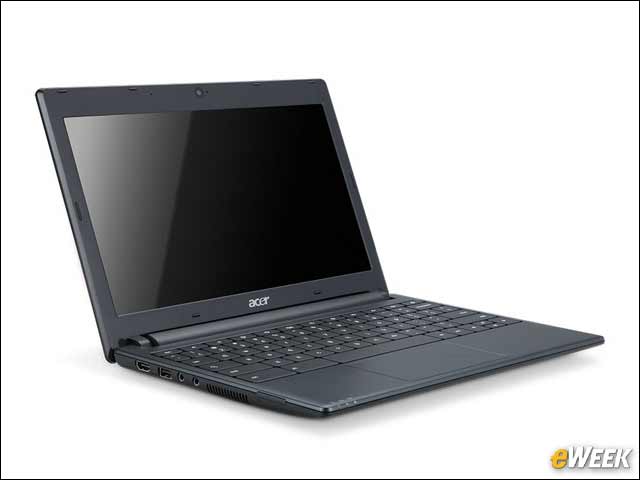
Chromebooks are starting to gain steam. In fact, they were the top-selling lightweight notebooks in the United States last year and have continued to perform fairly well on store shelves so far in 2014. If Chromebooks are gaining steam, why shouldn’t Chromebox do the same?
Google Wants to Be Ready for the Cloud

Just about every analyst in the world says that enterprises will dramatically increase their investments in the cloud technologies in the coming years. Since Chrome OS is a cloud-based operating system that allows for full cloud integration, perhaps Google wants to put out there that it’s capable of scratching that itch.
It’s a Long-Term, Education-Based Strategy
Chromebooks are having success in the education field. There’s some speculation that Google’s desire to target the education market has to do with getting students comfortable using its software. Over time, those folks will enter the workforce, start making decisions and perhaps decide that Chrome OS is right for their businesses. No one thinks that Chrome OS will win the enterprise war tomorrow. But in a decade, it could grow enormously.
Remember Google Services
It’s also possible that the company’s Chromebox push is more about its ancillary services. By getting companies to invest in a Chromebox, they might opt for Google Docs, Google Apps for Business and Google Drive. Google is trying to get the corporate world invested in its many services.
Doesn’t it All Come Back to Search and Ads?
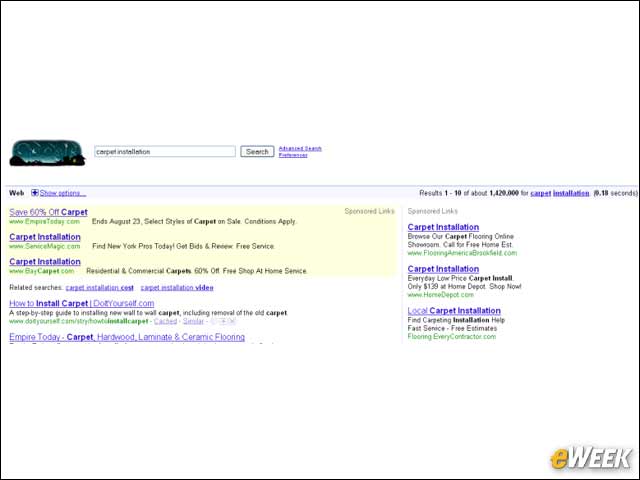
When all is said and done, nearly all Google strategies come back to search and advertising. That’s precisely why Chrome OS is the platform Google has chosen to target the enterprise. The operating system has Google search built-in, thus keeping corporate users engaged with the company’s services (including advertising). Google loves getting the most out of its search and advertising.
Chromebox Developer Lock-In
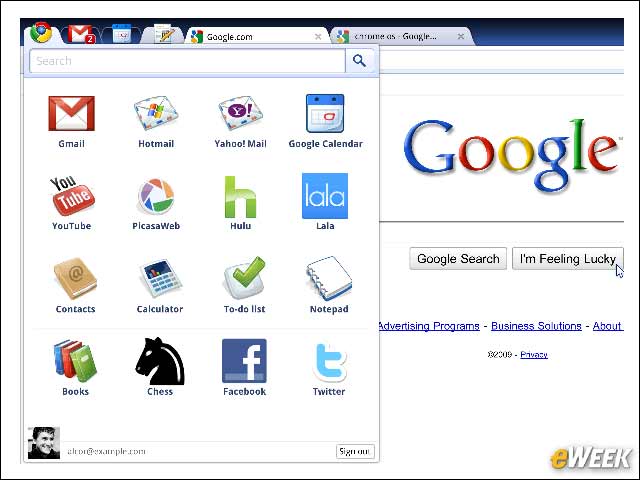
Google and Apple have created an important revenue stream through their mobile applications. They take a chunk of all revenue generated through their stores by third-party apps. By getting Chromebox into the enterprise, Google can attract more developers to its Chrome Web Store, get more vendors to deliver Chrome OS and eventually create an ecosystem that’s generating serious cash. Best of all, Google can lock all of those folks in and ensure it’s the new de facto leader in the space.