







- What Amazon Wants to Achieve With $13.7 Billion Whole Foods Deal
- Amazon Paid a Hefty Premium for Whole Foods
- Amazon Will Acquire a Huge Grocery Retailing Infrastructure
- This Isn’t Amazon’s First Brick-and-Mortar Venture
- Cloud Computing Financed the Whole Foods Deal
- Whole Foods Might Not Change All That Much
- Different Cultures, Perhaps?
- John Mackey Wasn’t Sure Amazon Had a Future in Groceries
- Amazon’s Long-Term Plans Are Unknown
- There Are Hurdles to Overcome
- How Will Competitors Respond?
What Amazon Wants to Achieve With $13.7 Billion Whole Foods Deal
Amazon.com has been slowly expanding its brick-and-mortar presence over the last few years. But it’s taking a bigger step in that direction with plans to acquire Whole Foods for $13.7 billion. The move, which was announced June 16, will provide Amazon with a national retail infrastructure and help it get closer to achieving its goal of being a force in both online and in-store retailing. In a statement, Amazon said that it will continue to operate Whole Foods under its current name, but there’s far more to the blockbuster deal than meets the eye. Read on to learn more about the reasons why Amazon is acquiring Whole Foods and the implications for both companies and their retail competitors.
Amazon Paid a Hefty Premium for Whole Foods
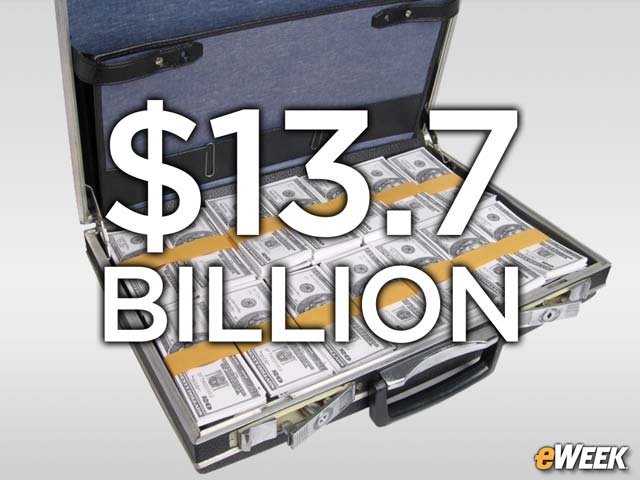
Amazon hasn’t shared much about the Whole Foods buy. But the company did reveal it will pay $13.7 billion, or $42 a share. On June 15, a day before the deal was announced, Whole Foods shares were trading at $33.06, which means Amazon paid a hefty premium for the grocery chain.
Amazon Will Acquire a Huge Grocery Retailing Infrastructure
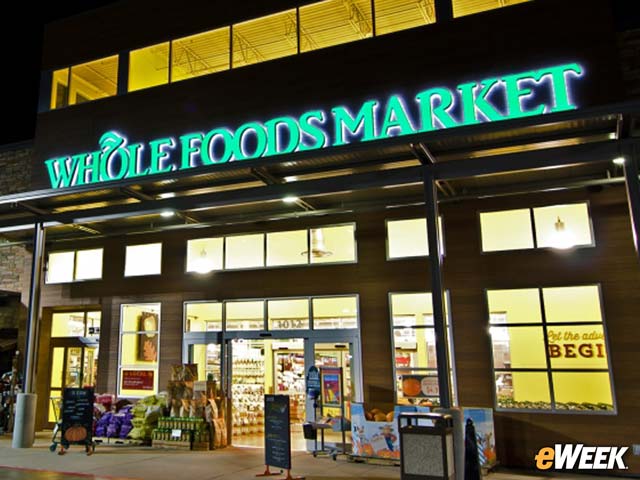
Amazon said it believes Whole Foods has a real market opportunity it can exploit. The grocery chain has more than 460 stores and generates $16 billion a year in sales. That, along with its national infrastructure, positions Whole Foods well to help Amazon scale its retail grocery business.
This Isn’t Amazon’s First Brick-and-Mortar Venture
Amazon has been building out its brick-and-mortar presence for years. The company recently built pop-up stores around the country and has floated self-checkout convenience stores. However, Amazon has never had the kind of brick-and-mortar scale Whole Foods has.
Cloud Computing Financed the Whole Foods Deal
Amazon is acquiring Whole Foods in a cash deal, net of the grocery chain’s debt. In fact, Amazon has about $21.5 billion in cash on its books, generating billions in profits largely on the back of cloud computing. Amazon Web Services accounts for about 90 percent of the company’s operating profit.
Whole Foods Might Not Change All That Much
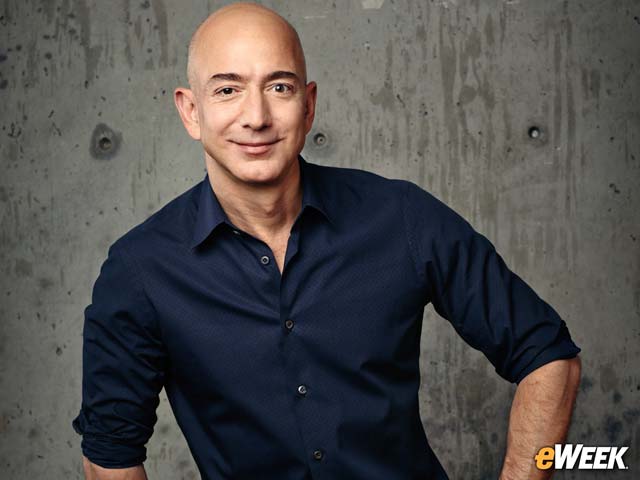
In a statement, Amazon said it intends to keep the Whole Foods brand and source its products from the grocery chain’s list of suppliers. Whole Foods’ headquarters will stay in Austin, Texas, and its co-founder and CEO John Mackey will continue to head the grocery chain. He will report to Amazon CEO Jeff Bezos.
Different Cultures, Perhaps?
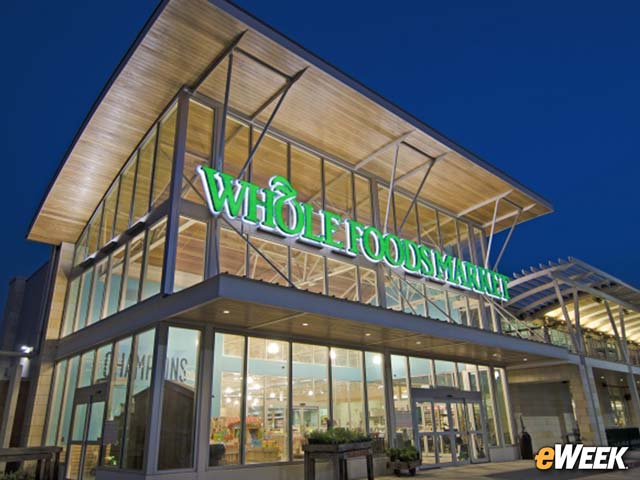
Some analysts have questioned whether Amazon and Whole Foods will work well together. Amazon caters to budget-conscious shoppers and has a broad customer demographic, while Whole Foods largely relies on high-income earners for its customer base, they note. It should be interesting to see how they work together.
John Mackey Wasn’t Sure Amazon Had a Future in Groceries

Mackey once wasn’t so sure Amazon could find its way in the grocery business, at one time saying the market, which has low margins and stiff competition, could ultimately be “Amazon’s Waterloo.” He struck a decidedly different tone when the deal was announced, noting Amazon could help Whole Foods by “extending [its] mission” to deliver high-quality foods to customers.
Amazon’s Long-Term Plans Are Unknown
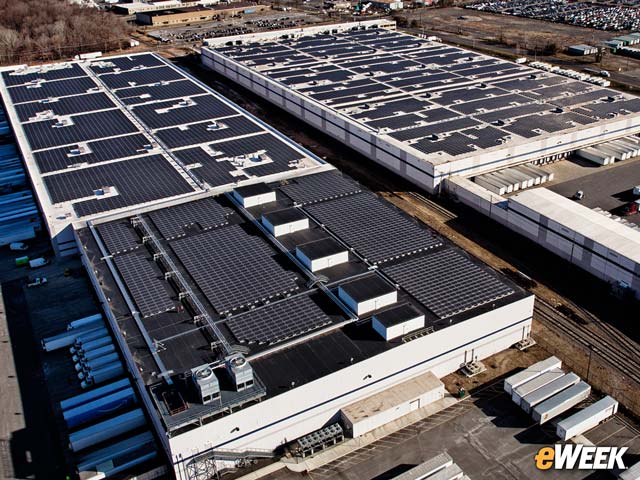
While Amazon said it will keep the Whole Foods name and stores, the company has remained tight-lipped about any other plans. It’s unknown whether Amazon plans to reduce Whole Foods pricing, change up the stores or source products from different companies, for example. So far, Jeff Bezos is not sharing his plans.
There Are Hurdles to Overcome

Amazon expects to close the deal during the second half of 2017. However, to do so, the company will need to secure Whole Foods’ shareholder approval. Additionally, federal regulators will need to review the transaction before the deal can close.
How Will Competitors Respond?
Another big question relates to how Amazon’s competitors could respond to the deal. In other industries, such major deals can lead to further consolidation so larger companies can boost their appeal. Neither Walmart nor Target has commented on the deal yet, but some analysts wonder whether they have some plans to respond to the major Amazon deal.