









- What Live Streaming Brings to Facebook Live, Periscope
- It’s All About Live Video on Social Networks
- You Can Build a Video Archive
- You Can Scan the World for Live Videos
- Do You Care About Sketching?
- Interaction Is Important
- It’s Not Just About Being Public
- They’re Mobile-Centric Platforms
- Facebook, Twitter Want to Keep Users Engaged
- The Celebrity Component Is Important
- What About the Business Model?
What Live Streaming Brings to Facebook Live, Periscope
Facebook Live and Twitter’s Periscope live-streaming platforms provide users with a way to interact and share experiences beyond short posts and static images.
It’s All About Live Video on Social Networks
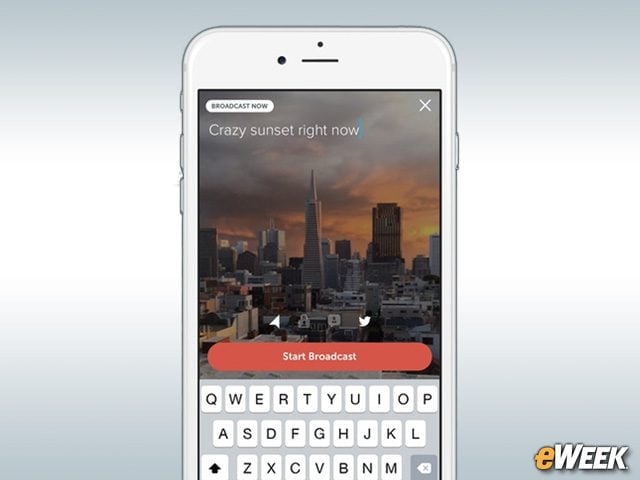
Live streaming on social networks delivers a new way to engage and interact with friends. Broadcasting via Facebook Live or Periscope also provides new ways to share important moments with people who can’t be there in person. Going live is the one thing social networks weren’t doing well—until now.
You Can Build a Video Archive
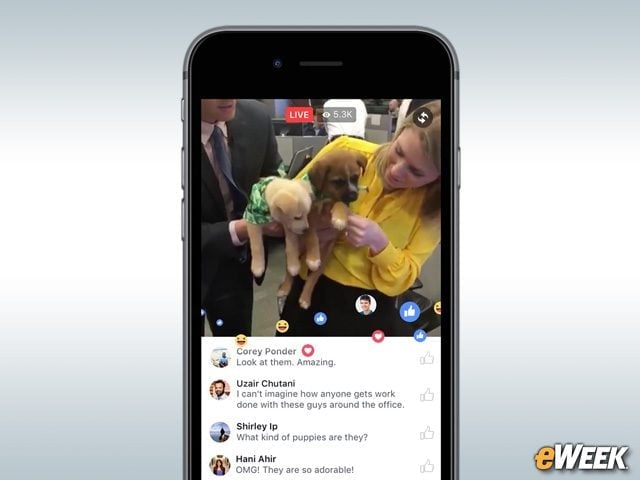
Although live streaming sits at the center of the Facebook Live and Periscope experience, that’s not all there is. In fact, users can at any time record their broadcasts. With both apps, users can essentially create an archive of videos that can be viewed days, weeks or even years later.
You Can Scan the World for Live Videos
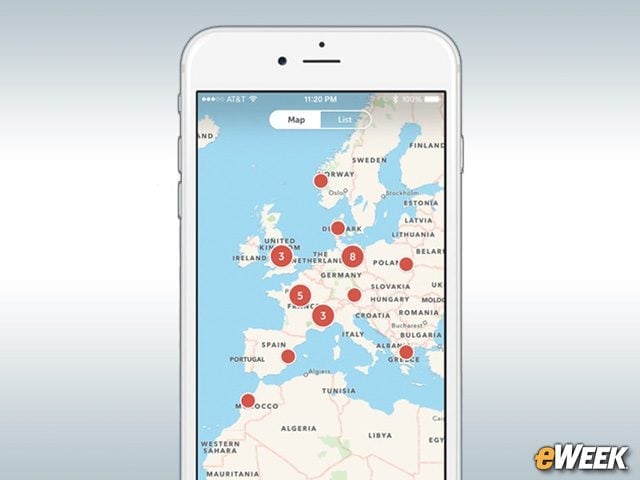
One of the nice things about Periscope is that users have the ability to view a map of locations around the world where people are live streaming. From there, they can jump in and watch to see what someone in, say, Spain is broadcasting at that moment. It’s an interesting way to explore the world and meet new people.
Do You Care About Sketching?
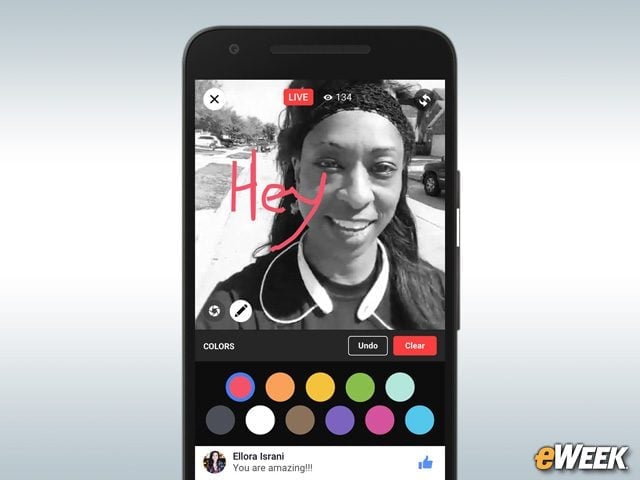
While streaming video to followers, Facebook Live users can also sketch comments, create filters and edit their videos in real time to make them more interesting. It’s a neat feature that can be used to produce videos with far more depth to them.
Interaction Is Important
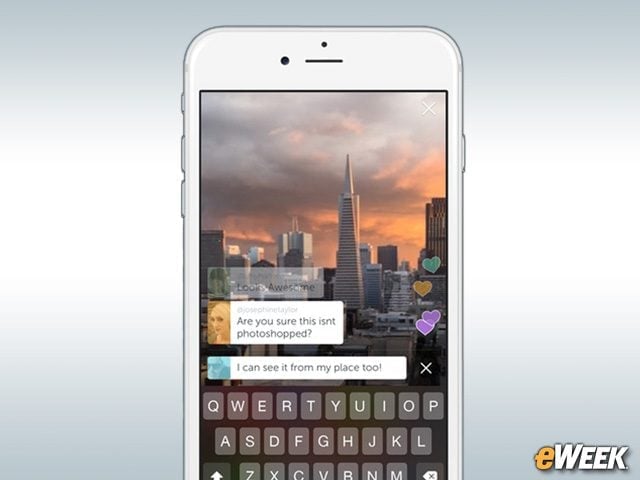
Interaction is central to the Facebook Live and Periscope experiences. Users are able to interact with the streamer from within the app by commenting, liking a stream and using “hearts” on Periscope to tell the person the broadcast is enjoyable. Often times, streamers will then respond to the comments they’re seeing in the app, creating a live, two-way conversation.
It’s Not Just About Being Public
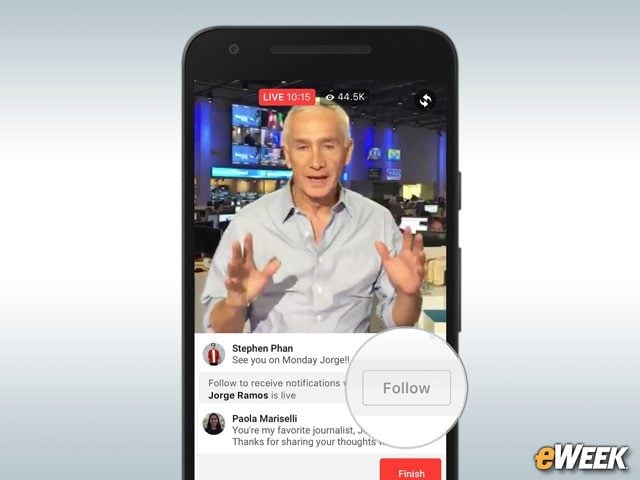
Although the idea behind these apps is to broadcast publicly, some people don’t always want that. That’s precisely why Periscope offers a Private feature that lets users only broadcast to specific people. To do so, users need to tap the “lock” icon and then choose to whom they want to stream. Only authorized users will be able to see the video.
They’re Mobile-Centric Platforms
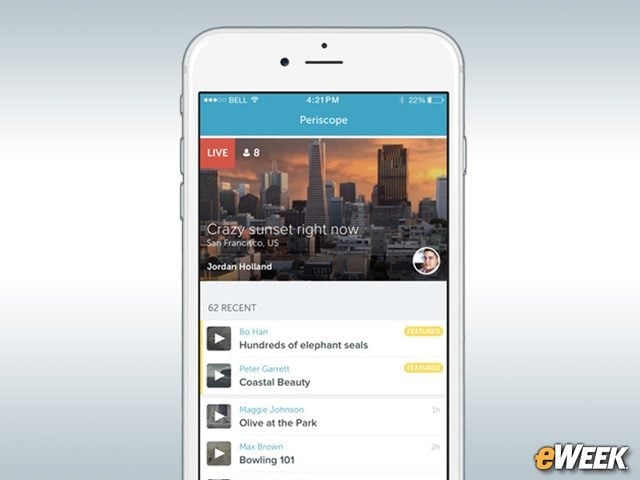
Facebook Live and Periscope are mobile-centric platforms. In fact, the entire idea behind them is for people to roam around and, using their smartphones or tablets, share what’s happening in their world at any given moment. The idea makes sense: With so few people leaving home without a smartphone, why not make it easy for them to broadcast what they’re up to?
Facebook, Twitter Want to Keep Users Engaged
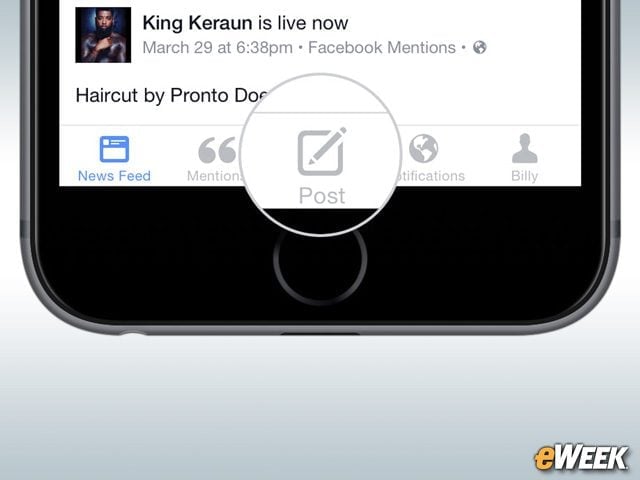
Facebook and Twitter are clear that they are using the streaming platforms as vehicles to keep users engaged in their services. Periscope is about keeping people using Twitter, as it has a bird icon that lets people immediately start broadcasting to Twitter users. Facebook Live is a Facebook-centric service that relies on the social network to gather viewers.
The Celebrity Component Is Important
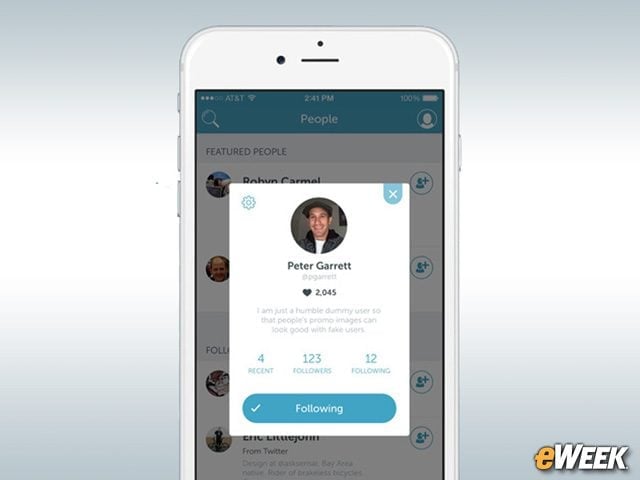
Before Facebook Live expanded to include all users, the service was designed as a way for celebrities to interact with their fans. Similarly, Twitter pitched the idea for Periscope to give celebrities a way to communicate in a new way with their followers. Celebrity participation in these platforms could be critical to their success. As history has shown with Instagram, Twitter and others, the social network that attracts celebrities will attract users. And getting more users is obviously what these companies are after.
What About the Business Model?
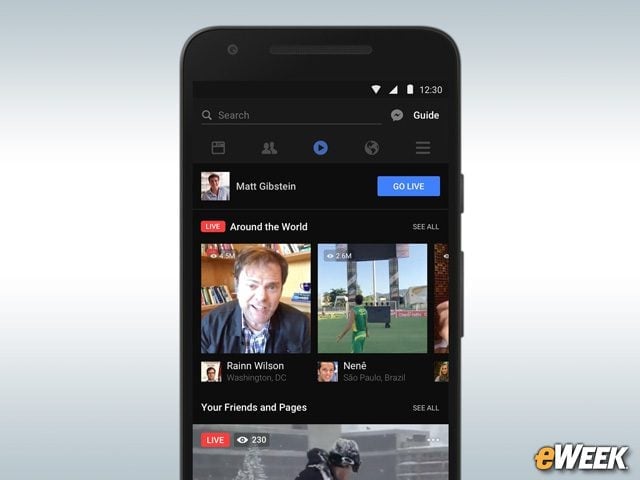
One of the big question marks right now is just how much money content creators could make through streaming video. While most people will broadcast to just a couple of friends, others will have massive followings that can be leveraged to generate some cash. While Facebook has a nascent business model in place, there is still no real money flowing through the services. Expect that to change as time goes on, more users come aboard and new Internet celebrities emerge. Once that happens, the companies will have no choice but to pay the popular users to continue creating content.