








- Technology Milestones in the 44-Year History of E-Marketing
- 1971: First Email Sent
- 1972: First ‘E-Commerce’ Message Sent on ARPANET
- 1979: CompuServe Is Offered to the Public
- 1980s: Database Marketing Emerges
- 1994: Tracking Cookies Come Into the Mix
- Mid-1990s: Customer Relationship Management Debuts
- Mid-1990s: Search Engine Optimization Is Born
- 2000s: The Rise of Social Networks
- 2007: iPhone Upends Mobile World
- 2010: iPad Takes a Bow
- 2015: Marketing Automation Gets Traction
Technology Milestones in the 44-Year History of E-Marketing
E-marketing’s stamp on the world began with the first email sent in 1971, continuing through the rise of social networks and up to marketing automation today.
1971: First Email Sent
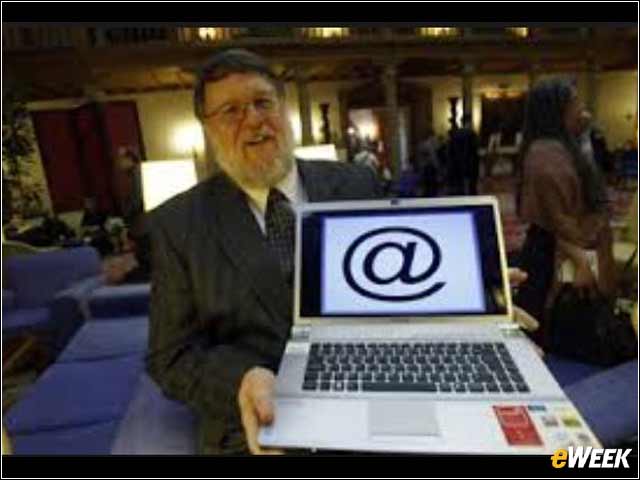
U.S. programmer Raymond Tomlinson sends “QWERTYUIOP” as the first network email, and he is the first to connect his computer to his mailbox by using an “@” symbol. Email remains a cornerstone marketing tool, although messaging is catching up very quickly. SOURCE: Computerhistory.org
1972: First ‘E-Commerce’ Message Sent on ARPANET
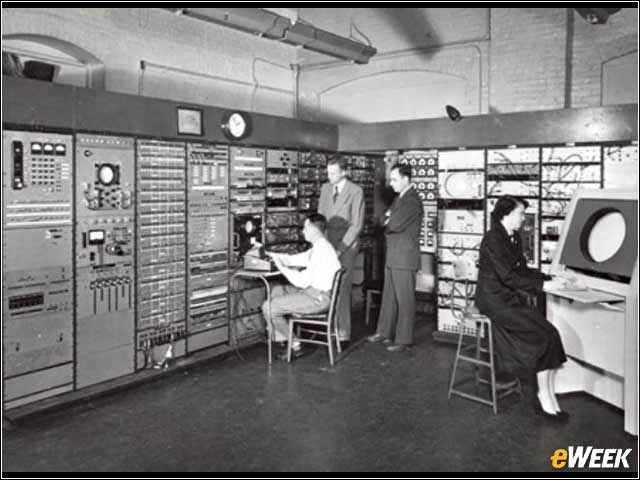
The ARPANET is used to arrange a sale between students at the Stanford University Artificial Intelligence Laboratory and the Massachusetts Institute of Technology, later described as “the seminal act of e-commerce” in the book “What the Dormouse Said,” by John Markoff of the New York Times. SOURCE: The New York Times
1979: CompuServe Is Offered to the Public
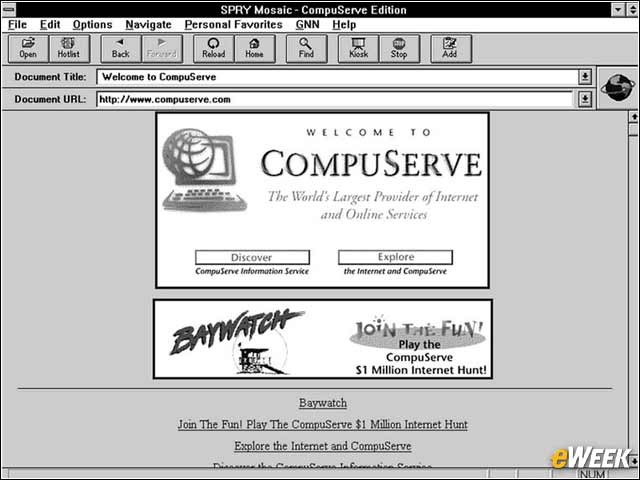
The Well, CompuServe, AOL and other services were, in effect, the first social media sites. They included chat services that have taken on their own forms today in text messaging, chat rooms, forums, blogs and interactive Websites. Social media marketing is now considered crucial to most marketing efforts. SOURCE: Poynter.org
1980s: Database Marketing Emerges
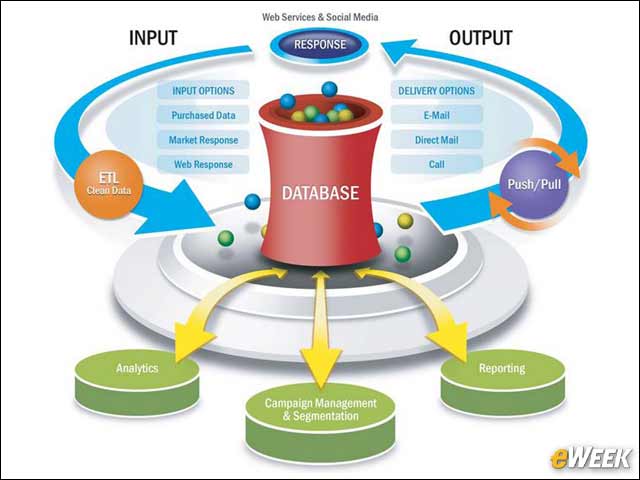
Once IBM came out with the PC, companies started saving their data and other files in desktop computers. Soon thereafter—realizing that storage was very limited—they moved to larger, faster central servers. Later, they realized that databases were central to corporate data organization. Once databases were in regular use, marketing and sales campaigns using all that saved customer information weren’t far behind. SOURCE: “A Brief History of Customer Relationship Management,” CRMSwitch
1994: Tracking Cookies Come Into the Mix
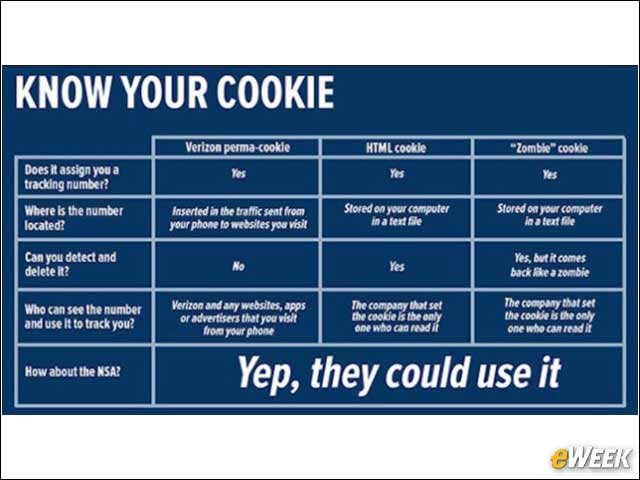
Netscape’s Lou Montulli has the idea of using tracking cookies in Web connections. He and John Giannandrea write the first Netscape cookie spec later that year. This moves the phenomenon of spam ahead. SOURCE: “The Unofficial Cookie FAQ,” Cookiecentral.com
Mid-1990s: Customer Relationship Management Debuts

CRM emerges as the umbrella term for a new breed of software supporting sales and service processes. Salesforce.com takes this concept to new heights late in the decade. SOURCE: Computerhistory.org
Mid-1990s: Search Engine Optimization Is Born
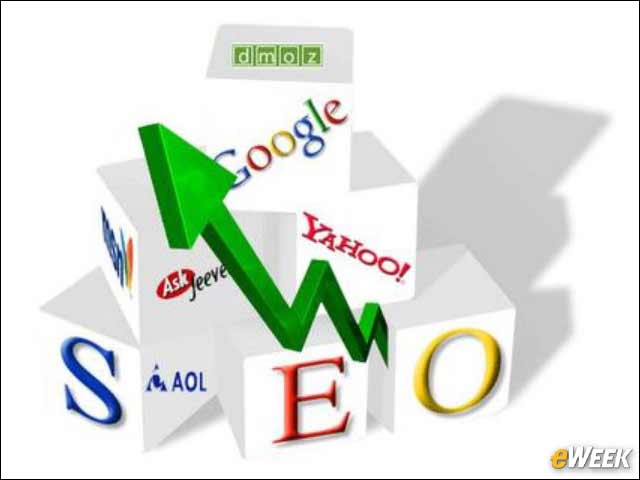
Webmasters and content providers begin optimizing sites for search engines. Yahoo, the largest mainstream search engine at the time, will be eclipsed by the much faster, more accurate Google Search by the end of the decade. Google remains No. 1 in search 15 years later. SOURCE: Computerhistory.org
2000s: The Rise of Social Networks
These started way before most people knew they existed. Thanks to the advent of broadband networking and devices that were faster and easier to use, mainstream users joined in droves in this decade. Some of the key early networks used chat rooms and included Usenet (1980s), TheWELL (late 1980s), Prodigy (1993), Geocities (1994), Theglobe.com (1995) and Tripod.com (1995). Later, the conversation moved directly to Websites, such as Friendster (2002), MySpace (2003), Facebook (2005), Twitter (2006), LinkedIn (2008) and others.
2007: iPhone Upends Mobile World
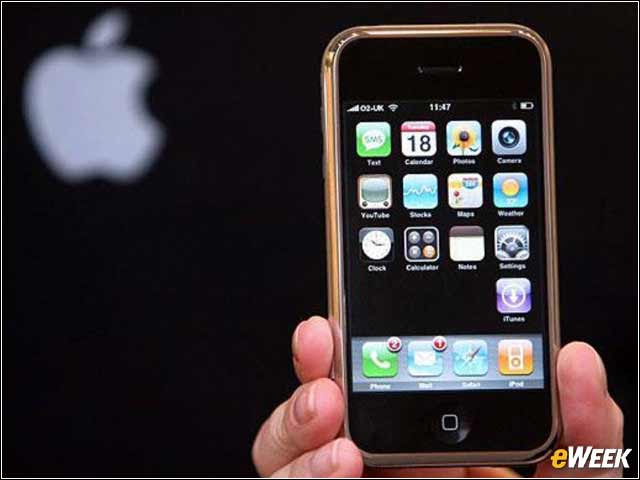
Steve Jobs introduces the iPhone at the MacWorld conference in San Francisco. Combining the features of a cell phone, pocket computer and multimedia player, it changes how people relate to pocket devices. Today, smartphones provide opportunities for innovative marketing. SOURCE: eWEEK Archives
2010: iPad Takes a Bow
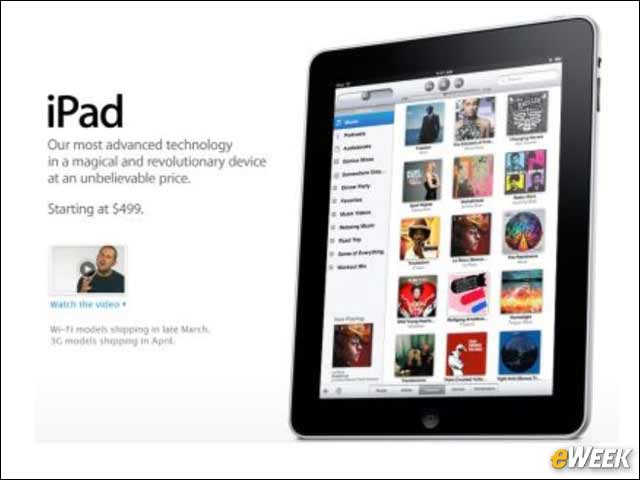
By early 2011, more than 80 new tablets had been introduced by other companies to compete with the iPad. Tablets have fundamentally changed the way consumers consume content and purchase, as well as how companies market to prospects (such as mobile-friendly ads and responsively designed emails). SOURCE: eWEEK Archives
2015: Marketing Automation Gets Traction
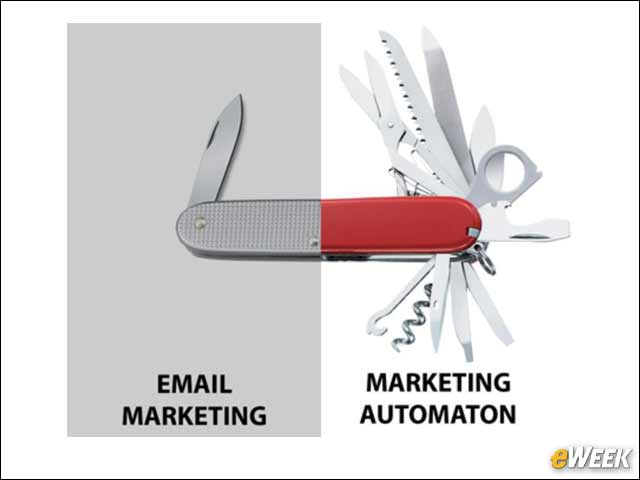
With more than 3 billion people now online regularly, marketing automation in most use cases can be the most effective method yet for managing and optimizing the entire customer life cycle. This is because MA measures key metrics and ties revenue back to specific marketing campaigns and channels.