






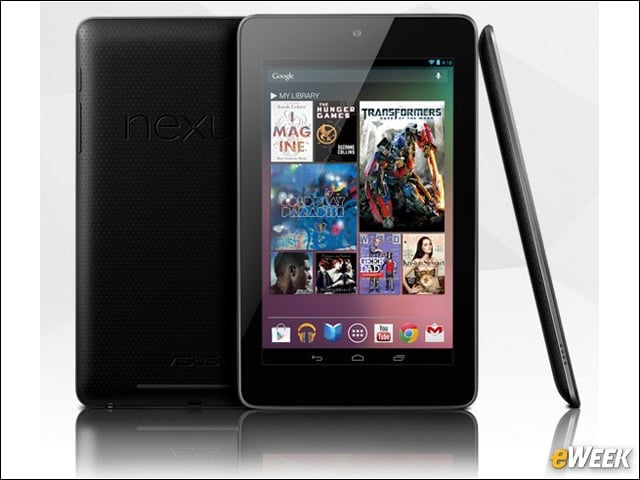

Big Displays—Not Small
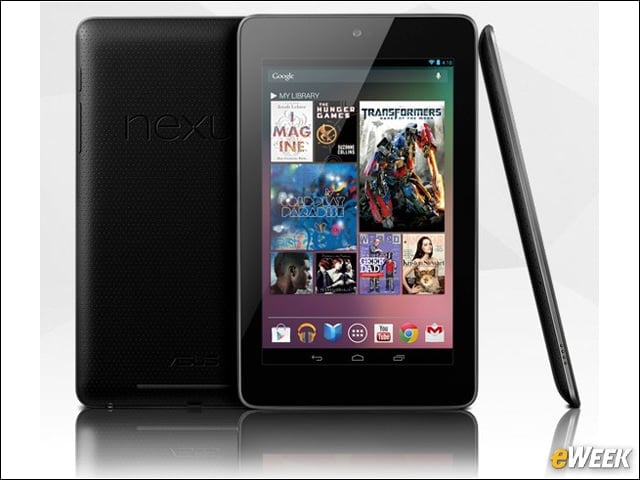
There’s a debate developing in the tablet space over the value of larger displays to smaller screens. Companies like Amazon and Google think smaller displays will be a ticket to profitability. Others, like Apple, aren’t so quick to agree. Once again, Apple is correct. The top sales leaders so far have all been tablets with large screens. There’s no indication that’ll change. When will the market realize that?
4G LTE
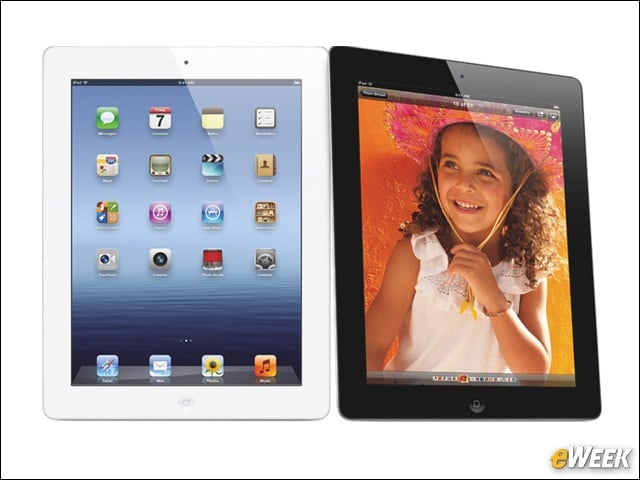
Tablets are supposed to be highly mobile to allow people to bring them wherever they go, whether to an important business meeting or to the beach. When they are on the road, tablet users expect they will be able to connect to the Internet, and they don’t want to be limited to WiFi access. For many, that means 4G Long-Term Evolution (LTE) access is ideal. Yes, 3G is a fine alternative, but when it’s all said and done, 4G LTE is what customers really want. After all, it’s the future.
Powerful Operating Systems
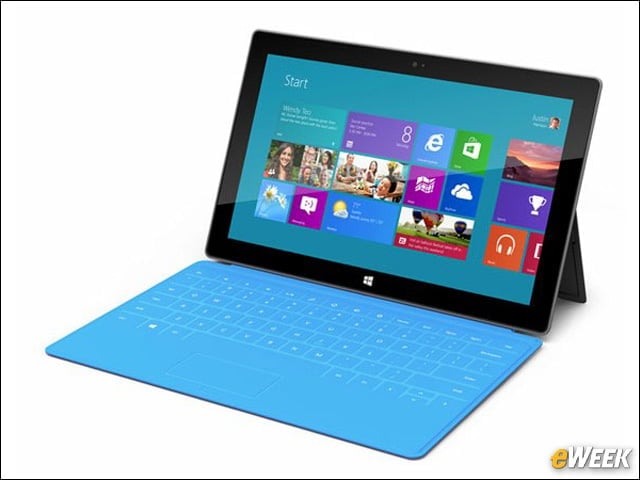
Microsoft did something very smart with its Surface tablet: It decided that it will run Windows 8 rather than Windows Phone. By doing so, it’s delivering a full-featured, powerful operating system on its tablet, a factor that could convince a lot of people to buy the Surface. That, in turn, could convince other tablet makers that they need to follow suit.
Near-Field Communication
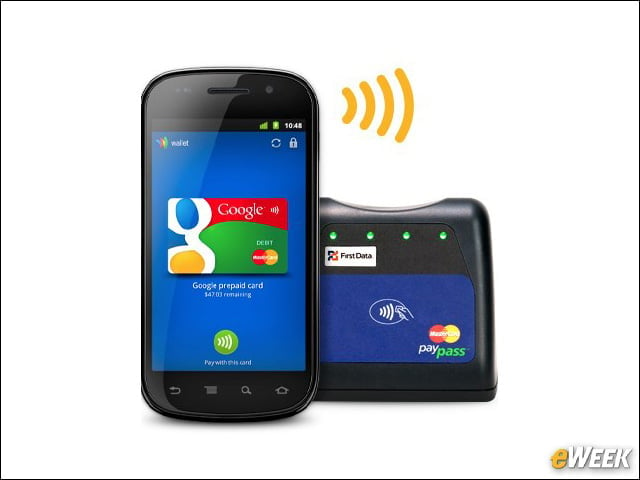
Near-field communication (NFC) technology is becoming an important feature in the smartphone market. But so far, it hasn’t been a winner in tablets. That will soon change after consumers start to warm to mobile payment applications. Furthermore, NFC adoption will increase as consumers realize that they can quickly transfer data and perform other wireless tasks with the technology.
Smartphone Adoption
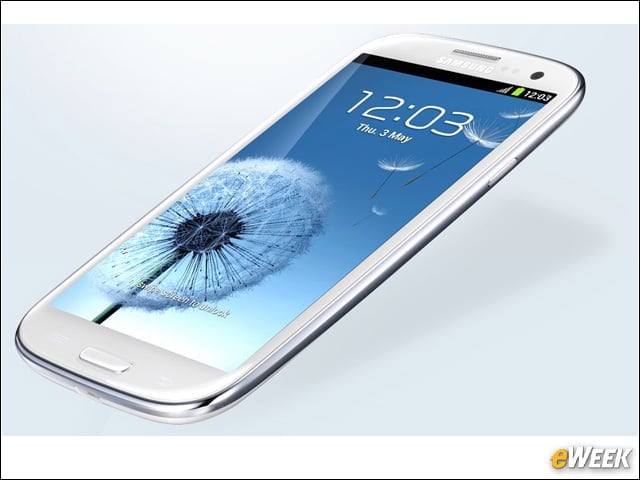
Smartphone use has always been a key indicator of success or failure for tablets. If folks are buying a company’s smartphones, chances are, they’ll buy its tablets. It’s why the iPad is successful and the BlackBerry PlayBook isn’t. It’s also why the Galaxy Tab 10.1 is so successful. It looks like the most successful tablet makers will also be the most successful smartphone makers.
Choice
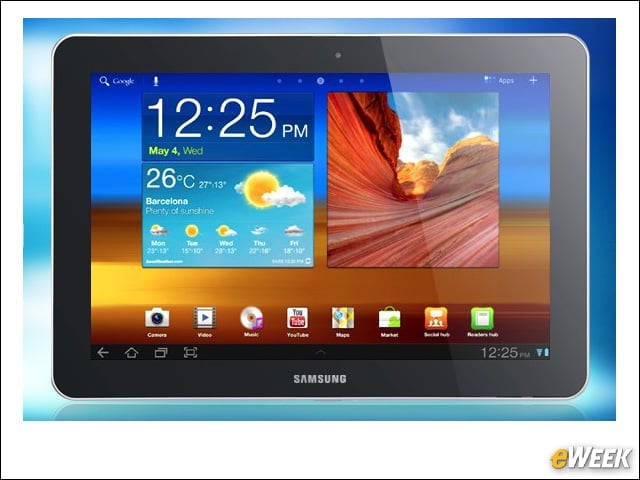
As Apple and Samsung have both proven, consumers want a wide choice of features and prices. They want to be able to choose a high-end model for a high-end price that has all the bells and whistles all the way to a lower-end model that does what they want at a much lower price. Companies that only deliver products in a narrow price range will have trouble.
Pricing, of Course
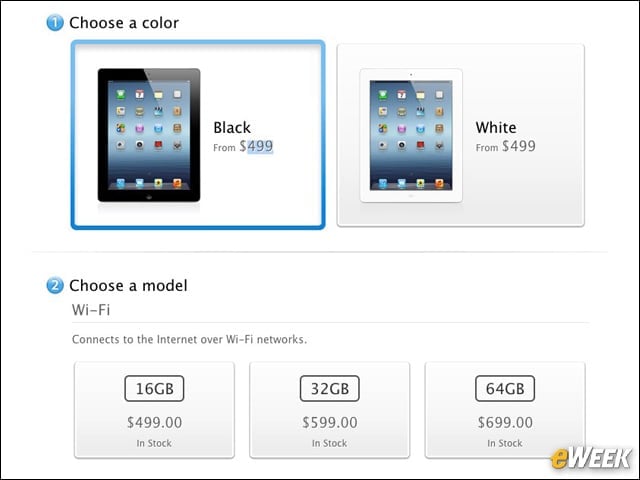
Pricing has quickly become the “X factor” for success or failure in the tablet market for any product that’s not named the iPad. That’s precisely why the Kindle Fire retails for $199 and the Nexus 7 comes in at $199 or $249, depending on the model. Any tablet maker that wants to compete with Apple will have a hard time succeeding, no matter what features they offer if they try to match Apple’s prices and margins.
The Right Company
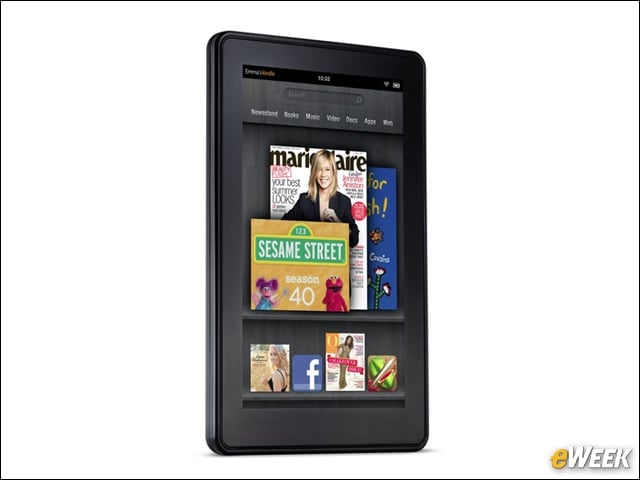
Unfortunately, success in the tablet market requires the right company to deliver a product. In other words, the “brand” needs to have a reputation for quality and reliability. All others will have an exceedingly difficult time selling their products. That’s why Apple, Samsung and Amazon are successful, and why Vizio and RIM have fallen short.
Design
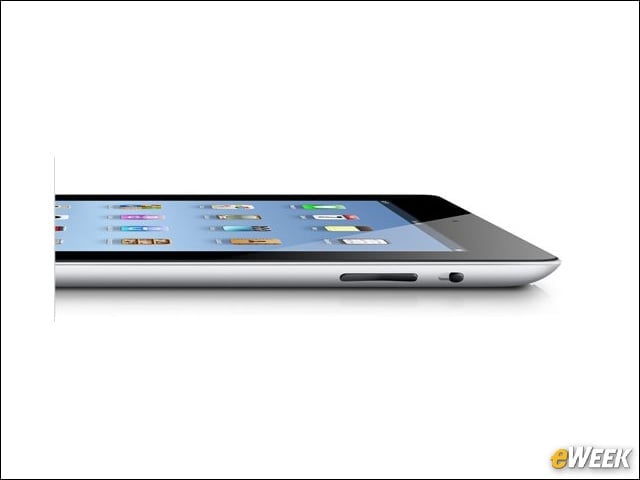
Design matters greatly in the marketplace. Buyers want a tablet that looks and runs great. A clumsy or awkward design will quickly be ignored. If the truth be told, users want a slick-looking tablet with all the latest features that they can show off to their friends. That’s one of the many reasons the iPad is so successful. It’s also a factor that all tablet makers have to keep in mind when they design their own models.
A High-Definition Display
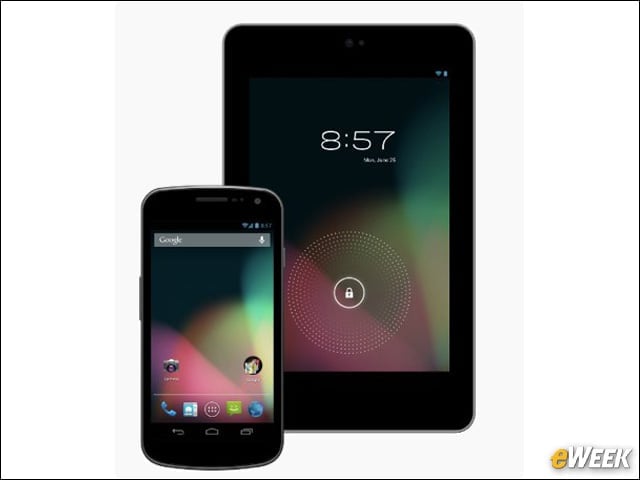
With the launch of Apple’s Retina display and the Nexus 7’s high-definition screen, it’s clear that in order for tablets to be successful, they’ll need a high quality screen. The issue for their competitors is that HD displays can be extremely expensive, which cuts into margins and drives up prices. But at the end of the day, HD displays are necessary for tablet makers who want to succeed in this market.