






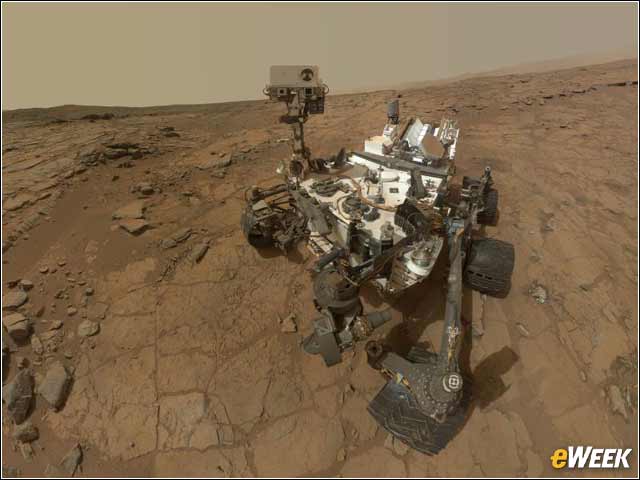

Curiosity Rover’s Self Portrait
This rectangular version of Curiosity combines dozens of exposures that the rover’s Mars Hand Lens Imager (MAHLI) has taken at the drilling site.
Preparatory Test
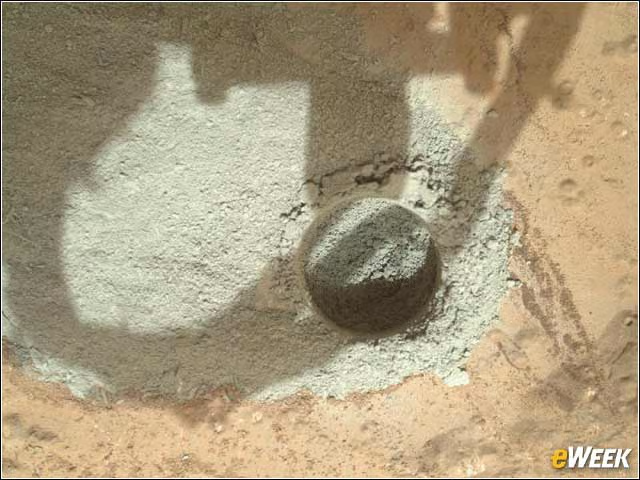
In an activity called the “mini drill test,” Curiosity used its drill to generate this ring of powdered rock for inspection in advance of the rover’s first full drilling.
Percussion Drill
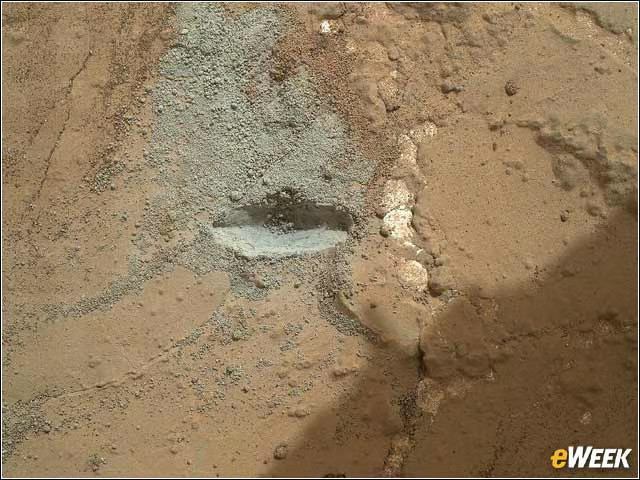
The bit in the rotary-percussion drill of Curiosity left its mark in a target patch of rock called “John Klein” during a test.
Site Selected
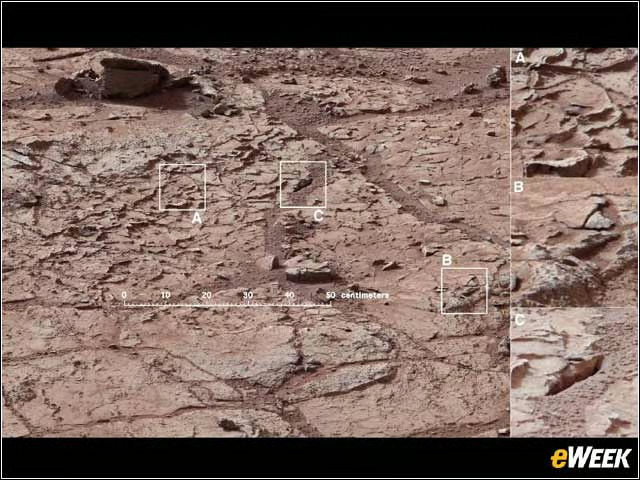
This view shows the patch of veined, flat-lying rock selected as the first drilling site for Curiosity. The area is shot full of fractures and veins, with the intervening rock also containing concretions.
Mini Drill
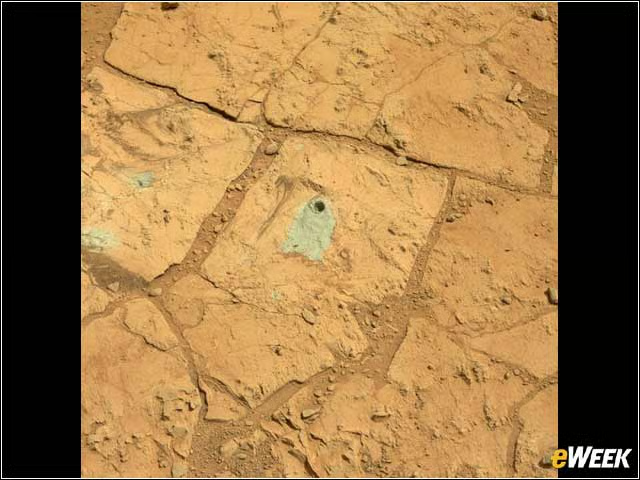
This image shows the resulting hole and surrounding pile of drill cuttings after Curiosity performed a “mini drill” test on a Martian rock. The location is on a patch of flat rock called “John Klein.”
Drill Baby Drill
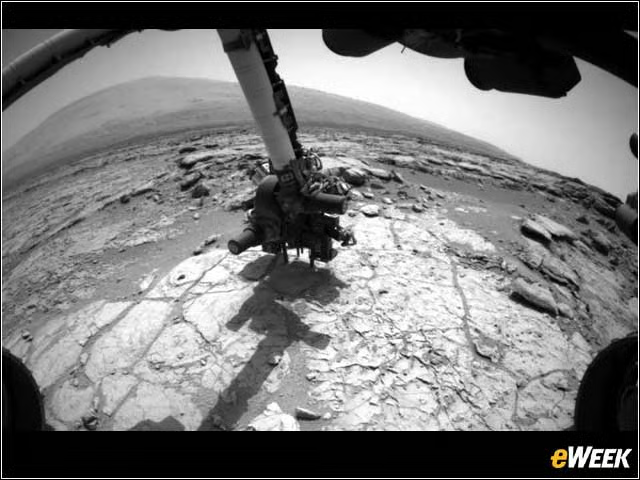
This image shows the rover’s drill in action Feb. 8, the first use of the drill for rock sample collection, taken in the Yellowknife Bay region of Gale Crater on Mars.
Yellowknife Bay
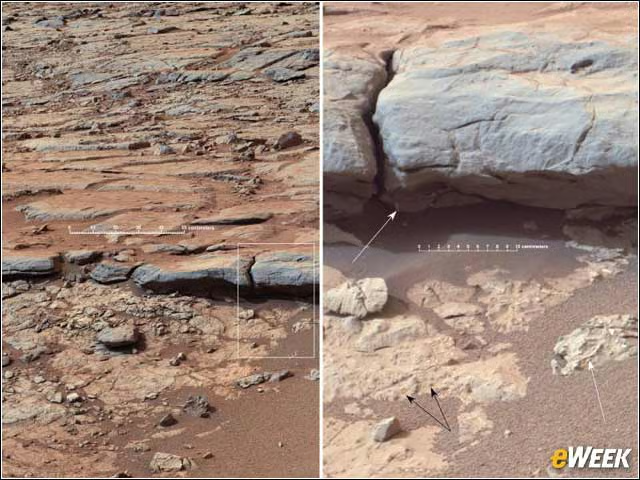
Inside Gale Crater is Yellowknife Bay. The white arrows point to veins, and black arrows point to small spherical concentrations of minerals, known as concretions.
Dust Duty
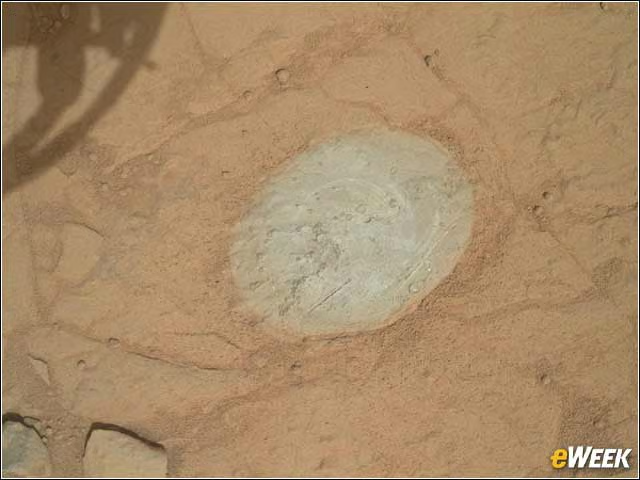
This photo, taken by the MAHLI, shows a section of rock after it was cleaned by Curiosity’s Dust Removal Tool (DRT). The camera took this image from a distance of about 10 inches after the brushing was completed on the rock target, called “Ekwir_1.”
Looking Closer
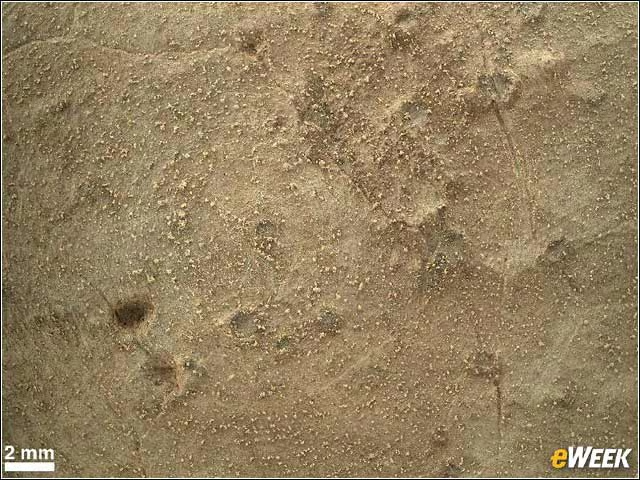
This image shows details of rock texture and color in an area where the rover’s DRT brushed away dust covering rock target Ekwir_1. Fractures, white veins, pits and tiny dark grains in the rock are visible, as well as remaining clumps and specks of dust.
Snake River
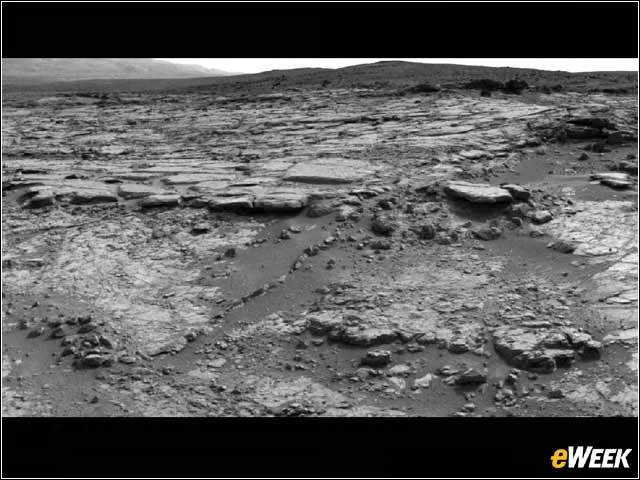
The sinuous rock feature in the lower center of this mosaic of images recorded by Curiosity is called “Snake River.” The rover drove about 10 feet to get a closer look at Snake River before proceeding to other nearby rocks.