







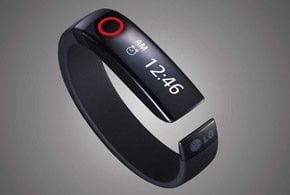
People of all ages, weight and gender are embracing wearable fitness devices offering real-time data to track their physical activity, according to a three-year analysis from The Vitality Group, part of an incentive-based wellness program.
Over the three years of the study, smartphone and pedometer use skyrocketed, while heart rate monitors and gym membership declined.
Within the Vitality wellness program, a high proportion of those who use devices are overweight or obese—67 percent of people who use a pedometer or activity tracker are overweight, 62 percent of those who use a heart rate monitor and 63 percent a smartphone.
Members not previously engaged in fitness activities reduced their health risk factors by 13 percent, and members already active in fitness saw the greatest improvement, reducing their factors by 22 percent, according to the study.
Pedometers and activity trackers are more popular with the older demographic (more than 30 percent are 35-44) and smartphones show an expectedly younger audience (almost 65 percent are ages 18-34).
A slightly larger percentage of women use pedometer or activity trackers (56 percent) and smartphone devices (51 percent), whereas heart rate monitors are more popular with men (52 percent).
“Wearable technologies ultimately only work if they’re used, and we wanted to determine if the hype is justified,” Alan Pollard, CEO of The Vitality Group, said in a statement. “Our data shows that when incorporated as part of a broader structured program, there was a measurable change in behavior. Those using devices when paired with incentives were more likely to reduce the prevalence of key risks such as BMI and cholesterol levels.”
More than 40 million personal health and wellness products are expected to have sold in 2013, a figure that will rise to more than 70 million by 2018, according to a January report from the Consumer Electronics Association (CEA).
The CEA report defines the connected health and wellness market, lays out key market growth drivers and challenges, and highlights technology trends and regulatory issues. The analysis forecasts that the evolution of U.S. health care will result in a more than 142 percent increase over the next five years in personal health and wellness product sales and software and service revenues.
Product sales and software and service revenues will see the largest growth, generating more than $3.3 billion in revenue in 2013 and more than $8 billion by 2018, the report said.