








- Why Microsoft Is Doubling Down on the Hardware Business
- The PC Market Is Shrinking
- Microsoft Is Watching Apple Succeed in Hardware
- Google Is a Threat in Hardware, Software
- Microsoft Hardware Shores Up Windows 10 Adoption
- It Builds Up Cloud Services
- Microsoft Has Lost Trust of Vendors
- Hybrid PCs Are Taking Off
- The Enterprise Wants Wearable Hardware
- Microsoft’s Mobile Platform Needs More Devices
- Satya Nadella Is at the Helm
Why Microsoft Is Doubling Down on the Hardware Business
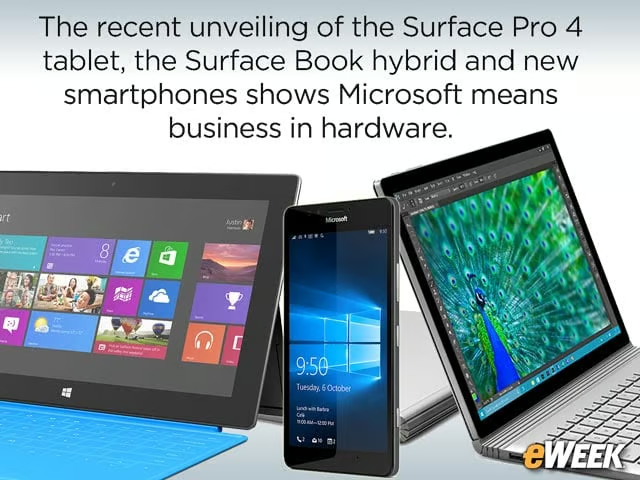
The recent unveiling of the Surface Pro 4 tablet, the Surface Book hybrid and new smartphones shows Microsoft means business in hardware.
The PC Market Is Shrinking
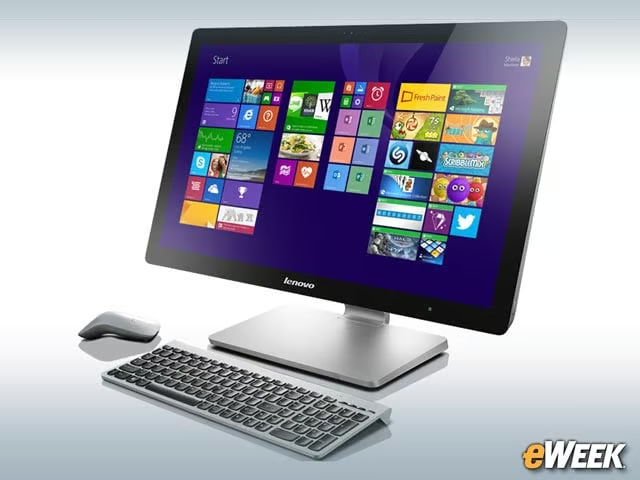
The PC market is in some trouble. According to research firm IDC, the worldwide PC market is expected to see shipments fall 8.7 percent year-over-year in 2015, with no sign of relief in sight. Microsoft is clearly seeing that, and realizing that PC vendors are losing their luster with consumers and enterprise users. By delivering new hardware, Microsoft is hoping to jump-start what is a troubled market.
Microsoft Is Watching Apple Succeed in Hardware
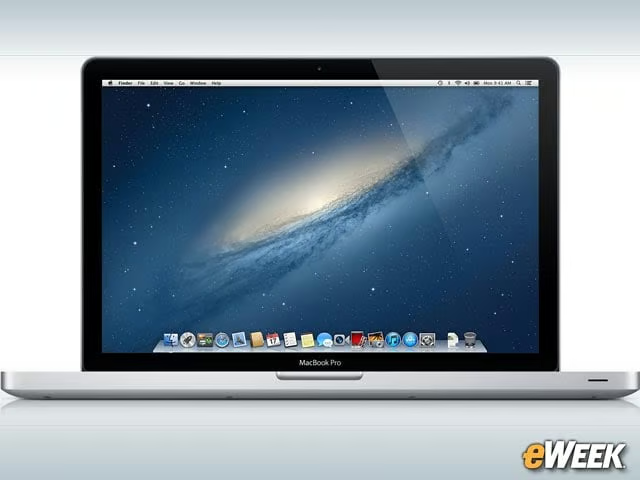
Although Microsoft has taken a softer stance in its ongoing competition with Apple, the company can’t be happy that the Mac maker is generating billions of dollars each quarter on sales of its computers. Microsoft would undoubtedly like to generate serious cash on its own, and one of the best ways to do that is to deliver high-quality hardware that drives adoption of its software and services.
Google Is a Threat in Hardware, Software
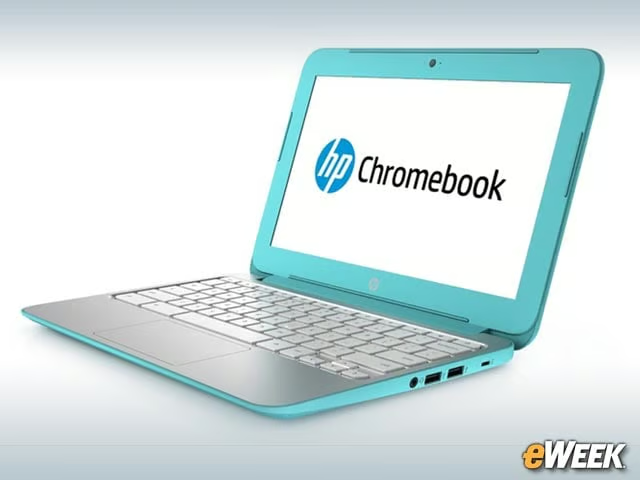
Google is a real threat in the computer marketplace. The company’s Chrome OS has proved popular in the education sector, and there’s a possibility that Chromebooks will gain some ground in the enterprise, according to market researchers. Unable to trust that PC vendors will pick up the slack, Microsoft seems poised to respond by delivering its own hardware and giving customers a credible alternative to the increasingly popular Chromebooks.
Microsoft Hardware Shores Up Windows 10 Adoption
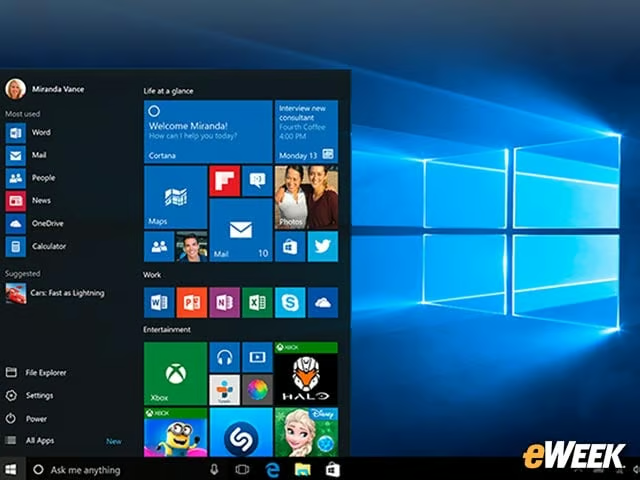
One of the benefits of selling compelling hardware is that more people are using Windows 10. Microsoft may be most concerned about the cloud and mobile, but Windows is still the gateway to Microsoft’s core services. Selling hardware means increasing Windows 10 adoption, which is critical to Microsoft’s future plans.
It Builds Up Cloud Services
Microsoft has shown a clear correlation between the number of people who buy its hardware and couple that with adoption of its cloud services. It’s perhaps no surprise, then, that Microsoft wants to increase the number of hardware products it sells so it can boost cloud services adoption. After all, if Microsoft hardware buyers are using its cloud services a large percentage of the time, why not build more devices?
Microsoft Has Lost Trust of Vendors
Let’s face it. Microsoft and PC makers are no longer the best of friends. Sure, Microsoft still relies on Dell and HP to drive Windows 10 adoption, but PC vendors are also exploring other operating systems, like Chrome OS and even Linux. Microsoft and PC makers are having a tough time competing with Apple. If Microsoft could trust the strategy and the loyalty of its PC vendors, perhaps it would back off hardware. But because it cannot, Microsoft is taking matters into its own hands.
Hybrid PCs Are Taking Off
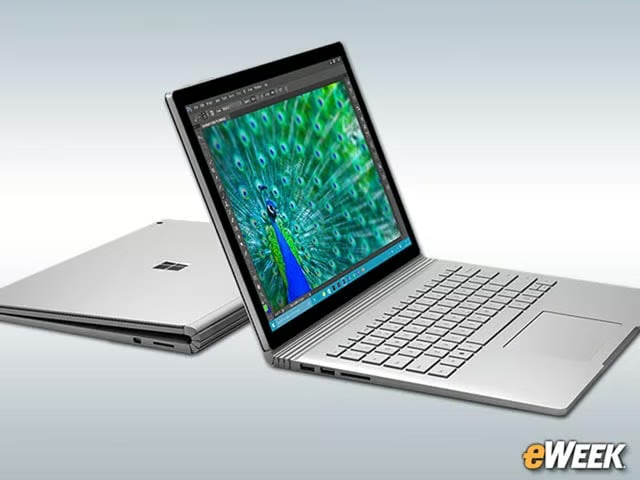
Microsoft’s announcement of the Surface Book is the culmination of the company’s realization that hybrids appeal to consumers and enterprise customers and represent a market opportunity. In fact, some researchers suggest that 2-in-1 hybrid shipments this year will explode and help buoy an otherwise troubled tablet market. Microsoft sees that and is looking to capitalize.
The Enterprise Wants Wearable Hardware
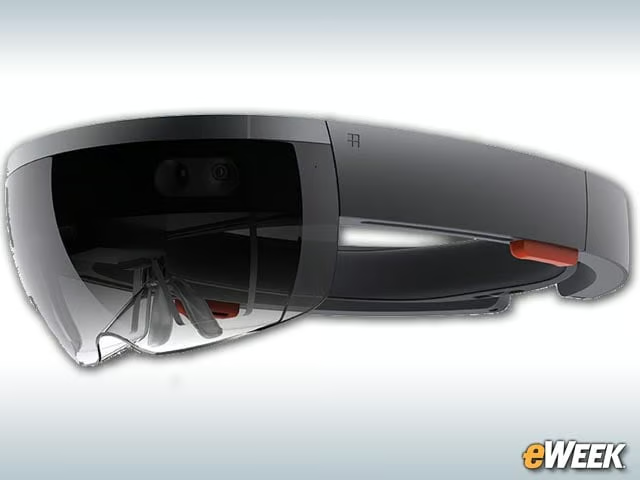
Microsoft’s plan to price HoloLens at $3,000 when it’s available in development kit form early next year is telling. Microsoft has no intention in the near term of making the wearable a consumer-focused product, but rather an enterprise-focused device. The idea is a sound one. According to nearly all market research, wearables are going to take off in the enterprise in the coming years. Providing a holographic device that will allow enterprise developers to create applications and enhance functionality in the workplace is a smart idea, and one that could pay dividends well into the future.
Microsoft’s Mobile Platform Needs More Devices
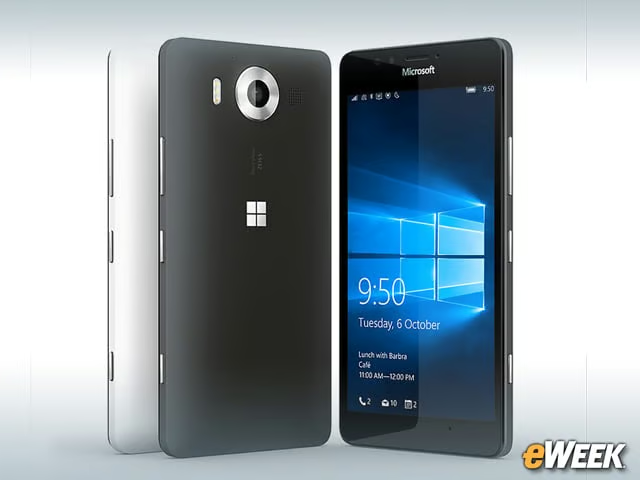
Microsoft is struggling in the mobile market. The company’s Windows operating system is far behind Android and iOS, and there are no signs of third-party vendors having an interest in delivering new Windows mobile products. By building its own smartphones, like the Lumia 950 line, Microsoft can address that and hopefully build more interest in its operating system. More interest in the operating system will result in more market share, which will then lead to more vendors. The Lumia line is critical to Microsoft’s future mobile ambitions.
Satya Nadella Is at the Helm
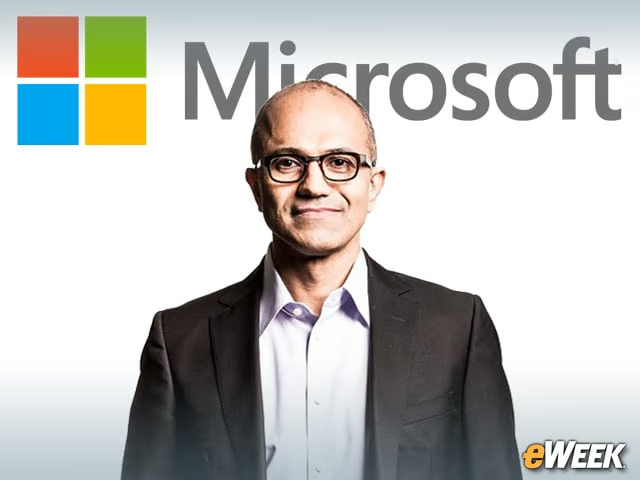
Why is hardware suddenly so important to Microsoft? Blame it on Satya Nadella. Under the former executive team led by Steve Ballmer, Microsoft was a software company with ambitions of returning to past glory. Under Nadella, Microsoft has recognized it can’t rely on software alone to drive future growth. So it is investing heavily in cloud computing, mobile technology and hardware. Nadella has a vision for where Microsoft is headed, and it’s focused in part on hardware.