









- Why Samsung Is Facing So Many Mobile Market Challenges
- Emerging Markets Are Hurting the Bottom Line
- The EU Is Surprisingly Soft
- Consumers Are Considering Other Brands More Often
- The Competition Keeps Getting Tougher
- Android’s Ubiquity Is Becoming a Liability for Samsung
- Seasonality Is Still a Killer
- It’s Harder to Compete on Price
- Its Marketing Costs Continue to Rise
- Samsung Is Partly Blaming Troubles on 3G
- Don’t Forget About the Weak Tablet Market
Why Samsung Is Facing So Many Mobile Market Challenges
By Don Reisinger
Emerging Markets Are Hurting the Bottom Line

Samsung has acknowledged that emerging markets are proving troublesome for the company. Several local companies in major, important countries, including Xiaomi in China and Micromax Mobile in India, have overcome Samsung to become the top handset vendors. Samsung has reported that it’s also faced stiff competition elsewhere around the world. Emerging markets, which were once Samsung’s bread and butter, are now a liability.
The EU Is Surprisingly Soft
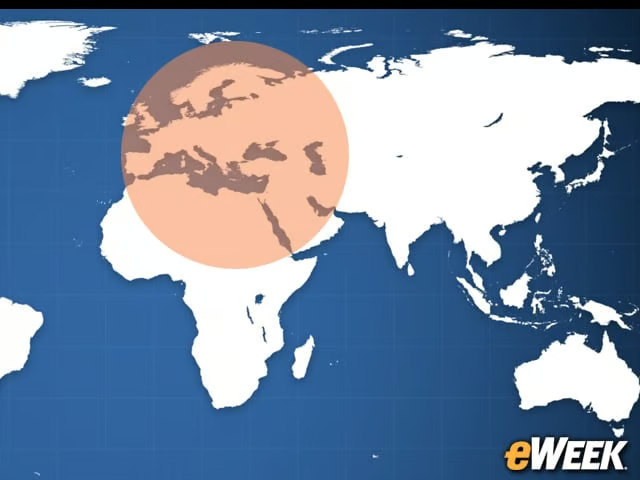
Samsung reported in its last quarterly earnings that the European Union was soft for the company’s mobile division. Samsung didn’t get into its exact performance in the European Union, but said that sales are down and it needs to dedicate more resources to rebound in that important area.
Consumers Are Considering Other Brands More Often

Speaking to the Associated Press in an interview published recently, IDC senior research manager Melissa Chau said that people in emerging markets “are not buying their first smartphones anymore,” making them “more familiar with different kinds of brands.” Chau said that while Samsung was able to win on its name recognition in the past, now consumers are looking to expand their horizons and see what else is out there. And that’s hurting Samsung.
The Competition Keeps Getting Tougher

The competition is getting stiffer and stiffer for Samsung. While the big companies, such as Apple, LG, HTC and Microsoft-Nokia, are all trying hard to attract the same customers, so too are the smaller firms in countries around the world. Lenovo, for instance, has little significance in the U.S. or EU, but it is a major presence in China and is directly targeting Samsung customers. Until Samsung can overcome the sheer number of rivals, the company will have trouble keeping pace.
Android’s Ubiquity Is Becoming a Liability for Samsung
Android might very well be a liability for Samsung. IDC’s Melissa Chau told the Associated Press that customers who want to stick with Android are no longer staying with just “one brand.” Instead, they’ve discovered that Android is a ubiquitous platform that provides a similar experience across devices. In other words, Samsung devices are part of the commoditization of mobile devices, and only hardware is separating companies. If Samsung doesn’t deliver the most compelling hardware, customers will go elsewhere.
Seasonality Is Still a Killer

Seasonality is an important consideration when one examines why Samsung had such a difficult last quarter. The company itself reported that the second quarter is its most difficult and customers tend to have less demand for its products during that period. So it’s perhaps no surprise that Samsung is limping into the third quarter and hoping that things will change.
It’s Harder to Compete on Price

Margins are getting harder to maintain in the mobile space. While Samsung has been doing a good job of bundling its own components into its products to boost its revenue, companies like Xiaomi are delivering high-end devices at significantly lower prices. The company’s Mi 4, a flagship handset targeting a device like the Samsung Galaxy S5, for example, costs just over $300. Samsung can’t come close to that price on some of its top-of-the-line devices, which is making it even more difficult to appeal to consumers.
Its Marketing Costs Continue to Rise

Samsung’s marketing costs are on the rise, the company is reporting. Samsung says that its marketing spending went up in the last quarter and, due to issues with demand, it expects the marketing costs to stay elevated for the remainder of the year. That’s bad news for the company’s bottom line, but an important component if it wants to keep shipments afloat.
Samsung Is Partly Blaming Troubles on 3G
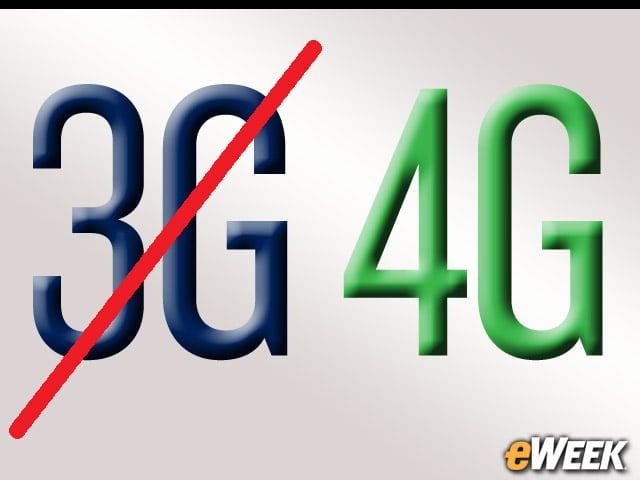
Samsung said in its report to investors that it has experienced some deflating demand for 3G-based products around the world. That’s especially true in China, where 4G LTE is becoming more the norm and an increasing number of customers want devices that use that technology. While Samsung has its fair share of 4G LTE products, its lower-end phone business has been built on 3G, and now the company needs to adapt.
Don’t Forget About the Weak Tablet Market
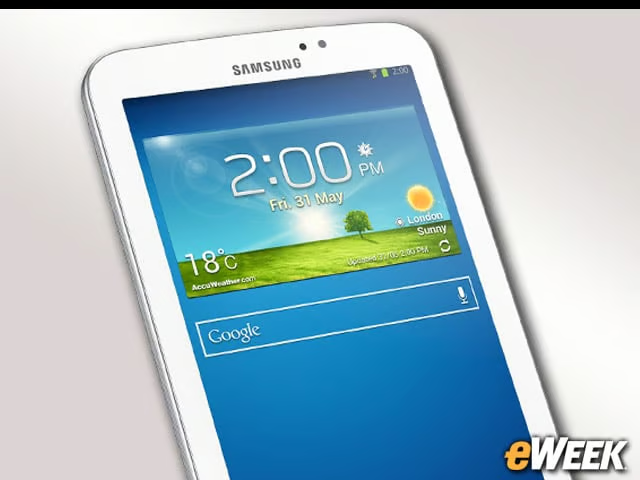
The tablet market is weak worldwide. Every major retailer has seen a decline in demand for tablets, and researchers have said that customers who prefer to only buy one tablet and keep them for years are hurting the form factor’s shipments. Samsung’s mobile division needs tablets to perform better on store shelves.