








- HP, Intel Team Up with DreamWorks to Create How to Train Your Dragon
- Welcome to Hollywood
- Multi-core machines leading ‘new wave’ in video-making
- More cache, less power from the wall
- Dragons and Scottish-sounding Norsemen are the stars
- Dragons with lots of personality
- Flame mouth
- Great balls of fire
- Character studies
- Coming to life on workstations screens
- Stoic, the dragon slayer
- Gobber, the scarred dragon fighter
- Up next: 3D modeling for the screen
- Rigging: Where polygons move in CG ‘reality’
- Fur, hair, clothing
- Final details
- Ready to see the finished work
HP, Intel Team Up with DreamWorks to Create How to Train Your Dragon
by Chris Preimesberger
Welcome to Hollywood
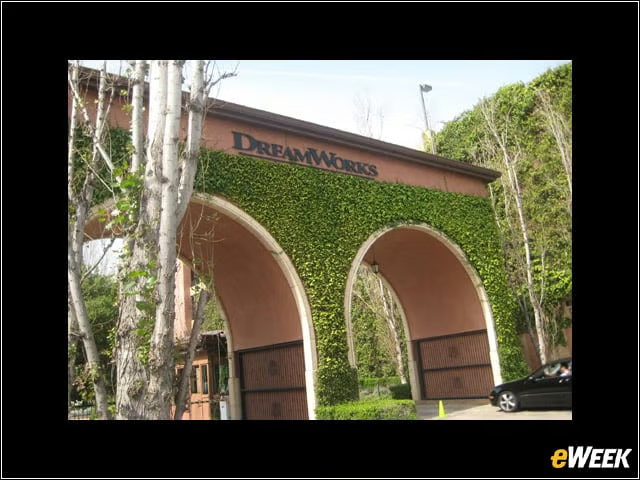
DreamWorks SKG, founded in 1994 by Steven Spielberg, Jeffrey Katzenberg and David Geffen, was spun off into a public company in 2004 called DreamWorks Animation SKG. Its Glendale campus, located just north of the Los Angeles Zoo and Griffith Park and over the Hollywood Hills from Hollywood itself, is a lovely oasis in an industrial neighborhood.
Multi-core machines leading ‘new wave’ in video-making
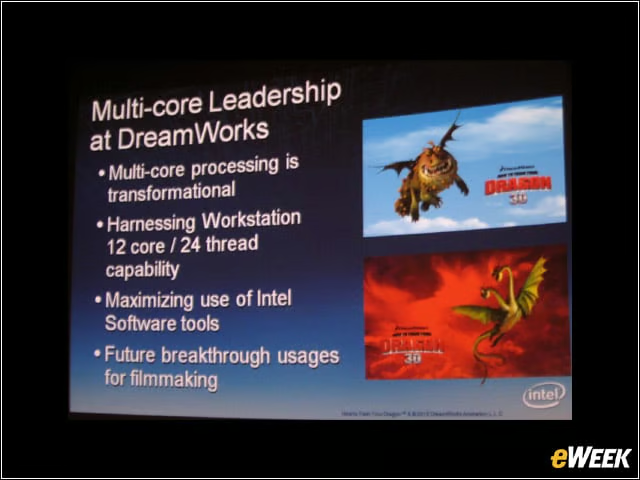
DreamWorks is the first movie studio to use multicore-powered workstations. Most of the company’s CG stations have 12-core machines capable of 24-thread computing. Where it once took 8 hours to render a single frame of a movie like “Dragon,” it now takes merely several minutes. That’s huge in terms of time and cost-savings.
More cache, less power from the wall
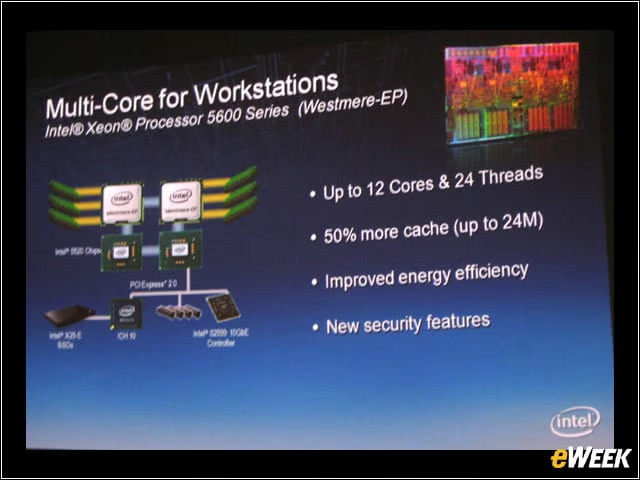
The HP Z-series workstations offer about 50 percent more cache than previous versions (up to 24MB), which helps speed along processing in a big way. The Intel Xeon 5600 Westmere processors inside the workstations also run cooler, require less power and cooling energy, and have improved security features.
Dragons and Scottish-sounding Norsemen are the stars
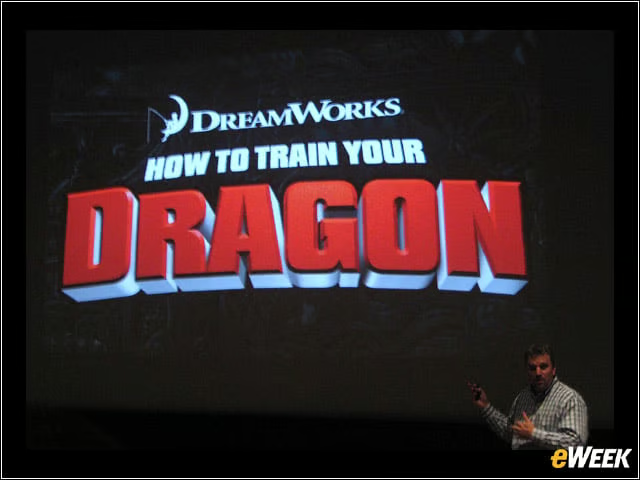
DreamWorks CTO Ed Leonard introduces his studio’s latest movie, “How to Train Your Dragon.”
Dragons with lots of personality
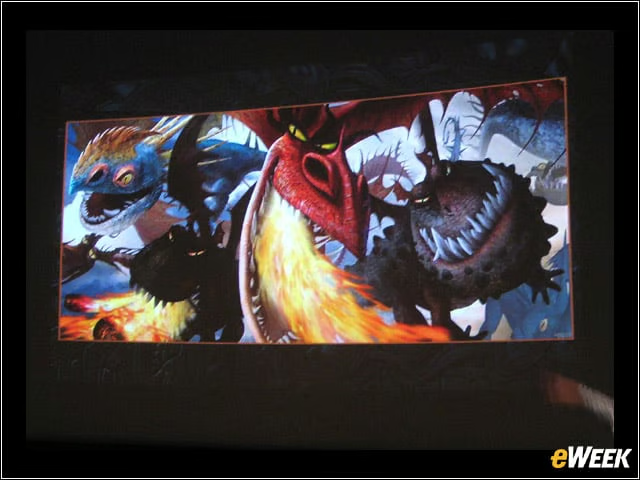
Where the magic and technology meet is where the personalities of the characters are born. In the movie, there are hundreds of dragons—each with distinct personality traits rendered effectively on film by DreamWorks artists.
Flame mouth
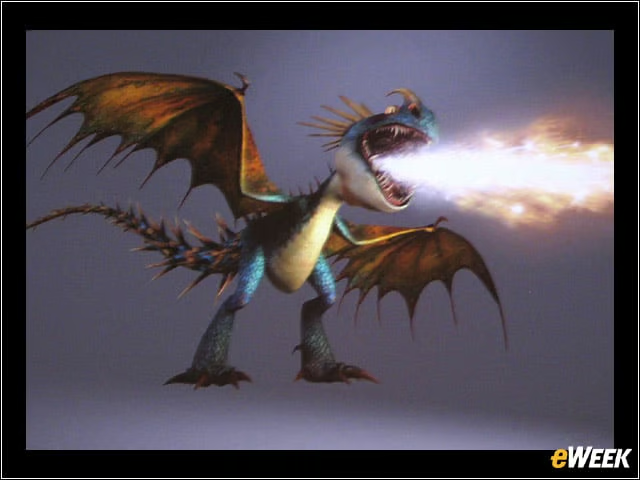
For example, each fire-breathing dragon (not all of them breathe fire, however) has a different kind of fire depicted. This one is a straight-ahead fire spouter.
Great balls of fire
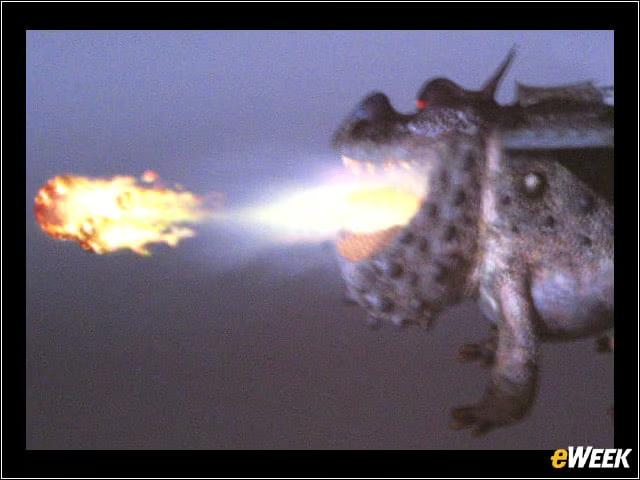
This dragon tends to prefer the fireball approach.
Character studies
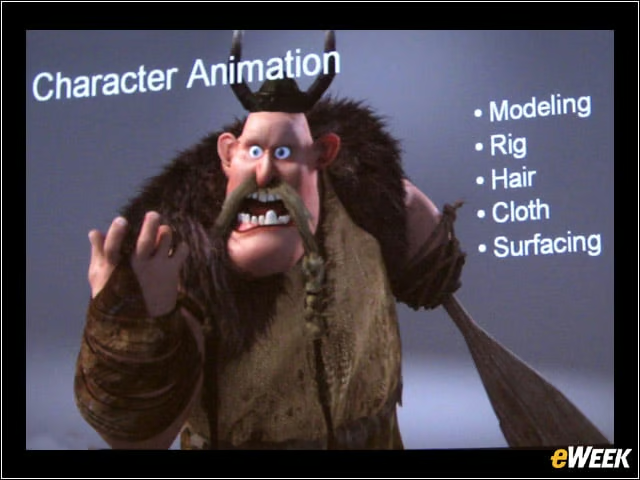
When CG artists put together all the attributes that comprise a character, several iterations must be made up, starting with modeling, and moving to rigging, hair and fur, clothing and surfacing. This is all very detailed—and often tedious—CG work. It takes a certain type of personality to excel at this and DreamWorks has found hundreds of folks who fit this bill. The next few slides feature close-ups of each of these categories.
Coming to life on workstations screens
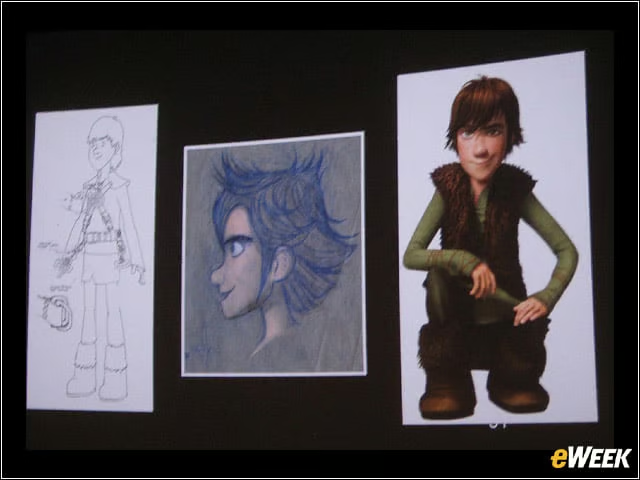
Artists take 12 to 18 months to do the original drawings for character, such as Hiccup, the central character in “Dragon.” Hiccup is a skinny teen who wants to be a dragon-slayer like his father but finds it difficult to be violent.
Stoic, the dragon slayer
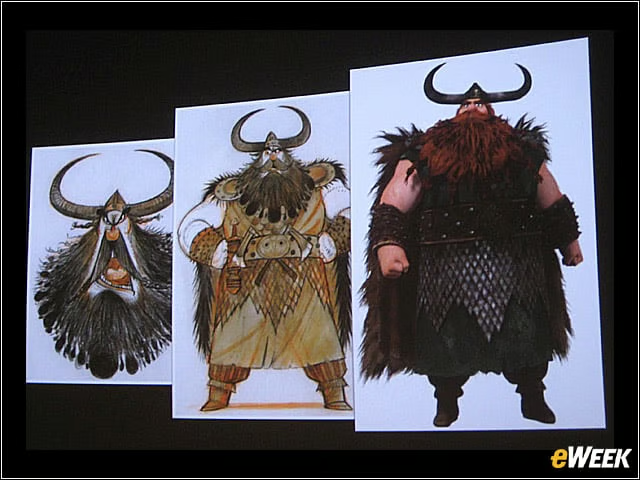
Hiccup’s father, Stoic, is leader of a village inhabited by Norse people and he protects the villagers from attacking dragons. His character went through a number of versions over 18 months before the final one was selected (far right).
Gobber, the scarred dragon fighter
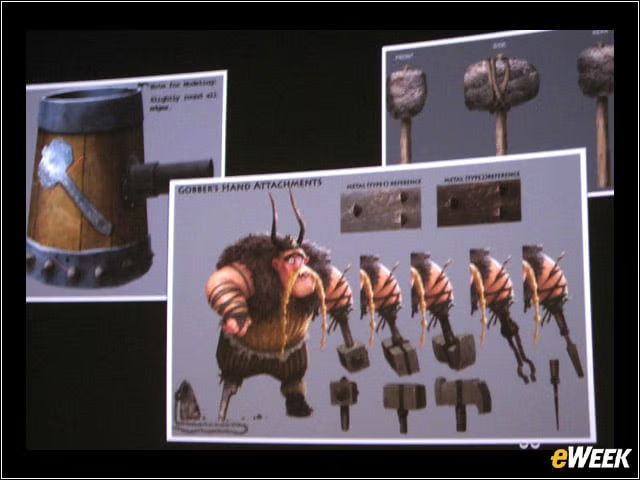
This guy has lost a couple of limbs fighting fire-snorting dragons, so he has made some of his own prosthetic attachments to substitute for an arm and a leg. One of them is a beer stein holder (upper left).
Up next: 3D modeling for the screen
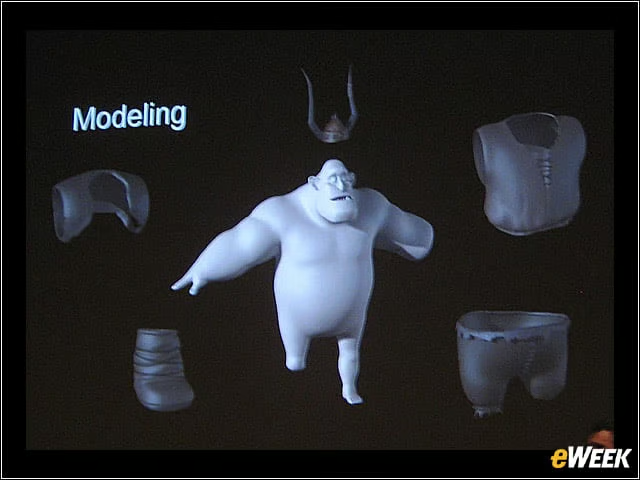
When the drawings are completed, CG modeling is next. DreamWorks uses Adobe Creative Studio for everything that goes on screen, from here on out.
Rigging: Where polygons move in CG ‘reality’
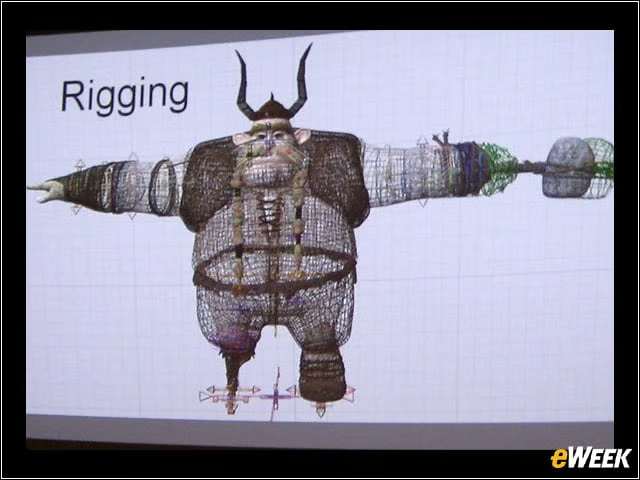
Here is where mathematics, science, high-performance computing, artistry and professionalism of the artist all come together. Every square inch of a moving character is plotted out as to how it moves, how it interacts with other characters, how it is affected by wind and water, how hair moves and falls. There are hundreds of factors and variables involved here. And they all have to be orchestrated perfectly to show the audience “reality.”
Fur, hair, clothing
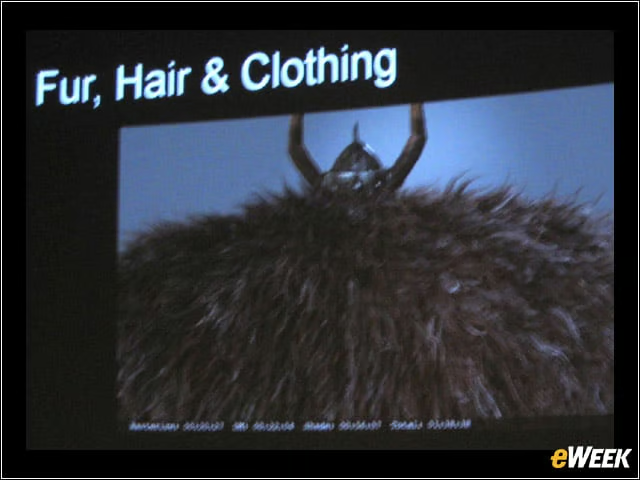
DreamWorks has a separate CG unit that concentrates only on this aspect of the movie, because there is so much of it to be created and rendered.
Final details
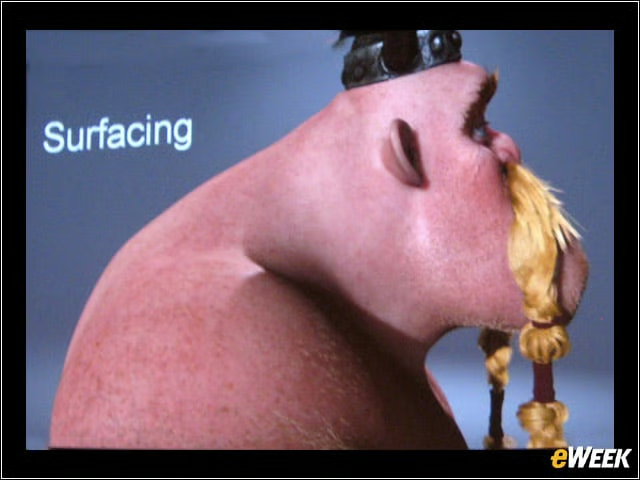
Surfacing is extremely important, especially in 3D presentations. Lighting, shadows, perspective and other visual factors come into play here. No detail is left untouched.
Ready to see the finished work
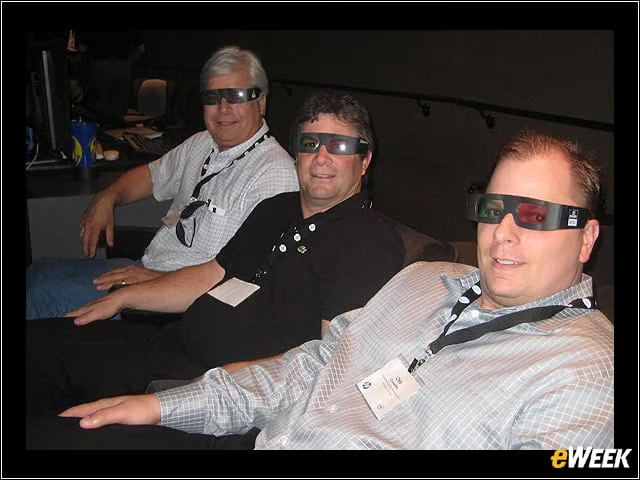
Here eWEEK Senior Writer Chris Preimesberger, left, and HP staff members Rob Dieterle, center, and Chris Convertito don their 3D glasses and settle down to preview “How to Train Your Dragon” at the DreamWorks studio.