







Alibaba’s newest AI model costs less per token, but upgrading does not mean getting better results on every task.
Announced by Alibaba on Nov. 16, Qwen4-Max is the company’s latest flagship AI model, with lower API prices and reported improvements in reasoning and coding. Developers and businesses can use it for complex assignments involving professional software.
Alibaba says its enhancements make work faster and less expensive. Independent evaluations also offer a way to examine how the new system performs against earlier versions and competing AI models.
Taking on work across industries
Qwen4-Max can process text, images, and video, with a one-million-token context window that lets it handle lengthy documents and large amounts of information. According to QwenCloud documentation, the Qwen Live Delivery plugin lets AI agents produce a usable first version, then update it as users review progress and request changes.
According to Alibaba, the model can operate professional software and carry out assignments with multiple steps. Company demonstrations showed several examples of work across different industries.
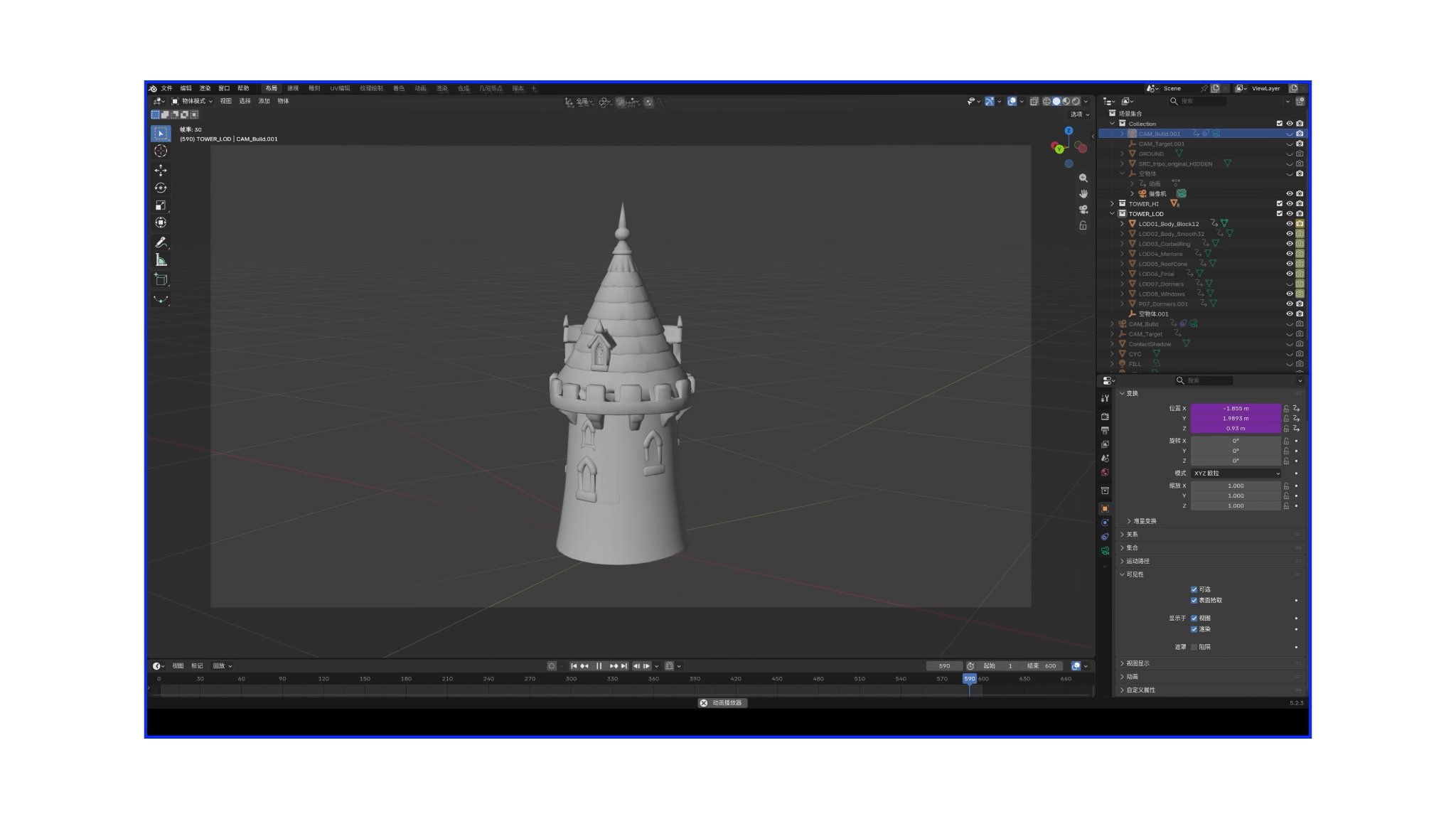
Creative production
Users can build 3D scenes in Blender and develop playable games using Unreal Engine, Unity, and Godot. It can run what it creates, inspect the visuals, and make adjustments to refine the results.
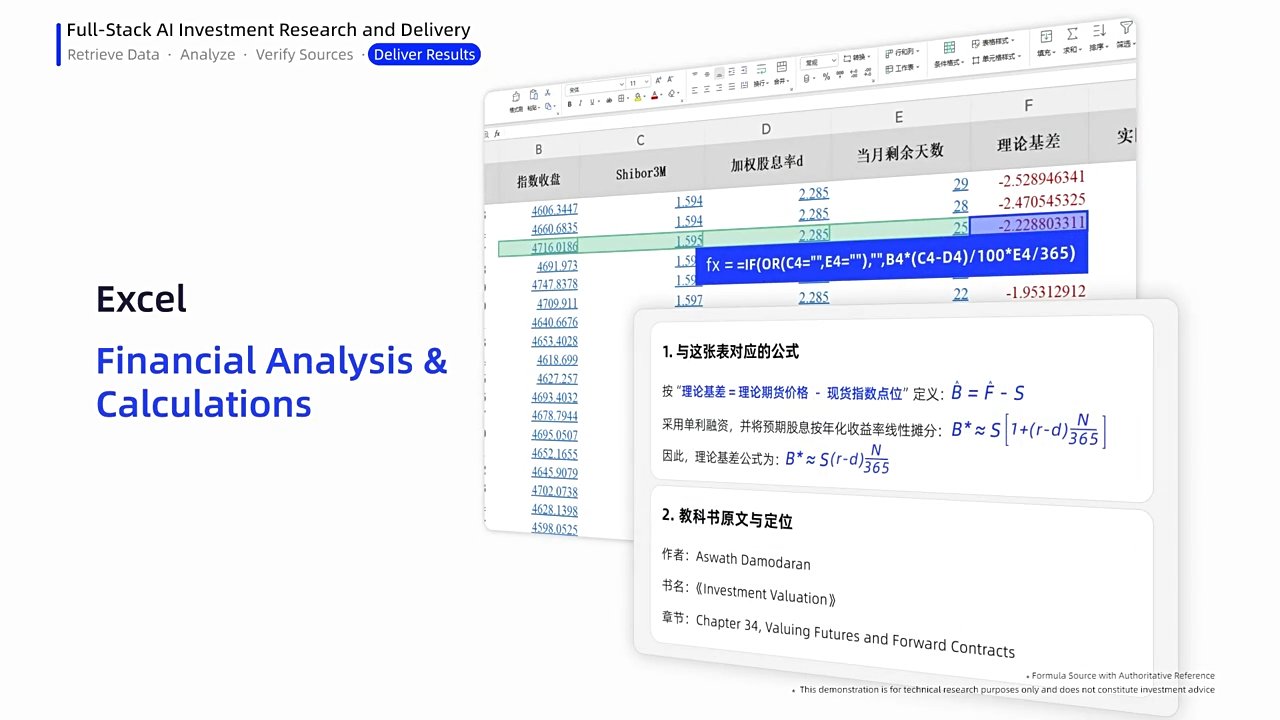
Business research
In finance, the AI can analyze company information and prepare editable spreadsheets and presentations. It can also support legal due diligence by reviewing documents, checking supporting evidence, and organizing findings with references.
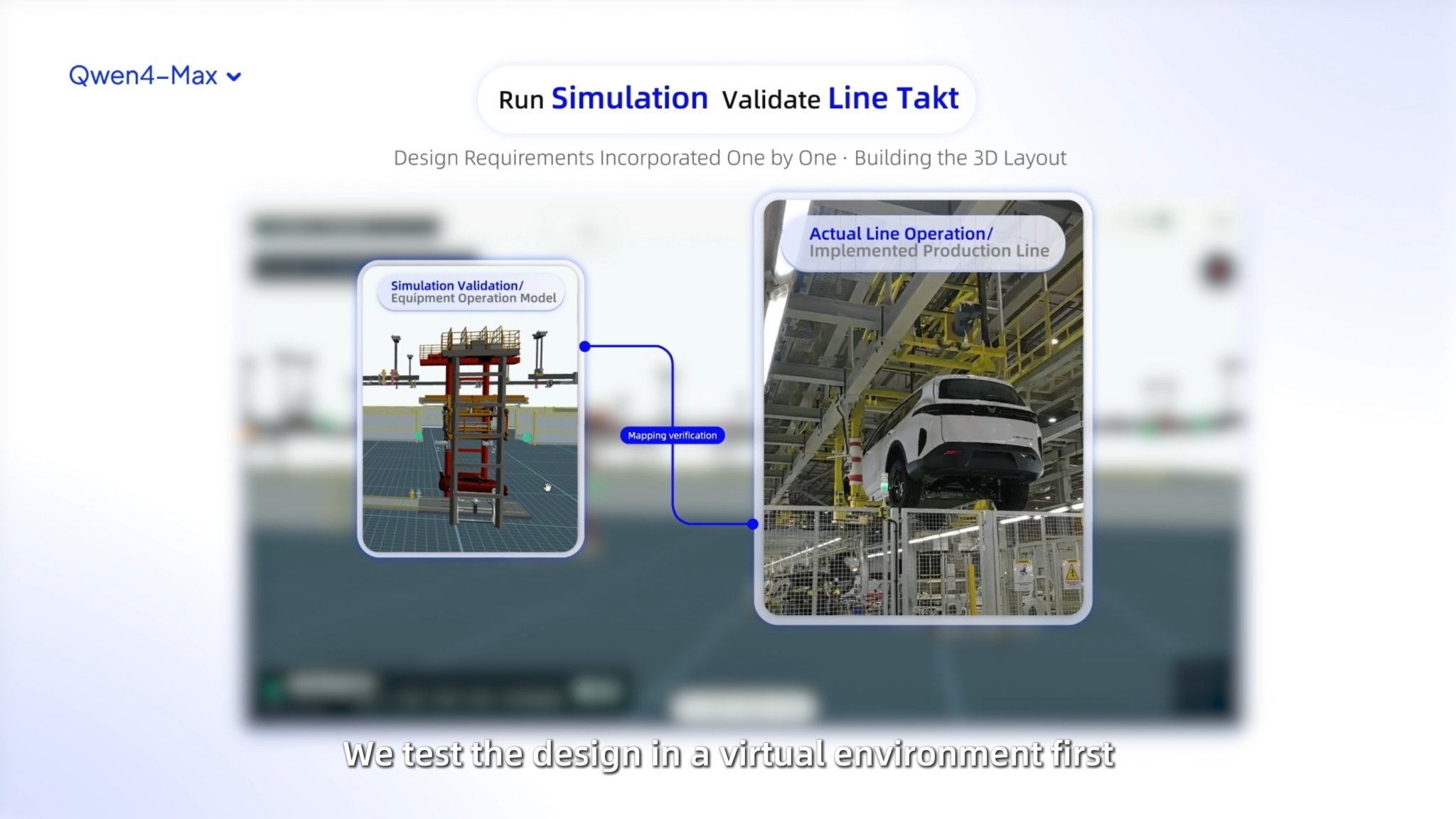
Manufacturing
In a company manufacturing showcase, Alibaba reported that programming one workpiece took 24 minutes, compared with approximately 475 minutes manually. It used simulation feedback to identify problems and fine-tune the machining process before production.
Scientific research is another area Alibaba has explored. Alibaba says Qwen4-Max used specialized tools to investigate potential drug targets and design and optimize 24 candidate molecules in an Alzheimer’s research experiment. The candidates underwent computational evaluation and still require laboratory validation.
API access expands as token prices fall
Developers can now access Qwen4-Max through QwenCloud using pay-as-you-go API calls or a subscription Token Plan. It is also available through QwenStudio, QwenWork, and Qoder. The production release follows a Nov. 11 preview, with the earlier qwen4-max-preview model identifier scheduled for retirement on Nov. 25.
Part of the cost reduction comes from changes to the model's architecture. Alibaba kept the same 2.4 trillion total parameters as Qwen3.8-Max but reduced the portion activated during processing by 25%. In effect, the AI can perform its work using less computing power at each step.
Published QwenCloud prices have also fallen, including the cost of reusing information the system has processed before.
API pricing per million tokens | Qwen3.8-Max | Qwen4-Max | Reduction |
|---|---|---|---|
| Input | $2.00 | $1.50 | 25% |
| Output | $6.00 | $4.50 | 25% |
| Implicit cached input | $0.25 | $0.075 | 70% |
Alibaba says the savings could extend further than lower API rates. On its proprietary Work360 benchmark, Alibaba reports roughly 60% lower average task costs than Qwen3.8-Max. That result does not establish equivalent savings across other workloads.
Security and access are also part of the release. The company incorporated additional checks during training to reduce vulnerabilities in generated code, such as injection flaws and broken access controls. Qwen4-Max remains a proprietary hosted model, with smaller Qwen4 variants planned for future release with open weights.
What eWeek found: Qwen4-Max gains are uneven across enterprise tasks
To examine performance outside Alibaba's own evaluations, eWeek compared published results from Vals AI for Qwen4-Max, Qwen3.8-Max, and Moonshot AI's competing Kimi K3.1 Pro. Vals is an independent AI benchmarking platform that tests how models handle professional tasks, from financial analysis to software development.
Independent benchmark | |||
|---|---|---|---|
| Overall Vals Index (Combined performance across different tests) | 59.05% | 63.20% | 62.52% |
| Finance Agent v2.1 (Analyzing financial reports and answering questions) | 58.83% | 66.68% | 61.49% |
| Legal Research Bench (Researching laws and court decisions) | 46.15% | 41.35% | 37.50% |
| Tax Agent Bench (Answering complex corporate tax questions) | 49.66% | 40.35% | 24.87% |
| Terminal-Bench 4.0 (Completing technical tasks using computer commands) | 38.89% | 48.48% | 63.64% |
Qwen4-Max scores higher than its predecessor on Finance Agent v2.1 and Terminal-Bench 4.0, but lower on Legal Research Bench and Tax Agent Bench. Kimi K3.1 Pro leads these three models on Terminal-Bench 4.0 despite scoring slightly lower overall.
These results identify workloads worth testing rather than justify a department-wide upgrade. An overall ranking can conceal differences in specialized tasks, and terminal-based performance does not establish superiority across software development.
Cost also complicates the upgrade decision. Vals lists Qwen4-Max at $9.33 per Vals Index test, compared with $8.73 for Qwen3.8-Max 0902. This is a different evaluation from Alibaba’s Work360, but it shows why lower token prices do not necessarily produce cheaper completed work.
These are published Vals results, not hands-on eWeek tests, and evaluation settings vary by model. Businesses should run representative assignments across shortlisted systems before choosing one for production.
Track:
- Accuracy: Whether the result meets the original requirements and supports its conclusions.
- Human effort: Time spent correcting mistakes, checking references, and repairing files.
- Completed-task cost: Spending across retries and failed attempts, alongside the cost of reviewing the output.
For projects involving professional software, a usable deliverable matters more than a promising first response. The practical test is whether the model completes the work reliably enough to reduce the total effort required.
Want to get more useful results from AI models? eWeek readers get free 7-day access to The Neuron Academy, our practical learning platform designed to help professionals use AI more confidently at work. Browse all lessons →
Let us teach you How to Talk to AI for free! Try our six-minute course at The Neuron Academy and learn a few simple ways to write better prompts and get more useful results from AI, or browse our other AI course for free for seven days. Check out all the lessons here →