






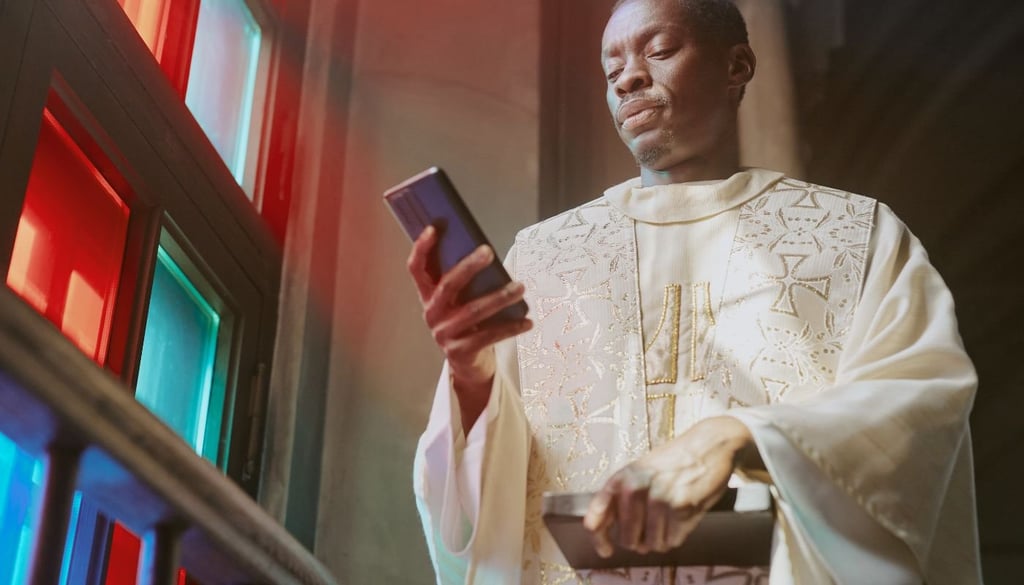


AI is slipping into the pulpit as ‘Chatbot Jesus’ apps spread through churches searching for new ways to reach dwindling congregations. From automated prayers to pastor-built bots, religious life is getting a digital rewrite.
Axios reports that pastors, megachurches, and faith-focused startups are adopting AI tools to draft sermons and even simulate conversations with Jesus and other biblical figures as attendance drops and closures rise.
A nation of empty pews
US churches are facing their steepest decline in decades. Attendance is dropping, staff are stretched thin, and thousands of congregations are expected to close this year. Axios notes that nearly one in three Americans now identifies as religiously unaffiliated, a demographic shift that’s reshaping Sunday mornings nationwide.
Megachurches continue to swell, but smaller parishes are struggling to keep pace. Even the biggest campuses can’t offer the individual attention many worshippers once received, leaving pastors juggling crowds they can’t meaningfully reach.
In that climate, some churches are turning to technology simply to keep people engaged. AI tools let pastors stay present when fewer members show up in person. For ministries trying to hold on to their communities, every connection counts.
Algorithms behind the altar
Across the country, churches are rolling out AI systems to handle the everyday questions that once swamped front desks and volunteer teams. Chatbots now answer queries about service schedules, event logistics, and quick scripture references, acting as on-call guides for members who expect instant replies.
Some churches are also adopting software that studies attendance patterns and engagement habits, flagging when outreach might be needed. These tools were once niche experiments; they’re now becoming part of routine ministry planning.
For pastors, AI is showing up in more practical corners of the job. Several told Axios they use it to organize tasks and streamline communications, cutting hours off their weekly prep work.
Rev. Chris Hope, founder of the Hope Group, said the technology can boost “scheduling, coordination of preaching engagements and missions work,” and argued that churches “haven’t tapped the surface” of what responsible AI could support.
From Amen to AI-men
One corner of this technological shift is unfolding in people’s phones, where a new class of spiritual chat tools is taking shape. Text With Jesus is among the most prominent, inviting users into message-style exchanges with Jesus, Mary, Joseph, and other biblical figures, complete with verse references and character-based replies.
Catholic developers are moving in the same direction. Several confession and reflection apps now guide users through pre-confessional questions and spiritual check-ins, using scripture to shape each prompt and helping worshippers prepare before speaking with a priest.
Personality-driven tools are growing alongside them. Megachurch pastor Ron Carpenter, for example, offers a digital version of himself for subscribers seeking one-on-one interactions, and Rev. Louis Attles relies on his bot “Faith” to help comb through research for his weekly sermons.
Other Christ-themed apps are gaining momentum as well. Virtual Jesus and Ask Jesus both provide round-the-clock responses modeled on the teachings of Christ, giving users quick scripture references, encouragement, and conversational guidance.
The fight against synthetic spirituality
Some church leaders are increasingly uneasy about the surge of spiritual chatbots that sound like clergy — or claim to speak in the voice of Jesus.
Researchers and pastors worry users may not know what sources these tools rely on or how their answers are being shaped. Robert P. Jones of the Public Religion Research Institute warned that many apps don’t disclose whether they draw from standard Bible translations, early church teachings, or narrowly ideological material.
Those concerns are amplified when chatbots begin to mimic divine or pastoral authority. Mark Graves of AI and Faith told Axios that many developers are racing to release products before establishing guardrails, saying “the risks are very high.”
Questions about digital tools have reached the highest levels of the Church as well. Pope Leo XIV rejected a proposal for a “virtual pope,” calling the idea “horrifying” and insisting that an avatar or automated assistant cannot duplicate core duties of the papacy.
For all the convenience these systems offer, their rise forces churches to decide what must remain unmistakably human. Not every message can be handed to a machine, especially when the authority behind the words is the point.
At a meeting on AI and medicine in Vatican City, Pope Leo XIV stressed that technological progress in healthcare should never come at the expense of human connection.