







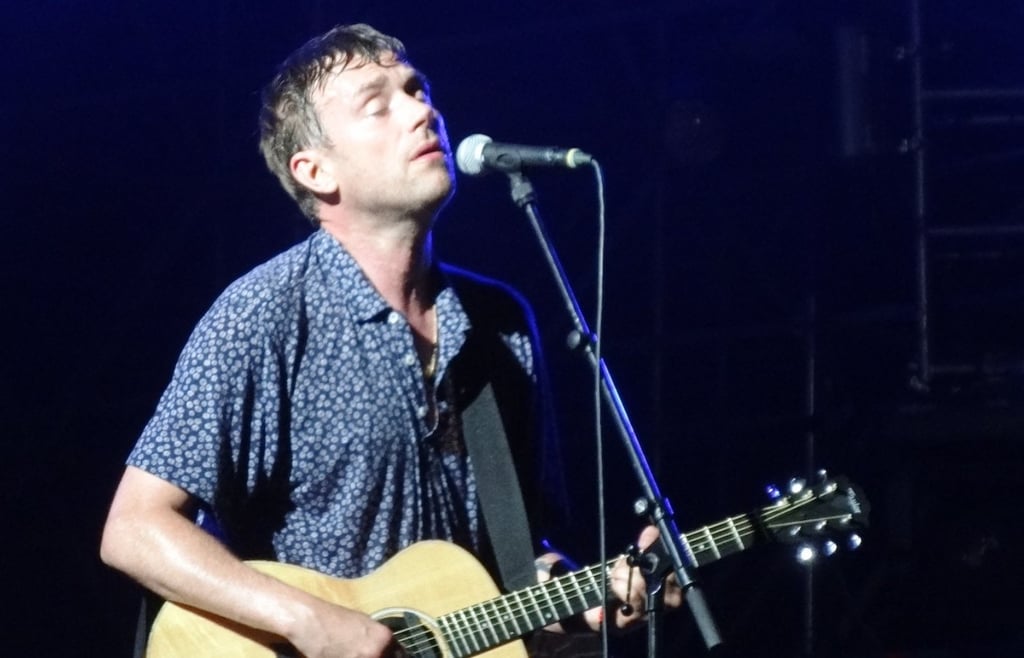
More than 1,000 musicians and groups including Kate Bush, Damon Albarn, Annie Lennox, Billy Ocean, and Jamiroquai released a silent album on Tuesday. The unusual release is a direct protest against the U.K. government’s consideration of changes to copyright laws that could give AI companies free rein to train their AI models on music available online. The proposed changes would also allow AI developers to use copyrighted material without needing the artist’s consent, a shift that could reshape the music industry and not in favor of human creators.
When the song titles on the silent album titled “Is This What We Want?” are combined, they read, “The British Government Must Not Legalise Music Theft To Benefit AI Companies.”
Why this silent album matters
If the U.K. government greenlights these proposals, AI companies would be able to scrape publicly available music and repurpose it for training AI models. For musicians, this isn’t just a legal gray area – it’s a potential disaster. Many artists rely on royalties and licensing agreements to sustain their careers. Allowing AI to absorb and replicate their work without permission could devalue their artistry, disrupt their income, and blur the lines between human- and machine-made music.
AI is already using some celebrities’ voices
This isn’t a hypothetical problem – AI is already capable of cloning celebrity voices with unsettling accuracy. From viral deepfake music tracks to entire AI-generated albums mimicking real artists, the technology is advancing at an alarming pace. Listeners are reaching a point where they can’t tell the difference between an AI-generated song and an original track.
For musicians, this raises existential questions: If AI can reproduce their sound, what will happen to their identity as an artist? And if AI-generated music becomes indistinguishable from human-made songs, how will the industry define authenticity?
AI’s threat to creativity
The silent album protest underscores a more significant issue: AI’s growing role in the creative arts. While AI can be a valuable tool for enhancing production, its ability to autonomously create music, art, and even literature raises concerns about originality and ownership. If AI is trained on human-made music without restrictions, it could saturate the industry with machine-generated songs, reducing opportunities for real artists and diminishing the value of human creativity. Artists are sending a clear message with this protest that says they won’t sit idly by while their work is harvested by AI. However, whether lawmakers will listen remains the real question.