







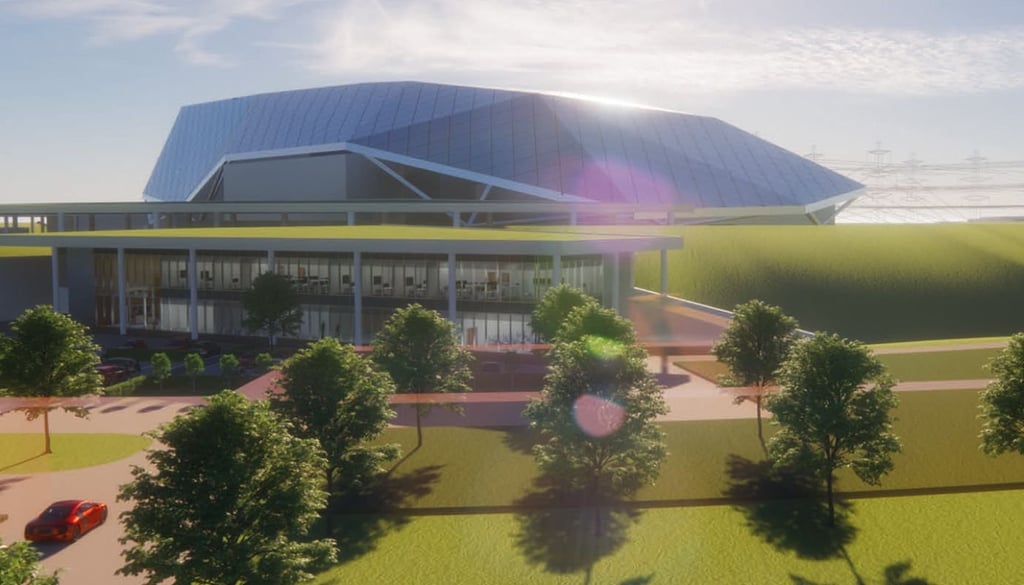
Rolls-Royce is banking on small modular nuclear reactors (SMRs) to supply the surging electricity demand from artificial intelligence data centres. This is a strategy its chief executive says could propel the engineering giant to the top of the London Stock Exchange.
“There is no private company in the world with the nuclear capability we have,” Tufan Erginbilgiç told the BBC. “If we are not market leader globally, we did something wrong,” he said.
Global SMR rollout to meet AI-driven power needs
Rolls-Royce has signed an agreement with the UK government to construct the country’s first three SMRs, each designed to generate 470 MW of energy, enough to power a million homes for 60 years. It will also build six in Czechia, supplying a combined 3 GW of energy in total, and potentially two in Sweden.
The International Energy Agency projects the global SMR market could approach nearly £500 billion ($678 billion) by 2050, driven by the extreme energetic demands of AI. Rolls-Royce said demand from data centres contributed to its 50% increase in half-year profits.
“Demand for our backup power generators for data centres remains very strong and we now expect revenue growth of around 20% per year to the midterm in the Power Generation segment,” Erginbilgiç said in a July earnings call. Orders for these generators increased by 85% year-on-year.
Aiming for nuclear market leadership
Erginbilgiç told the BBC he estimates the world will require 400 SMRs by 2050. Each unit costs up to £2.2 billion ($3 billion), though he anticipates costs falling with scale, and he wants Rolls‑Royce to dominate the market, especially since it already supplies similar reactors for dozens of nuclear submarines.
With that potentially trillion-dollar market cornered, Erginbilgiç told the BBC that Rolls‑Royce has the “potential” to become the UK’s most valuable company, overtaking AstraZeneca, HSBC, Shell, Unilever, and British American Tobacco.
“Rolls-Royce SMR is up to eighteen months ahead of competitors in any European regulatory process and, with this first mover advantage, is in pole position to become a world leader in SMR technology and the UK’s premier green export technology,” the company says on its website.
Rolls-Royce CEO admits SMRs are unproven technology
While confident in his company’s ability to reach the top spot on the London Stock Exchange, Erginbilgiç admitted to the BBC that he could not confidently point to an example of a working SMR. While they are smaller and quicker to build than traditional plants, there are concerns that the costs will be higher, they will generate more waste, and they will be harder to keep secure.
There is also the question of water. Cooling the power-hungry data centres, which tend to be built in drought-prone areas, puts a massive strain on water supplies, often resulting in pushback from those living in their vicinity. Like all nuclear facilities, SMRs also require a significant amount of water for cooling, compounding the problem.
Tech giants invest in nuclear power for AI
Tech giants are endorsing SMRs as a way of managing the electricity demands of AI with clean energy. Google is backing an SMR project with Kairos Power, part of a $300 million federal initiative. Meta has also signed a 20-year contract with Constellation to buy power from the Clinton nuclear plant in Illinois, and the energy company is investigating building an SMR at the site.
Amazon has signed three agreements supporting the development of SMRs in the US. Google, Meta, and Amazon have also pledged to support a global effort to triple nuclear capacity by 2050, calling for the accelerated deployment of reactors across the energy sector.
Last month, Google signed a landmark deal to purchase 200 megawatts of fusion energy from Commonwealth Fusion Systems’ planned ARC plant in Virginia.