Felt that jolt, Tech Insiders? Phones are doubling as seismometers, AI is toppling buildings on screen, a nasty zero-day is buckling SharePoint servers, and algorithmic airfare is shaking loose extra dollars. Grab your hard hat—time to map the fault lines. |
|
|
Here's what you need to know today: |
|
|
Android Phones Become Global Quake Sensors 🔔🌎 |
Feel a tremor in your pocket? That's the planet pinging you—not another group-chat buzz.
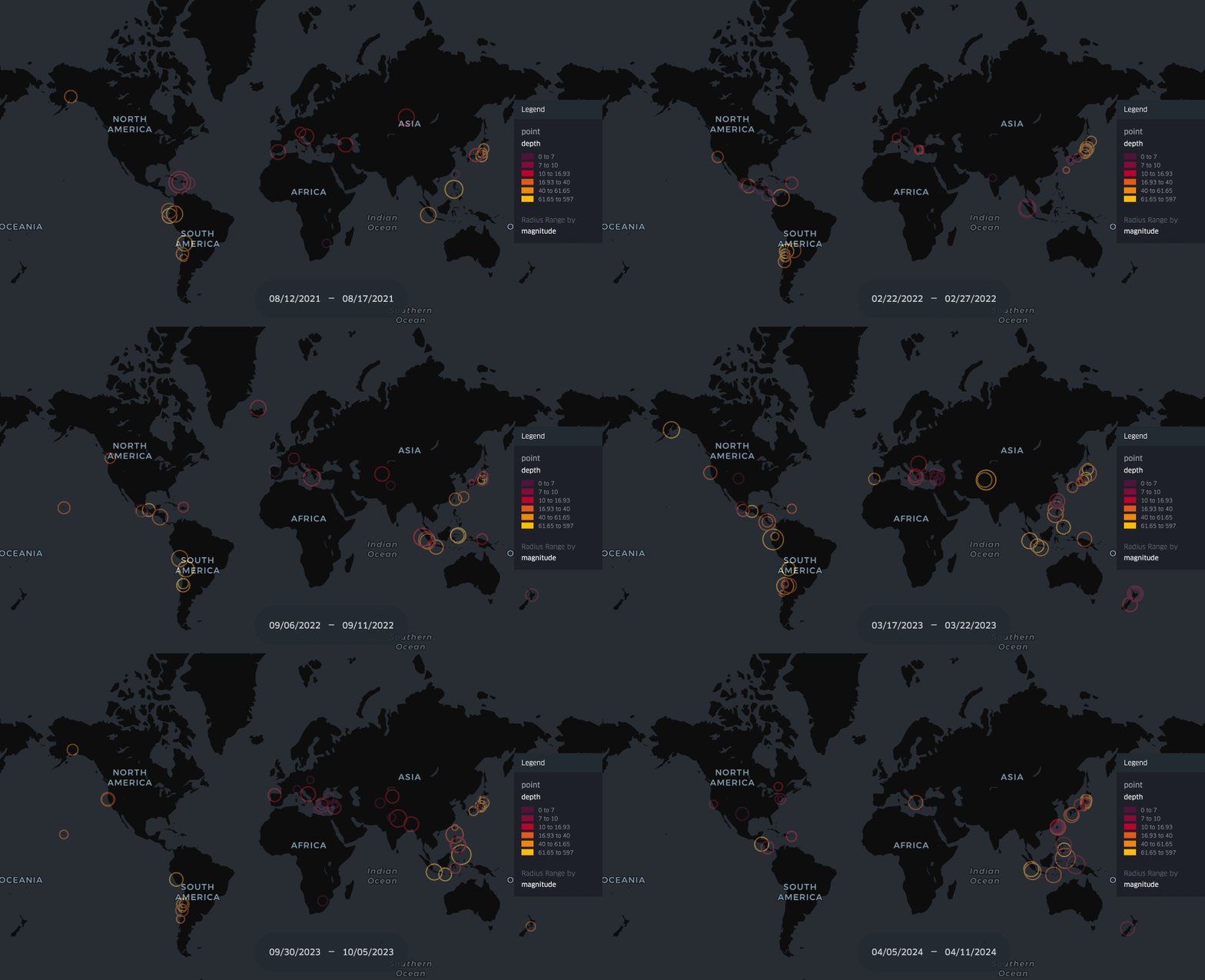
Google's Android Earthquake Alerts (AEA) network now reaches roughly 2.5 billion people in 98 countries. By crowdsourcing accelerometer data from idle phones, AEA detected 11,231 earthquakes and issued alerts for 1,279 events between April 2021 and March 2024—only three were false alarms |
During the catastrophic Turkey–Syria quake in 2023, a replay with AEA's upgraded algorithm showed it could have delivered "Take Action" alerts to about 10 million users—compared to half a million—as much as 35 seconds before severe shaking. Because digital messages outrun seismic waves, even a five-second head-start can be life-saving.
Other key takeaways: |
- Accuracy: AEA's real-time magnitude estimates now rival those from conventional seismic networks.
- Speed: In favorable conditions, the first alert can fire roughly six seconds after an earthquake starts.
- User feedback: In Google's 1.5 million-response survey, 85% rated the alerts as "very helpful."
- Privacy toggle: Don't want your handset moonlighting as a seismometer? Switch off Google Location Accuracy in settings, and your phone will sit out the quake-detection party. (You can also turn off alerts, too.)
|
Why it matters: That aging Android handset on your nightstand is effectively a pocket seismometer, forming part of the world's densest quake-warning grid—and proving that a savvy crowd-sensor network can match (and supplement) costly, purpose-built infrastructure. Expect more "crowd-sense" safety systems to follow. |
|
|
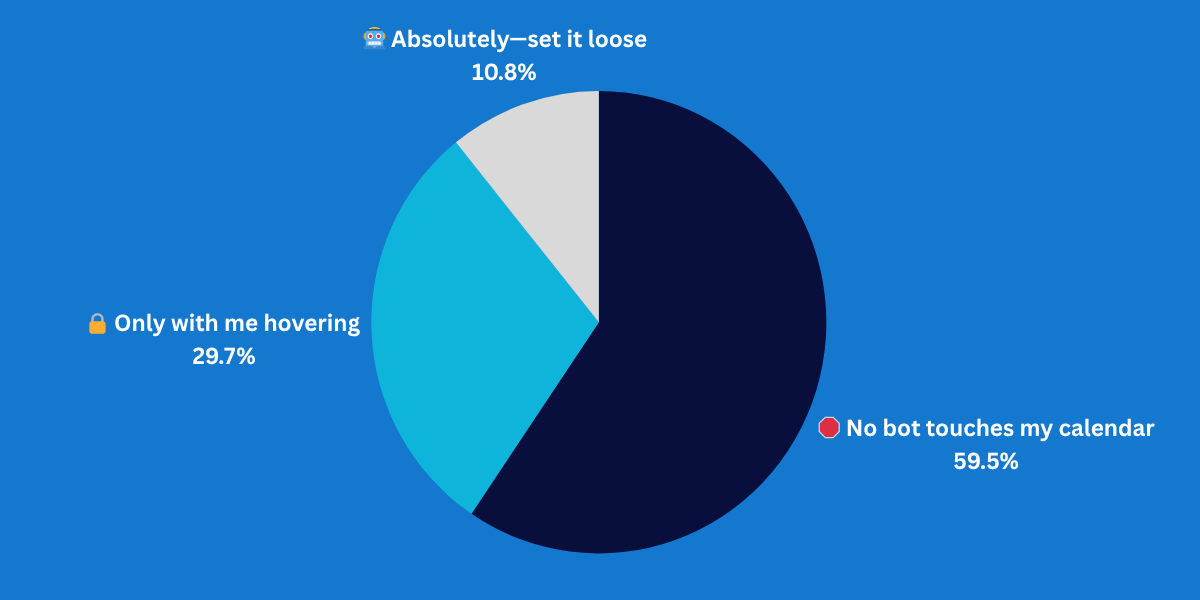
How will you set your Android earthquake options? |
|
|
Results from Yesterday's Pulse Check |
Will you let ChatGPT Agent tackle your day-to-day tasks? |
|
|
Netflix Swings Big on AI-Powered VFX Magic 🎬🤖 |
When your budget collapses, call the algorithm.
Netflix co-CEO Ted Sarandos claims generative AI will make shows "better, not just cheaper." Exhibit A: the Argentine sci-fi series "El Eternauta." Using AI-assisted tools from Netflix's in-house Eyeline Studios, the production rendered a skyscraper implosion 10× faster than traditional pipelines—keeping the effect on a local-series budget.
|
|
|
🤑 Score Hot Leads with Pipedrive Pulse
Try Pipedrive Pulse, your AI-powered lead qualification ally, to auto-rank prospects and jump the waitlist before rivals do. 🛠️ Tame Your IT Assets Fast
This IT Asset Management Software comparison shows the best platforms to slash license waste and stay audit-proof in one handy read. 🚀 Hire a Business-Dev Star, Fast
TechRepublic's Director of Business Development Hiring Kit packs a plug-and-post job ad, key interview Qs, and a pro framework—saving you 16 hours of prep.
💻 This section contains sponsored tech insights. Advertise with us! |
|
|
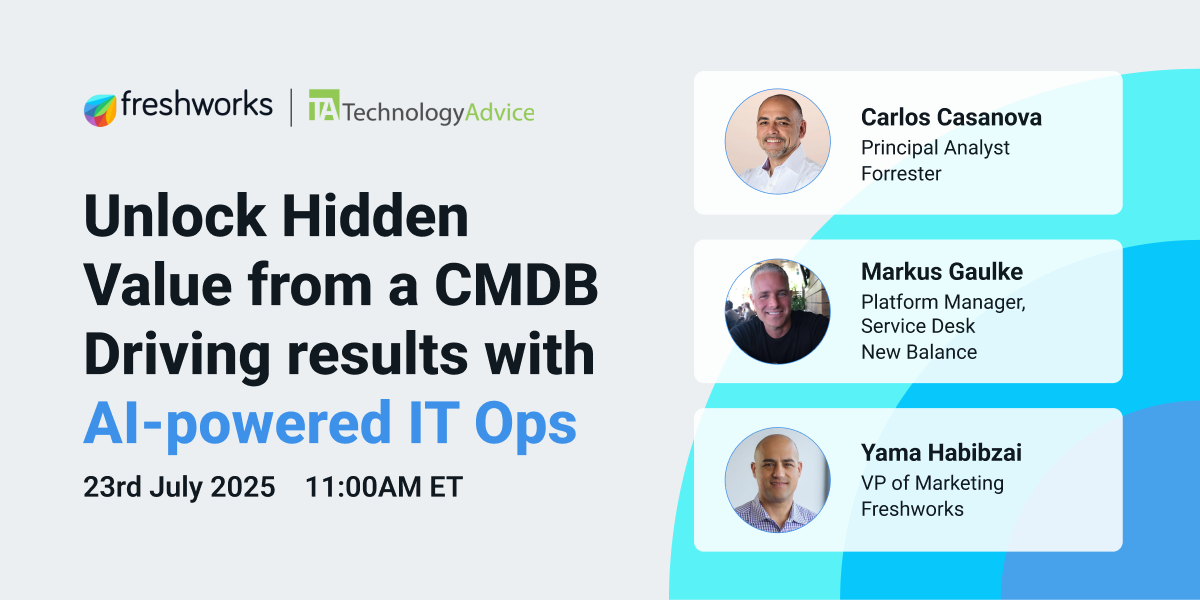
Unlock hidden value from a CMDB | Driving results with AI-powered IT ops |
Smarter IT starts with a smarter CMDB.
On July 23 at 11:00 AM ET, attend a webinar hosted by Freshworks to explore how automated workflows, AI, and unified asset data are powering better productivity and service delivery. |
|
|
Unpatched SharePoint Zero-Days Slam Government Networks 🌐⚠️ |
Two newly disclosed flaws—CVE-2025-53770 and CVE-2025-53771—can bypass Microsoft's July security fixes and allow unauthenticated remote-code execution on on-premises SharePoint servers. |
-
Patching status: Microsoft rushed an out-of-band update for SharePoint Subscription Edition. SharePoint 2016 and 2019 are still awaiting full fixes.
- Mitigation: Until patches land, Microsoft urges admins to enable Antimalware Scan Interface (AMSI) integration with Defender AV; otherwise, disconnect public-facing servers.
-
Regulatory move: CISA has added CVE-2025-53770 to its Known Exploited Vulnerabilities (KEV) catalog, making immediate remediation mandatory for US federal agencies.
|
Reality check: If your org is still running on-prem SharePoint in 2025, consider this a politely urgent invitation to accelerate that cloud migration. |
Amazon Warns 220 Million Prime Members about Phishing Surge 🛡️📦 |
Scammers are spoofing "renewal price hike" emails and bogus order confirmations to steal account credentials. In a July alert sent to all 220 million Prime members, Amazon said researchers spotted 120,000+ fake Amazon-lookalike domains spinning up prior to Prime Day earlier this month. Fraudsters also place phone calls urging victims to "verify" accounts or cancel high-ticket purchases.
Amazon's safety checklist: |
- Review suspicious messages in your Message Center—only those logged there are legitimate.
- Enable two-step verification on your account.
-
Never pay fees or refunds via wire transfer, cryptocurrency, or—classic red flag—gift cards.
|
Pro tip: If "Amazon support" demands gift-card numbers, the only thing you should renew is your skepticism. |
Delta's AI Fare Engine Knows What You'll Pay ✈️🤖 |
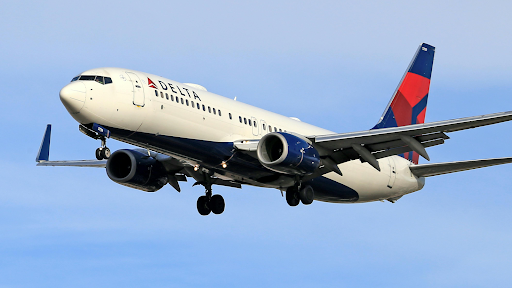
Delta Air Lines has begun testing individualized pricing on about 3% of US domestic flights using an AI platform from Israeli startup Fetcherr. The software ingests a buffet of variables—historical bookings, real-time seat demand, loyalty status, and even macro signals like weather and holiday traffic—to predict each shopper's willingness to pay and set the highest fare it thinks you'll accept.
|
Early results show "amazingly favorable unit revenues," president Glen Hauenstein told investors. Delta now wants AI to price 20% of tickets by December and has floated a long-term goal of replacing most static fare buckets altogether. Praise, protests, and policy alarms: |
-
Proponents say the tech could surface flash discounts for price-sensitive travelers while squeezing fewer empty seats out of each flight.
-
Critics call it "predatory" or "surveillance" pricing, warning that opaque algorithms may quietly up-charge business travelers or those in wealthier ZIP codes.
-
Consumer-privacy groups fear AI could skirt antidiscrimination rules; Sen. Ruben Gallego (D-AZ) has promised legislative scrutiny.
|
Delta insists it has "zero tolerance for discrimination" and that all fares remain "publicly filed" under US regulations—yet it has offered no detailed transparency on what personal data feeds the model or how bias checks are performed. What travelers can do (for now): |
-
Shop around in incognito/VPN mode to blunt some data signals.
- Compare online travel agencies (OTAs), not just airline sites—third-party channels may display different AI-tuned prices.
- Enroll in fare-tracking alerts; AI sometimes nudges prices down when seats risk going unsold.
|
Remember: The next time you click "Search," an algorithm may be sizing up your wallet before you even see the results. Clear those cookies, and may the cheapest bot win. |
|
|
|
Writer at TechnologyAdvice |
Justin Meyers is an investigative writer and editor who draws on over a decade of meticulous hands-on research to deliver the full, trustworthy story behind consumer and enterprise tech, including cybersecurity. |
|
|
| Writer at TechnologyAdvice |
Justin Meyers is an investigative writer and editor who draws on over a decade of meticulous hands-on research to deliver the full, trustworthy story behind consumer and enterprise tech, including cybersecurity. |
|
|
Advertise in Daily Tech Insider! Daily Tech Insider is a TechnologyAdvice business
© 2025 TechnologyAdvice, LLC. All rights reserved. TechnologyAdvice, 3343 Perimeter Hill Dr., Suite 100, Nashville, TN 37211, USA. |
|
|
|