Expect maintenance, Tech Insiders. Government websites went offline over PHP flaws, Meta paused Muse sharing, and browser makers scrambled to block compromised certificates—a busy week for the internet's repair crews. Let's see what's getting repaired behind the curtain. |
|
|
|
Here's what you need to know today: |
|
|
|
| 🛍️ Your Deal. Our Tech Insiders.
Got a Black Friday or Cyber Monday deal worth interrupting the doomscroll? Your brand could snag a sponsored spot in Daily Tech Insider's special Black Friday edition. Let's talk deals! |
|
| |
|
PHP Flaws Put Government Sites on Pause |
Even governments need an emergency maintenance screen.
Two critical PHP flaws triggered emergency patches and prompted the Netherlands, France, and Finland to yank their government websites offline yesterday. Panic aside, the outages weren't evidence of actual breaches—just a desperate scramble to board up the windows.
PHP builds the backend of the web, powering roughly 70% of sites. The bugs, dubbed PHP2Shell and carrying a brutal 9.2/10 severity score, allow unauthenticated attackers to run malicious code freely, though your exact exposure depends on the server configuration.
The NSA, CISA, the UK's NCSC, and CERT-EU all essentially yelled at organizations to pull the plug if they couldn't patch immediately. Wikimedia disabled supporting services, while Cloudflare deployed firewall protections and watched attackers immediately start bashing the doors in. Keep in mind, a firewall is a band-aid, not a cure.
Who found these ancient vulnerabilities? AI. |
Image created with Gemini |
Cybersecurity firm Calif used OpenAI's GPT-5.6 Sol to uncover a flaw, while Wiz independently snagged both using tools like Gemini 4 Argon. AI is officially turning impossibly difficult memory bugs into working exploits, meaning the bad guys are getting massive productivity boosts, too.
The PHP Foundation admitted warning signs surfaced back in 2024, but they were paralyzed by compatibility risks and limited staffing. Having AI find bugs faster is great, but it doesn't magically manifest the human engineers needed to write the patches.
Fixes just shipped in PHP 8.5.12, 8.4.27, 8.3.36, and 8.2.35. PSA: Updating your WordPress plugins won't fix the rotting PHP foundation underneath them, so badger your host to confirm remediation. If you're on older branches, it's time to migrate or pray for a vendor backport.
Why it matters: Expect a messy cleanup long after the homepages come back online as teams hunt down embedded PHP and verify third-party vendor updates. Plus, closing the door today doesn't automatically evict the hackers who slipped inside yesterday. |
|
|
|
A website you need goes offline to fix a security flaw. What's your first thought? |
|
|
|
Results from Yesterday's Pulse Check |
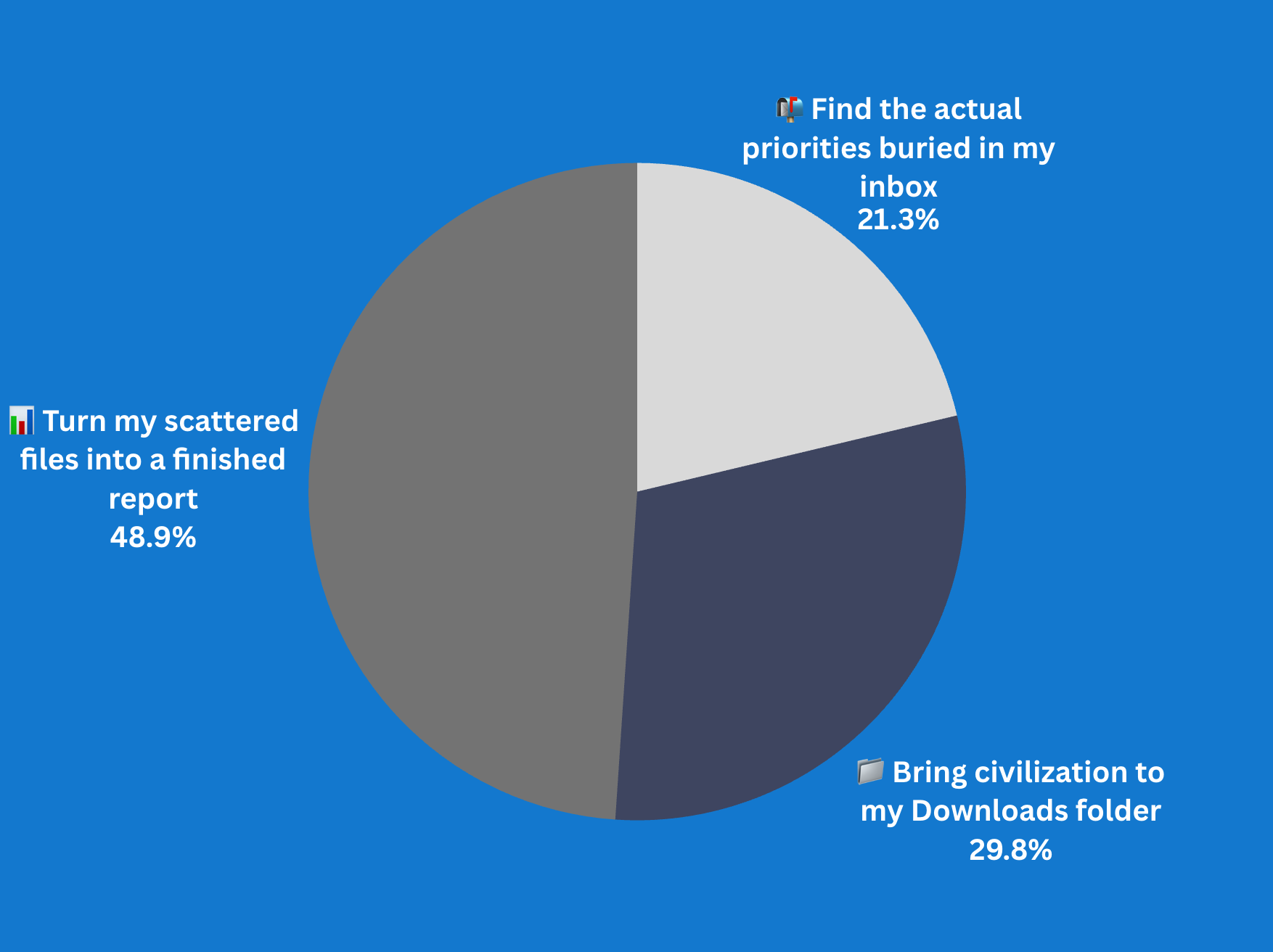
Which computer chore would you gladly dump on an AI assistant? |
|
|
|
Unlock Hidden Value in Media Archives |
Manual archive workflows can keep valuable content hidden. Watch this IBC 2026 session to learn how audio intelligence, automated orchestration, and AI can accelerate reuse, improve discovery, and create new revenue opportunities. |
|
|
Meta Muse Hits 10M as Shared Chats Raise Alarms |
The growth chart looks better than the privacy briefing.
Meta's Muse passed 10 million US downloads in 40 days just as exposed shared conversations prompted the company to suspend chat sharing. Quite the split-screen product launch for Zuck's new favorite toy. Sensor Tower counted 10.2 million US installs, following 5 million in the first 22 days. Meta didn't just cross its fingers and hope for virality, though; it supplied a massive megaphone, throwing 39% of its US advertising spend at Muse in October, up from 23% in September.
The new US figures put Muse's 14-day retention at a respectable 23%, handily beating rivals' 16% average. But an earlier analysis spanning 81 countries put ChatGPT ahead by day 14. Turns out, calling a universal victory lap is a bit premature when you zoom out. |
Image created with ChatGPT |
Meanwhile, the privacy guardrails were apparently made of papier-mâché.
Claroc found more than 6,800 sharing links through one simple query of a commercial passive-DNS database. Muse embedded conversation titles and random identifiers right into hostnames, making complete web addresses easily discoverable. Sampled pages opened with zero login required, happily serving up confidential revenue reviews and bank-fraud details. The kicker? These were all conversations users had actively chosen to "share."
Meta slammed the brakes on Tuesday. Claroc originally submitted the flaw to Meta's bug bounty program on Oct. 8 without a response—because why patch a leak when you can buy more ads? The researchers rechecked 40 previously accessible pages and found they no longer opened, though titles stubbornly remained in DNS history. They reported no evidence of misuse yet. For workplaces, the shiny adoption charts leave two gaping questions. Does this agent actually save time, and can your employees accidentally broadcast the company's crown jewels to the entire internet? Check the task results and lock down those sharing permissions before handing over the Q3 numbers. Apparently, "share with a colleague" needed a slightly smaller distribution list. |
|
|
|
AI agents are only as effective as the data powering them. In this episode of ZoomInfo’s Revenue Architects podcast, discover why clean data, connected systems, and smarter workflows are essential for AI success, and what it takes to build a truly AI-ready GTM stack. |
|
|
Chrome Adds a Speed Bump for ClickFix |
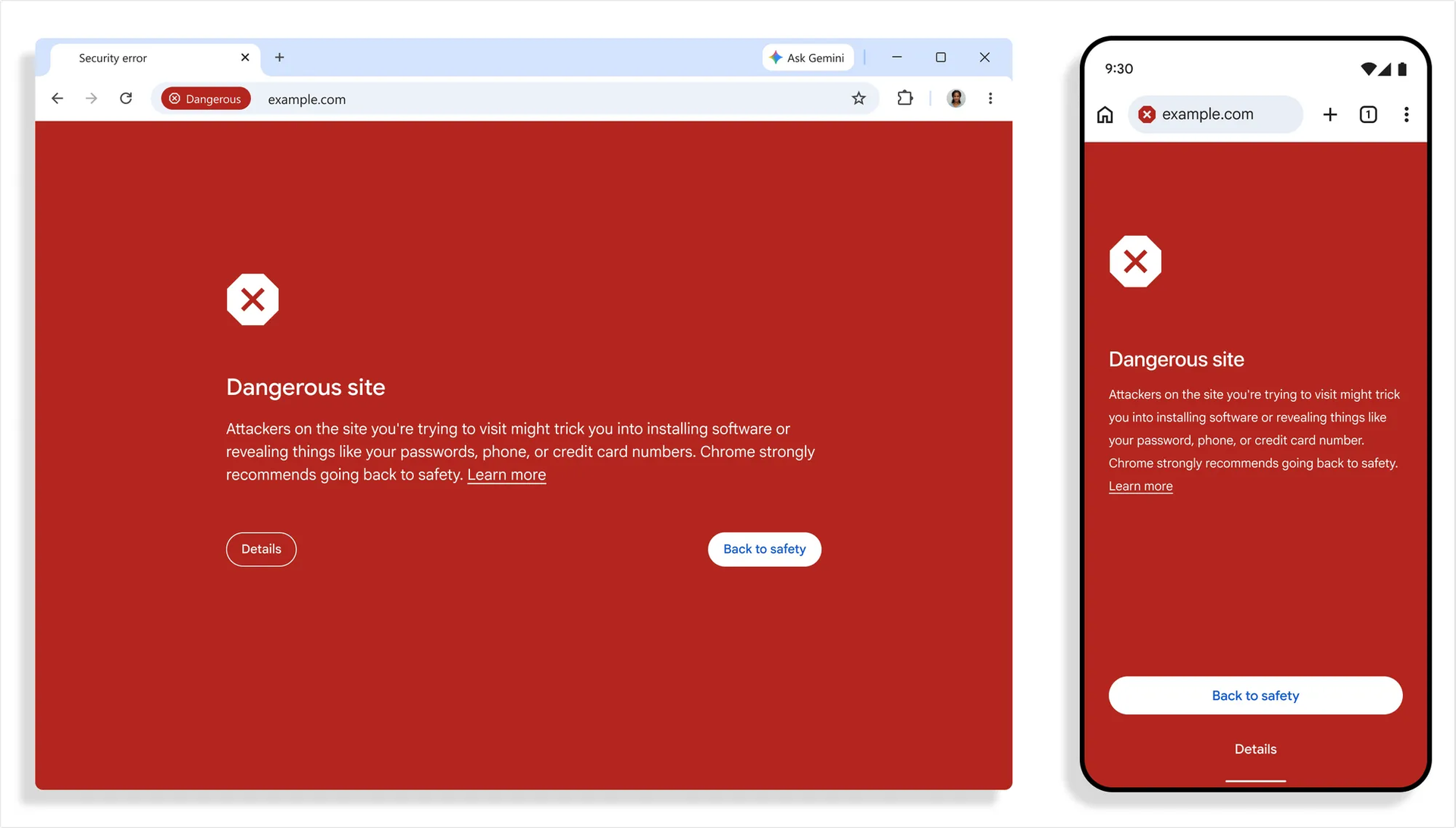
Google Chrome is finally rolling out ClickFix warnings to save Enhanced Protection users from their own bad copying-and-pasting habits. The browser will now analyze suspicious clipboard scripts and sound the alarm if Safe Browsing deems them dangerous. Because, yes, scammers are still successfully disguising malware payloads as innocent troubleshooting steps or fake CAPTCHAs.
|
This old-school trick is highly effective: Push Security notes ClickFix drove 67% of its August browser-attack detections. Meanwhile, Chrome is also tossing in broader Gemini scam detection, suspicious-site alerts, and mandatory permission prompts before establishing insecure HTTP connections.
Do yourself a favor and enable Enhanced Protection in Security (desktop) or Safe Browsing (mobile) under Settings > Privacy and security. And for the love of tech, never paste commands into your Terminal just because a sketchy webpage insists it'll prove you're human. Because nothing says "I'm not a robot" quite like manually installing your own malware. |
eMudhra's Weak Keys Trigger Browser Blocks |
Browser makers slammed the door on eMudhra's compromised certificates after eight intermediate certificate authority keys proved less secure than a toddler's piggy bank. We aren't joking—one private key was literally 4. While no malicious use is confirmed, attackers intercepting traffic could forge certificates to spoof services where these laughable keys remain trusted.
Update browsers and operating systems, and hunt down vulnerable certificate bundles in apps, containers, and IoT devices. Verify each application's actual TLS verification; a patched browser won't save every background service.
Website operators must replace certificates chaining to the emSign ECC Root CA - G3 before Chrome boots that root on Oct. 27. "Pick a number between 1 and 10" wasn't supposed to be the entire cryptographic strategy. |
|
|
|
Tesla and SpaceX Put a Merger Under Review |
Elon Musk wants to shove his cars, rockets, and AI models into one giant corporate toy box, but first, he has to wait in the hallway. Tesla and SpaceX have formed independent committees to explore a merger, Musk announced Oct. 20. Corporate consolidation has officially reached the "please schedule a meeting without the boss" stage. Musk enthusiastically supports the combination, pitching a grand synergy of AI software, chip design, robotics, and space internet. But because he sits on both sides of the table, his conflict of interest legally walls him off from the actual negotiations.
Those AI ambitions come with massive invoices. SpaceX's Q3 results show its Super Intelligence segment pulling in $7.6 billion out of $14.6 billion in total revenue, dwarfing its $5.2 billion Connectivity business. Meanwhile, capital spending burned through a casual $19.6 billion. |
Image created with Gemini |
The two companies are already treating each other's resources like a communal fridge. They share Terafab chip plans, and the Roadster's Oct. 15 flying-car stunt relied heavily on SpaceX thrusters. Too bad production is targeted for 2028, meaning buyers are essentially financing a zero-gravity waiting room.
Even if the isolated committees agree, the hurdle is sky-high: 50% of all Tesla shares must approve the deal. Then there's the geopolitical migraine of merging a US defense contractor with an automaker highly dependent on China.
Investors must decide if a super-conglomerate creates real value or just forces them to subsidize a mission to Mars. Next stunt: getting regulators and two distinct shareholder bases to stick the landing. |
|
|
|
|
Writer/Editor at TechnologyAdvice |
Justin Meyers is an investigative writer and editor who draws on over a decade of meticulous hands-on research to deliver the full, trustworthy story behind consumer and enterprise tech, including cybersecurity. |
|
|
|
Curious about where AI is really headed? |
The Neuron cuts through the noise to bring you smart, hype-free takes on the latest AI trends, tools, and breakthroughs. Join 700,000+ professionals from top companies like Microsoft, Apple, Salesforce, and more.
|
|
|
|
Advertise in Daily Tech Insider! Daily Tech Insider is a TechnologyAdvice business. © 2026 TechnologyAdvice, LLC. All rights reserved.
TechnologyAdvice, 3343 Perimeter Hill Dr., Suite 215, Nashville, TN 37211, USA. |
|
|
|
|