Welcome to the content carnival, Tech Insiders. Step right up for dragon selfies, digital doppelgängers, and stalker tags—every attraction powered by AI and questionable consent.
Hold your cotton candy tight; the merry-go-round of legal and ethical loops is about to spin. |
|
|
Here's what you need to know today: |
|
|
TikTok Meets Deepfakes in OpenAI's New Sora App |
Dragon selfies, anyone?
OpenAI just dropped its Sora 2 model inside a new social video app that feels like a TikTok clone with an AI twist. The app lets you deepfake yourself (and CEO Sam Altman) into dragon rides and other fun scenarios using a "cameo" feature and can generate entire video clips, complete with synchronized audio, from a simple text prompt.
But the fun has a price. The app's opt-out system requires studios to submit individual character or title lists to block before clips appear, a slow-motion whack-a-mole they say should be OpenAI's job, not theirs. Meanwhile, creators worry the loudest IP owners still win. |
OpenAI claims its watermarking, plus a "responsible" ranking algorithm, should curb Ghibli-style knockoffs and other AI slop. But early testers have already spotted video game characters and other brand IP sneaking through. Expect lawyers—and meme creators—to flood the feed.
Meta isn't sitting idle. Its new Vibes app is peddling similar videos. And in a jab at Sora auteurs, Google's freshly announced Global AI Film Award dangles a $1 million purse for shorts made only with its own tools.
Why it matters: If the app succeeds, user-generated Hollywood could boom… or implode in lawsuits. Either way, your social feed is about to look like Pixar met Reddit after chugging an energy drink. |
|
|
Which would you rather binge on your phone tonight? |
|
| Results from Yesterday's Pulse Check |
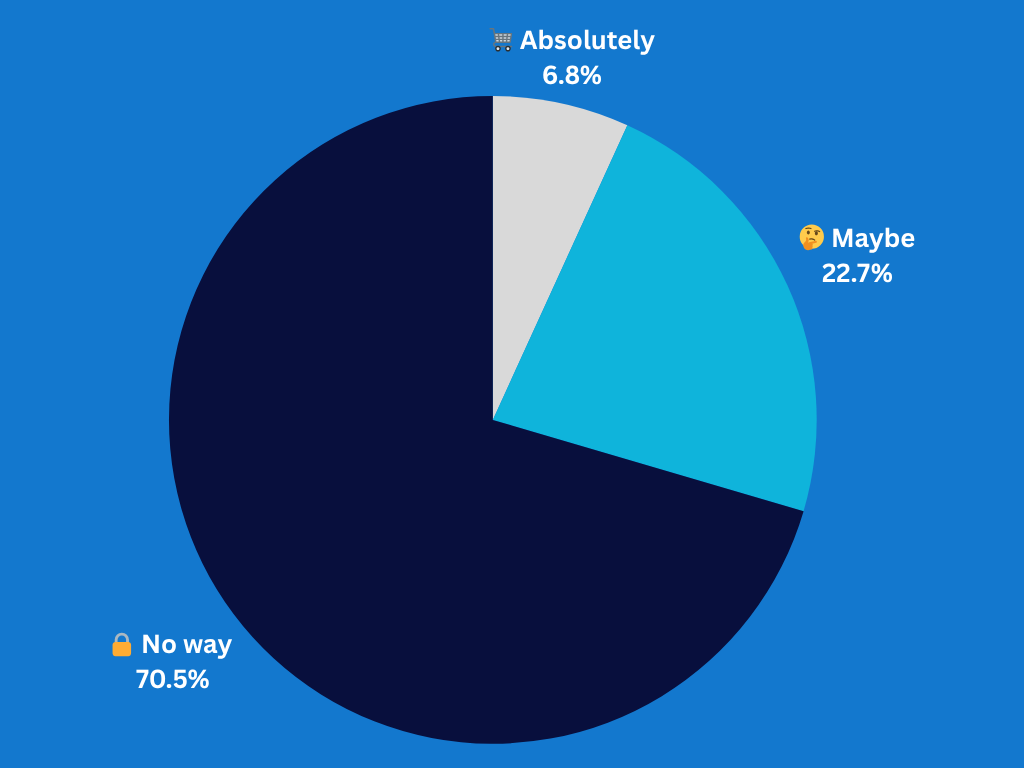
Would you trust ChatGPT to complete a purchase for you? |
|
|
Hollywood's Hottest New Starlet Doesn't Exist |
Imagine finding out your competition doesn't need craft services. AI talent studio Xicoia's virtual starlet Tilly Norwood landed talent-agent calls after one comedy sketch… and human actors had a collective meltdown.
While some, like Lukas Gage, joked she was a "nightmare to work with," the mood mainly was one of fear: SAG-AFTRA blasted the idea as "stolen performances," Emily Blunt called it "really, really scary," and a horrified Toni Collette responded with "😱😱😱😱😱😱😱😱."
Fellow actor and creator Eline Van der Velden claims Tilly is "a new paintbrush," not a replacement, with the stated goal of making her "the next Scarlett Johansson or Natalie Portman." |
Image Source: Particle 6 Productions |
But agents eyeing the synthetic celeb see lower costs, no scheduling drama, and—as critics note—a young actress they can fully control. Unions add that her very existence relies on likenesses scraped from performers who'll never see a residual check.
The brawl revives strike-era fears that studios will quietly swap flesh-and-blood for pixels, especially with Sora-style tools lowering the barrier to photorealism.
Behind the outrage, studios are already testing AI extras and de-aging pipelines, hoping viewers won't notice... or care. If Tilly books a blockbuster before year's end, Hollywood's next red carpet may need a rack of GPUs. Silver lining: At least she can't deliver a disastrous acceptance speech. |
|
|
📈 Turn Cold Contacts Into Hot Leads
Pipedrive Pulse Beta uses AI to score prospects by intent and fire off inbox-ready summaries, giving you a jump on rivals before your second coffee.
🛠️ Tame Your IT Assets Fast This IT Asset Management Software comparison shows the best platforms to slash license waste and stay audit-proof in one handy read. ⚡ Automate Windows Tasks With PowerShell
The Windows Administrator's PowerShell Script Kit delivers 21 plug-and-play Active Directory scripts plus a 17-page guide to wipe out repetitive admin chores for just $19. 💻 This section contains sponsored tech insights. Advertise with us! |
|
|
Databases and Data Architectures |
Manage data or work with database systems? Share your perspectives in DZone's survey on database types, data security and observability techniques and tools, emerging paradigms like vector and AI-assisted DBs, and more. Your input will directly influence DZone's upcoming Trend Report! Take the 8-min survey. |
|
|
Tile Trackers Leak Trails to Stalkers |
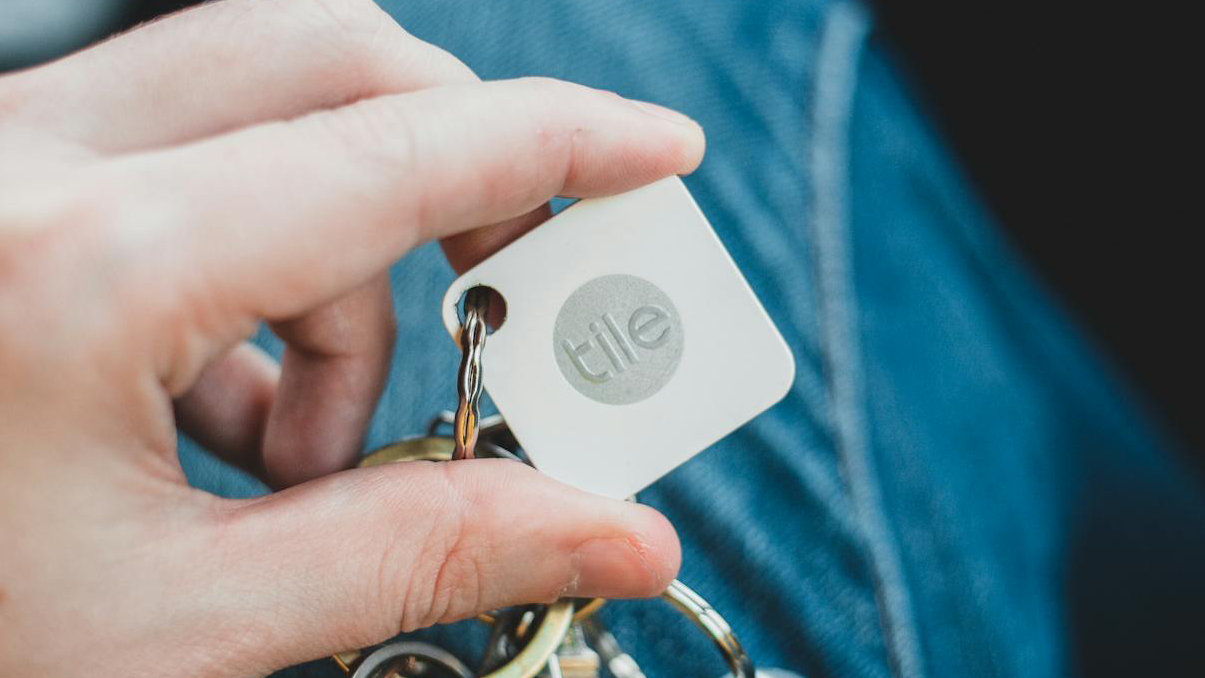
Tile's Bluetooth tags broadcast static MAC addresses and unencrypted, woefully predictable rotating IDs, say Georgia Tech researchers.
This lets anyone with a cheap sniffer chart your every move, and Tile's own servers vacuum up the same data in plaintext. The unencrypted signal can also be replayed to frame you for stalking. |
Worse, Tile's anti-theft mode hides rogue tags from its manual Scan and Secure tool, giving stalkers stealth mode for the price of a photo ID. Tile promises unspecified "improvements," but critics note competitors like Apple rotate identifiers and encrypt data—proof the fix isn't rocket science. It's not a bug, it's a feature. At least, for stalkers. |
WestJet Breach Exposes 1.2M Travelers' Passports |
WestJet recently confirmed June's cyberattack went beyond app outages. Names, birthdays, addresses, passports, loyalty IDs, and even your special accommodation requests and filed complaints flew out the door.
No card numbers were leaked, and your loyalty points are supposedly safe. But free credit monitoring won't mend trust turbulence. The FBI and Transport Canada are investigating, while WestJet works to patch the holes.
Though passwords weren't compromised, passengers are now watching their accounts more closely than the in-flight movie. Hope your vacation pics weren't the only thing stamped this summer. |
Google's Dev ID Rule Puts F-Droid on Edge |
Google will soon require apps installed on certified Android devices, whether through the Play Store or sideloaded, to tie their package ID to a verified developer profile backed by a government-issued ID and a fee.
Google frames it as malware defense after citing 50× more threats from sideloading, conveniently ignoring its own Play Protect service that already zaps known sideloaded malware.
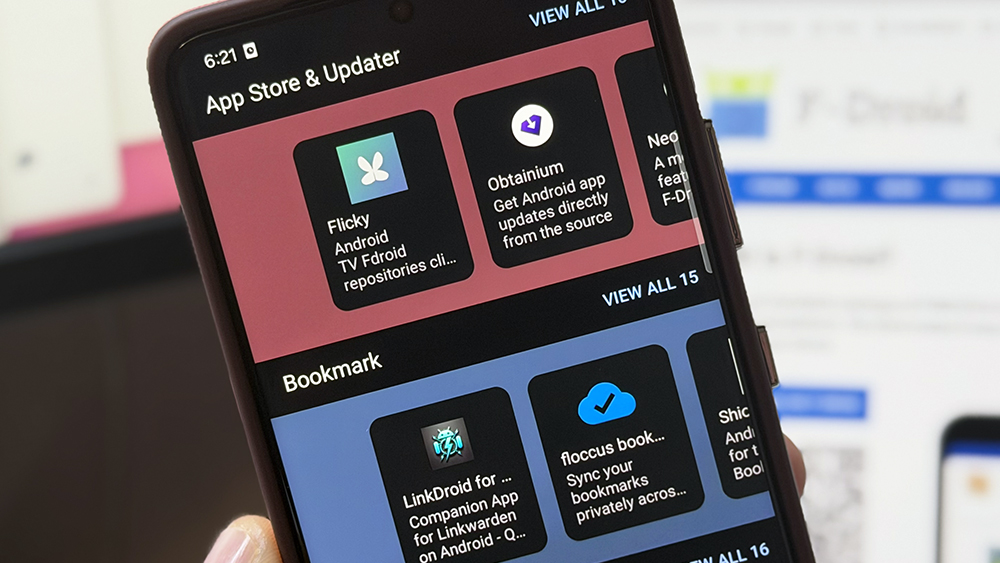
Open-source hub F-Droid says the policy could nuke its 3,000-app catalog. Because F-Droid builds from source and signs apps itself, it can't force hobby devs to register—or hijack their IDs. |
This all means that users might lose a tracker-free alternative overnight, centralizing power in Google's hands just as antitrust courts eye its Play dominance.
Google promises a so-called "hobbyist" tier and states that sideloading isn't going away. Still, its solution is an unscalable system that requires developers to personally collect and register a limited list of user device IDs. Critics see a walled garden under construction.
F-Droid is now urging users to petition regulators from the EU's Digital Markets Act team to US lawmakers, as the clock ticks toward a September 2026 rollout in Brazil, Indonesia, Singapore, and Thailand, with a global push in 2027. Hey Google, the call is coming from inside the sandbox. |
|
|
|
Writer at TechnologyAdvice |
Justin Meyers is an investigative writer and editor who draws on over a decade of meticulous hands-on research to deliver the full, trustworthy story behind consumer and enterprise tech, including cybersecurity. |
|
|
Curious about where AI is really headed? |
The Neuron cuts through the noise to bring you smart, hype-free takes on the latest AI trends, tools, and breakthroughs. Join 500,000+ professionals from top companies like Microsoft, Apple, Salesforce and more.
|
|
|
Advertise in Daily Tech Insider! Daily Tech Insider is a TechnologyAdvice business
© 2025 TechnologyAdvice, LLC. All rights reserved. TechnologyAdvice, 3343 Perimeter Hill Dr., Suite 215, Nashville, TN 37211, USA. |
|
|
|