Inbox invaders ahead, Tech Insiders.
Gemini's Personal Intelligence digs through your digital junk drawer, Stranger Things fans blame ChatGPT for plot holes, and Bluetooth gremlins lurk at 50 feet. Let's unseal the evidence before it self-destructs. |
Note: We are off this Monday for MLK Day. See you back here on Tuesday! |
|
|
Here's what you need to know today: |
|
|
Google's Gemini Gets Personal Intelligence Upgrade |
Gemini now knows what you did last summer.
Google just flipped the privacy switch on its AI play. Personal Intelligence, now in beta, lets Gemini tap Gmail, Photos, Search, and YouTube history to craft freakishly specific responses.
Rolling out this week in the US to AI Pro and Ultra subscribers (personal accounts only) on web, Android, and iOS, the opt-in feature can locate your license plate in a snapshot, cross-reference road-trip pics, and pull receipts to suggest all-weather tires without any extra prompting. Google says owning the entire app stack means tighter integration than rivals that rely on plug-ins.
|
Privacy gets top billing since the feature is off by default, and users pick exactly which apps to connect. Google claims Gemini doesn't train directly on your inbox or photo library; only prompts and responses feed model tuning. Guardrails kick in for sensitive topics, and you can regenerate replies sans personalization or yank access entirely.
By fusing first-party data with Gemini 3's reasoning chops—and with Apple tapping Gemini for the next Siri—Google is betting context, not just model size, will decide the AI assistant wars.
Why it matters: A truly personal AI could shave hours off mundane tasks, from inbox triage to trip planning. But handing your life's receipts to a chatbot leaves many wondering if it's the ultimate productivity hack or privacy Russian roulette? Plus, Google warns of "over-personalization," so if you stand near a putting green once, Gemini might mistakenly decide you're a golf fanatic.
|
|
|
Would you let Gemini sift through your Gmail to personalize answers? |
|
|
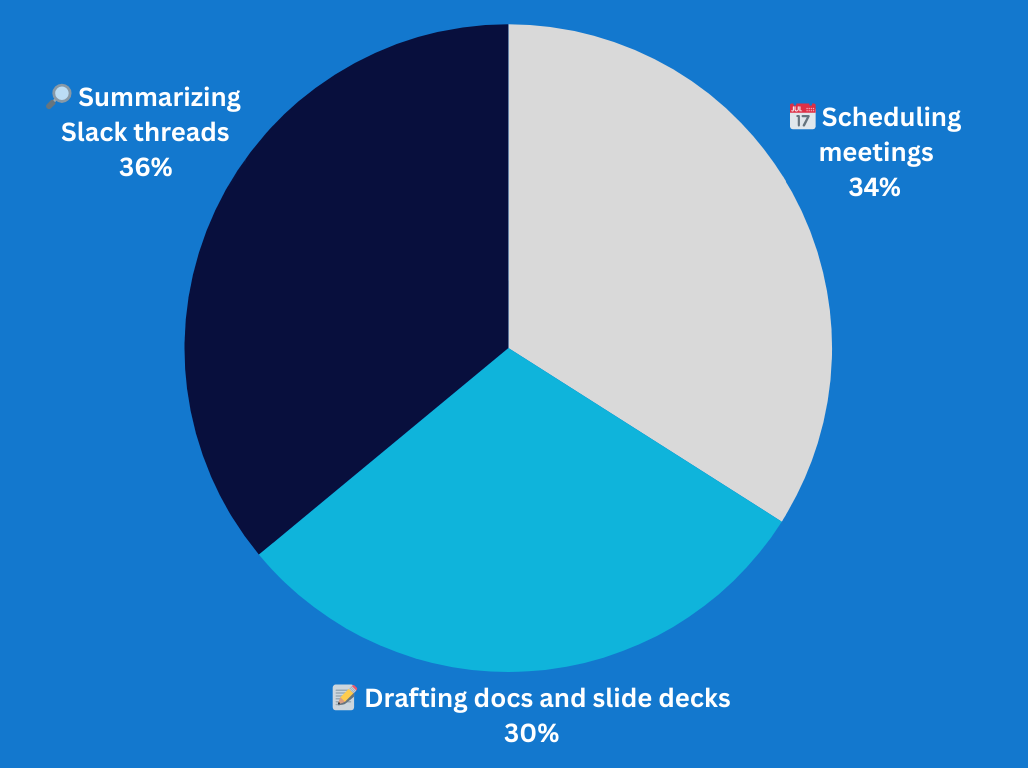
Results from Yesterday's Pulse Check |
Which office task would you trust AI with first? |
|
|
ChatGPT Rumor Swirls Around 'Stranger Things' Finale |
Screenshot sleuths think the Upside Down wrote the script. A blink-and-you-miss-it frame in Netflix's "One Last Adventure" doc shows what fans swear are ChatGPT tabs peeking out beside a Duffer brother's Google Doc.
Within hours, X, TikTok, and Reddit erupted with freeze-frames and hot takes, accusing the brothers of outsourcing the finale to a bot—a theory that conveniently explains its messier bits. |
Martina Radwan, the documentary director, quickly doused the flames, insisting she never saw any unethical AI use in the writers' room and doubting a chatbot could wrangle 19 characters and a dozen locations under a Netflix deadline that ticked louder than Vecna's grandfather clock. She argues it was likely open for quick fact-checks, which is hardly a smoking Demogorgon, yet the theory keeps spreading faster than the Mind Flayer's vines.
The pile-on, though, may hide bigger grievances. Fans have been dissecting the finale's plot holes since it premiered. Fans aren't just mad at a blurry tab; they're reeling from the weak excuse of "Demo fatigue" for the lack of Demogorgons in The Abyss, or the total silence on how the gang ambushed Vecna despite his psychic link to Will. Blaming ChatGPT just gives that disappointment a handy villain.
Maybe the real monster was our expectations all along. |
|
|
📧 Compare Top Email Marketing Platforms Now Dive into the Best Email Marketing Software and find the tool that lifts open rates without lifting your budget.
💬 Take the 2025 Dev Stack Survey
Complete the DZone's 2025 Community Survey for a chance to score up to $300 in gift cards plus exclusive DZone swag while steering the tutorials and tools you'll see next.
🛡️ Download Cyber Insurance Template Grab TechRepublic's Cyber Insurance Policy guide for plug-and-play wording to guard your org (and career). 💻 This section contains sponsored tech insights. Advertise with us! |
|
|
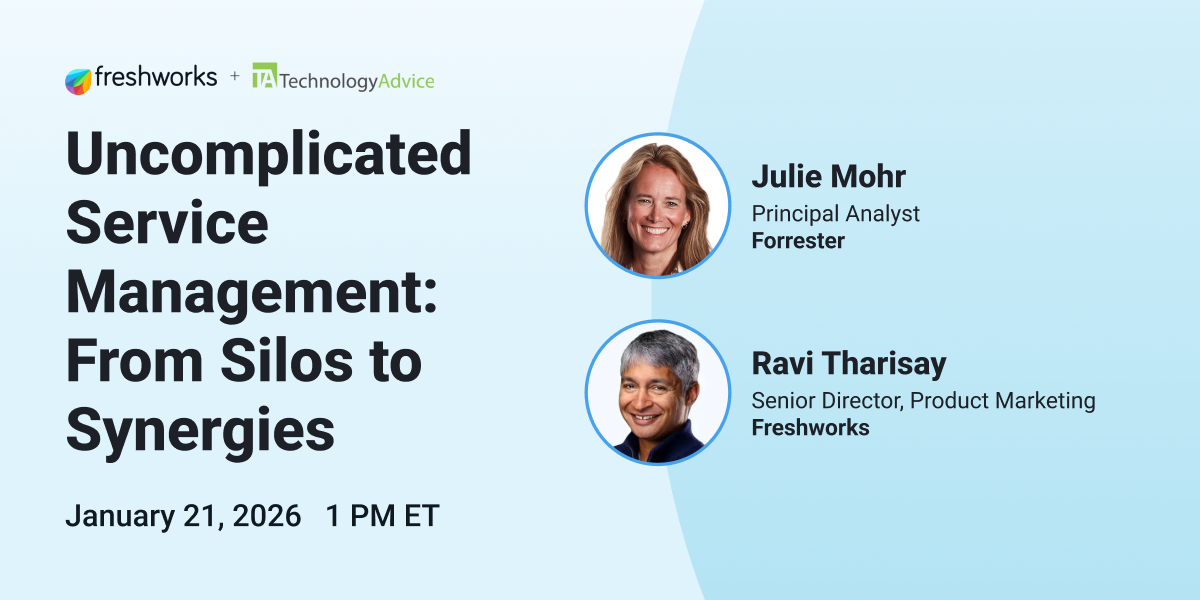
Unlock Smarter Service Management |
Siloed service management limits growth. Join TechnologyAdvice in collaboration with Freshworks on Jan. 21 at 1:00 p.m. ET to learn how teams are creating alignment across the enterprise with smarter service strategies. Get the insights you need to move from complexity to clarity. |
|
|
'WhisperPair' Lets Hackers Hijack Your Headphones |
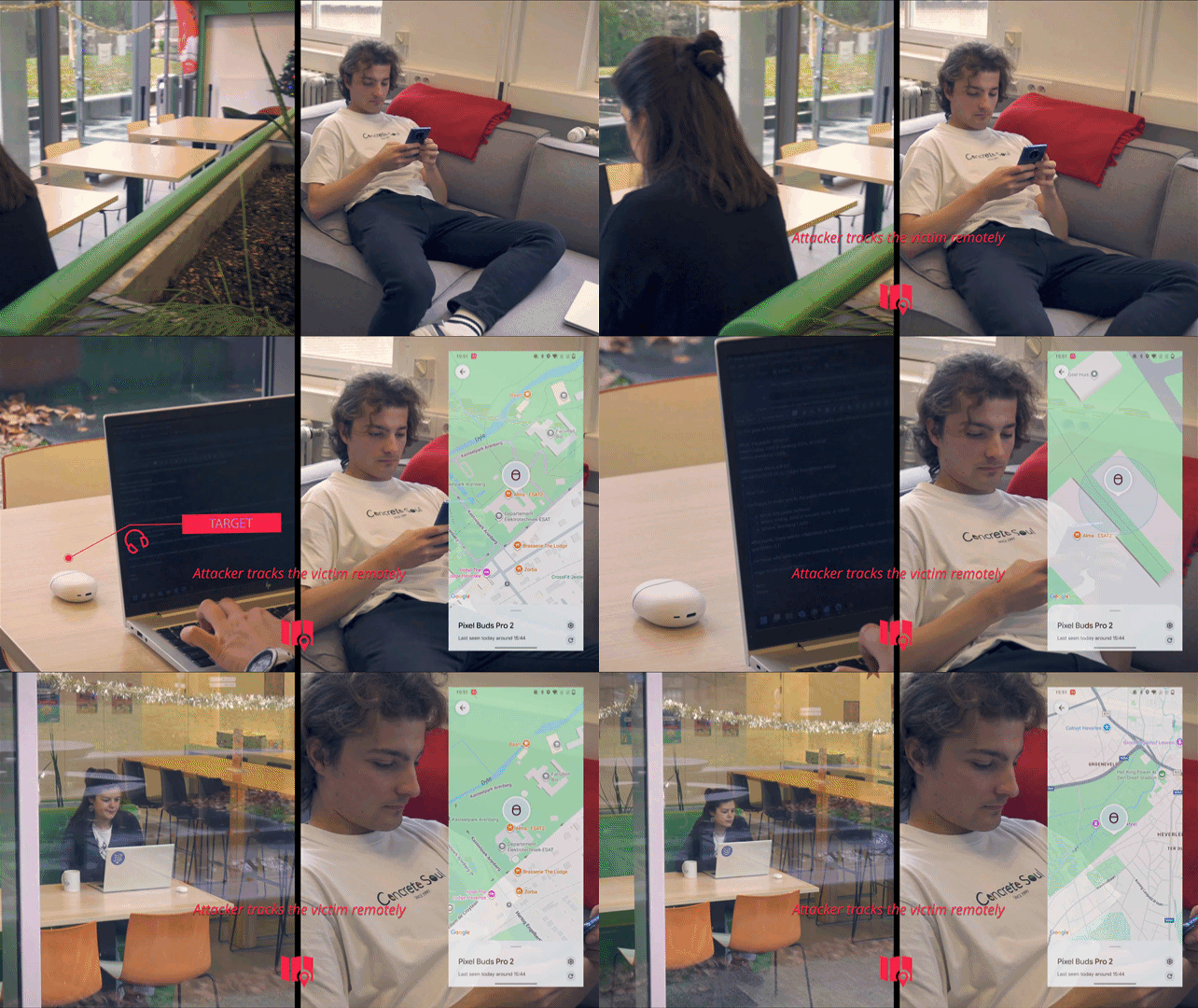
WhisperPair, discovered by researchers at Belgium's KU Leuven, exploits sloppy Fast Pair code in the Sony WH-1000XM6, Pixel Buds Pro 2, Nothing Ear (a), and 14 other wireless models.
An attacker within ~50 feet can silently pair in 10 seconds, blast audio, flip on mics, or even track you via Google's Find Hub—yes, even if you use an iPhone. |
There's no toggle; the only fix is a firmware update through each brand's app, followed by a factory reset to kick off intruders.
Check WhisperPair's site for your model, install patches, prune old pairings, and keep Bluetooth off in crowded places. TL;DR: update your buds before they spill yours. Earbuds shouldn't double as wiretaps, so patch 'em ASAP. |
Modular DS Bug Lets Anyone Hijack WordPress Admin |
The login screen is apparently just a suggestion now. An actively exploited (critical) flaw in Modular DS (v2.5.1 or earlier), a centralized multisite management tool deployed on 40,000+ sites, allows unauthenticated attackers to auto-login as admin.
White-labelers: Checking your list for "Modular" won't save you; you must also update your custom-named plug-ins. Exploits dropping rogue "PoC Admin" accounts began Jan. 13 from five confirmed attacker IPs. Patch to v2.5.2 immediately. Then, scour logs for /api/modular-connector/login/, delete strange admins, regenerate salts, rotate OAuth keys, and scan. Can't patch? Disable the plug-in or block the endpoint. |
Skild AI Scores $1.4 Billion to Power Every Robot |
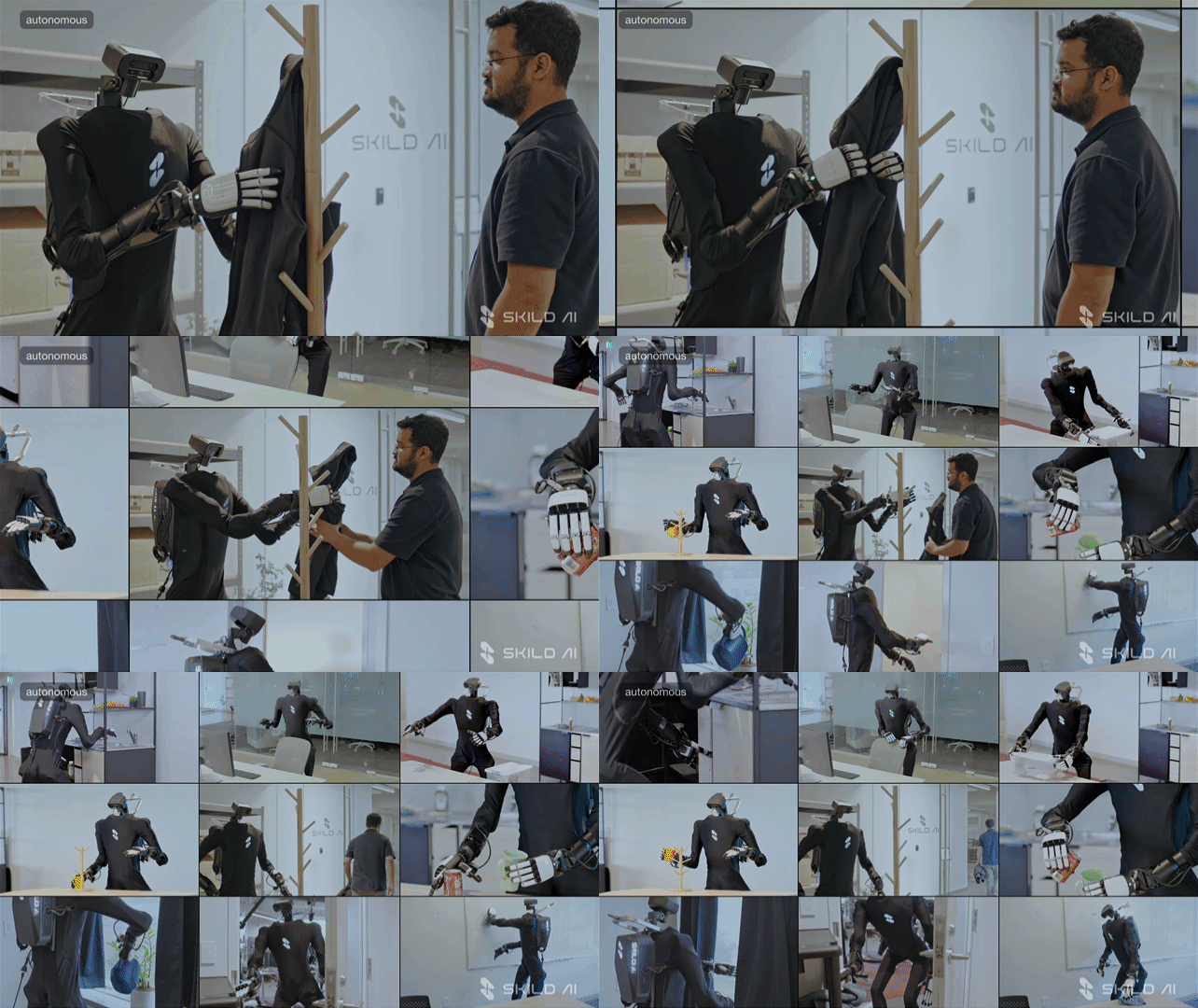
Robotics startup Skild AI just leapt from venture darling to mega-unicorn, closing a $1.4 billion Series C led by SoftBank that pegs the Pittsburgh outfit at $14 billion, triple its valuation seven months ago.
The cash fuels the Skild Brain, a unified foundation model meant to drop into any machine—humanoid, quadruped, warehouse arm—and let it work straight away without body-specific retraining. Think ChatGPT, but for pick-and-place, stair-climbing, or brewing your morning latte. |
Backers read like an AI all-star roster: NVentures (Nvidia), Bezos Expeditions, Samsung, LG, Sequoia, Coatue, and a dozen others piled in, betting that software, not shiny metal, will decide who wins the coming robot boom.
Skild claims $30 million in 2025 revenue from pilots in places like LaGuardia Airport, factories, data centers, and last-mile delivery, and says every deployment spins its "data flywheel," making the brain smarter across all bots. Cofounders Deepak Pathak and Abhinav Gupta argue that training on human videos plus physics sims lets the model adapt on the fly, even if a limb jams or the chassis changes entirely. Next stop: rolling the brain into consumer household helpers once the enterprise cash registers start ringing. One software update and your vacuum might moonwalk to celebrate. |
|
|
|
Writer at TechnologyAdvice |
Justin Meyers is an investigative writer and editor who draws on over a decade of meticulous hands-on research to deliver the full, trustworthy story behind consumer and enterprise tech, including cybersecurity. |
|
|
Curious about where AI is really headed? |
The Neuron cuts through the noise to bring you smart, hype-free takes on the latest AI trends, tools, and breakthroughs. Join 500,000+ professionals from top companies like Microsoft, Apple, Salesforce and more.
|
|
|
Advertise in Daily Tech Insider! Daily Tech Insider is a TechnologyAdvice business
© 2026 TechnologyAdvice, LLC. All rights reserved. TechnologyAdvice, 3343 Perimeter Hill Dr., Suite 215, Nashville, TN 37211, USA. |
|
|
|