Housekeeping time, Tech Insiders.
Robots are folding laundry, Wikipedia is passing the hat to Big Tech, and hackers are pawning corporate blueprints while McConaughey trademarks his drawl. Let's see who pays the cleaning bill in this episode. |
|
|
Here's what you need to know today: |
|
| Neo Teaches Itself With Video-First 'World Model' |
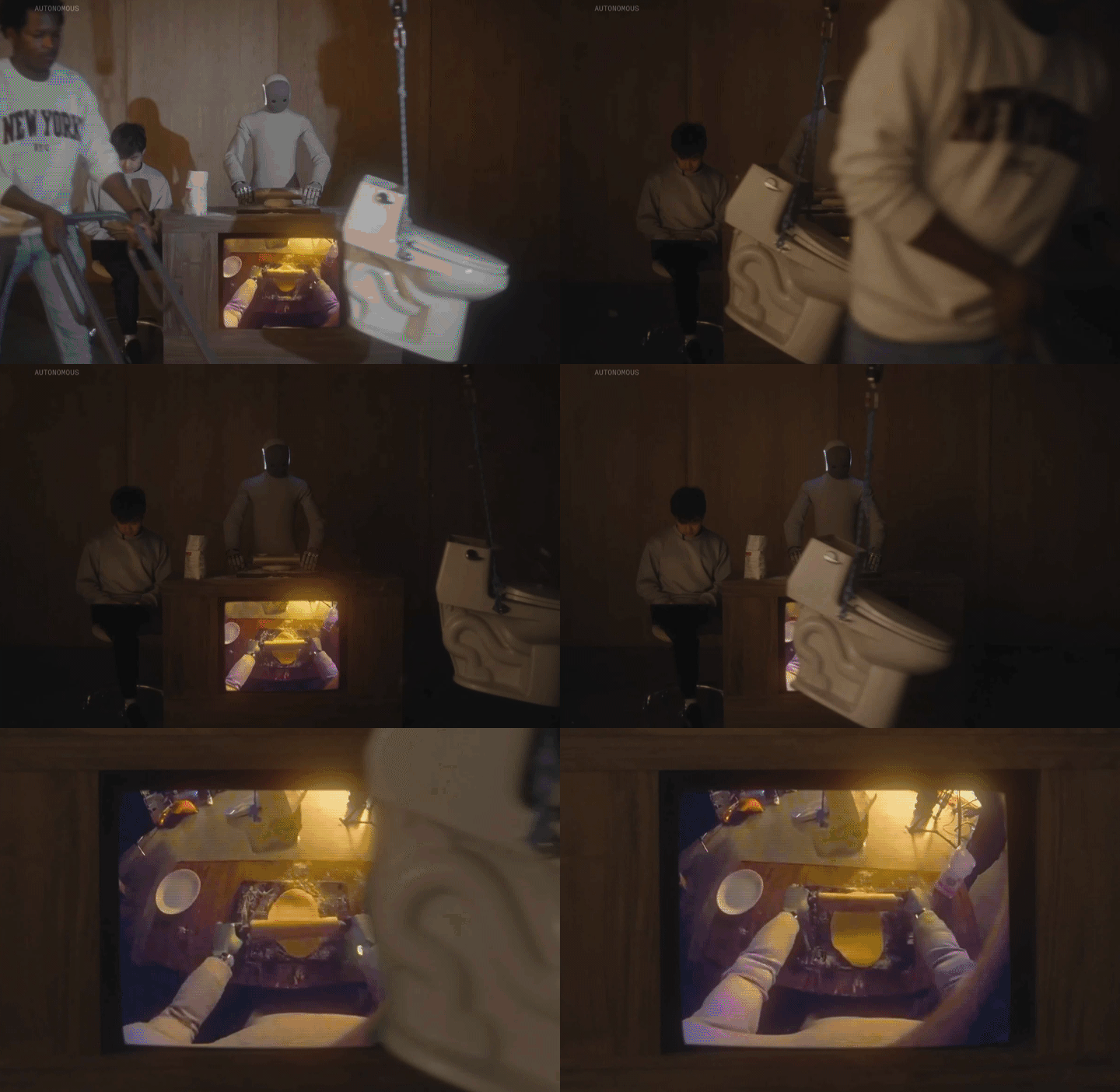
Who knew binge-watching YouTube could count as robotics R&D? 1X has plugged a 14-billion-parameter 1X World Model (1XWM) into its $20K NEO humanoid, letting the bot learn chores from internet-scale video instead of endless human tele-ops. When you type or say a prompt (think "pack the lunchbox"), NEO first imagines a short, physics-correct video of itself nailing the task. An inverse-dynamics sidekick then translates each frame into motor commands, so the robot's arms replicate what its virtual self just rehearsed. |
Early demos show NEO yanking tissues, ironing shirts, and even brushing hair without prior examples. However, 1X admits the system still hallucinates physics occasionally, requiring them to generate multiple options and cherry-pick the best one. Starting this year, Early Access units ship for $20K or $499/month. That's roughly the price of a used Civic.
If you have the cash to throw down on a robot friend/helper, read the fine print first. A subscription implies a "social contract" where remote human operators may view the robot's camera feed to ensure safety, so maybe don't leave Neo in the bedroom.
While startup Skild AI just raised $1.4 billion to build a universal "brain" for industrial bots, 1X bets the humanoid form and the web's collective "how-to" archive win the home.
Why it matters: If a robot can teach itself new tricks as fast as TikTok trends spread, your Saturday chore list could plummet. Today it folds laundry; tomorrow it may assemble IKEA furniture, assuming you're comfortable with a camera-equipped houseguest that never sleeps. |
|
|
What's your biggest worry about a self-learning robot roommate? |
|
|
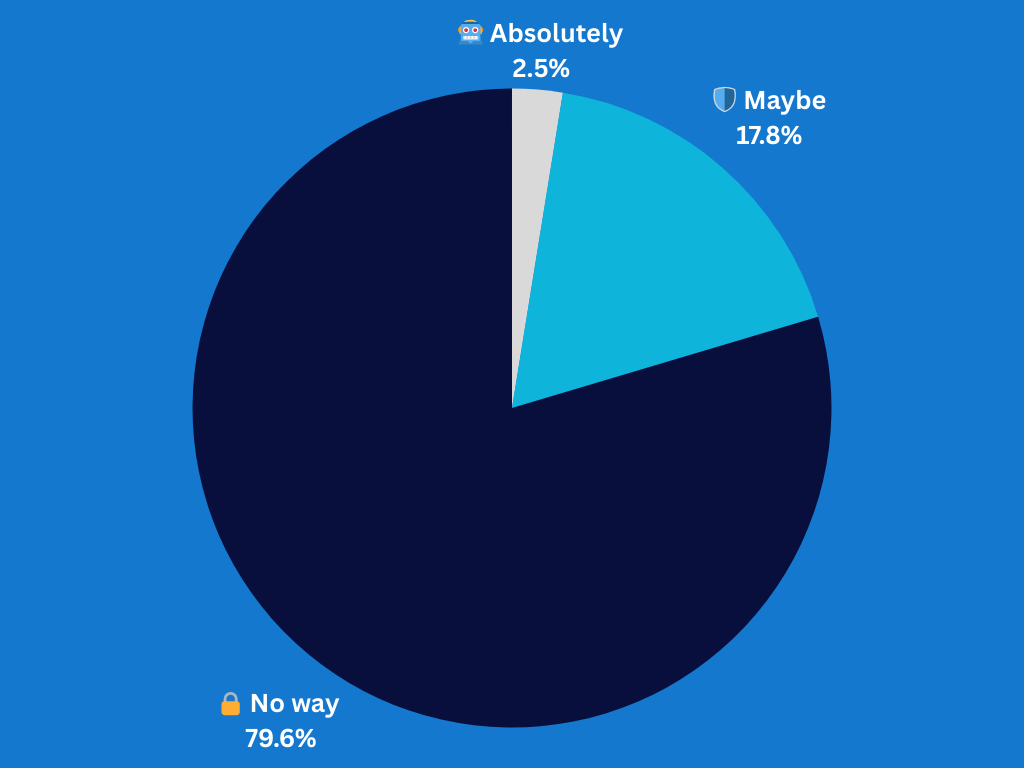
Results from Friday's Pulse Check |
Would you let Gemini sift through your Gmail to personalize answers? |
|
|
Wikipedia Cashes In on Big Tech |
Turns out free knowledge now comes with a service charge. On Wikipedia's 25th birthday last week, the nonprofit ramped up an existing revenue stream: Big Tech.
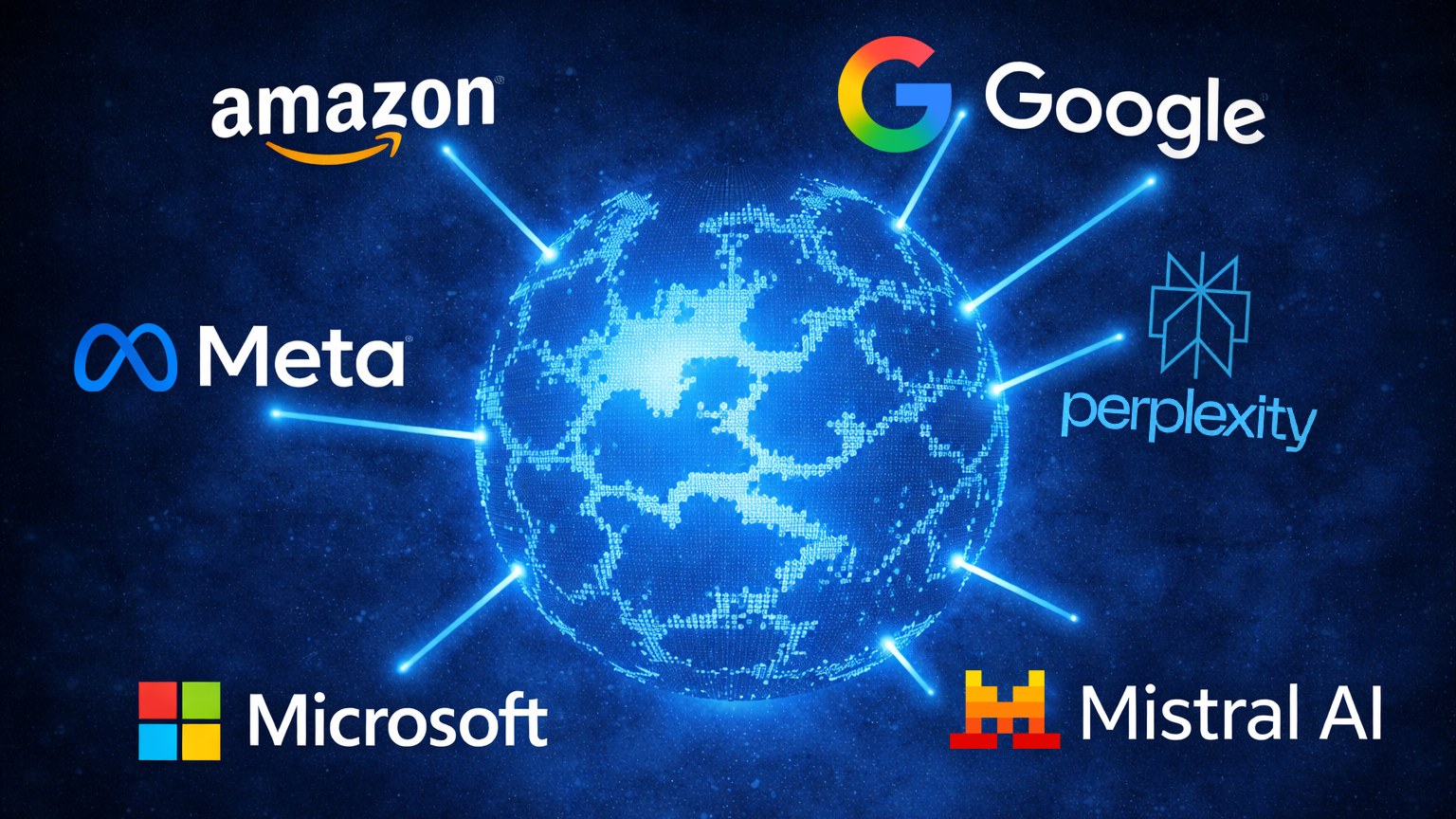
Microsoft, Meta, Amazon, Mistral AI, and Perplexity have joined Wikimedia Enterprise, paying for a high-speed API that pipes 65 million articles straight into their AI models, replacing the old scrape-and-pray routine.
Why whip out the wallets? Survival. Massive, automated scraping ballooned server bills (bots accounted for 65% of the heaviest traffic) just as human page views dropped 8%. |
Image created with ChatGPT |
Enterprise President Lane Becker says the foundation finally built the "premium plumbing" that nudges companies off the free firehose and onto a contract that keeps the lights on and the editors editing. The deal flips the usual copyright drama on its head. Content stays free under Creative Commons; partners simply pay for priority speed, structure, and uptime.
Google signed in 2022, and with the rest of the AI megacaps now on board, most of the industry's heavy hitters train on paid-for wiki juice. Notably absent? Elon Musk's xAI, which is presumably too busy scraping that same free data for Grokipedia to actually pay for it.
The timing is slick for new Wikimedia Foundation CEO Bernadette Meehan, who takes the helm today. She inherits servers, 250,000 volunteer editors, and a fresh reminder that even AI needs someone's footnotes. Guess that donation banner finally got a corporate upgrade. |
|
|
Unlock Smarter Service Management |
Final call: Service management is evolving, and siloed approaches are falling behind. Join TechnologyAdvice and Freshworks on Jan. 21 at 1:00 p.m. ET to see how organizations are creating synergy across teams. Don't miss this conversation. |
|
|
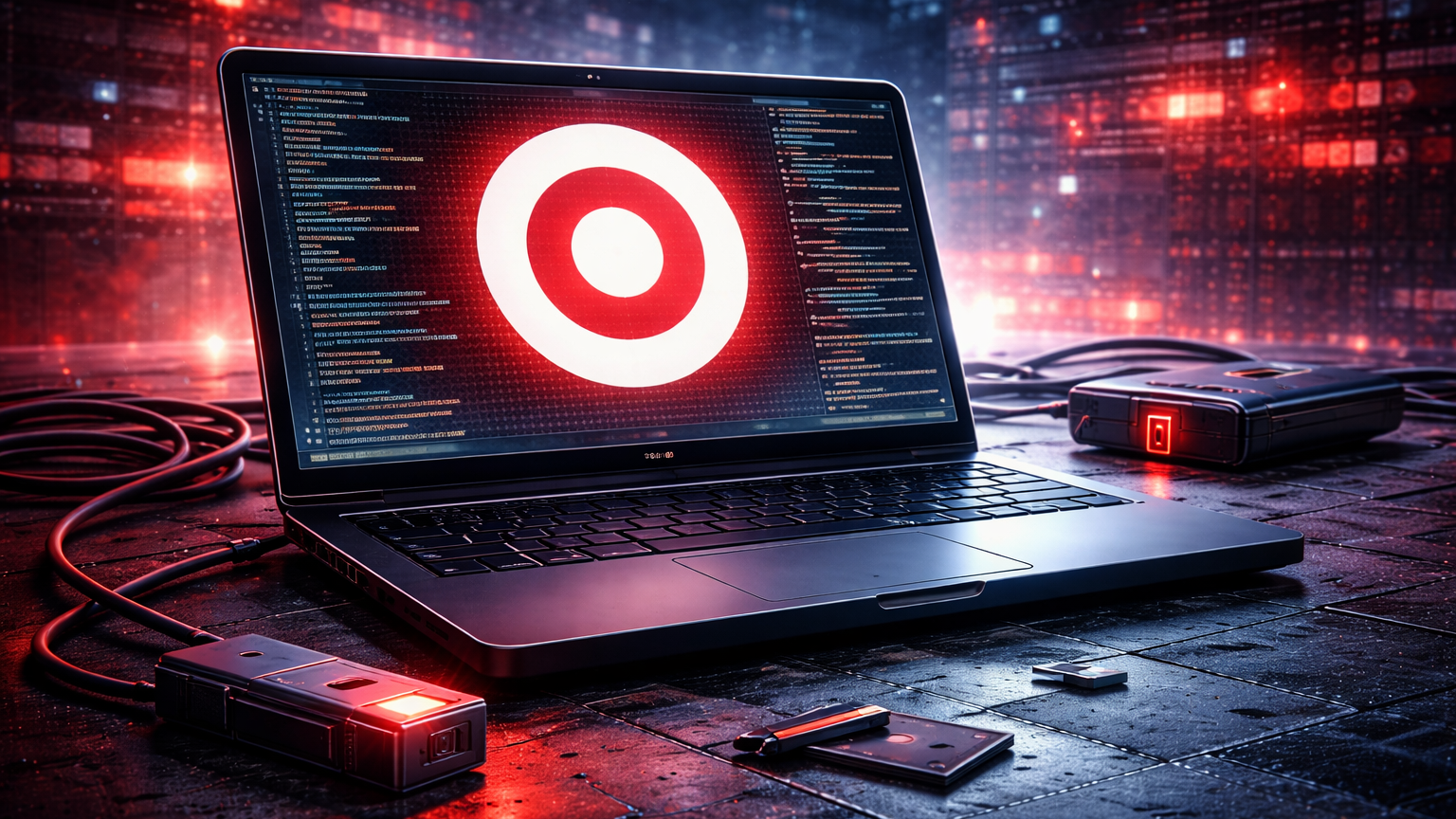
Target Locks Down Repo After 860 GB Source Code Heist |
Image created with ChatGPT |
This is a theft of infrastructure "blueprints," not a customer database dump (yet), but exposed source reveals logic flaws and hard-coded secrets. Rotate reused Target passwords, enable MFA, and watch for spear-phishing that name-drops internal codenames. Security teams must scrub code for keys before bad actors do.
Maybe hold off on gift cards until Target confirms that specific code wasn't compromised. |
Grubhub Breach Spurs Phishing Fears, ShinyHunters Demand |
Grubhub confirmed that crooks looted its Zendesk support data and are now threatening leaks, reportedly linked to ShinyHunters. No card numbers or main order databases were taken, but tickets expose names, emails, phone numbers, and occasional order details, prime bait for "your order's delayed" scams.
Hackers vow to dump older 2025 Salesforce files plus fresh Zendesk records unless paid in Bitcoin.
Investigators tie the hit to credentials swiped in the August 2025 Salesloft Drift OAuth spree that rattled 30+ firms. Grubhub alerted police and rotated compromised system keys.
Reset passwords, enable MFA, mask your contact info with alias tools, and treat surprise delivery texts like three-day-old fries. If a "driver" offers 10× crypto returns for your burrito, ghost 'em. |
McConaughey Trademarks Himself, Rattles Hollywood's AI Future |
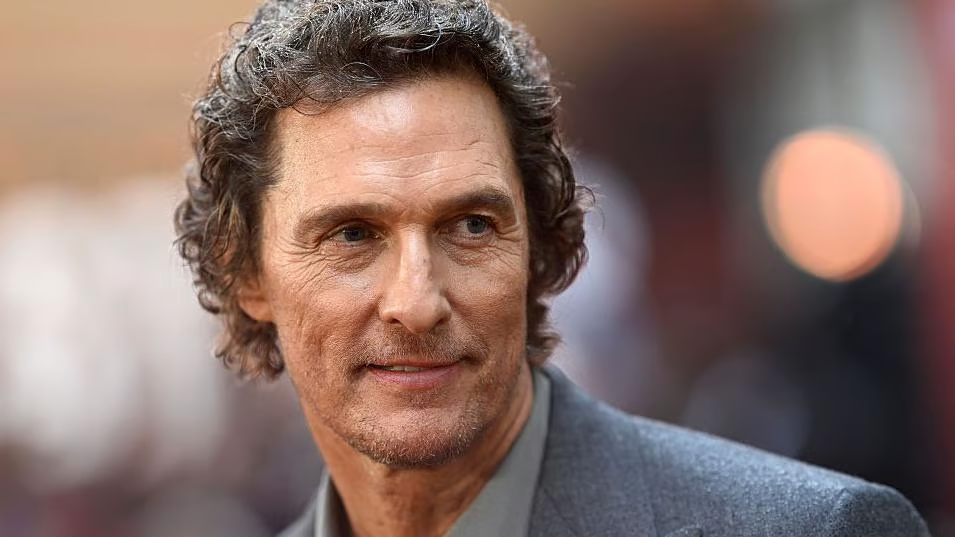
Last week, Matthew McConaughey erected a federal trademark moat around his brand, winning eight USPTO registrations that lock down video clips of his face, his Texas-drawled "Alright, alright, alright," and even a specific porch stare.
The actor's legal team says the marks create rapid-fire grounds to sue under federal law, adding muscle to patchy state publicity rules, against any AI outfit that clones his likeness without permission. It is a novel strategy meant to deter deepfakes before they go viral.
|
The twist? McConaughey isn't anti-AI. He's an investor in ElevenLabs and uses the startup to release a Spanish version of his "Lyrics of Livin'" newsletter in his own synthetic voice. However, unlike fellow legend Michael Caine, McConaughey hasn't listed his voice on the platform's public marketplace... at least not yet. By drawing a bright consent line, the actor signals that AI collaboration is welcome, but strictly on his terms.
Talent lawyers predict a stampede of filings from actors, athletes, and politicians eager to fence off catchphrases and facial tics before generative-video tools scrape them.
If courts uphold McConaughey's gambit, AI developers could face a minefield of celebrity trademarks, forcing pricey licensing deals or wholesale model retraining. Note to fledgling chatbots: The next bot that says "all right" thrice may need a lawyer on speed dial. |
|
|
|
Writer at TechnologyAdvice |
Justin Meyers is an investigative writer and editor who draws on over a decade of meticulous hands-on research to deliver the full, trustworthy story behind consumer and enterprise tech, including cybersecurity. |
|
|
Curious about where AI is really headed? |
The Neuron cuts through the noise to bring you smart, hype-free takes on the latest AI trends, tools, and breakthroughs. Join 500,000+ professionals from top companies like Microsoft, Apple, Salesforce and more.
|
|
|
Advertise in Daily Tech Insider! Daily Tech Insider is a TechnologyAdvice business
© 2026 TechnologyAdvice, LLC. All rights reserved. TechnologyAdvice, 3343 Perimeter Hill Dr., Suite 215, Nashville, TN 37211, USA. |
|
|
|