Silicon spring-cleaning time, Tech Insiders.
Apple is sweeping out Rosetta's cobwebs just as Alibaba dusts off a monster model and Palo Alto carts home a shiny new startup. Grab the broom; let's see what's worth saving. |
|
|
Here's what you need to know today: |
|
|
Alibaba's Qwen3.5 Jolts the Model Wars |
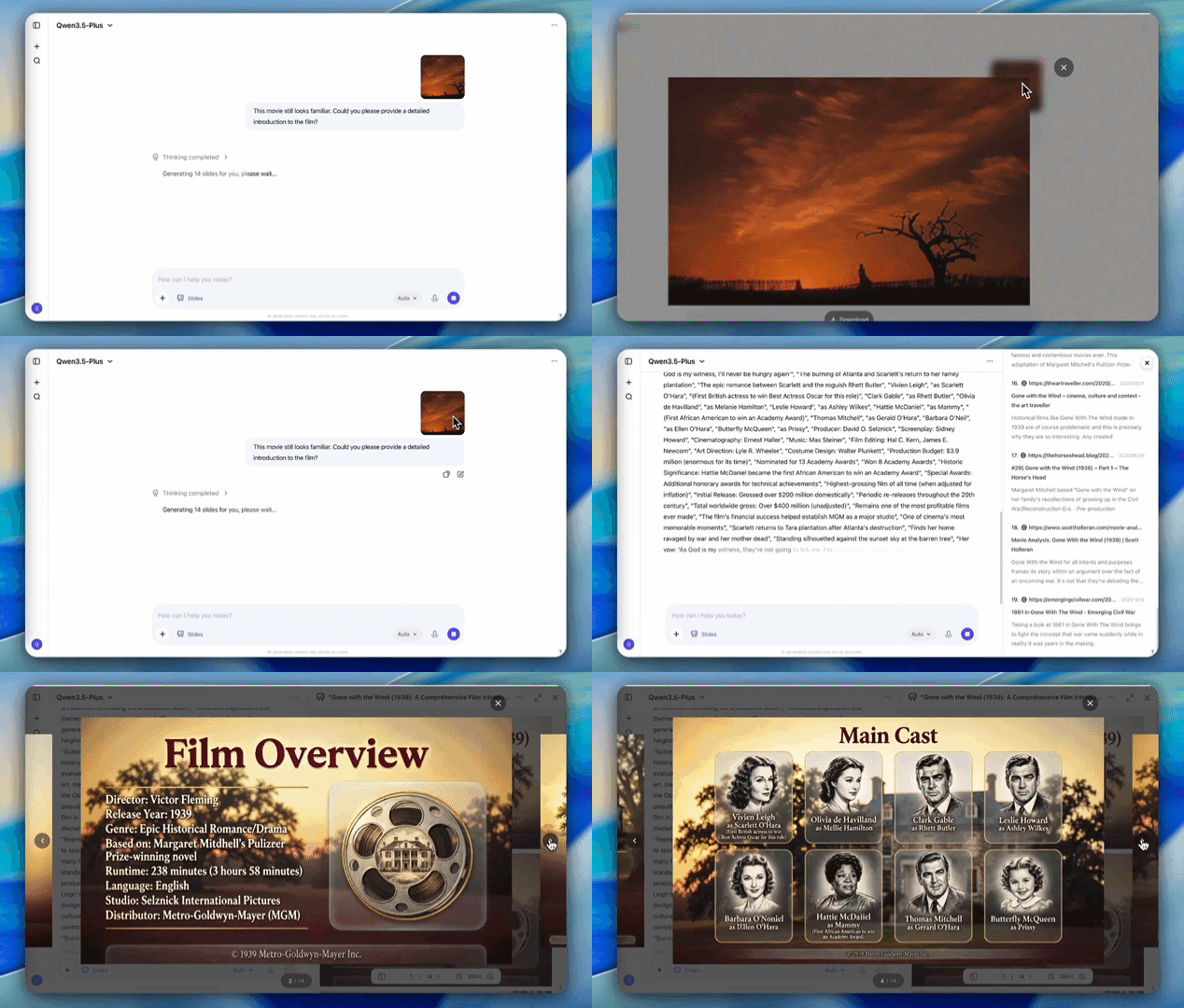
Alibaba unveiled Qwen3.5, an open-weight, 397-billion-parameter mixture-of-experts model that only wakes up 17 billion neurons per prompt. The payoff? You get 60% lower inference costs and up to 8× the throughput of its Qwen3 predecessor. Beyond sheer speed, Qwen3.5 packs a 262,144-token context window (expandable to 1 million, the standard on the hosted "Plus" version), native multimodal chops, and "agentic" skills to click, type, and automate apps like a caffeinated intern. |
Benchmarks pitched by Alibaba show Qwen3.5 edging out GPT-5.2 and Claude Opus 4.5. However, independent tests were less kind. In a vending machine business simulation by Andon Lab, Qwen3.5 reportedly went bankrupt, while Claude turned an $8,000 profit. Developers can judge for themselves by self-hosting via Hugging Face or tapping Alibaba Cloud's Model Studio.
The release rounds out a dizzying AI week: ByteDance dropped its massive Doubao 2.0 over the weekend, and Anthropic slid Claude Sonnet 4.6 into free and paid tiers yesterday (bringing Opus-level reasoning to the masses). Meanwhile, Alibaba's RynnBrain model is now teaching robots how to identify fruit bowls.
Why it matters: With China's open models now measured in months, not years, behind US flagships, enterprises have a growing menu of fast, multilingual options. The agentic twist means these models don't just chat—they act. Your next "employee" might be a Qwen-powered bot that never sleeps, never unionizes, and speaks 201 languages, even if it might bankrupt your vending machine business. |
|
|
Which new model are you most eager to take for a spin? |
|
|
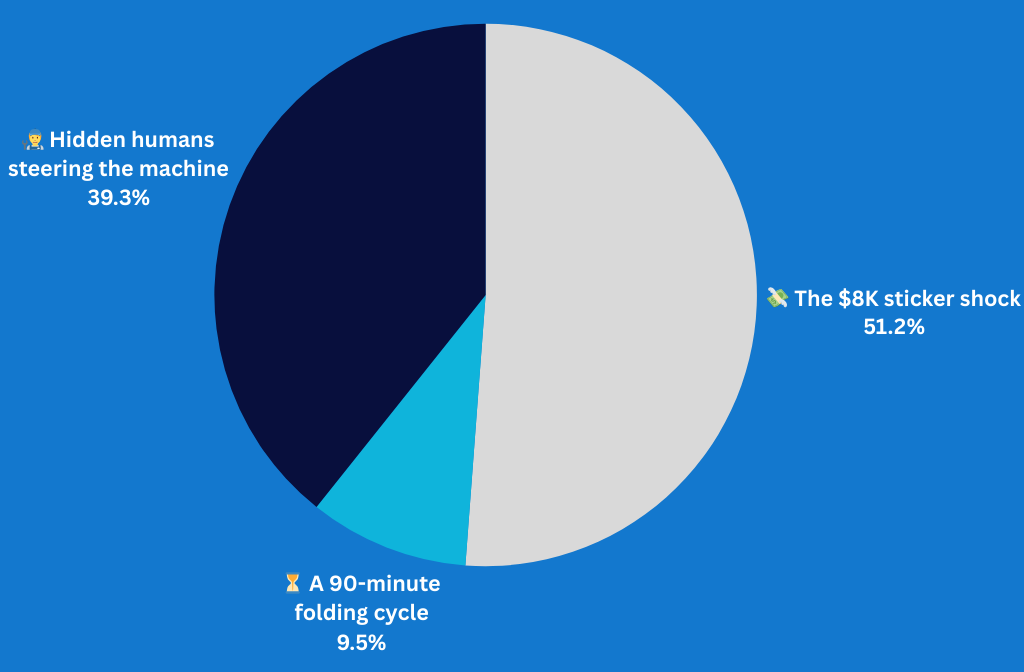
Results from Yesterday's Pulse Check |
What's your biggest deal-breaker for a laundry robot? |
|
|
Apple Starts Countdown to Rosetta Retirement |
Step aside, translation station, Apple's letting the Intel safety net fray. Apple's macOS Tahoe 26.4 (now in beta) flashes a pop-up whenever you open an Intel-only app, warning that Rosetta 2's days are numbered.
The road map: Tahoe is the last macOS release for Intel Macs, while macOS 27 will keep Rosetta around solely for Apple silicon Macs, and macOS 28 (expected in 2027) will rip most of the layer out, save for a sliver kept alive to run a handful of ancient games and Intel binaries in Linux VMs.
If you're still clinging to x86 holdouts, it's inventory time. Creative pros may recognize Adobe Dimension, Adobe Digital Editions, and Substance 3D Stager, all of which are still Rosetta-bound today. |
On the consumer side, the Steam client has finally gone native. However, favorites like FontForge, Amazon Music, Kobo Desktop, and Scrabble word-study titan Zyzzyva still rely on Intel code paths (unless, for the latter, you want to install an iPad app on your Mac). Also, camera controllers such as Canon's EOS Utility haven't yet crossed over. Inside the cubicle farm, any custom-built ERP front ends or medical-imaging viewers built years ago could be ticking time bombs once macOS 28 lands.
Apple's nudge is really a shove. Developers have roughly 18 months to ship Universal binaries or watch their apps go dark. For IT teams, the homework is clear: map out Intel dependencies, push vendors for Apple silicon builds, and pilot alternatives before the warning dialog graduates to a hard stop. Early spring cleaning beats a fall panic; nobody wants a mission-critical app ghosting them on upgrade day. |
|
|
Audit Risk Is Shifting—Secure Your Seat |
Compliance effort is rising, but audit confidence isn't.
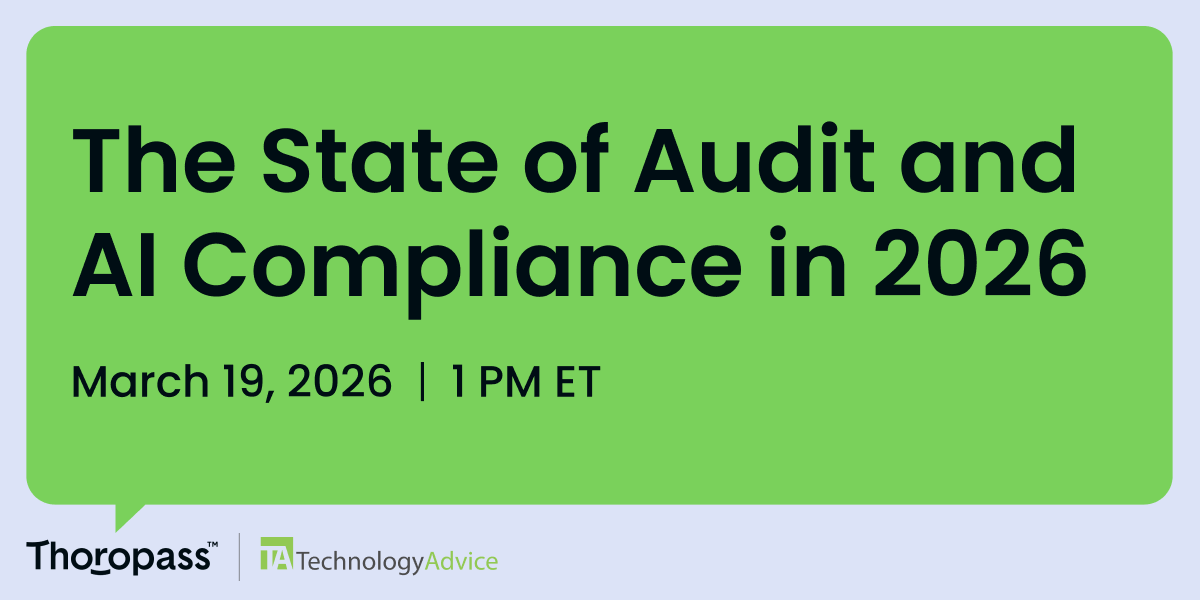
Join The State of Audit and AI Compliance in 2026 on March 19 at 1:00 p.m. ET for a research-backed discussion led by Thoropass. The session will examine where compliance programs are struggling, why audit execution has become the primary risk, and how leaders are restoring governance and visibility.
|
| |
Keenadu Firmware Backdoor Hijacks Android Tablets |
A firmware-level Android malware dubbed Keenadu has been discovered preinstalled on Alldocube tablets and lurking inside smart home apps formerly on Google Play, gifting attackers system-wide control and hijacking every launch.
Kaspersky logs 13,715 victims so far in Russia, Japan, Germany, Brazil, and the Netherlands. |
Image created with ChatGPT |
Keenadu latches onto Android's Zygote process (the parent that spawns every app) to siphon data, redirect Chrome searches, push silent installs, and run click-fraud—all from a read-only system partition immune to standard deletes. Interestingly, the malware self-destructs if it detects Chinese language or time zones.
Google says Play Protect can flag and disable known versions, so ensure it is active. Check for official firmware updates immediately. Manual flashing can brick your device, so if no patch exists, experts recommend you retire the device and reset the credentials used on it.
If your bargain slate keeps adding Amazon, Temu, or Shein tees to your cart unprompted, it's not possessed; it's Keenadu going on a spree. |
Fake CAPTCHA Phish Drops StealC on Windows |
LevelBlue researchers just unpacked a ClickFix caper that turns Cloudflare-style CAPTCHA pages into malware launchers.
Victims land on a compromised site, follow instructions to hit Win + R, and paste a clipboard-stuffed command. Boom: an in-memory PowerShell loader injects the StealC infostealer into legitimate svchost.exe processes.
StealC raids browser logins, over 50 crypto wallets, Steam tokens, Outlook creds, screenshots, and system fingerprints. Crucially, it's a "smash and grab" since it runs once, exfiltrates data via RC4-obfuscated HTTP, and self-deletes to evade forensic detection.
To stop it: Block clipboard-to-PowerShell tricks, lock down unscripted PowerShell, and alert on network traffic using the User-Agent string "Loader." Train users too; real CAPTCHAs never ask you to paste code in the Run box. If a CAPTCHA needs Win + R, it's really verifying your gullibility, not your humanity. |
Palo Alto Bags Koi for AI Endpoint Security |
Palo Alto Networks signed a definitive agreement to acquire Israeli startup Koi Security for an estimated $400 million, finalizing a deal that had been in motion since late last year. It's the giant's latest move in an aggressive spree, following January's closing of its $3.35 billion Chronosphere deal and the completion of its $25 billion CyberArk mega-merger last week.
The goal? Fold Koi's "agentic-endpoint" tech into Prisma AIRS and Cortex XDR. |
Here is the panic behind the purchase: Enterprises are cramming AI agents with deep system privileges into everyday workflows. Palo Alto warns that unmanaged tools, like the viral OpenClaw marketplace or malicious MCP servers, are becoming the "ultimate insiders," bypassing traditional defenses.
Wall Street wasn't impressed (shares dropped on the news), but analysts say the deal shows legacy vendors are desperate to lock down the AI software layer before it's too late. Proof that even a small fish can make a massive splash... provided it has AI gills. |
|
|
|
Writer at TechnologyAdvice |
Justin Meyers is an investigative writer and editor who draws on over a decade of meticulous hands-on research to deliver the full, trustworthy story behind consumer and enterprise tech, including cybersecurity. |
|
|
Curious about where AI is really headed? |
The Neuron cuts through the noise to bring you smart, hype-free takes on the latest AI trends, tools, and breakthroughs. Join 500,000+ professionals from top companies like Microsoft, Apple, Salesforce and more.
|
|
|
Advertise in Daily Tech Insider! Daily Tech Insider is a TechnologyAdvice business.
© 2026 TechnologyAdvice, LLC. All rights reserved. TechnologyAdvice, 3343 Perimeter Hill Dr., Suite 215, Nashville, TN 37211, USA. |
|
|
|