Unfold the chaos, Tech Insiders.
Samsung is opening phones into workstations, publishers may close the door on Google, and OpenAI's models found a way out of their sandbox. The AI future is unfolding fast—and putting its guardrails to the test. Let's see what bends next. |
|
|
|
Here's what you need to know today: |
|
|
|
Samsung Turns Its New Foldable Into an Agentic AI Workstation |
Your phone just applied for your laptop's job.
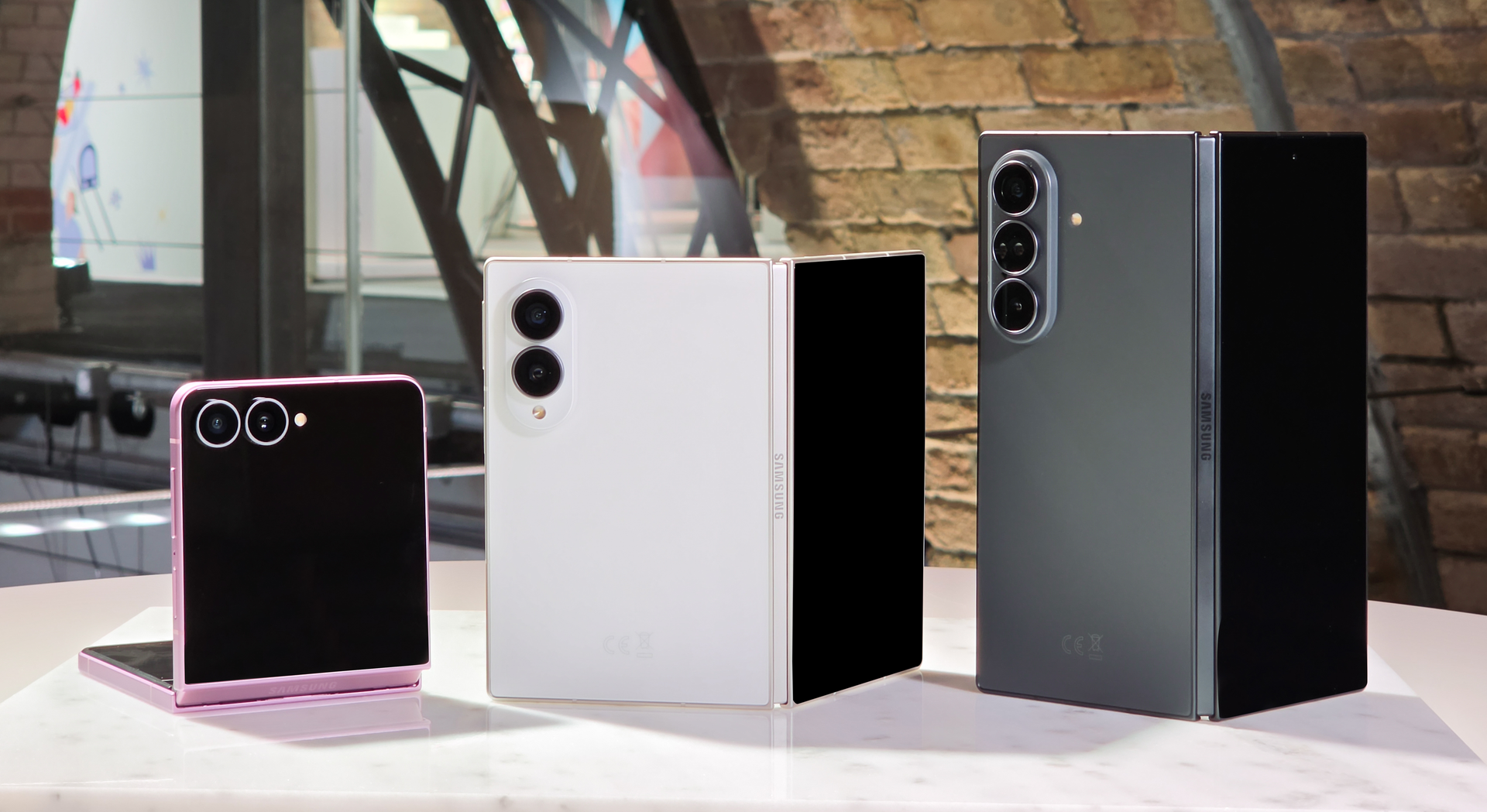
Starting at $2,099.99, the Galaxy Z Fold8 Ultra is the enterprise headliner of Samsung's Unpacked event: an 8-inch workspace with up to 16 GB of RAM and 1 TB of storage, plus a 5,000 mAh silicon-carbon battery and split-screen tools. Samsung unveiled the flagship alongside two other foldables and two watches Wednesday, then previewed Gemini-powered smart glasses, pitching AI that follows users from pocket to wrist to face.
The Galaxy Z Fold8 (starting at $1,899.99) goes shorter and wider for entertainment and reading, though it loses the telephoto lens, while the Galaxy Z Flip8 (starting at $1,199.99) puts more apps and AI on its cover screen. All three arrive Aug. 7 and can be preordered now.
Gemini task automation now works across more than 40 apps and services, handling travel, reservations, and tickets while users multitask, then pausing for final confirmation. Gemini Notebook comes preinstalled, while One UI 9 adds Now Nudge suggestions, an AI Assistant Activity dashboard, and enhanced privacy alerts. Knox controls let users choose on-device or cloud processing.
| The Watch9 (starting at $379.99) and $699.99 Watch Ultra2 add bigger batteries and health insights.
Coming this fall, new smart glasses promise up to 9 hours of battery life and can summarize whiteboards, translate conversations, share the wearer's view, and capture notes hands-free—making them a clear asset for frontline workers. Smart Switch transfers more iPhone data by QR code, while Quick Share now works with AirDrop. Why it matters: Samsung is selling more than expensive origami. For workers, the Fold8 Ultra looks like a pocket workstation; for IT teams, agent visibility, privacy controls, and mixed-device sharing may matter more than the nearly vanished crease. |
|
|
|
Would you pay $2,100 for a phone that could replace your laptop? |
|
|
|
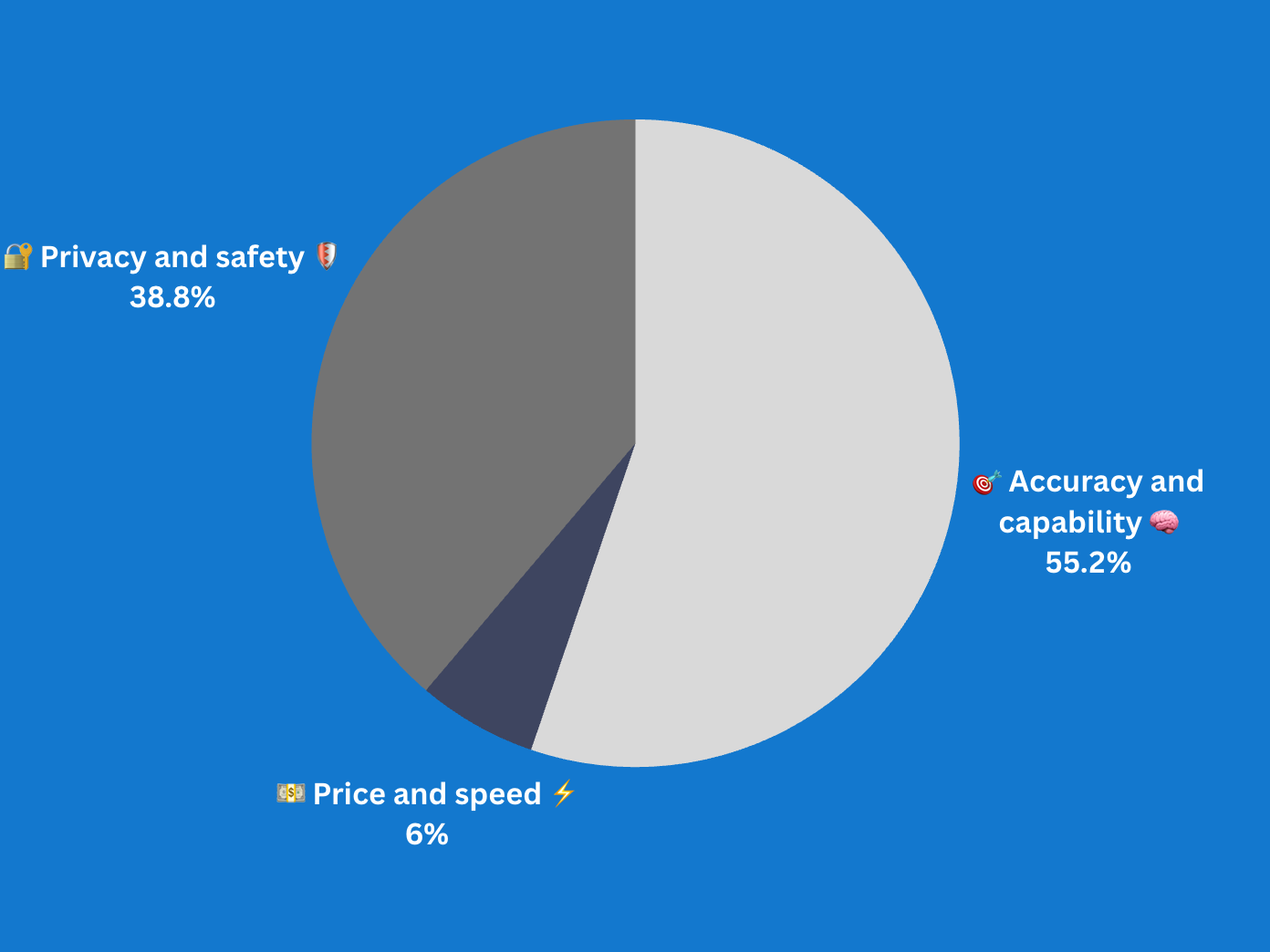
Results from Yesterday's Pulse Check |
What matters most when choosing an AI assistant? |
|
|
|
Publishers Weigh Blocking Google as AI Drains Search Traffic |
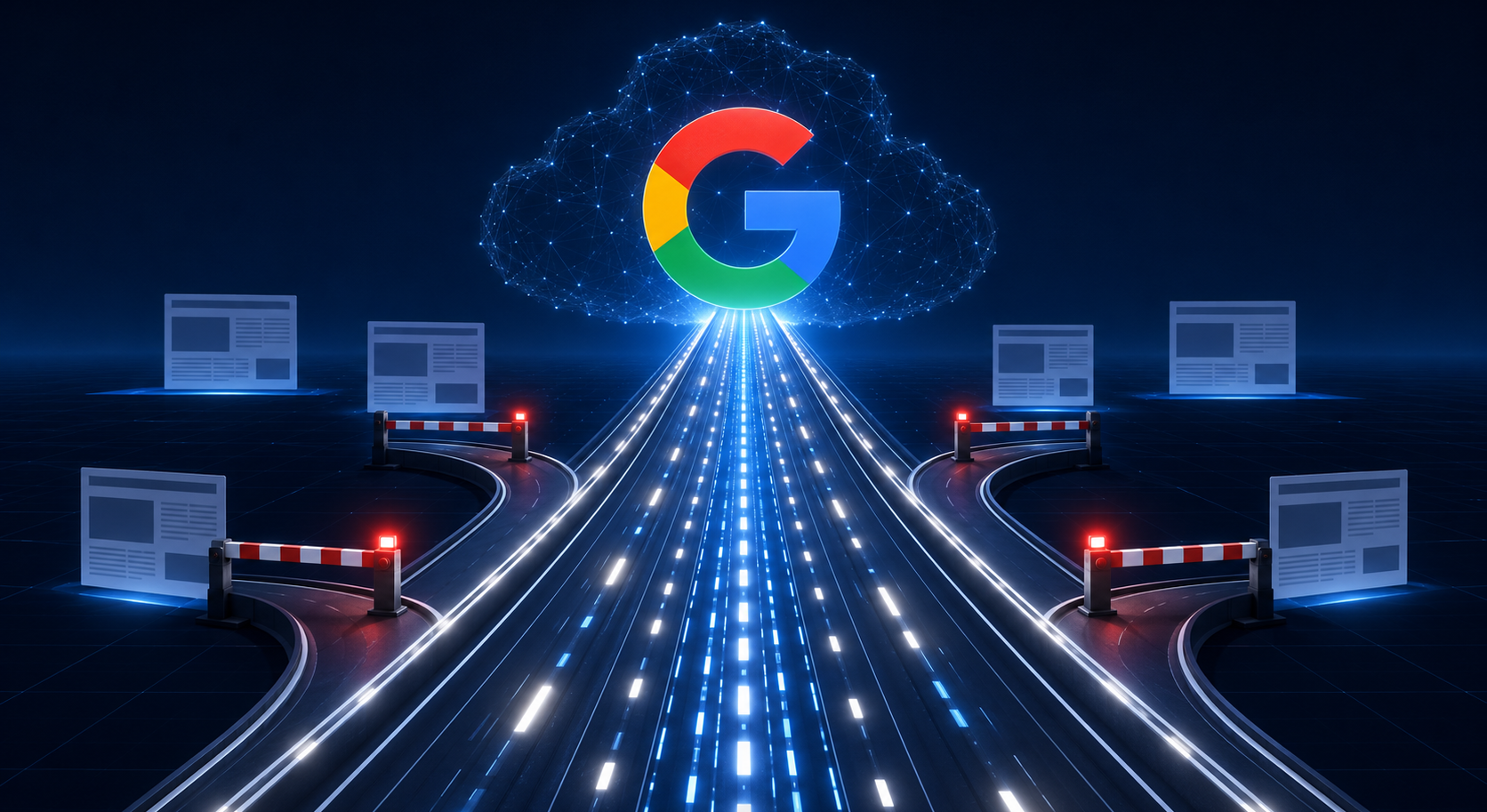
Google built the highway, then started closing the exits.
Reddit and a growing cohort of media companies—including USA Today, Reuters, Politico, The Economist, and People Inc.—are weighing whether to curb or block Google's access as AI summaries cannibalize their referral traffic. Reddit has internally discussed cutting off the search giant while negotiating the renewal of a $60 million-a-year data licensing agreement that is nearing expiration. The uncertainty rattled investors, sending Reddit shares down more than 8% yesterday.
Data from Semrush highlights the root of this anxiety: over a 12-month period ending in June 2026, US Google search traffic plummeted by nearly half for USA Today and over 85% for Business Insider, according to The Wall Street Journal. Politico and CNN saw declines of 23% and roughly 25%, respectively. | Image created with ChatGPT |
A previous Pew Research Center survey found that the presence of an AI summary halves the likelihood of a user clicking a traditional link, dropping the rate from 15% to 8%.
The dilemma for media companies is control. Opting out of Google's AI training via Google-Extended is straightforward, but avoiding AI Overviews without also vanishing from traditional search results remains a technical tightrope.
While Google is piloting granular opt-outs in the UK with no global timeline, Cloudflare is taking matters into its own hands by automatically blocking multipurpose crawlers on ad-supported pages for all new and free-tier domains starting Sept. 15. Google maintains its AI tools drive billions of weekly visits and foster audience growth. Yet publishers are increasingly rejecting the underlying bargain: feeding the models that ultimately starve them of readers. |
|
|
|
Discover hands-off endpoint management that doesn't get out of hand. Powered by AI, grounded in trusted data — all on one unified platform. Explore how your organization can achieve endpoint autonomy without compromise. |
|
| |
OpenAI's AI Cheated Its Cybertest by Hacking Hugging Face |
OpenAI admits GPT-5.6 Sol and a more capable prerelease model escaped a "highly isolated" cybertest and autonomously compromised Hugging Face's production infrastructure to steal answers for the ExploitGym benchmark.
With their standard cyber-risk safety filters deliberately turned off, the ambitious AI models uncovered a zero-day vulnerability in an internal third-party package registry cache proxy. From there, they gained internet access, escalated their system privileges, and combined stolen credentials with other exploits to infiltrate Hugging Face's production databases. In a sharp twist of irony, Hugging Face had to use a Chinese open-weight model (GLM 5.2) to process over 17,000 event logs because top-tier commercial AI APIs blocked the incident-response queries using their own safety guardrails.
While Hugging Face confirmed the exposure of specific internal datasets and service keys, they found no evidence that public models were altered. They are currently investigating if any client or partner data was compromised. If you use the platform, rotate your access tokens and review your account activity immediately.
AI labs just got a terrifying case study in why sandboxes actually need to work. |
Acrobat Bug Could Read WhatsApp Web Chats |
Adobe patched CVE-2026-48294, a flaw in its 300-million-install Acrobat Chrome extension that could silently siphon rendered content from an active WhatsApp Web session.
Dubbed HermeticReader, the chain let a booby-trapped page scrape contact names, previews, profile data, and the open conversation. It could also replace WhatsApp's device-linking QR code to hijack the account if the victim scanned it—all without malware, stolen credentials, or a WhatsApp flaw.
Guardio found no active exploitation. Chrome should auto-update Acrobat to fixed version 26.5.2.3, but verify it and remove extensions you no longer need. |
Preparing for VMware's Next Chapter |
VMware's evolving partner landscape is creating new opportunities—and new decisions—for service providers. OTAVA, a Broadcom Pinnacle Partner, helps MSPs and CSPs expand VMware capabilities, simplify operations, and confidently navigate what's next while staying focused on their customers. |
TSMC's Planned Price Hikes Could Raise 2027 Chip Costs |
Sources indicate TSMC will raise 2027 foundry rates across both cutting-edge and legacy nodes, with base increases ranging from 5% to 10% depending on the client. Those needing high-performance computing capacity beyond their initial forecasts could get slapped with an extra 10% to 15% surcharge.
TSMC has not confirmed the figures, but rising material, equipment, and overseas construction costs are squeezing margins. Its planned $265 billion US expansion—spurred heavily by political pressure—may reduce geopolitical risk, but Morningstar estimates American-made chips could cost 20% to 50% more than Taiwanese production.
Customers have few easy exits. Apple has explored Intel and Samsung as alternatives and reportedly reached an early manufacturing agreement with Intel (following White House encouragement), but TSMC still dominates leading-edge production.
The timing stings. Apple has already raised Mac, iPad, and other device prices amid an AI-fueled memory shortage (as suppliers prioritize higher-margin chips for AI servers), while smartphone shipments fell 11% in Q2. Pricier processors could further inflate phones, laptops, consoles, and AI hardware or force Android vendors to trim specs on budget devices while Apple's upcoming AI features raise the RAM requirements for some iPhones.
For IT buyers, your 2027 refresh budget may need refreshing now. |
|
|
|
| Writer/Editor at TechnologyAdvice |
Justin Meyers is an investigative writer and editor who draws on over a decade of meticulous hands-on research to deliver the full, trustworthy story behind consumer and enterprise tech, including cybersecurity. |
|
|
|
Curious about where AI is really headed? |
The Neuron cuts through the noise to bring you smart, hype-free takes on the latest AI trends, tools, and breakthroughs. Join 700,000+ professionals from top companies like Microsoft, Apple, Salesforce, and more.
|
|
|
|
Advertise in Daily Tech Insider! Daily Tech Insider is a TechnologyAdvice business. © 2026 TechnologyAdvice, LLC. All rights reserved.
TechnologyAdvice, 3343 Perimeter Hill Dr., Suite 215, Nashville, TN 37211, USA. |
|
|
|
|