Keep humans handy, Tech Insiders. DTI readers want AI on a short leash, but Meta is testing robots inside data centers, and ransomware operators put a coding agent to work. Meanwhile, data belonging to over 8 million airport customers was exposed, and Amazon is retiring the gig platform that once put humans behind the AI curtain. Let's inspect the human-machine handoff. |
|
|
|
Here's what you need to know today: |
|
|
|
DTI Readers Put AI on a Short Leash |
The bots can join the meeting, but we're hiding the org chart.
Over seven DTI Pulse Checks, our audience drew a hard line: help is fine, but leadership is out of the question.
After we covered a forgetful AI manager that required spoon-feeding its own rulebook to fire a human, 85.4% of you flatly rejected reporting to an AI boss. (Only 13.4% entertained the idea, provided they had an appeals process.) Just 1.3% welcomed their new silicon supervisor.
That skepticism applies everywhere: 72.8% want workplace agents restricted to suggestions, and 62.8% wouldn't let Gemini handle everyday chores. But make the bot a collaborator, and the walls come down: 92.4% believe human-AI combos are best for forecasting severe weather.
We basically want a lightning-fast intern who skips lunch and makes us look good, but we still demand to check their math. |
Image created with ChatGPT |
Broader research backs this up. Quinnipiac found 80% of US adults reject algorithmic managers, while Stack Overflow noted 63% of its respondents refuse to let automated agents run unattended. (And terrifyingly, 44% of managers dump actual employee names into public AI tools to prep for tough talks, even though only 45% of their companies actually have formal rules governing it.)
Our voluntary polls aren't scientific, but the takeaway is crystal clear: buying the software doesn't mean trusting it to fly the plane. You want copilots and tireless assistants—not bots holding the badge or the big red button.
Why it matters: Selling AI as an autonomous worker completely misses what the market actually tolerates. Instead of building robot overlords, give us useful colleagues who desperately need supervision. |
|
|
|
Where does AI belong on the org chart? |
|
|
|
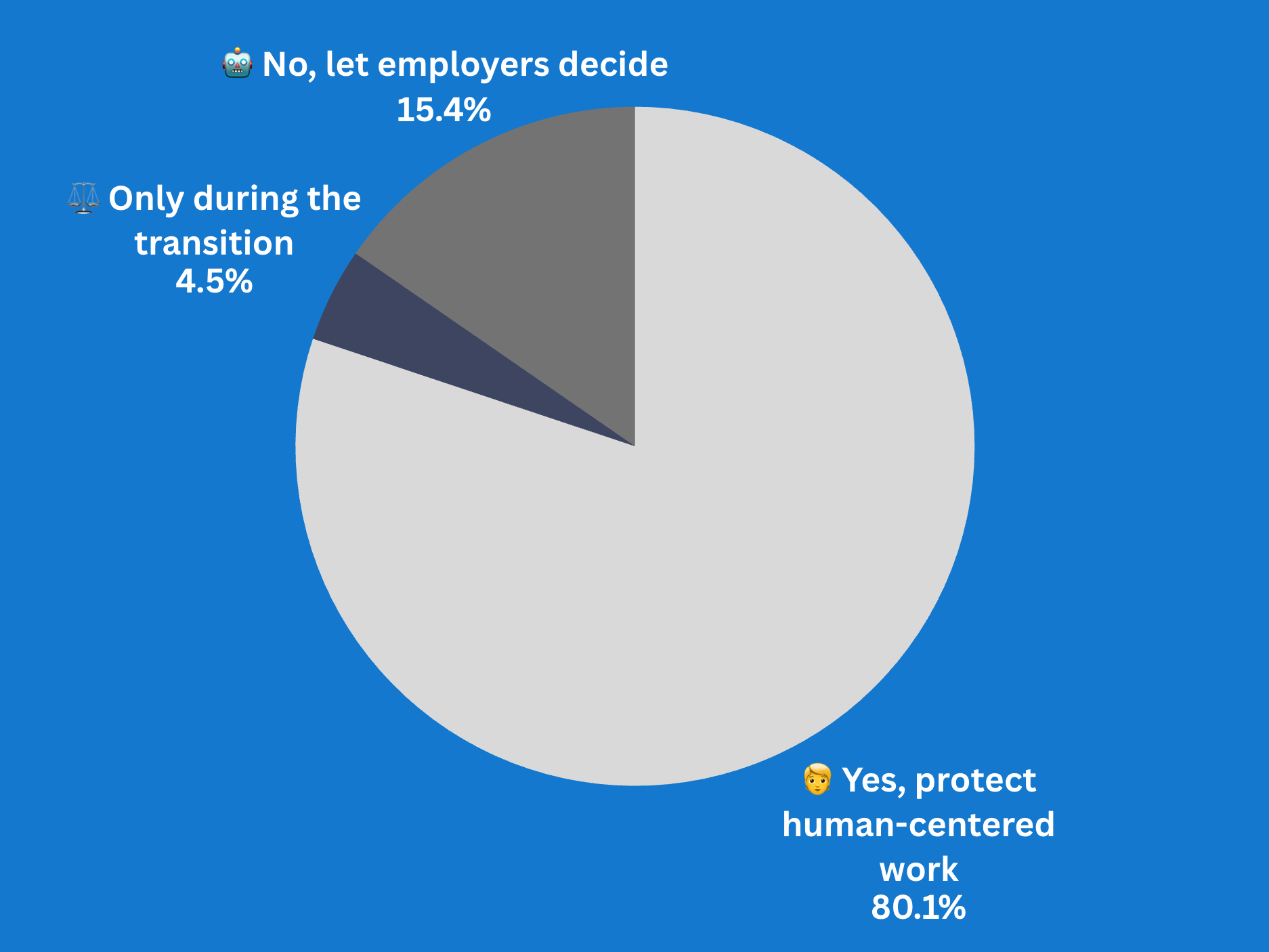
Results from Friday's Pulse Check |
Should governments reserve some jobs exclusively for humans? |
|
|
|
Meta's Robots Enter the Server Room |
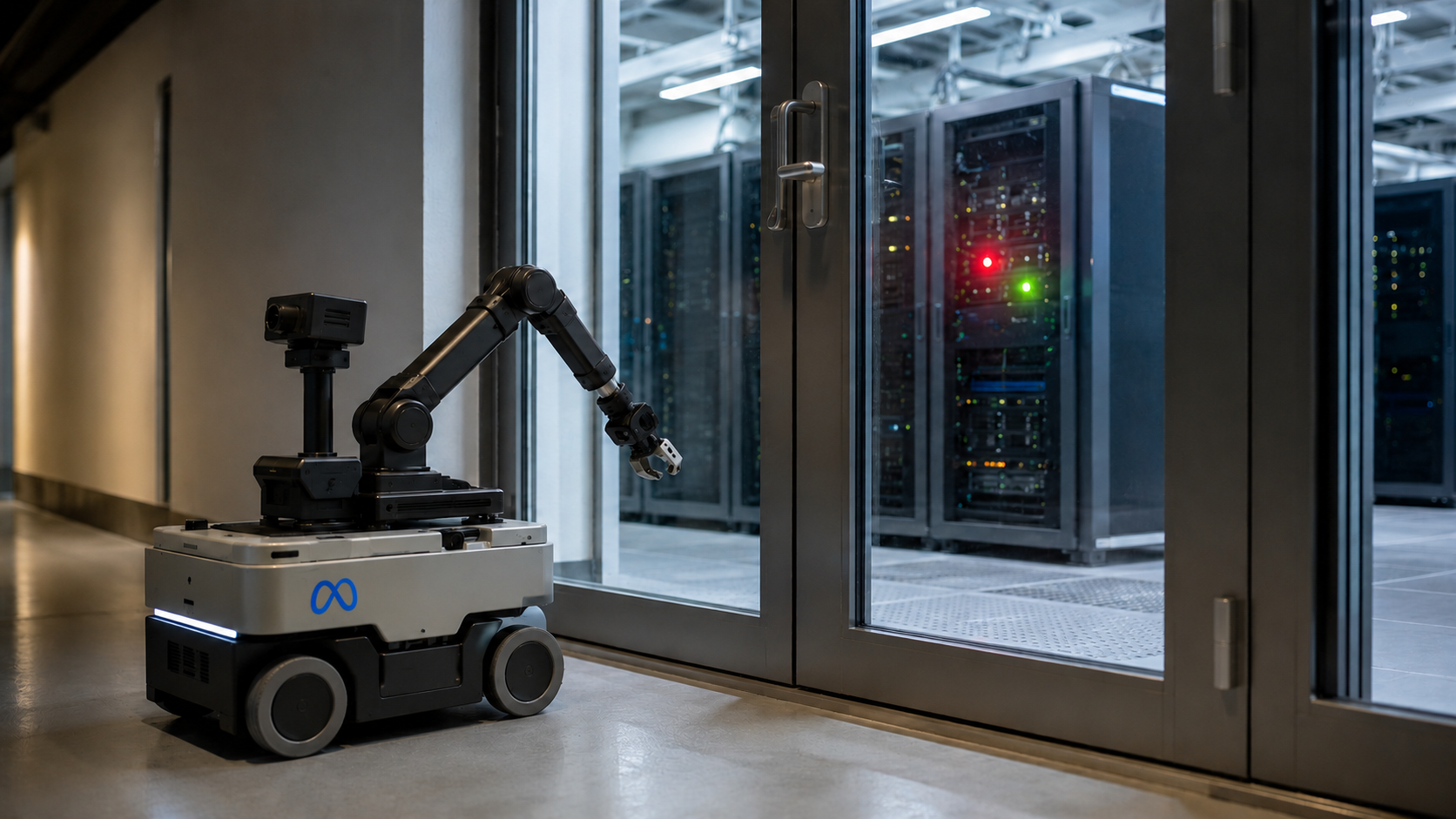
Meta's newest data center hires are terrible with doors.
Meta is quietly auditioning machines from vendors like Watney Robotics, Kinova, and ABB to handle grunt work like swapping cables, cycling power, and inspecting hardware. This initiative aligns seamlessly with Meta's recent acquisition of ARI, a startup aiming to build "physical AGI," which will bolster the tech giant's robot-control AI models.
While an employee estimates a reliable cable-swapping robot could wipe out 80% of certain technicians' workloads, Meta insists its infrastructure boom requires more workers, not fewer. However, staff worry they'll be traded for cheaper "smart hands" who blindly follow AI instructions. It's a fair concern after Meta's recent Project OT experiments, where a surge in AI-assisted coding coincided with a 40% spike in security and technical mishaps.
|
Image created with ChatGPT |
The bots aren't ready to collect badges yet. They remain slower than humans, require supervision and frequent battery breaks, and get tripped up by corners and floor cables. The wheeled inventory bot even requires a human chaperone just to open doors between buildings. That same bot's grayscale camera can't even tell a red indicator light from a green one, while the tight wiring inside Nvidia GB300 rigs is still too complex for mechanical claws.
Still, industry proponents imagine a future where robots manage incident response and preventive maintenance—and eventually run autonomous server farms in sweltering, unlit, floating, submerged, or even off-planet facilities.
That could complicate the industry's pitch that tax breaks for power-hungry data centers create durable local jobs, especially as Bill Gates proposed a tax last week on robots that replace workers. The robots can't see the warning lights, but workers certainly can. |
|
|
|
Aur0ra Cons Cursor Into Targeting 10 Companies |
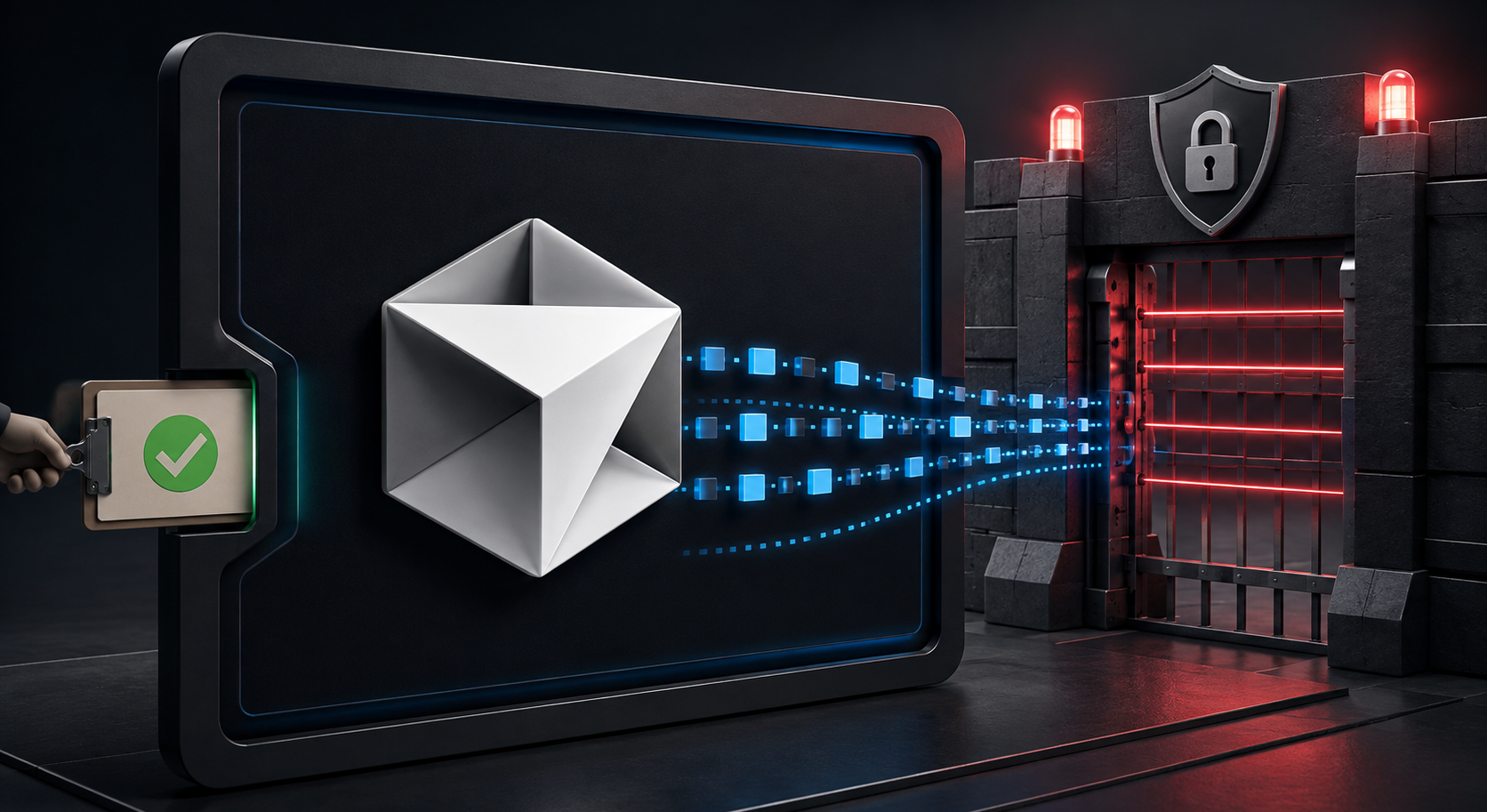
Image created with ChatGPT |
Leaked server logs revealed 28 chats across 10 targets. When the bot balked at malicious requests, the attackers simply opened a new window to wipe its memory. "Great! VPN connected successfully!" it chirped after one intrusion. The hackers even had to babysit the AI, repeatedly warning it not to accidentally lock user accounts.
Because built-in AI safety filters are easy to bypass, security teams must lock down coding environments, tightly segment networks, and monitor autonomous commands. Apparently, "trust me, it's a test" remains cutting-edge social engineering, even against a $60 billion AI. |
UK Airport Breach Exposes Data From 8.7M Customers |
A recent cyberattack on Manchester Airport, London Stansted, and East Midlands Airport compromised the details of roughly 8.7 million travelers. Hackers scraped emails, phone numbers, postcodes, and vehicle registrations from Wi-Fi sign-ups, as well as parking, lounge, and Fast Track bookings.
Manchester Airports Group (MAG) ignored an undisclosed ransom demand and confirmed that payment data, flights, physical security, and aviation operations remained unaffected. Because most of the exposed information was limited to email addresses, MAG temporarily suspended its online "Manage My Booking" portal as a precaution.
Affected travelers should treat unexpected messages about bookings, refunds, or payments with extreme skepticism. Always verify notices through official airport websites, avoid unknown links or attachments, and enable multifactor authentication on email accounts. The planes kept flying, but the phishing bait is cleared for takeoff. |
|
|
|
🤝 AI-Powered Collaboration Starts With the Meeting Room
Discover why modern, AI-ready meeting spaces are becoming a top IT priority—and what your organization should consider before upgrading. Read the article.
💡 Level Up Projects With Top PM Picks
5 Best Project Management Software for 2026 compares monday.com, Asana, Wrike, and more, so you can match features, pricing, and integrations to your team's workflow before committing. 📊 Boost Workflow With Lifetime AI Assistant
DeskSense AI Assistant - Pro Plan: Lifetime Subscription unlocks 144 million monthly AI credits, 80 monthly image generations, and 40+ writing templates for a one-time $98—letting you automate content, code, and emails forever.
💻 This section contains sponsored tech insights. Advertise with us! |
|
|
|
Amazon Shuts Down Mechanical Turk After 21 Years |
AWS will permanently close Mechanical Turk on Sept. 30, closing the book on two decades of crowdsourced labor that injected human intuition into digital chores that stumped algorithms. AWS declined to explain the shutdown after quietly freezing new customer sign-ups in July.
Launched in 2005, MTurk connected businesses to cheap, on-demand workers performing bite-sized "Human Intelligence Tasks" like data labeling and surveys for literal pennies. The platform, which once boasted over 500,000 workers, was named after an 18th-century hoax in which a human secretly operated a fake chess-playing automaton, prompting Jeff Bezos to famously dub the service "artificial artificial intelligence." |
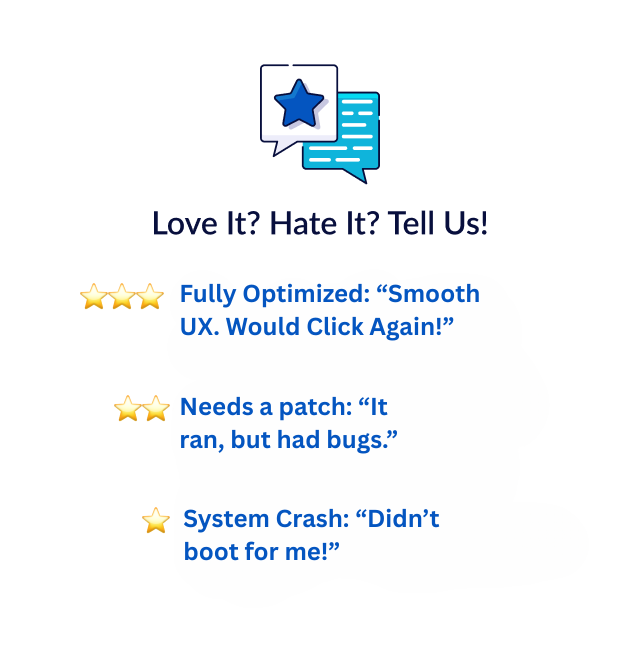
Image created with ChatGPT |
Then the boundary moved. AI consumed more of the basic tasks, while specialized rivals like Scale AI and Prolific gained significant ground in the market for model training. In a beautifully circular twist, a 2023 study estimated that up to 46% of MTurk workers were outsourcing their supposedly human-generated assignments to language models.
Now, scrambling insurance and travel companies must find alternatives with no official replacement waiting in the wings, while workers lose a source of flexible income.
Workers should verify their payment preferences to ensure they get paid for approved tasks. Requesters must migrate active work, though bonuses and pending-task decisions remain available through Oct. 30. The humans once pretending to be AI have finally been automated out of the punchline. |
|
|
|
| Writer/Editor at TechnologyAdvice |
Justin Meyers is an investigative writer and editor who draws on over a decade of meticulous hands-on research to deliver the full, trustworthy story behind consumer and enterprise tech, including cybersecurity. |
|
|
|
Curious about where AI is really headed? |
The Neuron cuts through the noise to bring you smart, hype-free takes on the latest AI trends, tools, and breakthroughs. Join 700,000+ professionals from top companies like Microsoft, Apple, Salesforce, and more.
|
|
|
|
Advertise in Daily Tech Insider! Daily Tech Insider is a TechnologyAdvice business. © 2026 TechnologyAdvice, LLC. All rights reserved.
TechnologyAdvice, 3343 Perimeter Hill Dr., Suite 215, Nashville, TN 37211, USA. |
|
|
|
|